Artwork
Print Collection
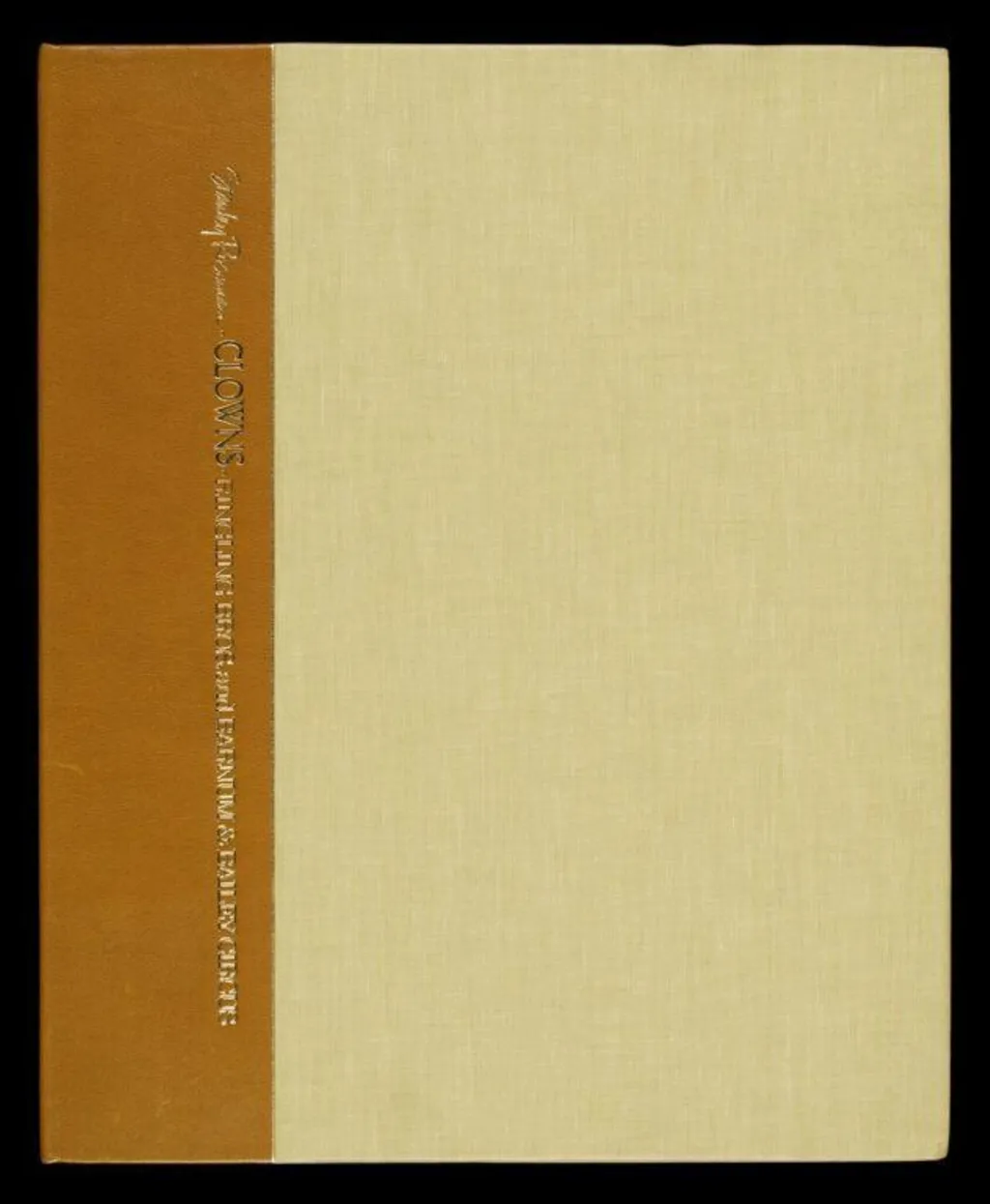
Print Collection is a print by Stanley Roseman. It dates from 1976 and is held in the collection of the Victoria and Albert Museum.
About this work
The title of this work is "Print Collection" by Stanley Roseman.
It was created in 1976 and is a collection of prints.
The collection depicts various clowns, which is an interesting aspect of this work, as it showcases the artist's focus on a specific theme.
You can learn more about the artist's style and other works at the Victoria and Albert Museum.
Overview
Each sheet offers a distinct portrayal, reflecting Roseman’s sustained interest in the visual language of performance and disguise.
This 1976 portfolio by Stanley Roseman gathers a series of printed images centered on clowns. Published by Ronald Davis, the collection presents multiple individual prints bound as a unified set. Each sheet offers a distinct portrayal, reflecting Roseman’s sustained interest in the visual language of performance and disguise. The work is not a single image but a curated sequence, emphasizing repetition and variation within a narrow subject.
Subject & Meaning
The clowns depicted are not caricatures of humor but studies in expression and posture, often conveying ambiguity between performance and vulnerability. Roseman avoids overt comedy, instead focusing on the physicality and stillness of masked figures. The series invites contemplation of identity, role-playing, and the emotional distance inherent in theatrical personas, suggesting a quiet melancholy beneath the painted smiles.
Technique & Style
Roseman employed traditional printmaking methods, likely etching or lithography, to achieve fine linear detail and tonal gradation. The style is restrained, with minimal color and emphasis on form over narrative. Figures are rendered with deliberate economy, their gestures and costumes suggested rather than elaborated. This austerity reinforces the psychological weight of the subjects, distancing the work from popular circus imagery.
History & Provenance
The collection was produced in 1976 under the publisher Ronald Davis, known for limited-edition artist portfolios. No public record indicates prior exhibition or institutional acquisition prior to its inclusion in the Victoria and Albert Museum’s print collection. Its preservation there suggests recognition of its quiet significance within late-20th-century British printmaking, though it remains outside mainstream art historical discourse.
Context
Emerging during a period when figurative printmaking was being reexamined in Britain, Roseman’s work aligns with artists exploring psychological depth in everyday or marginalized figures. While contemporaries pursued abstraction or political themes, Roseman turned to the clown as a symbol of hidden interiority. The series reflects a broader postwar interest in the uncanny and the performative self, resonating with literary and cinematic explorations of alienation.
Legacy
Though not widely reproduced or exhibited, the collection endures as a quiet example of thematic cohesion in postwar British prints. Its presence in the Victoria and Albert Museum ensures scholarly access and contextual placement within the history of printmaking. Roseman’s focus on the clown as a vessel for emotional nuance continues to offer a subtle counterpoint to more flamboyant depictions of circus culture.
Artist & collection