Artwork
The Capitoline Eagle
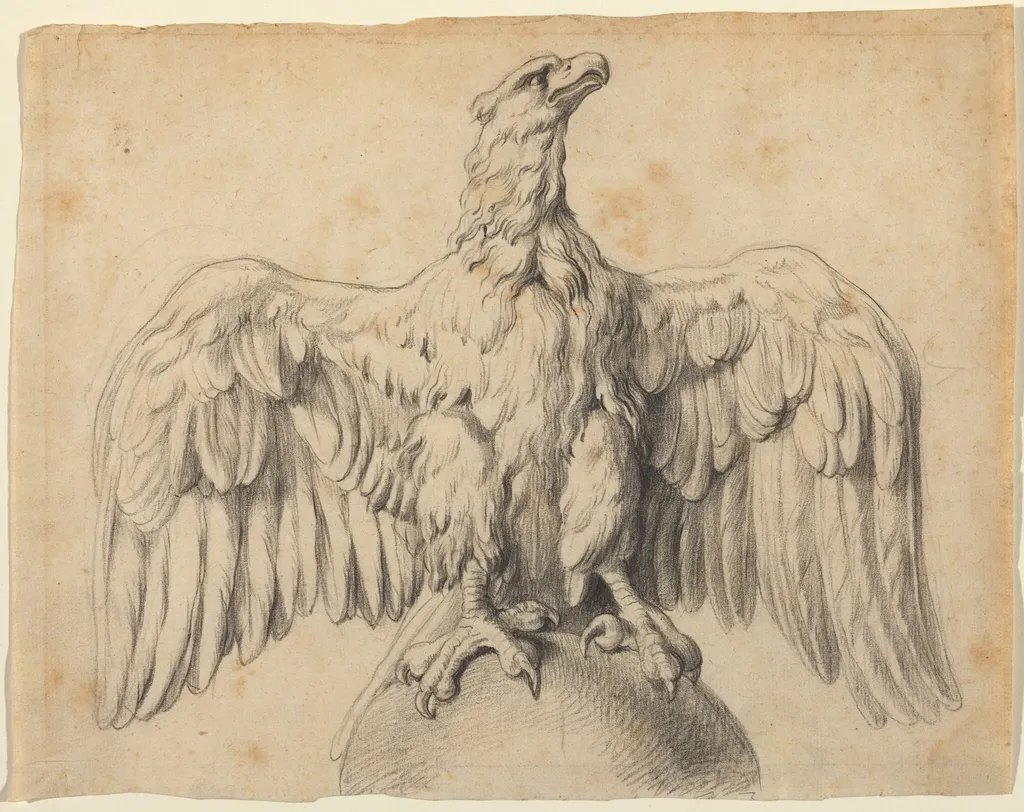
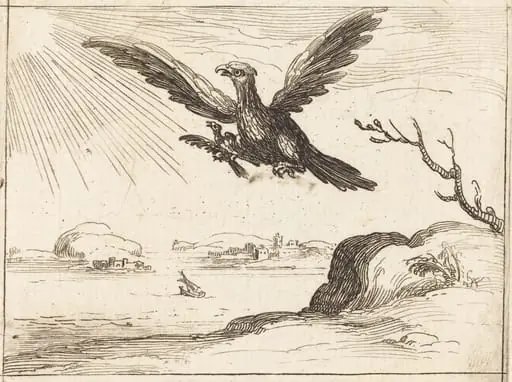
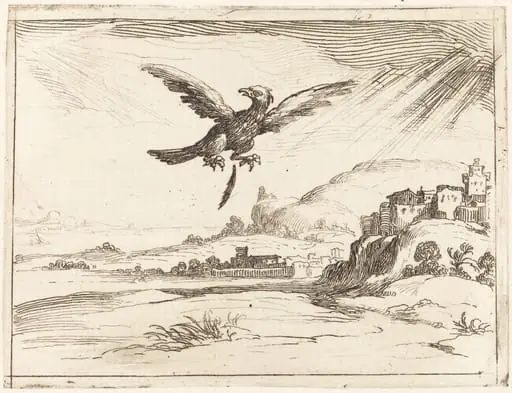
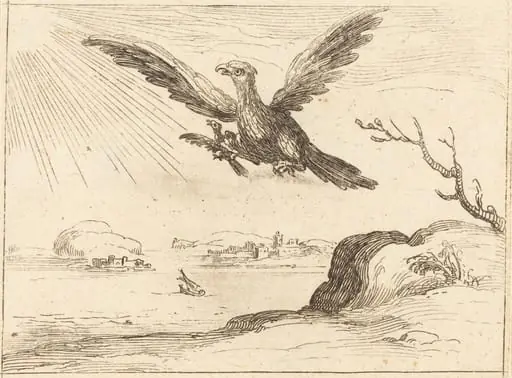
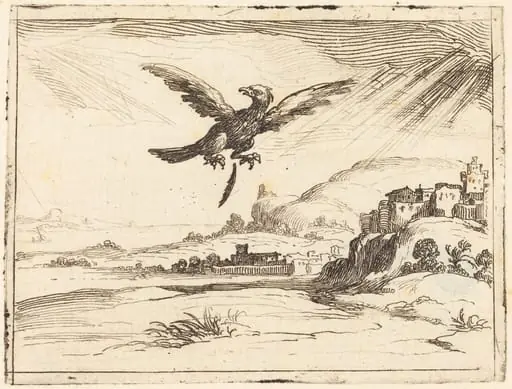
The Capitoline Eagle is a chalk drawing by the Baroque artist Peter Paul, Sir Rubens. It dates from 1602 and is held in the collection of the National Gallery of Art.
About this work
Overview
The Capitoline Eagle is a drawing created by Peter Paul Rubens around 1602. It is executed in black chalk on laid paper.
Subject & Meaning
The drawing depicts an eagle with outstretched wings, conveying a sense of power and intensity. The bird's sharp beak and talons are rendered in a way that suggests readiness to grasp or attack.
Technique & Style
Rubens employed simple, expressive lines to capture the eagle's form, using quick, light strokes to suggest the texture of its feathers. The use of black chalk alone allows the viewer's focus to remain on the bird's powerful presence.
History & Provenance
The drawing is now held in the prints and drawings room of the National Gallery of Art, Washington. It was created as a study for larger works, demonstrating Rubens' practice of observing and rendering birds to inform his more complex compositions.
Artist & collection