Artwork
Leo Lehmann
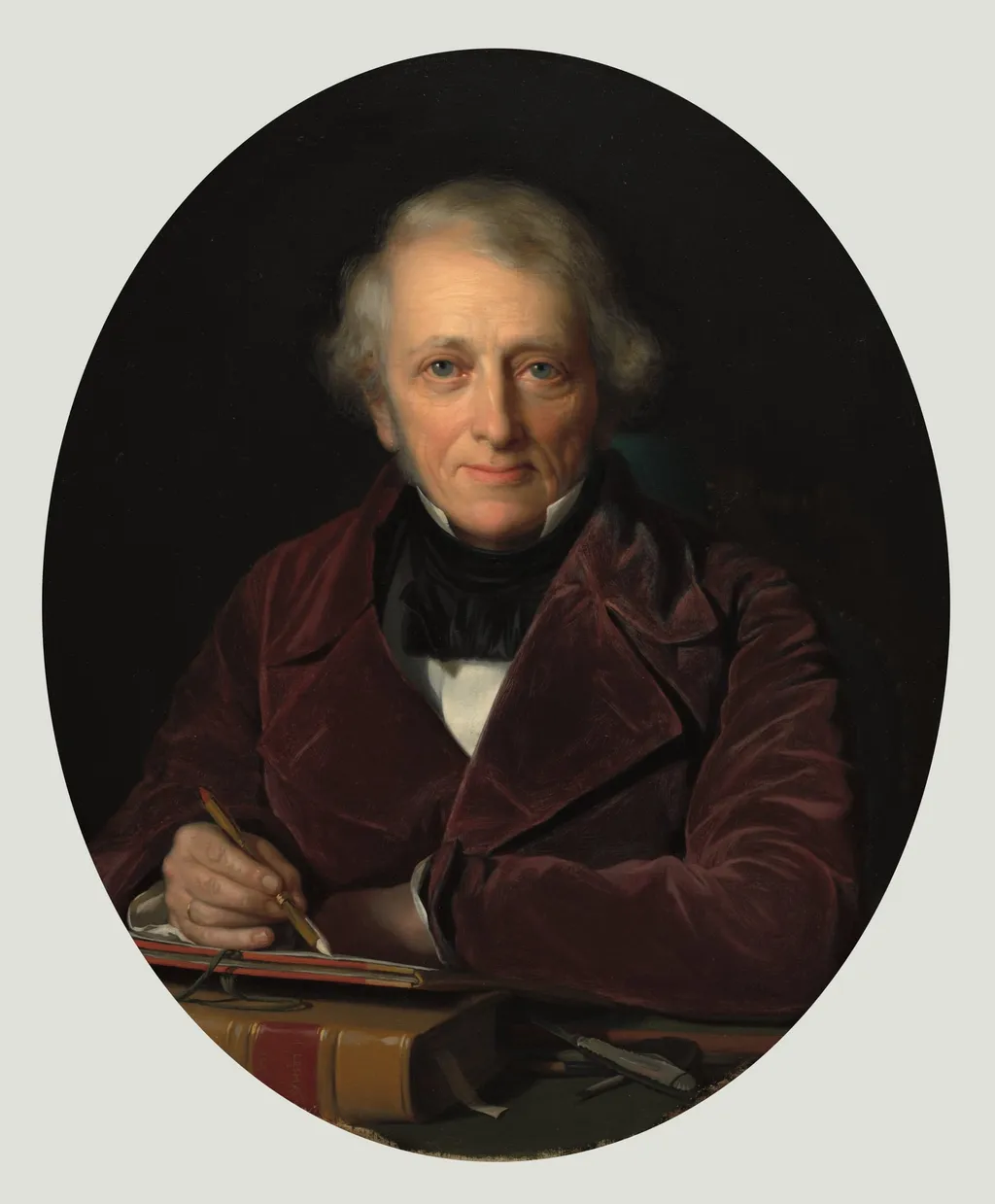
Leo Lehmann is an unspecified painting by the German Romanticist artist Rudolf Lehmann. It dates from 1851 and is held in the collection of the Cleveland Museum of Art. The painting presents a seated figure engaged in drawing, surrounded by books, papers, and a portfolio.
About this work
If you like this kind of intimate portrait, look up *subject: germany, 19th century, mod euro*.
A man sits at a table, drawing with a metal tool in his hand. Books and papers pile around him. His face is serious, eyes locked on his work.
This is the artist’s father, also a painter. The tool he holds—called a portecrayon—was used for wax crayons before pencils existed. The scene feels quiet, like we’ve walked in on a private moment.
If you like this kind of intimate portrait, look up *subject: germany, 19th century, mod euro*.
Overview
The painting presents a seated figure engaged in drawing, surrounded by books, papers, and a portfolio. He rests his arms on a sheet of paper, holding a metal portecrayon—a 19th‑century implement for wax crayons. His expression is serious, eyes fixed on his work, creating an intimate, almost voyeuristic scene.
Subject & Meaning
The sitter is the artist’s father, himself a painter and printmaker who provided his son’s first artistic instruction. By portraying him at his easel, the work reflects both filial respect and a meditation on the transmission of craft from one generation to the next, suggesting a dialogue between teacher and pupil.
Technique & Style
The artist renders textures with meticulous attention, capturing the sheen of the father’s velvet coat and the reflective metal of the drawing tool. The precise handling of light and surface, combined with a restrained palette, underscores the painter’s reputation for realistic portraiture and psychological insight.
History & Provenance
Created by Leo Lehmann, a prominent portraitist of the late 19th century who enjoyed considerable patronage among the English aristocracy, the work likely remained in the family before entering public collections. Its provenance traces back to the artist’s studio, reflecting his personal connection to the subject.
Context
The portrait belongs to a period when portrait painters emphasized both physical likeness and inner character, catering to a market that valued detailed representation of status and personality. Lehmann’s focus on his father’s working environment aligns with contemporary interests in documenting artistic processes.
Artist & collection
Artist
Rudolf Lehmann painted formal portraits in 19th-century Europe. He left behind sharp-lined likenesses such as the 1851 portrait of his son Leo Lehmann and a second portrait of the same boy from 1859. These calm, closely…

 Portrait of Daniel Francis Schas, from 1814 to 1820 Member of the Board of Commerce for the Colonies
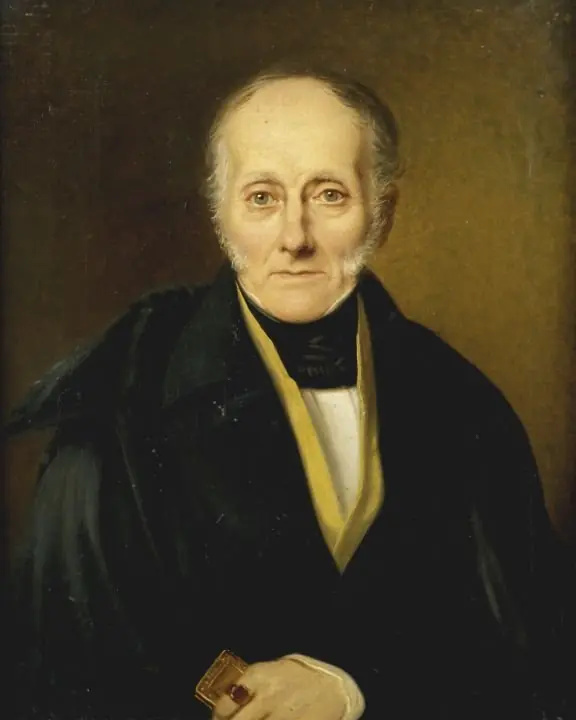 Portrait of Professor Lorenz Ferdinand Ewers
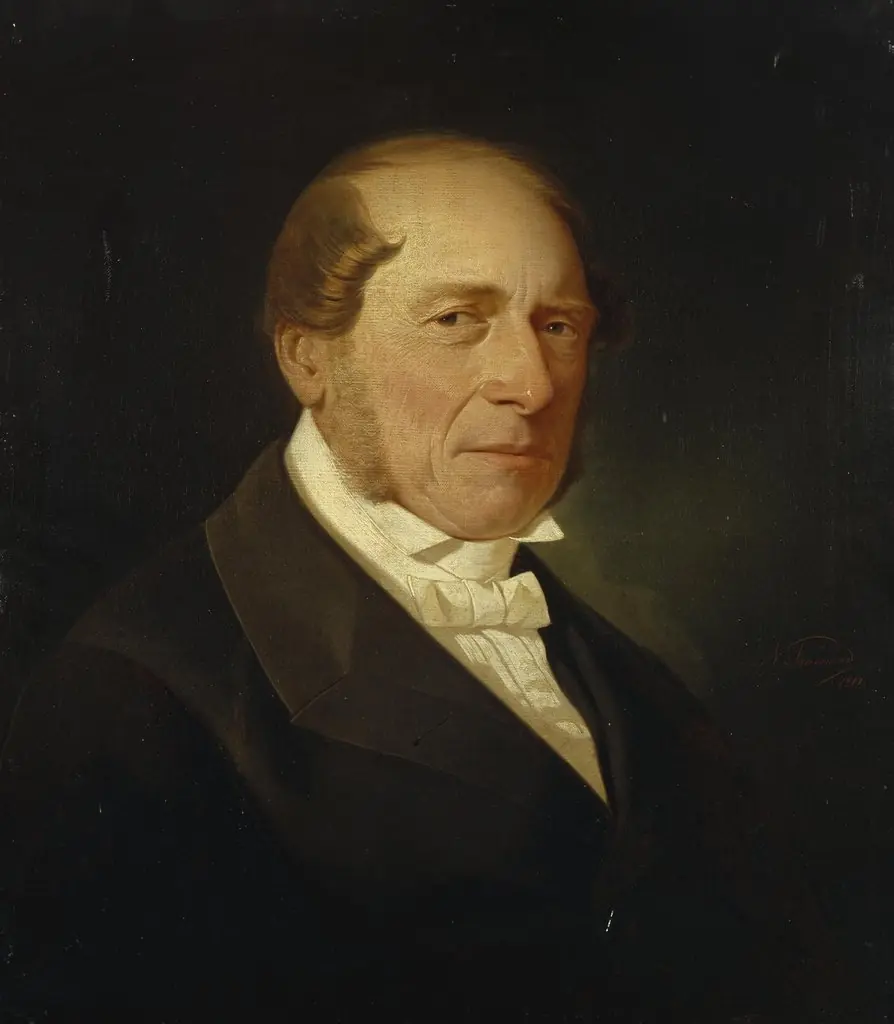 Portrait of I.S. Ebert
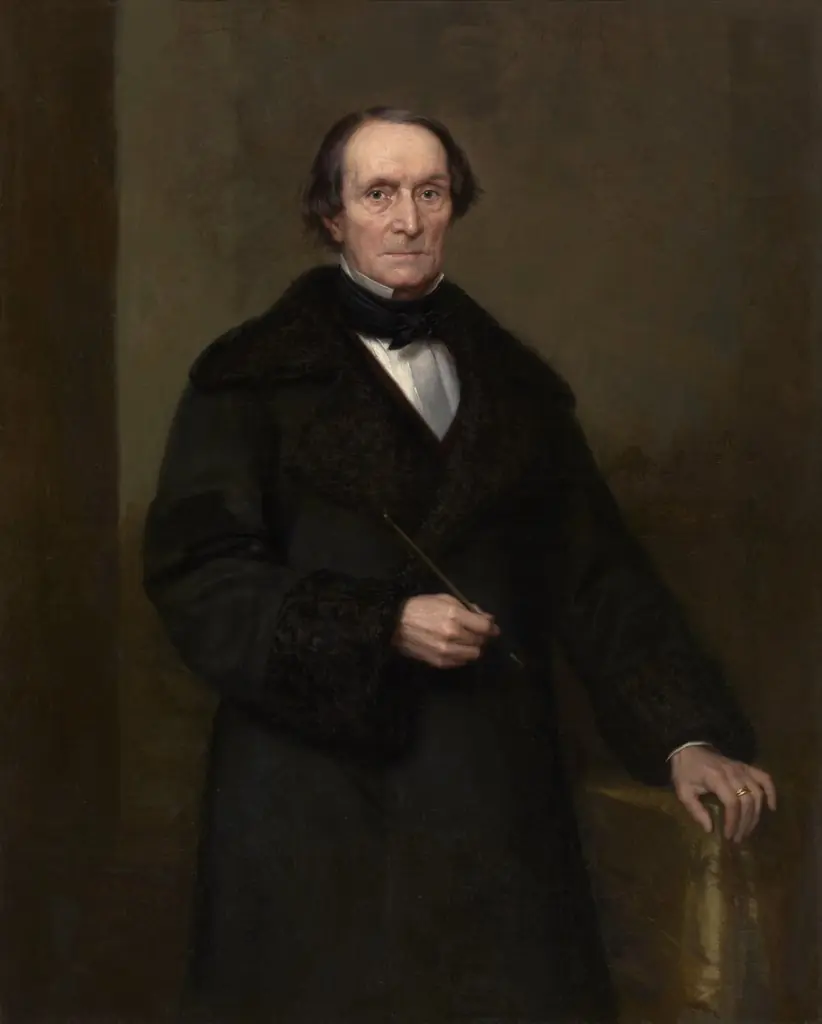 The Painter Peter von Cornelius
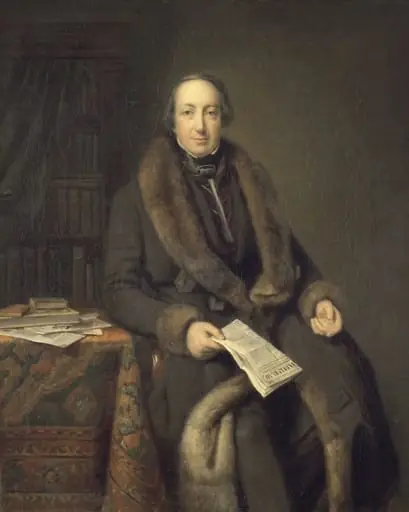 Untitled
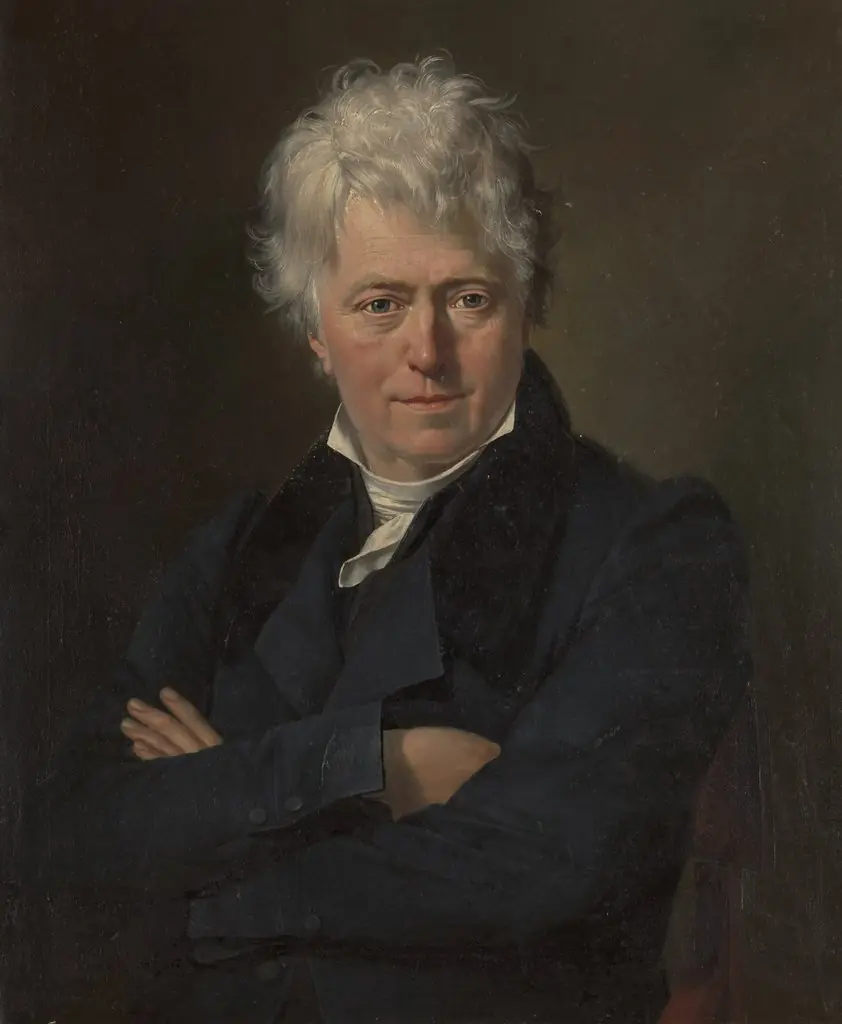 The Lawyer Jean Louis Bourceret
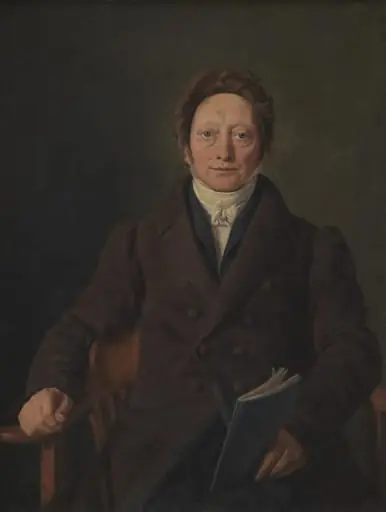 Konsistorialråd J. Ernst Wegener
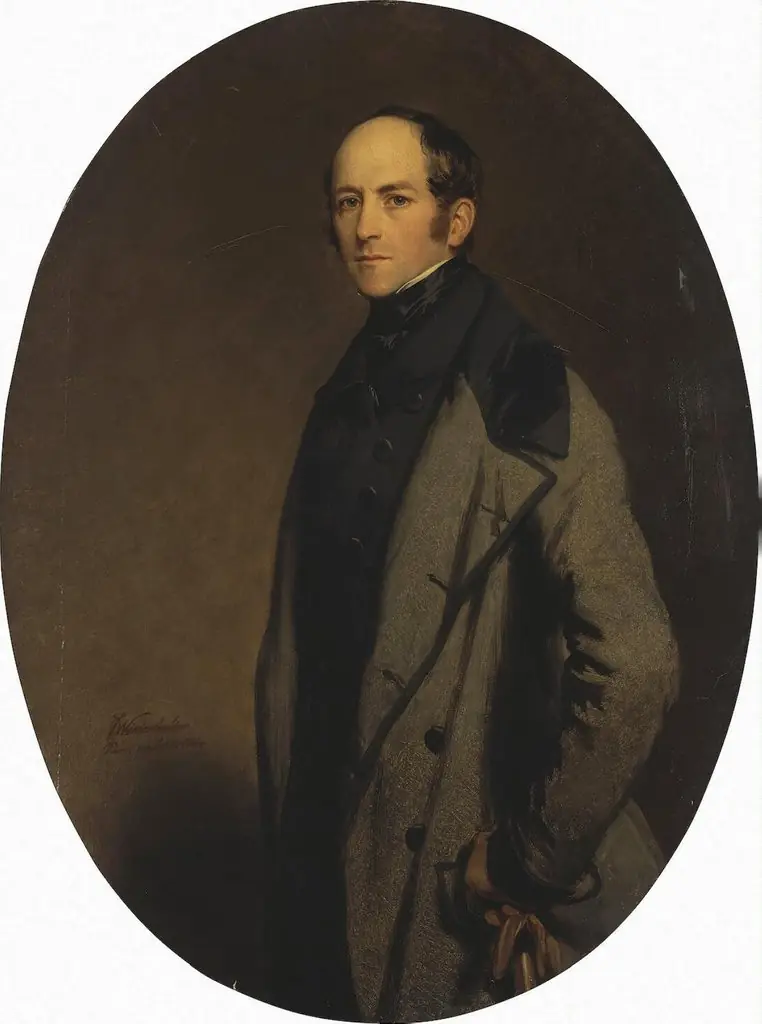 Portrait of Count Alexei Bobrinsky
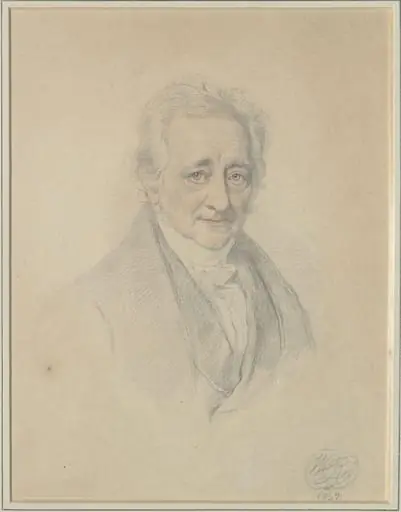 Portrait of William Ross, a miniature painter
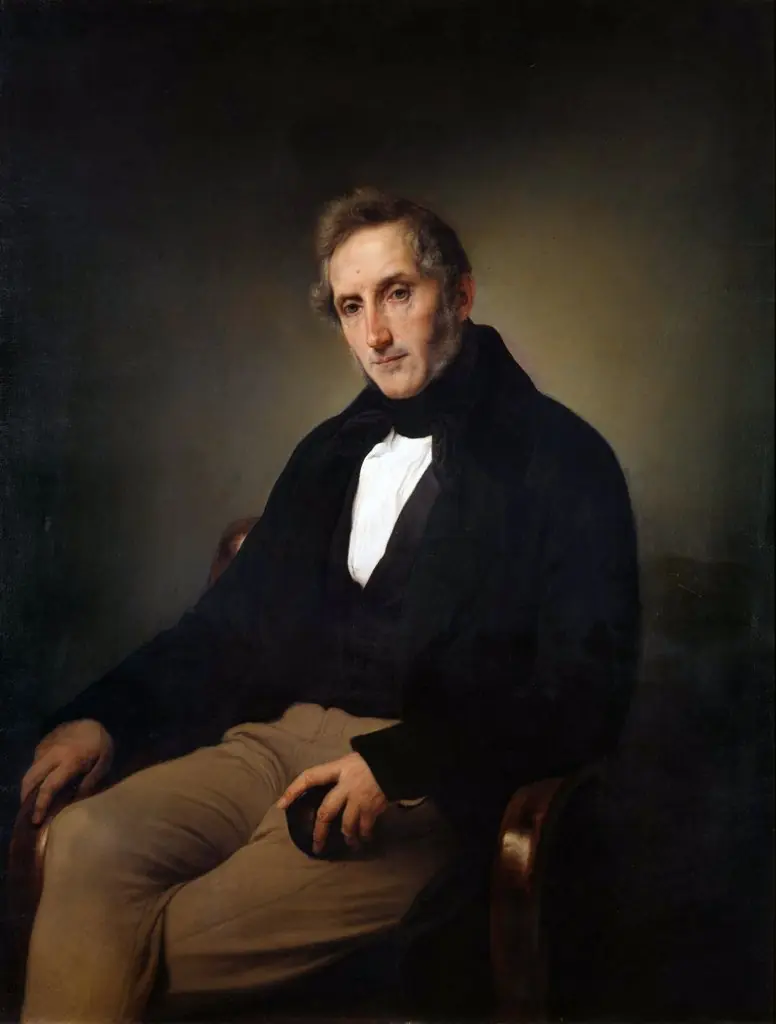 Portrait of Alessandro Manzoni
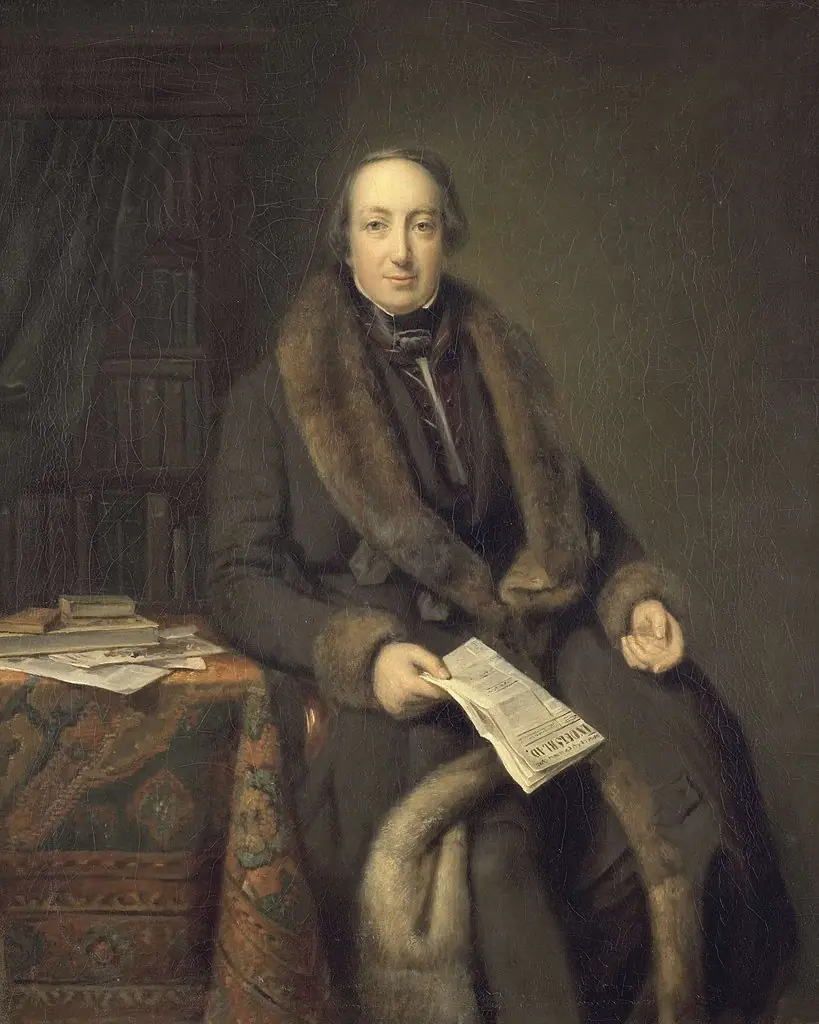 Portrait of Pieter Arnold Diederichs (1804-74), bookseller and founder AD in 1828