Artwork
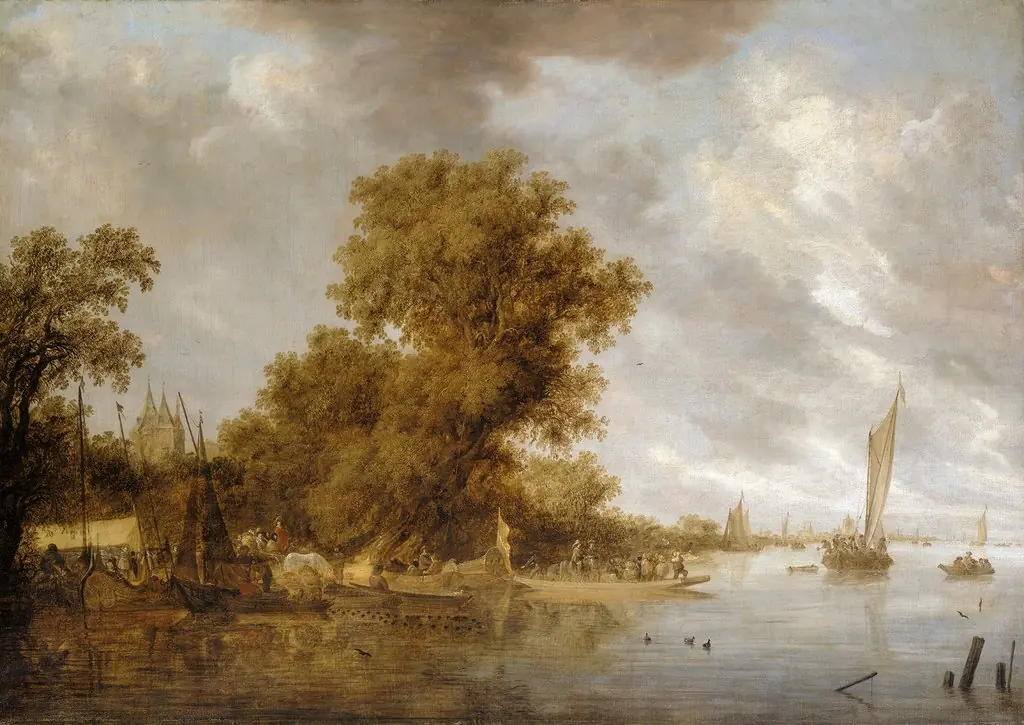
Flußlandschaft mit Uferstraße
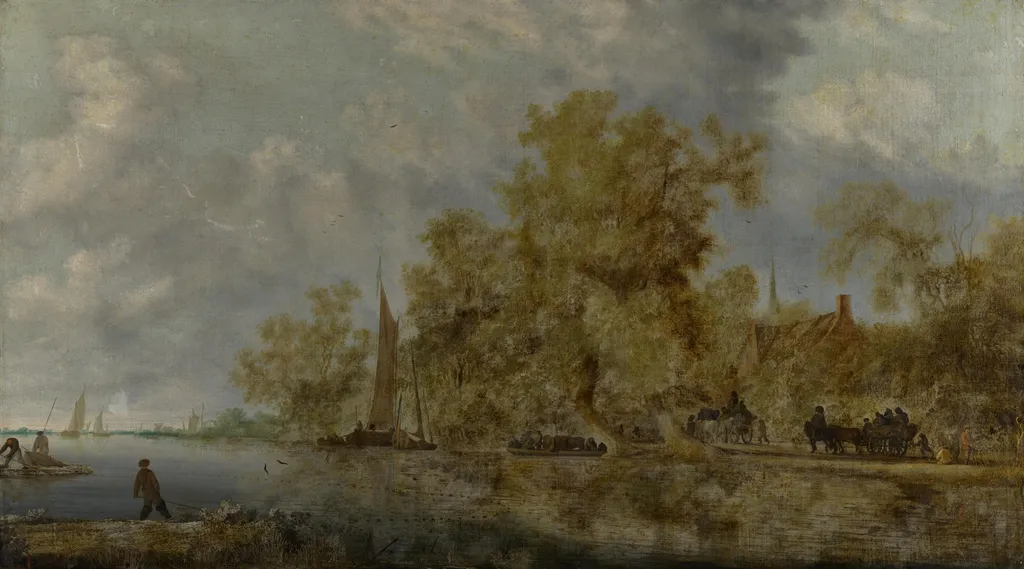
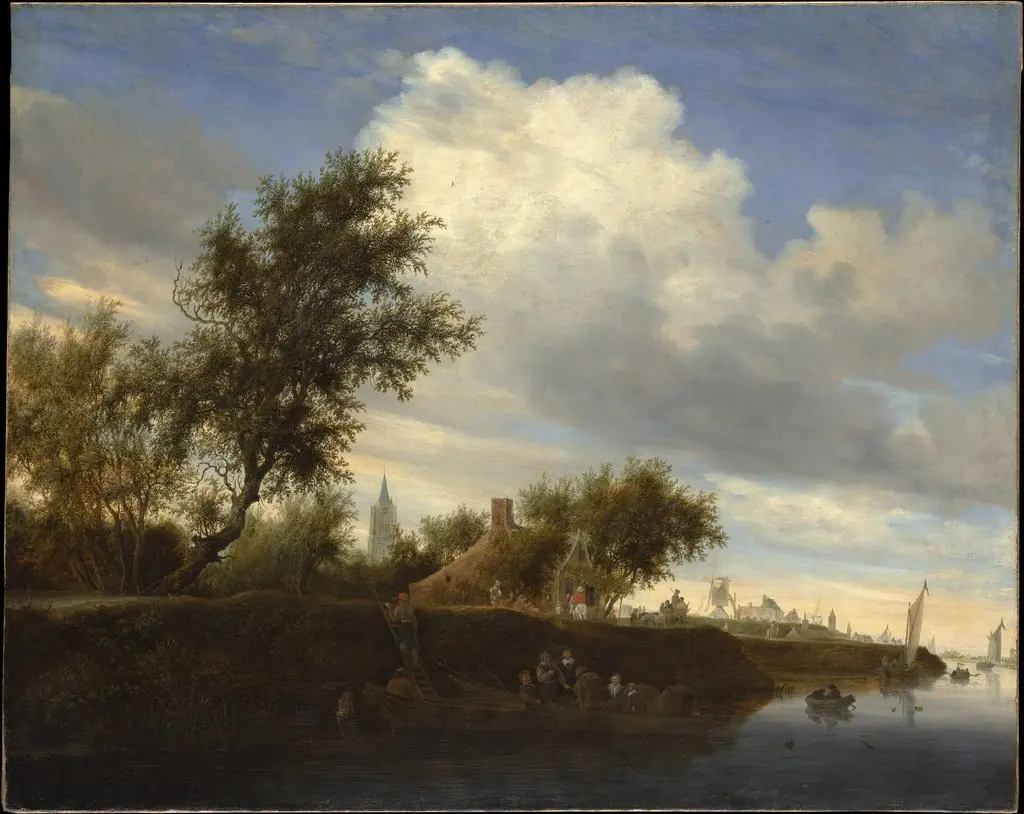
Flußlandschaft mit Uferstraße is a paint painting by the Dutch Golden Age artist Salomon van Ruysdael. It dates from 1636 and is held in the collection of the Gemäldegalerie Berlin.
About this work
Overview
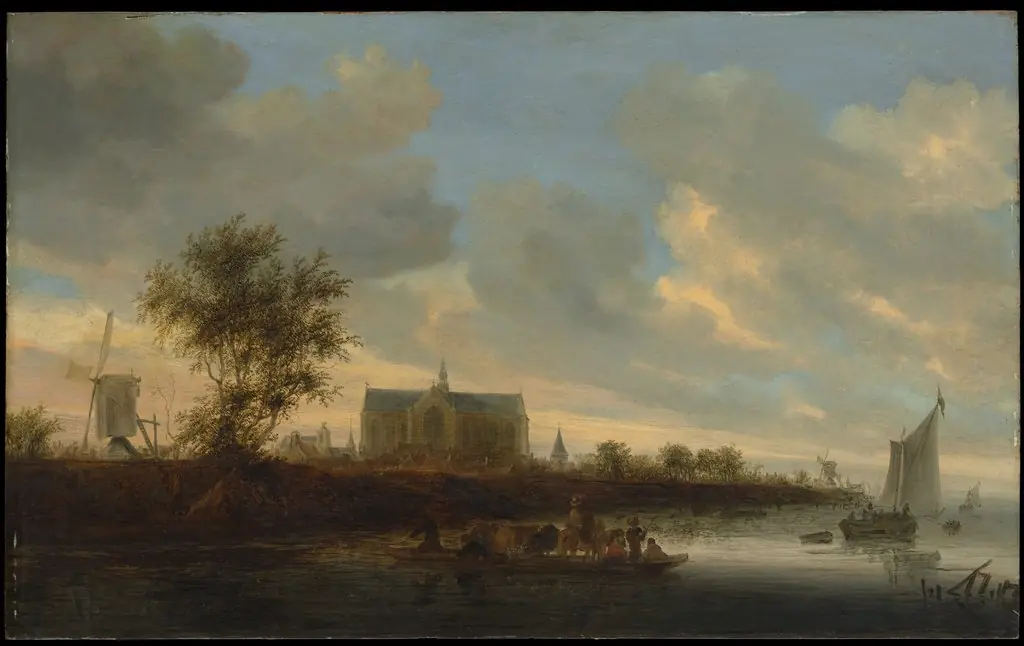
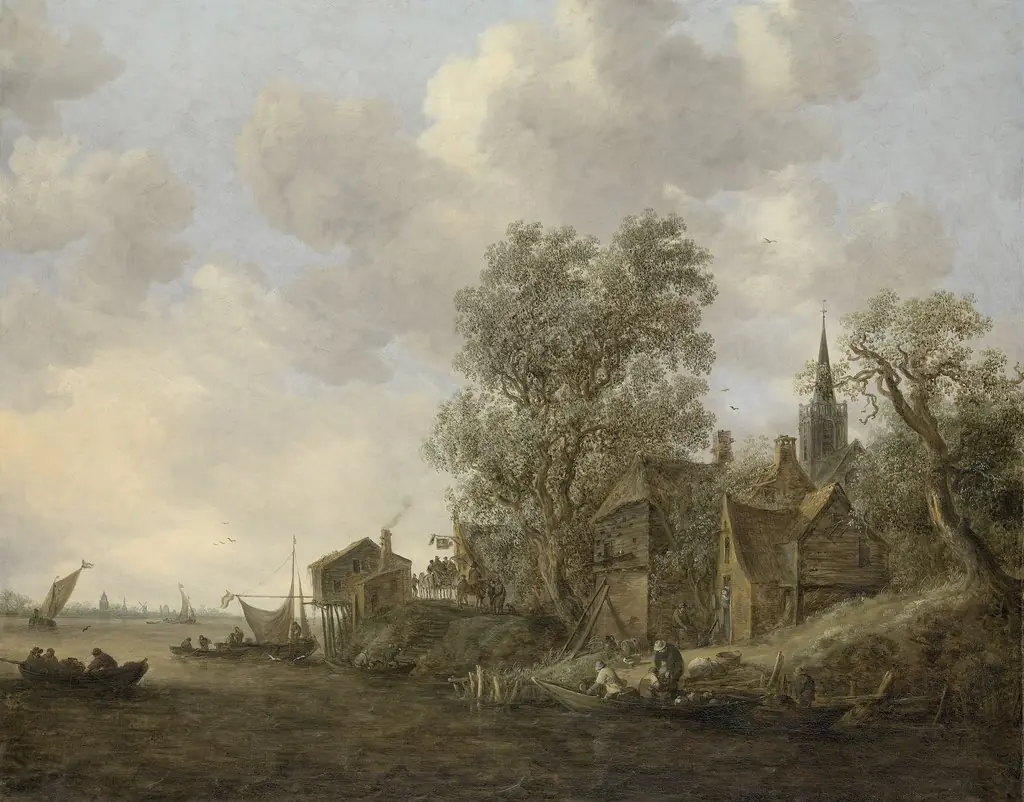
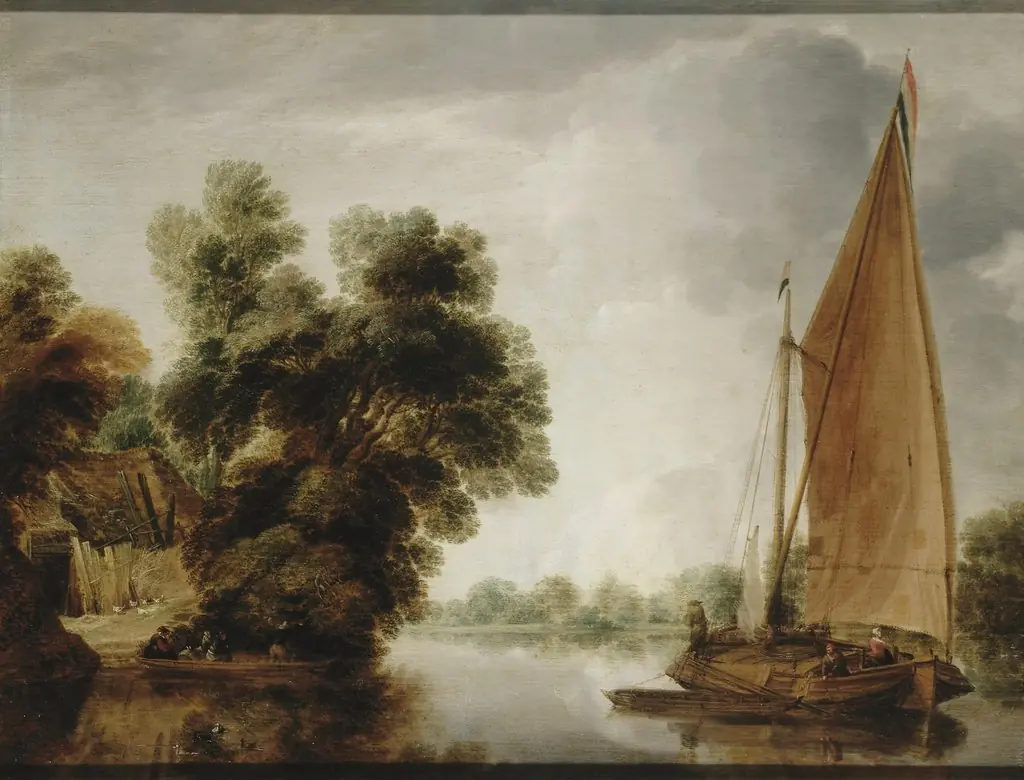
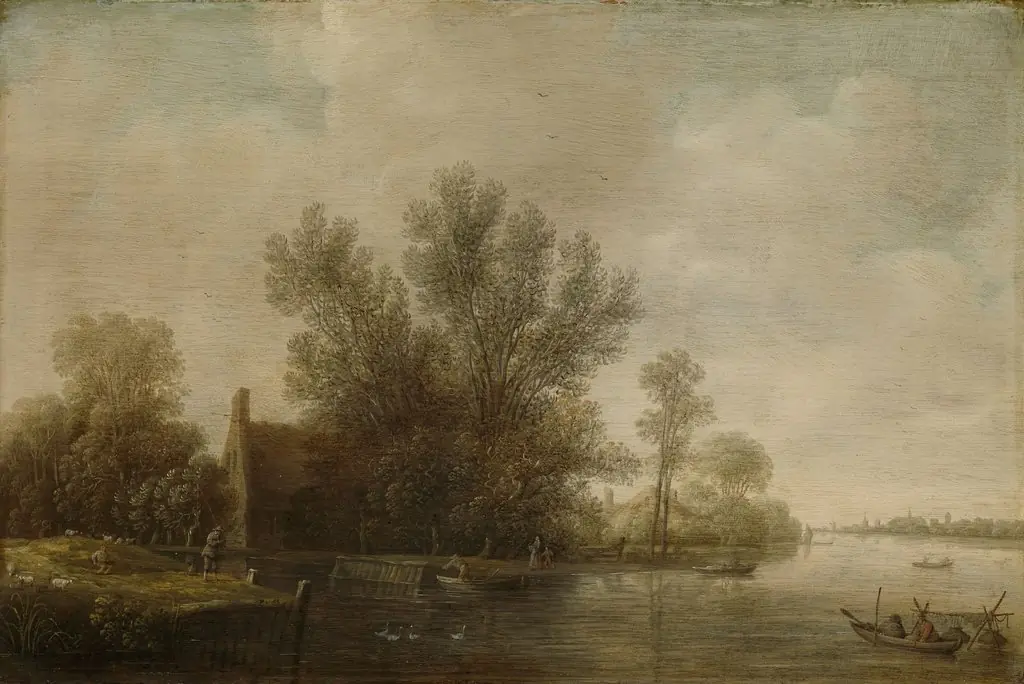
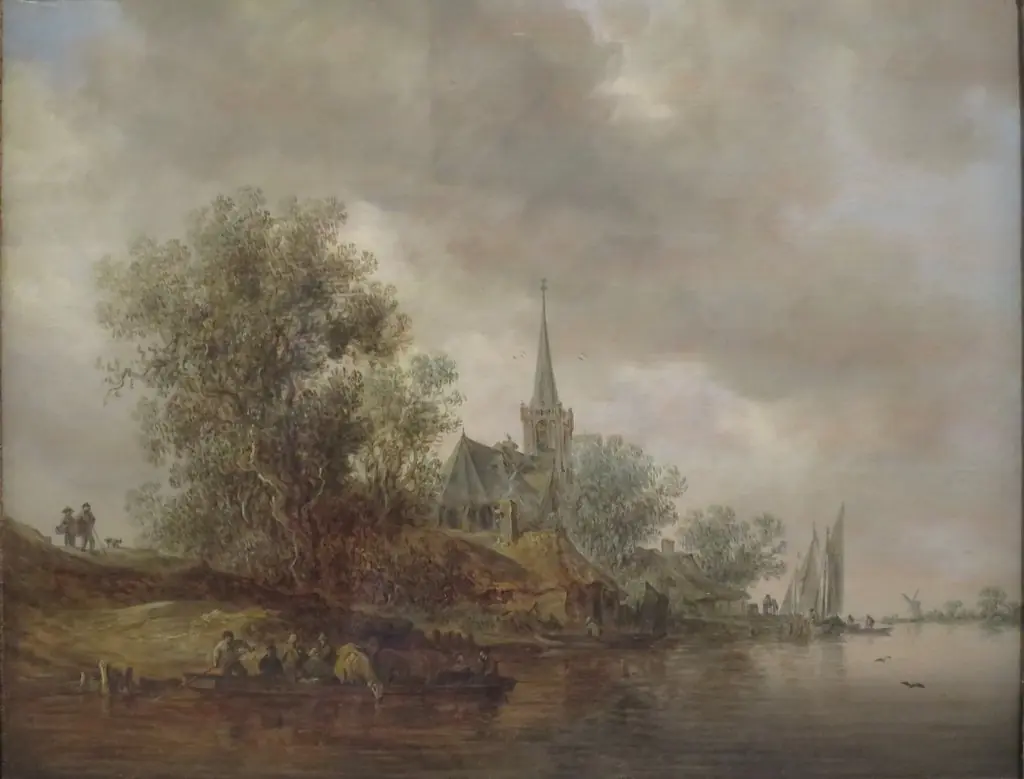
The composition centers on a winding waterway flanked by low vegetation and a distant village, with a narrow path running parallel to the shore.
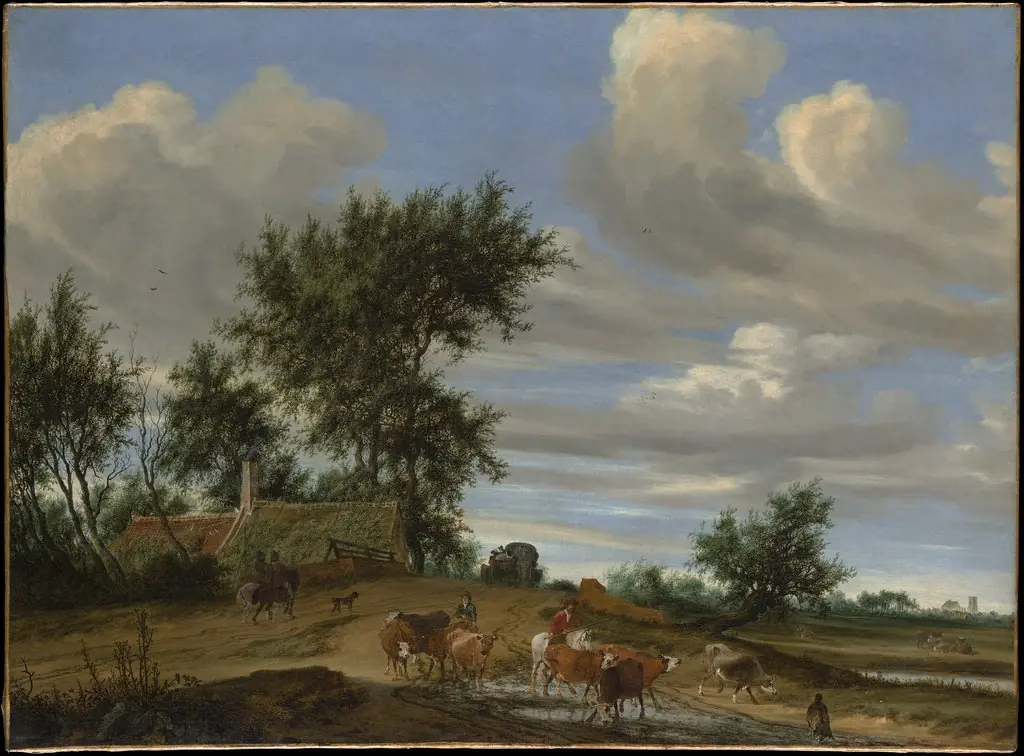
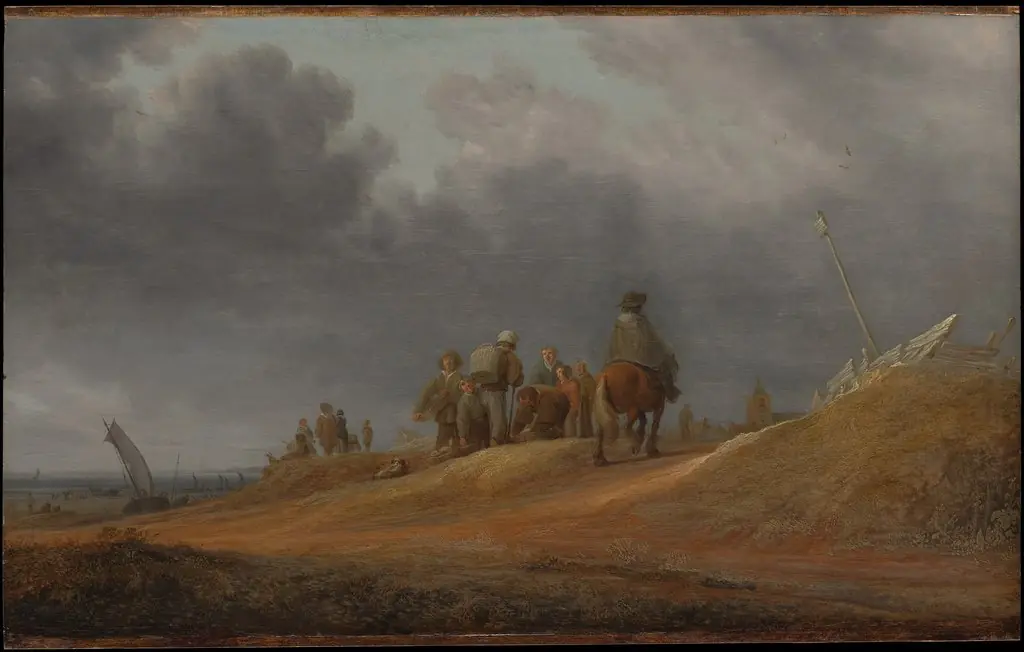
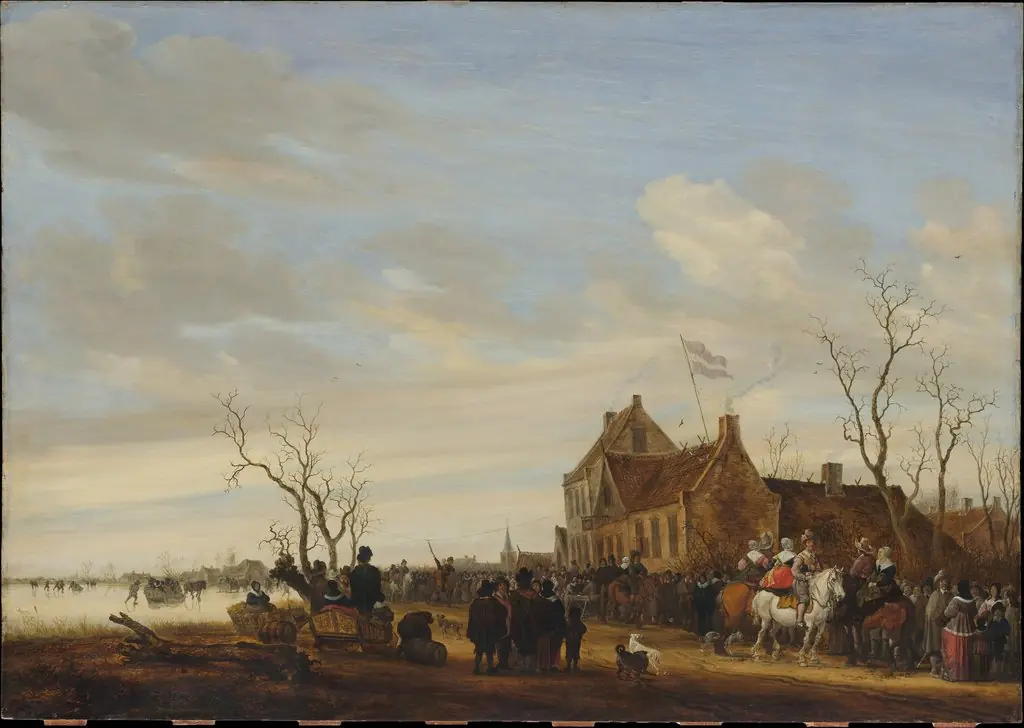
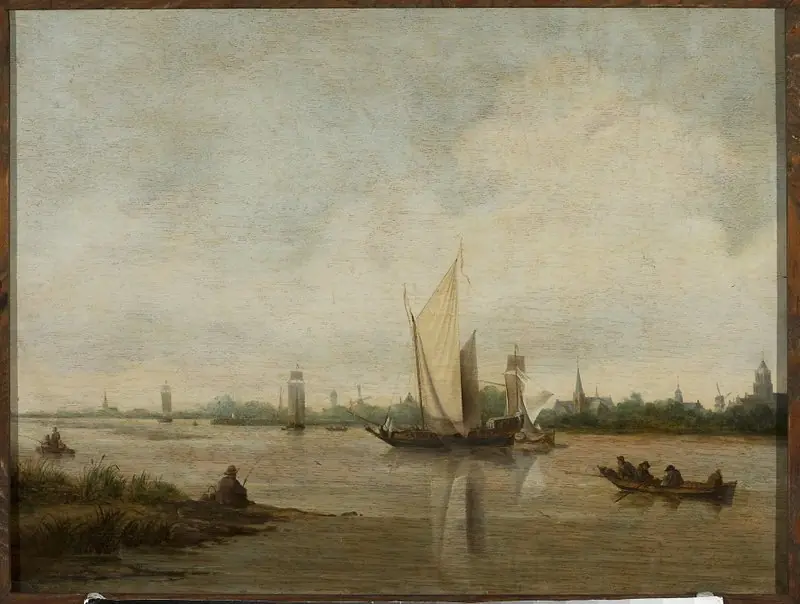
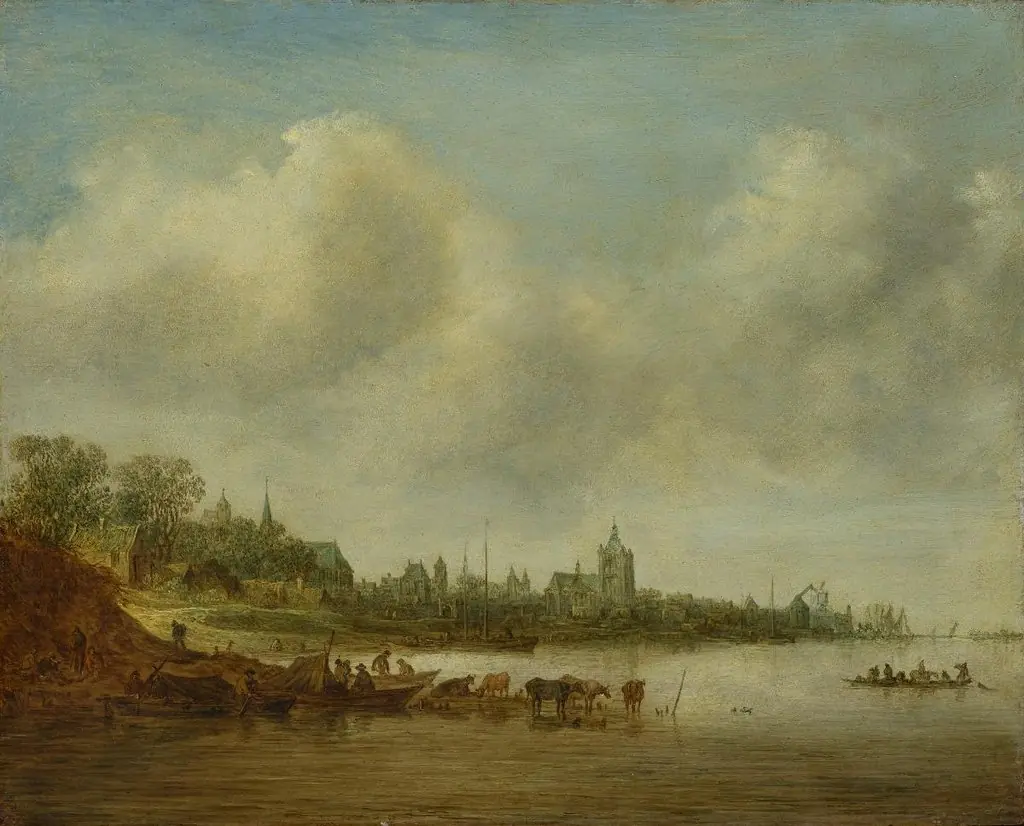
Painted in 1636 by Salomon van Ruysdael, this oil-on-panel landscape captures a quiet stretch of riverbank in the Netherlands. The composition centers on a winding waterway flanked by low vegetation and a distant village, with a narrow path running parallel to the shore. It exemplifies the Dutch Golden Age’s focus on everyday natural scenes, rendered with restrained elegance rather than dramatic flair.
Subject & Meaning
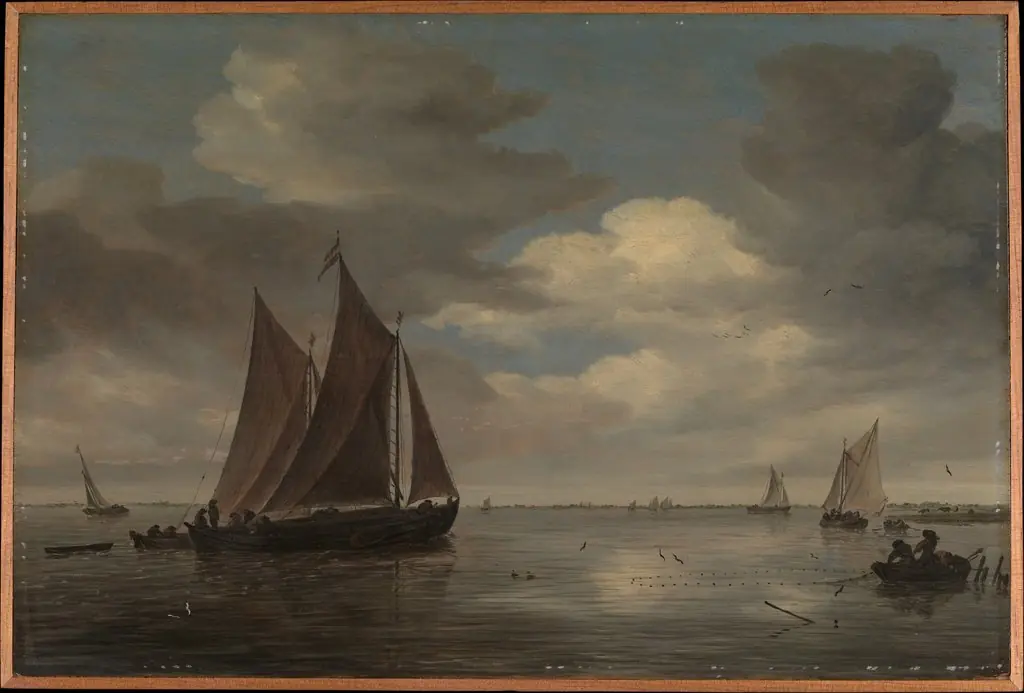
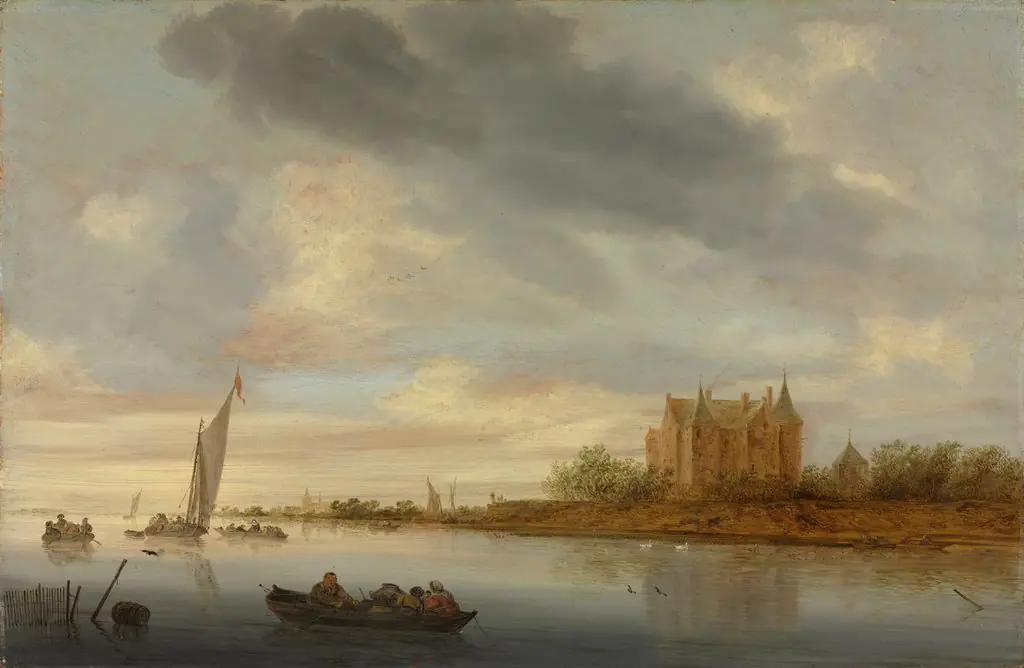
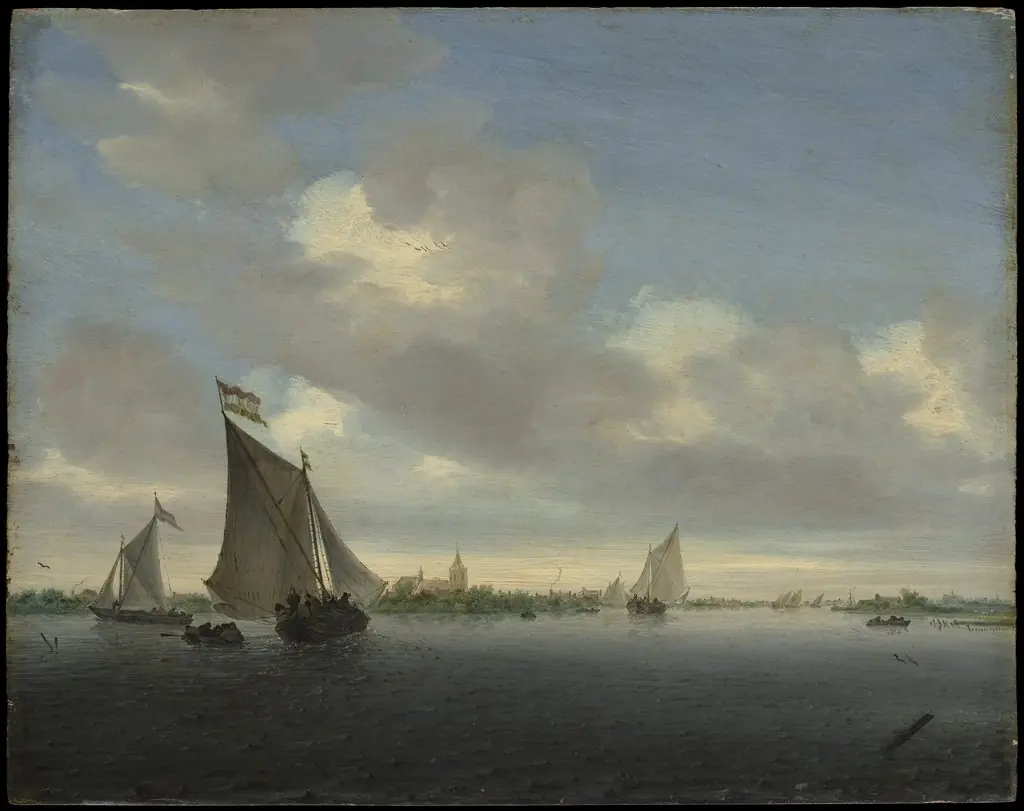
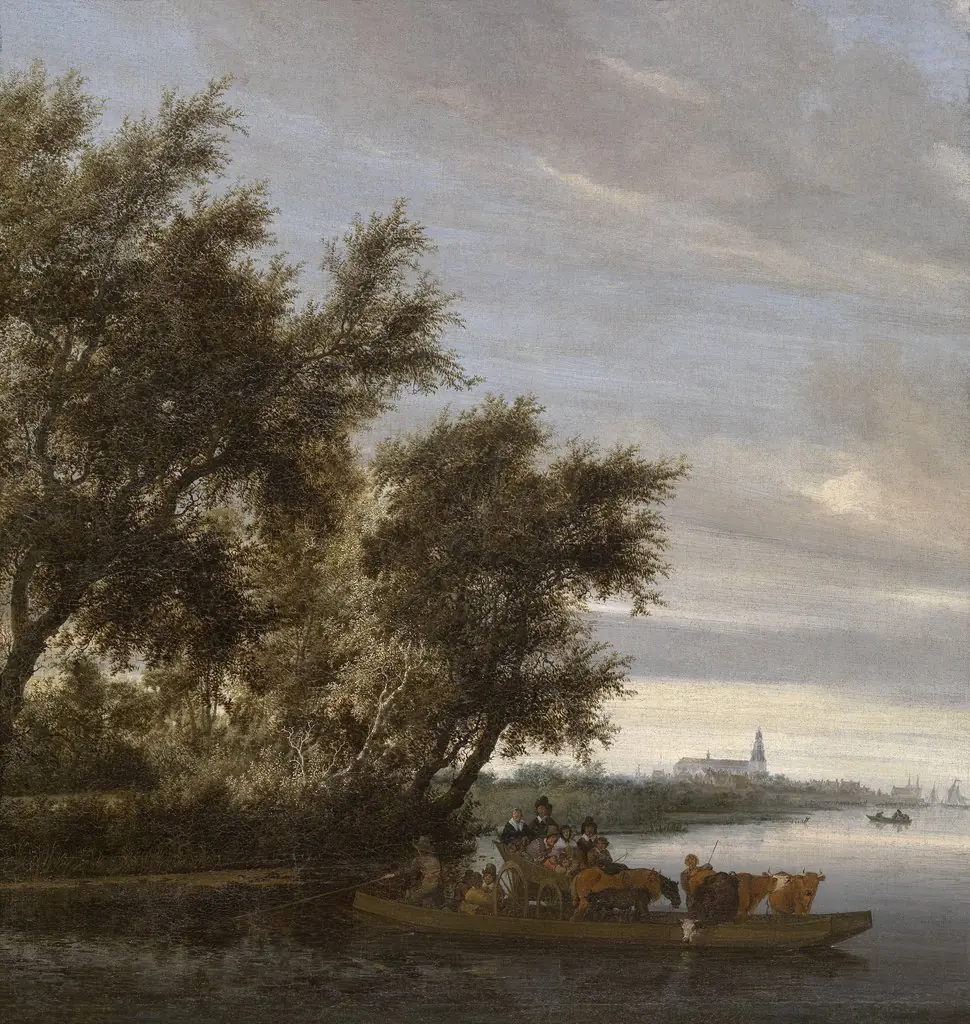
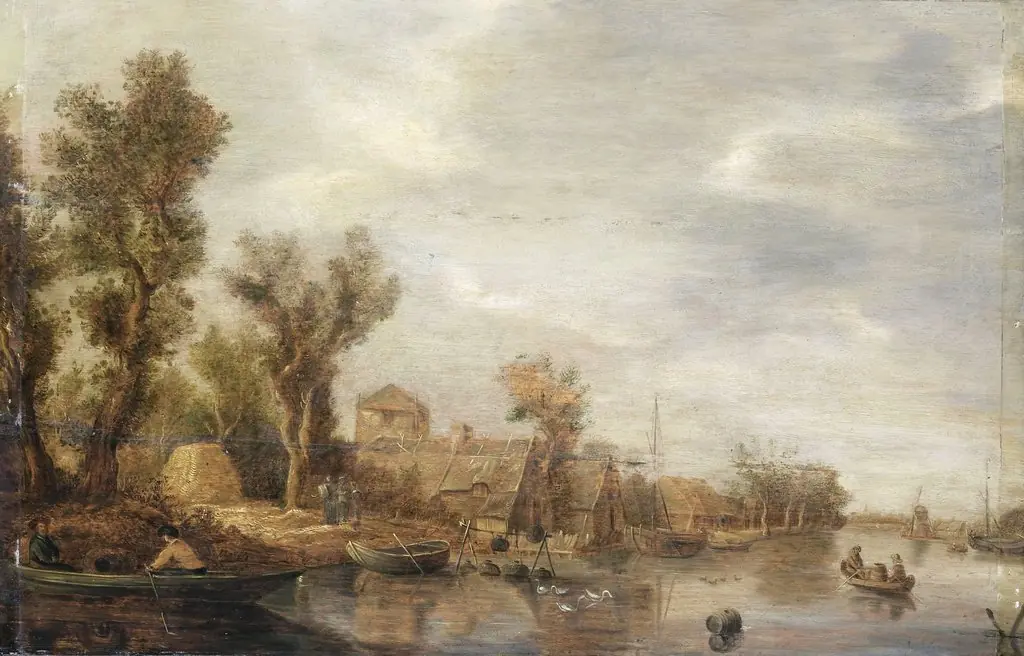
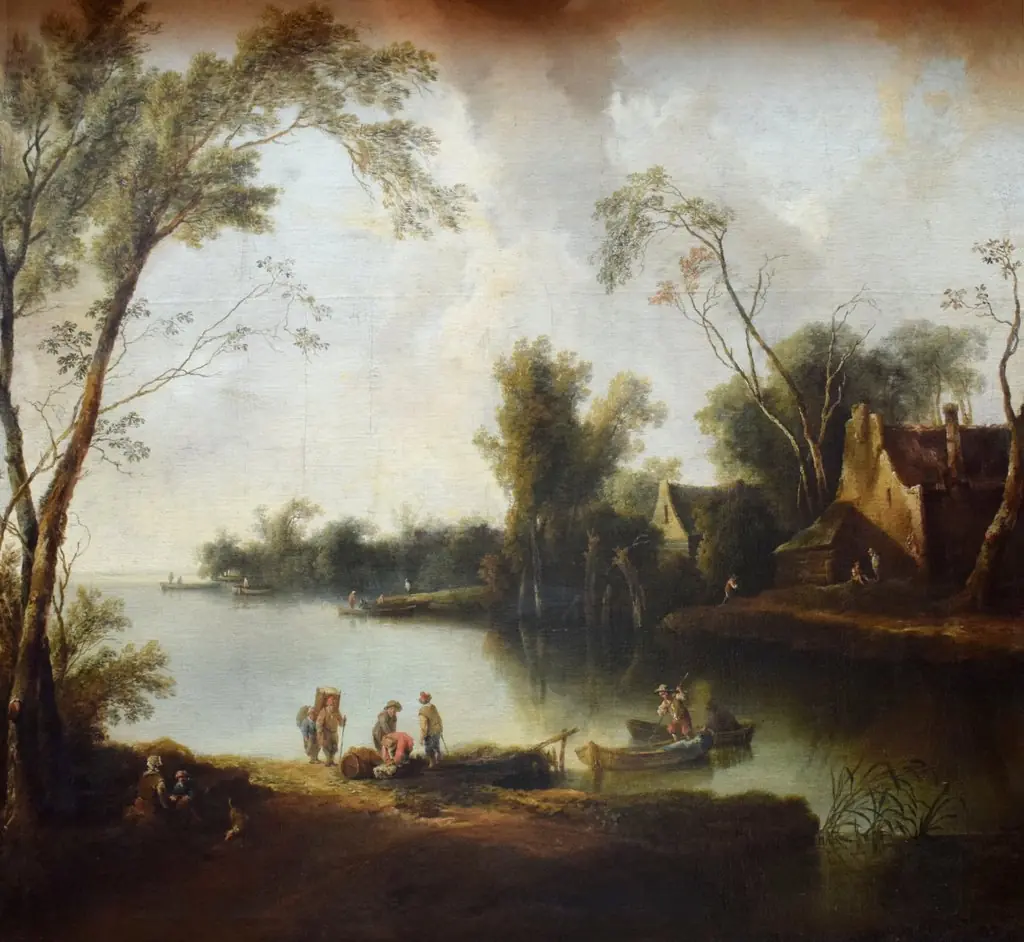
The scene portrays a modest riverside community, where human activity is subtle and integrated into the environment. A lone figure walks along the bank, while a few boats drift and a cluster of figures gather near the water. These elements suggest daily life—fishing, travel, or rest—without narrative emphasis. The painting conveys stillness not as emptiness, but as the quiet rhythm of rural existence.
Technique & Style
Van Ruysdael employed soft tonal gradations and muted hues to evoke atmospheric depth. Brushwork is precise yet unobtrusive, with delicate rendering of water reflections and foliage. Light is diffused, creating a hazy, early-morning calm. The composition is balanced horizontally, with the river acting as a visual conduit that draws the eye from foreground to distant horizon, reinforcing spatial harmony.
History & Provenance
The painting has been part of the Gemäldegalerie Berlin’s collection since the 19th century, likely acquired during the museum’s early expansion of Dutch holdings. Its attribution to Salomon van Ruysdael has remained consistent, supported by stylistic analysis and archival records. It was not widely exhibited in its early years but gained recognition as part of broader scholarly interest in lesser-known Dutch landscape artists.
Context
Created during the height of the Dutch Golden Age, the work reflects a cultural shift toward secular, observational art. Unlike Italianate grandeur, Dutch painters like van Ruysdael favored local topography and ordinary moments. This painting aligns with a growing market for landscapes among middle-class patrons who valued familiarity and quiet beauty over mythological or religious themes.
Legacy
Though less celebrated than his nephew Jacob van Ruisdael, Salomon van Ruysdael helped define the Dutch riverscape tradition. His restrained compositions and attention to light influenced later generations of landscape painters. *Flußlandschaft mit Uferstraße* remains a quiet testament to the period’s devotion to observing the natural world with patience and precision, rather than embellishment.
Artist & collection
Artist
Salomon van Ruysdael (c. 1602, Naarden – buried 3 November 1670, Haarlem) was a Dutch Golden Age landscape painter. He was the uncle of Jacob van Ruisdael.