Artwork
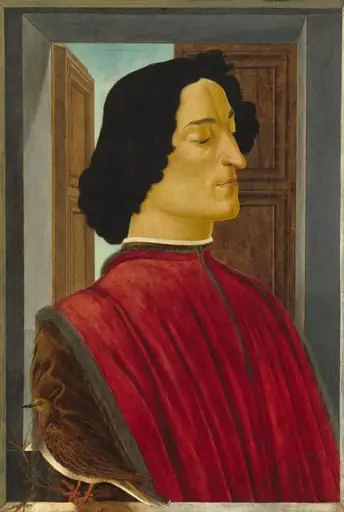
Portrait of Giuliano de' Medici
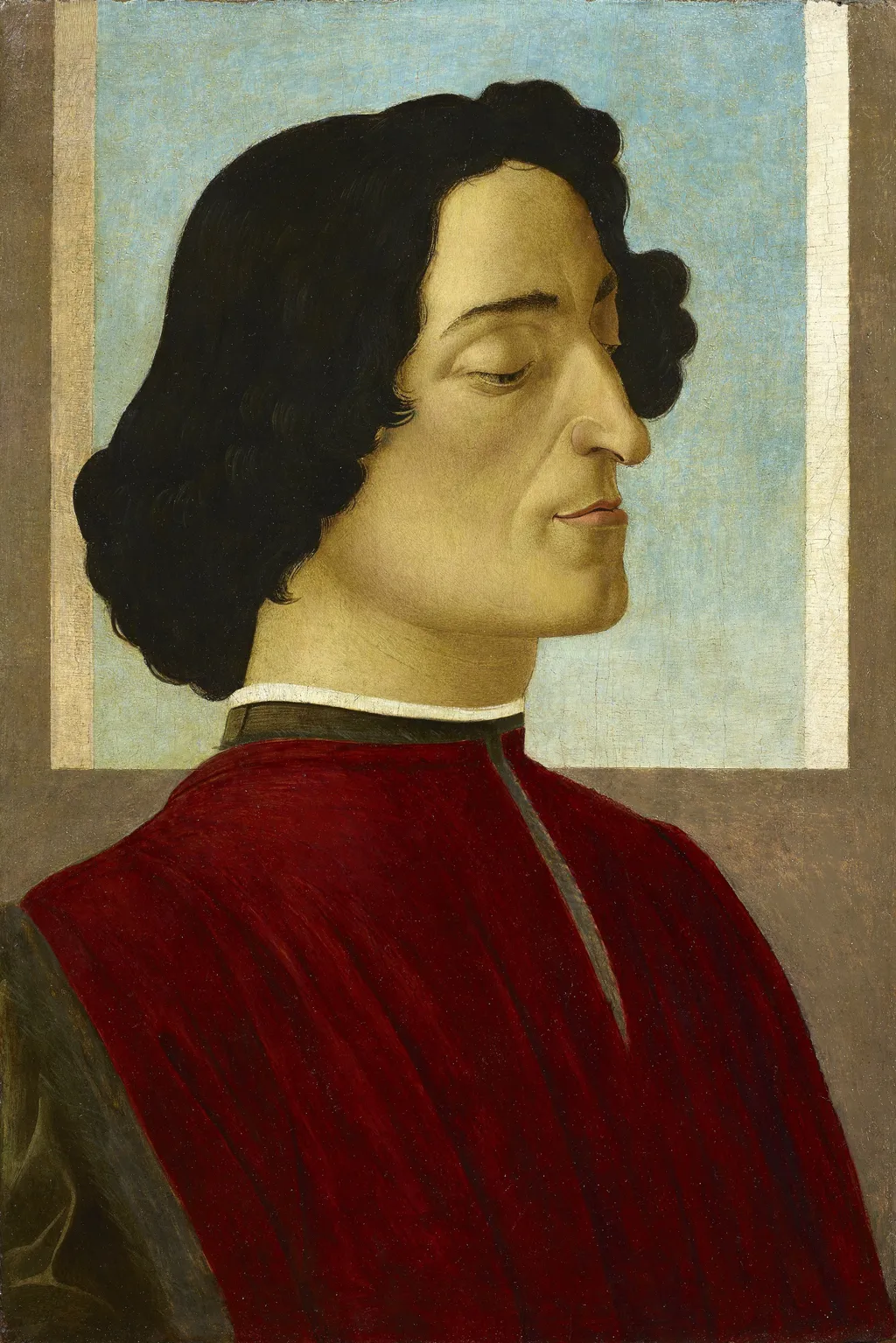
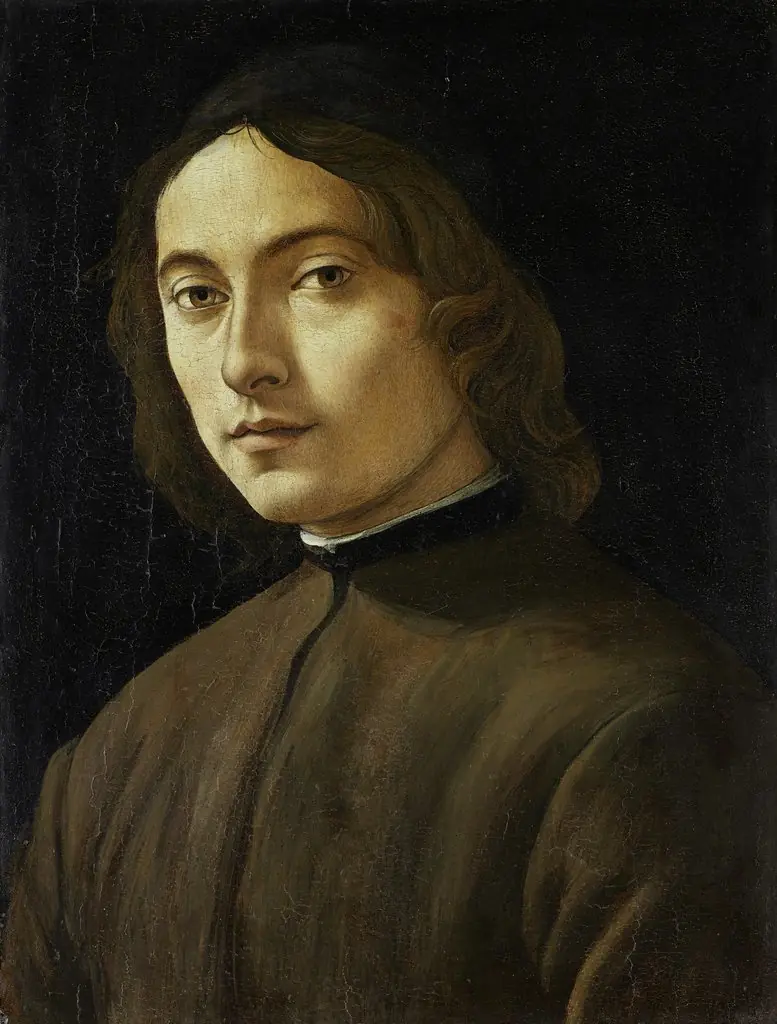
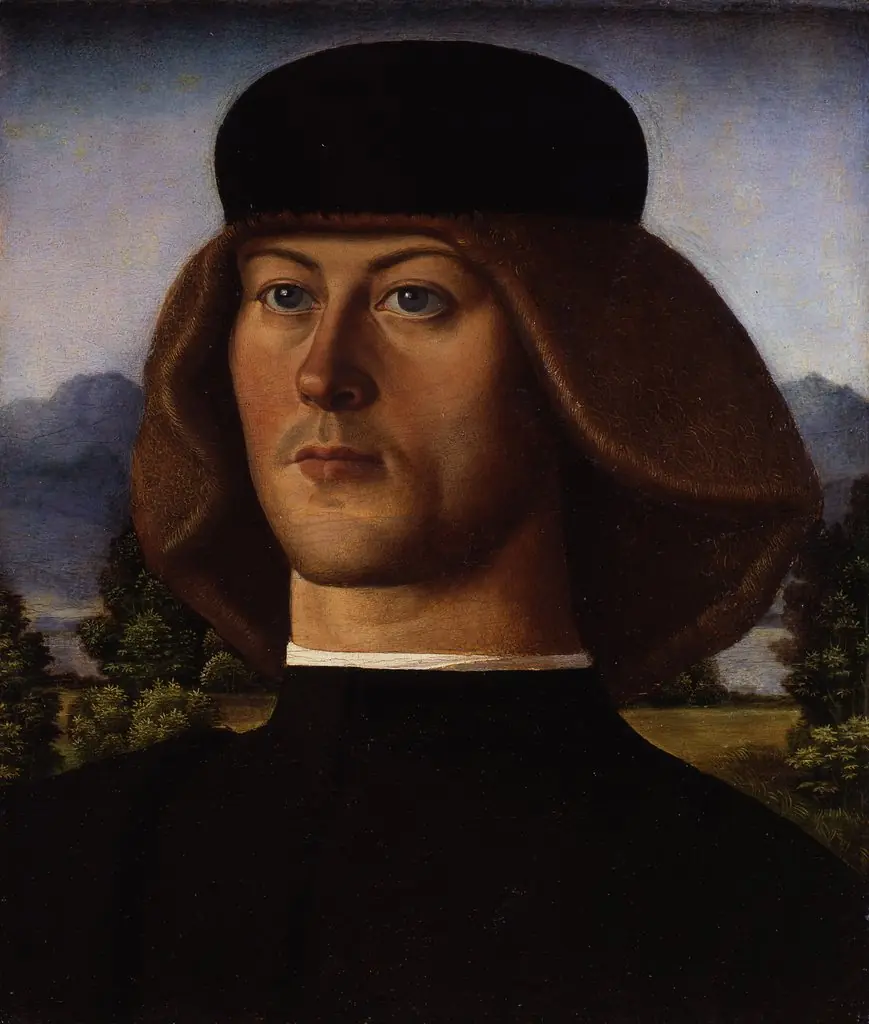
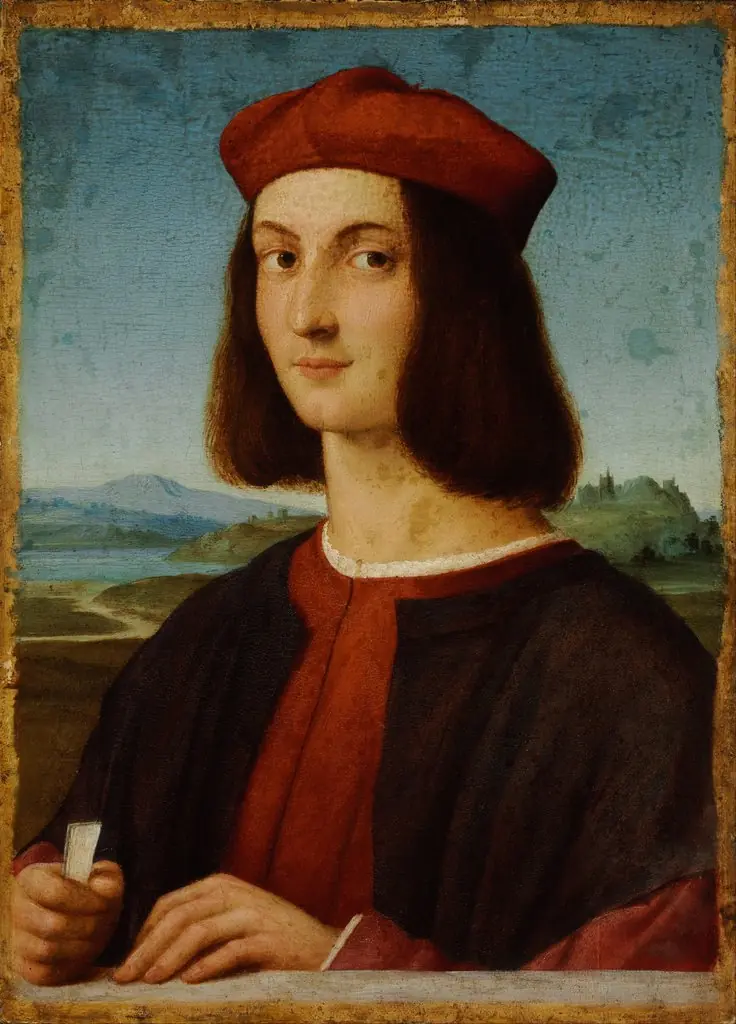
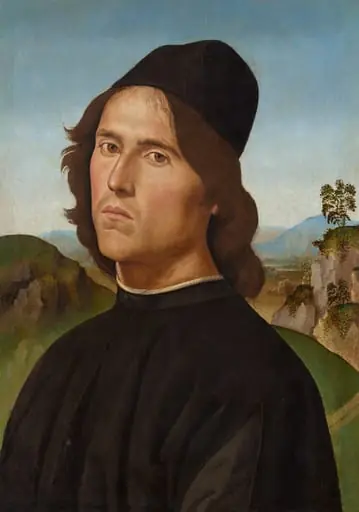
Portrait of Giuliano de' Medici is a tempera painting by the Early Renaissance artist Sandro Botticelli. It dates from 1490 and is held in the collection of the Accademia Carrara. Painted in 1490, this tempera-on-panel portrait captures Giuliano de' Medici, a member of Florence’s ruling family.
About this work
Overview
Painted in 1490, this tempera-on-panel portrait captures Giuliano de' Medici, a member of Florence’s ruling family. The work is attributed to Sandro Botticelli and reflects the refined aesthetic of late 15th-century Florentine portraiture. It is currently held in the Accademia Carrara in Bergamo, Italy, where it remains a quiet example of Renaissance individualism in visual form.
Subject & Meaning
The neutral gaze directed to the right implies contemplation, aligning with humanist ideals of inner reflection.
Giuliano de' Medici, portrayed in his late twenties, is depicted with composure and restraint. His dark, wavy hair and modest attire suggest dignity rather than ostentation. The neutral gaze directed to the right implies contemplation, aligning with humanist ideals of inner reflection. The inclusion of a window and architectural frame subtly situates him within a domestic sphere, reinforcing his status as a private individual of public significance.
Technique & Style
Botticelli employed tempera, a medium known for its fine detail and luminous finish, to render the textures of fabric and skin with precision. The red cloak and green tunic are layered with subtle tonal shifts, creating volume without heavy modeling. The background, divided between light blue and brown planes, provides spatial depth while maintaining a flat, decorative quality characteristic of early Renaissance portraiture.
History & Provenance
The portrait likely originated in Florence during the Medici family’s cultural ascendancy. It passed through private collections before entering the Accademia Carrara’s holdings in the 19th century. Its survival without major alterations suggests it was valued as a personal likeness rather than a public monument, preserving its intimate character across centuries.
Context
Created after Giuliano’s assassination in 1478 and during the political instability following Lorenzo de' Medici’s death, the portrait may have served as a memorial or familial tribute. Its restrained composition contrasts with the more elaborate court imagery of the time, reflecting a shift toward personal, introspective representation in Florentine art during the late 1480s.
Legacy
Though less celebrated than Botticelli’s mythological works, this portrait exemplifies his skill in conveying psychological presence through minimal means. It contributes to the understanding of how Renaissance artists balanced idealized form with individual identity, influencing later generations in the development of secular portraiture in Italy.
Artist & collection

Artist
Sandro Botticelli was a Florentine painter who loved the drama of stories—myths, saints, and ancient tales.