Artwork
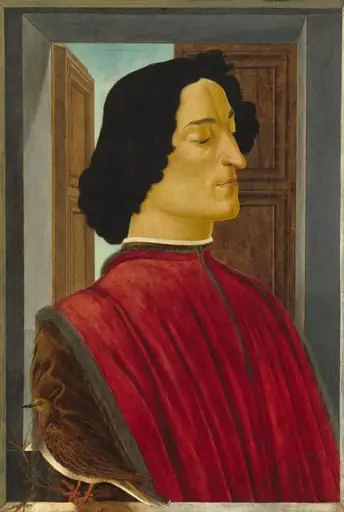
Portrait of Giuliano de' Medici
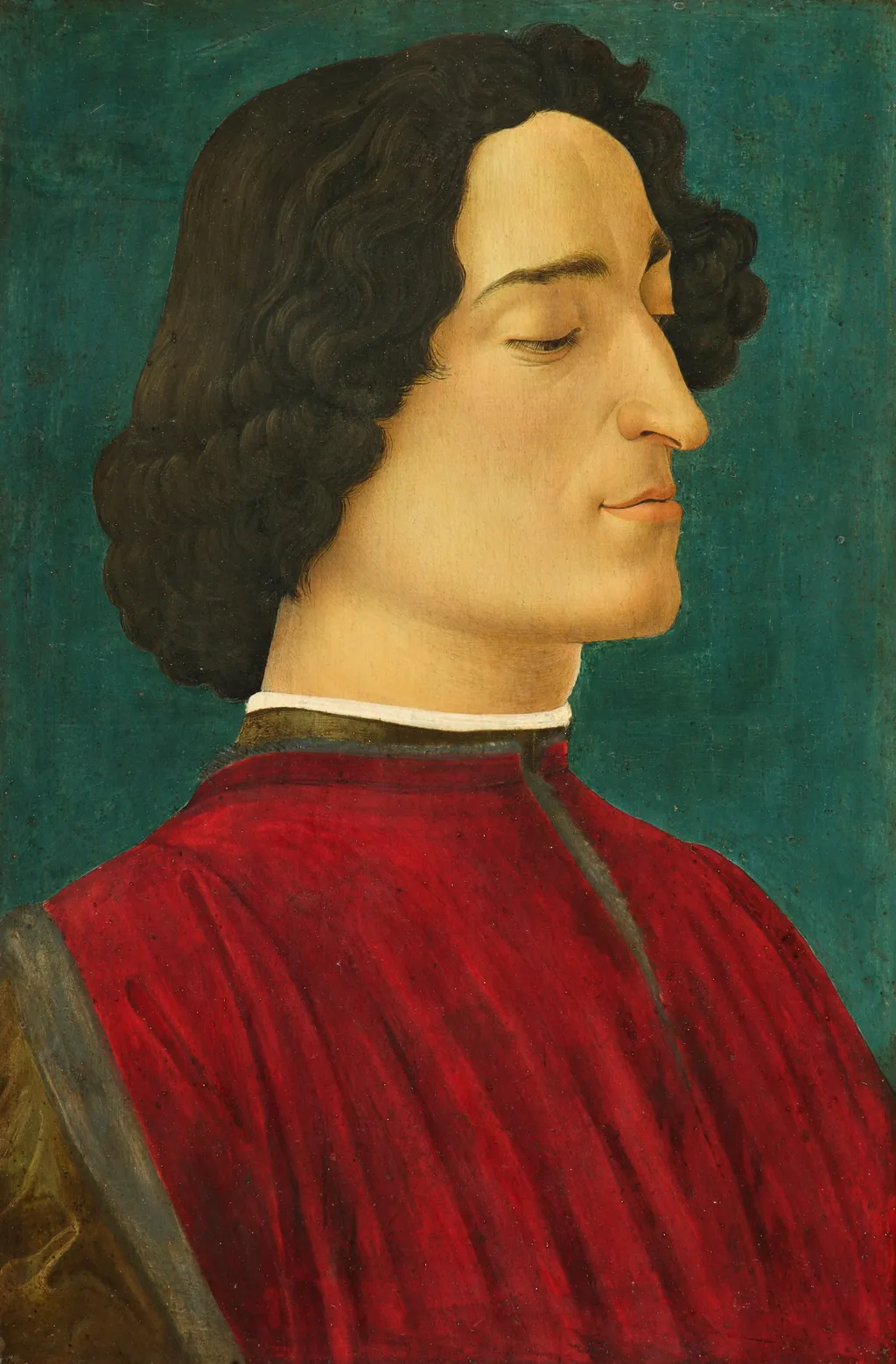
Portrait of Giuliano de' Medici is a tempera painting by the Early Renaissance artist Sandro Botticelli. It dates from 1490 and is held in the collection of the Gemäldegalerie Berlin.
About this work
Overview
The Portrait of Giuliano de' Medici is a tempera painting by Sandro Botticelli, created shortly before the subject's assassination in 1478. It is housed in the Gemäldegalerie, Berlin, as part of the Berlin State Museums collection.
Subject & Meaning
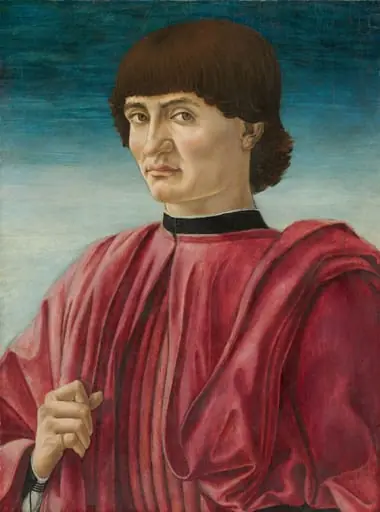
The portrait depicts Giuliano de' Medici (1453–1478), younger brother of Lorenzo il Magnifico, at the age of 25. His calm demeanor and attire, including a bright red robe, convey a sense of serenity and nobility, contrasting with the violent circumstances of his death in the Pazzi conspiracy within Florence Cathedral.
Technique & Style
Executed in tempera, the painting showcases Botticelli's use of smooth, soft strokes to achieve a near three-dimensional quality in the subject's skin. The bold, red robe is set against a subdued, flat greenish-blue background, creating a striking visual contrast.
History & Provenance
Believed to be the earliest of multiple versions by Botticelli, this portrait is part of the Gemäldegalerie's collection. Other versions exist in the Accademia Carrara, Bergamo, and the National Gallery of Art, Washington D.C.
Context
Painted on the cusp of Giuliano's assassination, the work reflects the tumultuous political climate of 15th-century Florence, where the Medici and Pazzi families were embroiled in a bitter rivalry.
Legacy
As one of the earliest portraits of Giuliano by Botticelli, it contributes significantly to the artist's oeuvre and the historical record of the Medici family, offering insights into Renaissance portraiture and the era's aristocratic culture.
Own this work as a print
Artist & collection

Artist
Sandro Botticelli was a Florentine painter who loved the drama of stories—myths, saints, and ancient tales.