Artwork
Devastated Landscape [verso]
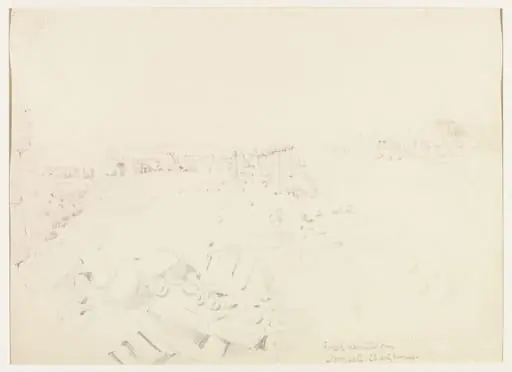
![Devastated Landscape [verso], by John Singer Sargent, graphite, 1918](https://artifactworldgallery.com/img/john-singer-sargent--devastated-landscape-verso--bcb0186271aa8160-w1024.webp)
Devastated Landscape [verso] is a graphite drawing by John Singer Sargent. It dates from 1918 and is held in the collection of the National Gallery of Art.
About this work
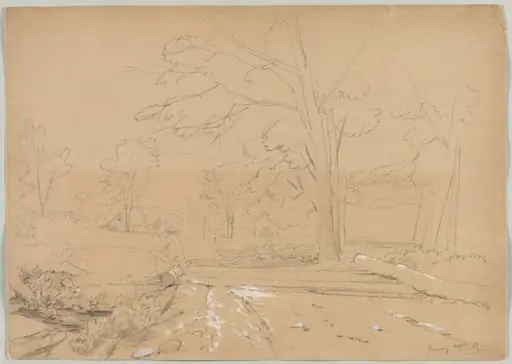
This drawing shows a quiet, fading landscape. The artist used graphite to sketch hills and trees with soft lines. Shadows blend gently, giving it a quiet mood.
Sargent made this work in 1918, late in his life. He often drew landscapes quickly, capturing just enough to suggest space. This one feels personal—not grand, but thoughtful.
It’s kept at the National Gallery of Art, Washington.
Overview
Created in 1918, this graphite drawing on wove paper is one of John Singer Sargent’s later works. Executed with quiet precision, it captures a subdued rural scene without dramatic emphasis. The medium and scale suggest a private, observational moment rather than a formal commission. It resides in the National Gallery of Art, Washington, as part of a broader collection of his graphic works.
Subject & Meaning
The absence of focal points and the muted tonality imply contemplation, perhaps reflecting Sargent’s introspective state in his final years.
The drawing presents a quiet, receding landscape—gently rolling hills, sparse trees, and soft atmospheric shifts. No human figures or architectural elements interrupt the stillness. The absence of focal points and the muted tonality imply contemplation, perhaps reflecting Sargent’s introspective state in his final years. It conveys a sense of transience, not through destruction, but through quiet dissolution.
Technique & Style
Sargent employed loose, fluid graphite strokes to suggest form rather than define it. Shadows are blended with minimal smudging, creating a hazy depth without hard edges. The lines are economical, avoiding detail in favor of implied structure. This approach aligns with his习惯 of rapid, intuitive sketching, where perception is distilled into essential gestures.
History & Provenance
The drawing was produced during Sargent’s later years, when he increasingly turned to landscape studies away from portraiture. It entered the National Gallery of Art’s collection through the A.W. Mellon Educational and Charitable Trust, alongside other works from his estate. Its verso status suggests it may have been a study or a sketch on the back of another sheet, underscoring its informal nature.
Context
In 1918, Sargent was deeply affected by the devastation of World War I, though this work avoids direct reference to conflict. Instead, it echoes the quiet erosion of the natural world, a theme present in his other late drawings. His focus shifted from public commissions to personal observation, often made during travels in the English countryside or the Alps.
Legacy
This drawing exemplifies Sargent’s ability to convey emotional resonance through restraint. Though not widely exhibited, it contributes to understanding his evolution as a draftsman beyond portraiture. Its understated presence in the National Gallery of Art invites quiet reflection, affirming the value of his lesser-known graphic works in the broader arc of his career.
Artist & collection
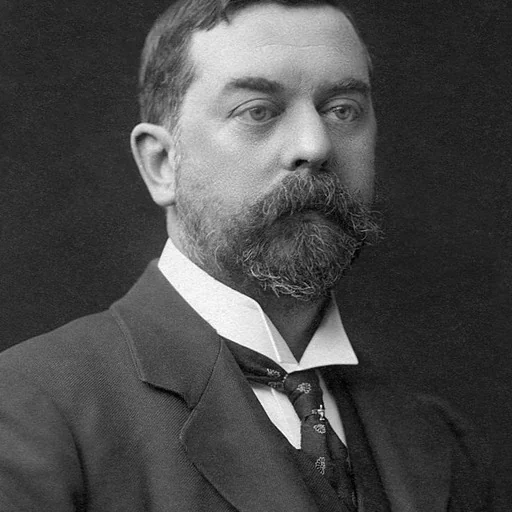
Artist
John Singer Sargent (; January 12, 1856 – April 15, 1925) was an American expatriate artist, considered the "leading portrait painter of his generation" for his evocations of Belle Époque and Edwardian-era luxury.

![Motorcycle [recto], by John Singer Sargent](https://artifactworldgallery.com/img/john-singer-sargent--motorcycle-recto--1fbdc0a657c531db-w320.webp)