Artwork
Studies of Cattle
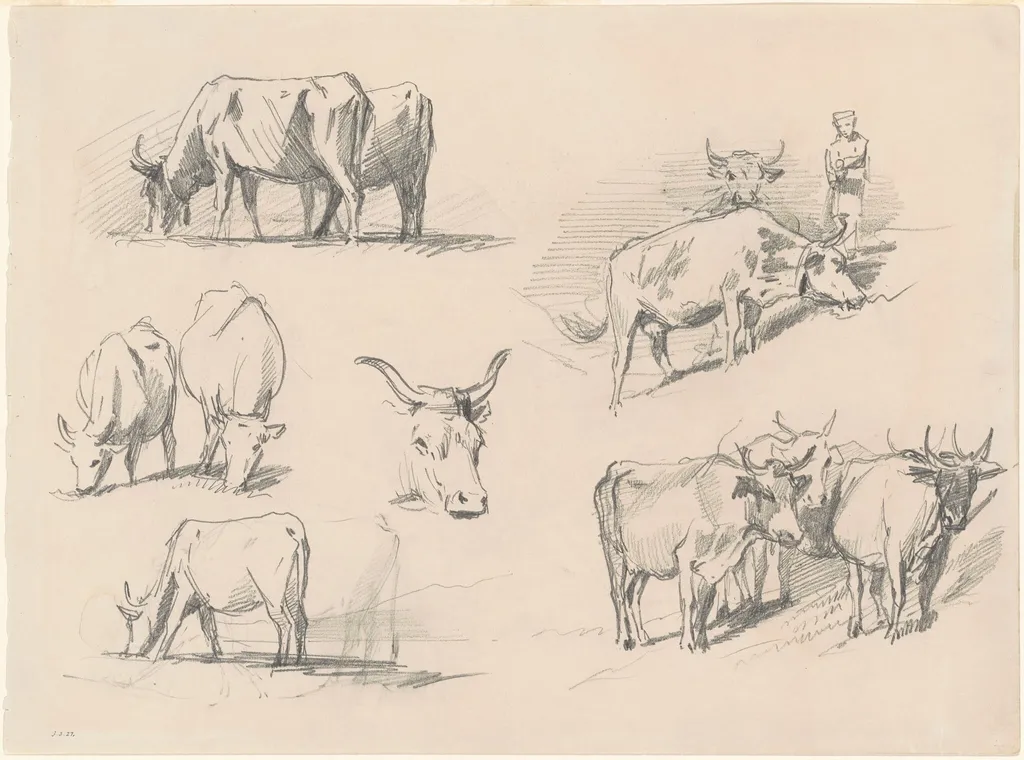
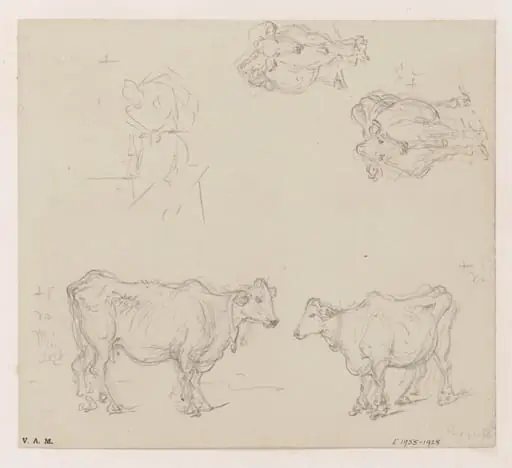
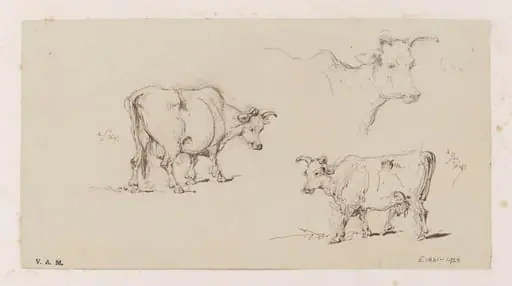
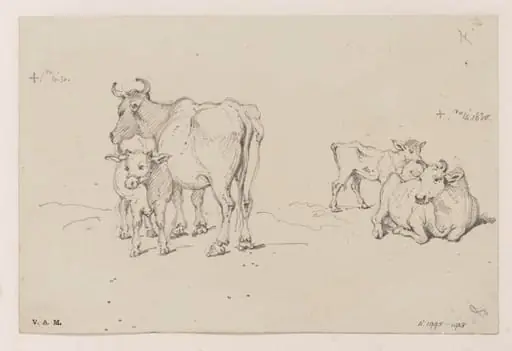
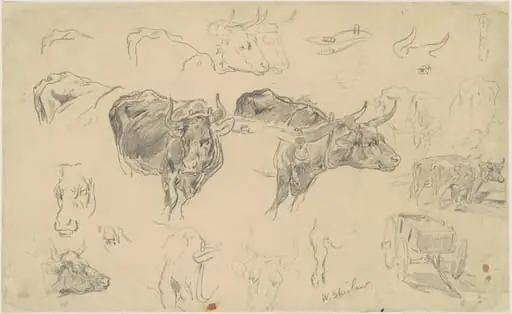
Studies of Cattle is a graphite drawing by the Impressionist artist John Singer Sargent. It dates from 1872 and is held in the collection of the National Gallery of Art. Created around 1872, this drawing consists of a group of slender cattle rendered in graphite on wove paper.
About this work
Overview
Created around 1872, this drawing consists of a group of slender cattle rendered in graphite on wove paper. The figures are positioned in a field, captured in a moment of motion as their legs appear slightly bent, suggesting a step in progress. The work belongs to a series of animal studies produced by the artist during his early career.
Subject & Meaning
The composition focuses on domestic cattle, presenting them with a straightforward naturalism that highlights their physical form rather than symbolic content. By depicting the animals in an ordinary pastoral setting, the artist emphasizes observation of everyday life and the inherent character of the beasts themselves.
Technique & Style
Executed with graphite, the drawing relies on swift, fluid lines that convey both structure and movement. Visible reworking and erasures reveal an iterative process, while the lightness of the medium allows subtle gradations of tone, giving the figures a sense of three‑dimensional presence despite the sketchy approach.
History & Provenance
The piece is part of the artist’s early explorations of animal subjects, created before his later portraiture fame. It is currently held by the National Gallery of Art in Washington, where it is displayed alongside other animal studies from the same period, illustrating the breadth of his preparatory work.
Artist & collection

Artist
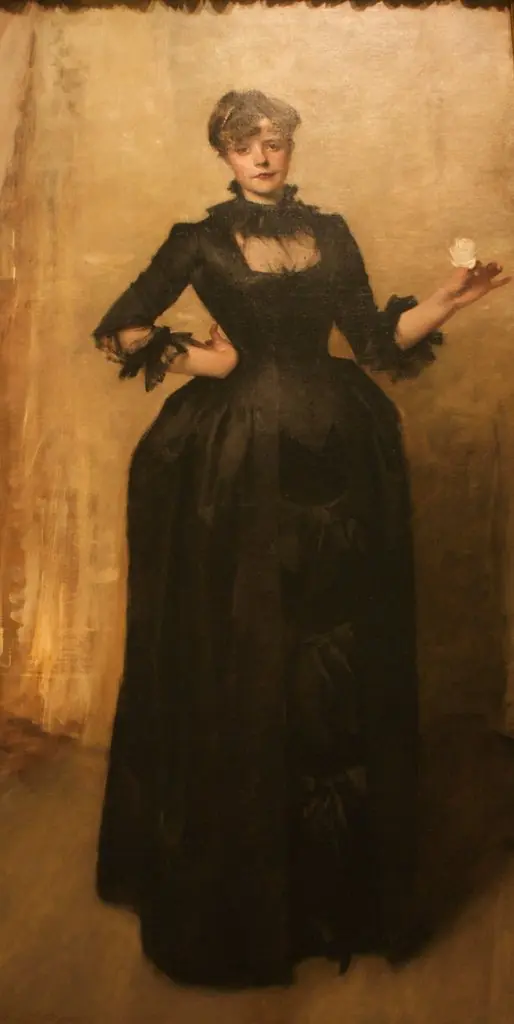
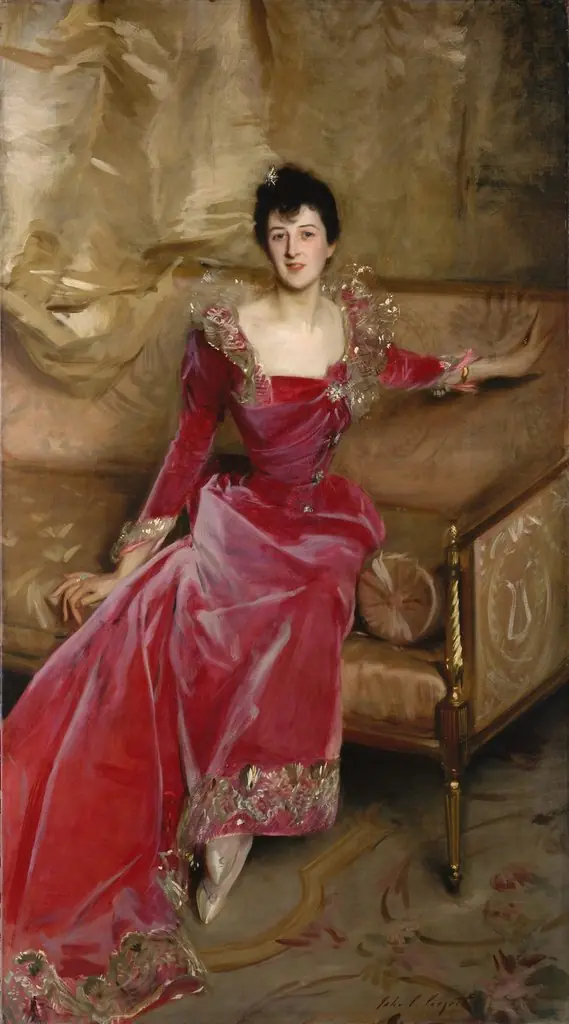
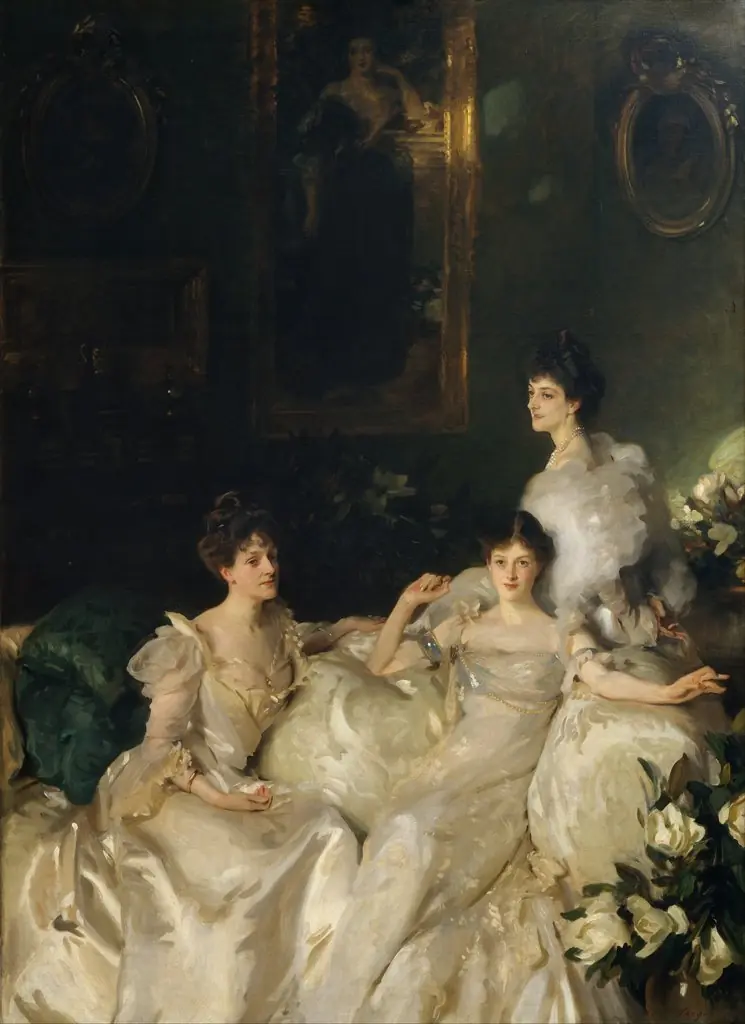
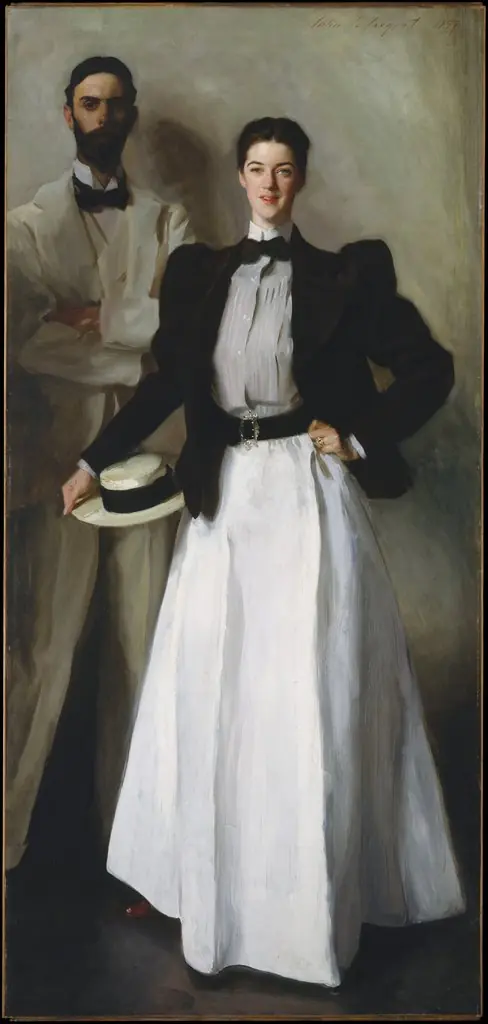
John Singer Sargent (; January 12, 1856 – April 15, 1925) was an American expatriate artist, considered the "leading portrait painter of his generation" for his evocations of Belle Époque and Edwardian-era luxury.

![Studies of Peasants with Wheelbarrows [verso], by John Singer Sargent](https://artifactworldgallery.com/img/john-singer-sargent--studies-of-peasants-with-wheelbarrows-verso--e2fa4fe25f355cd8-w320.webp)