Artwork
Study for "Triumph of Religion"
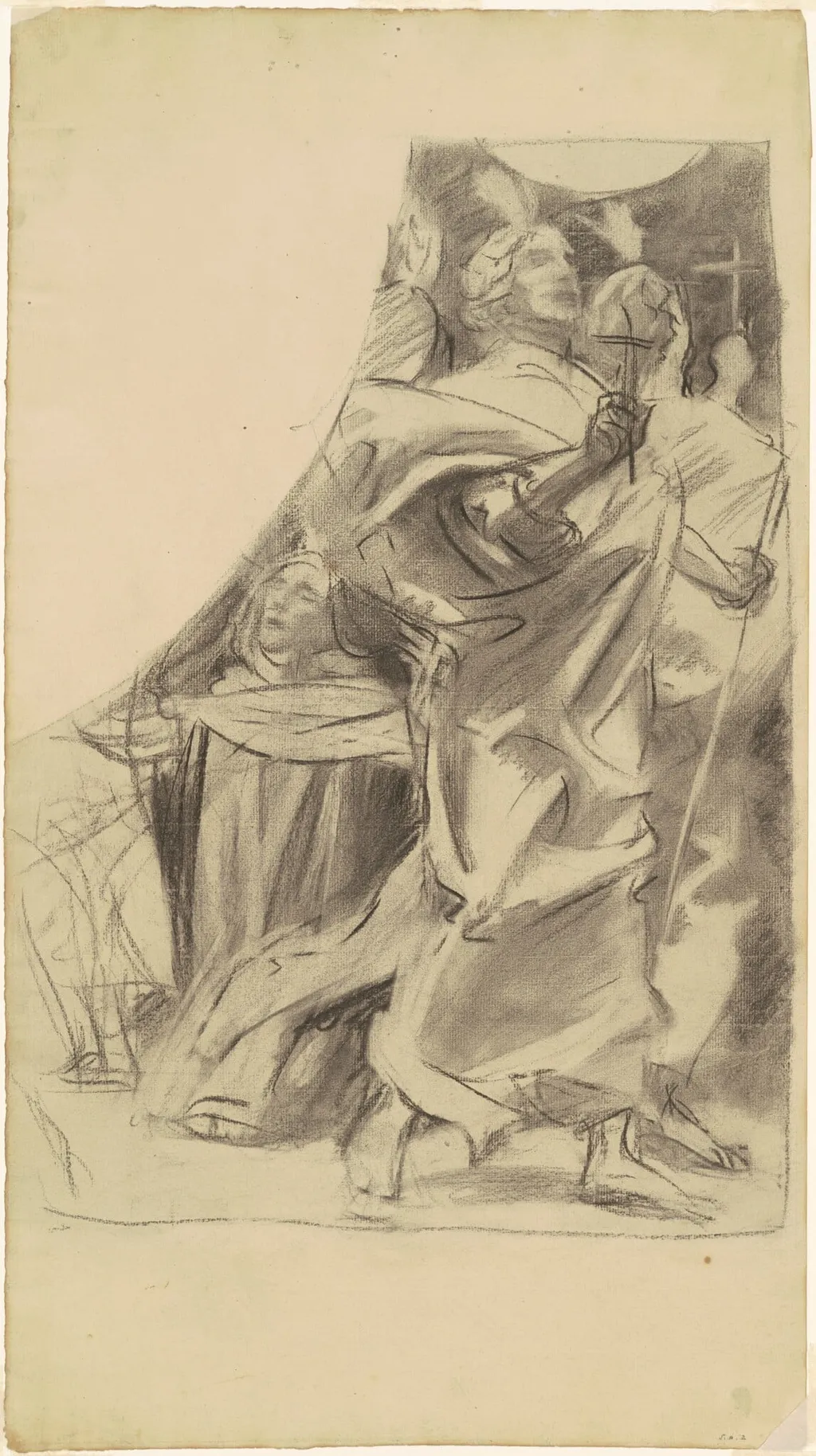
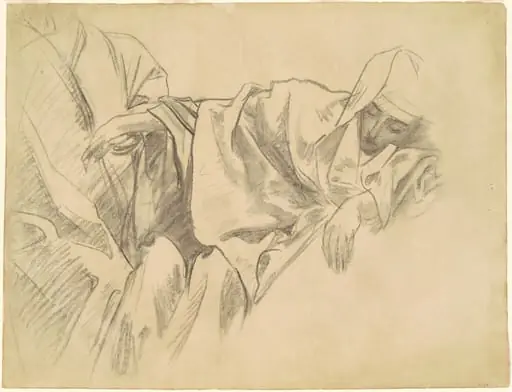
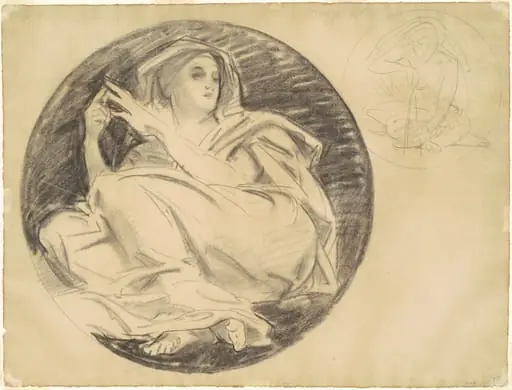
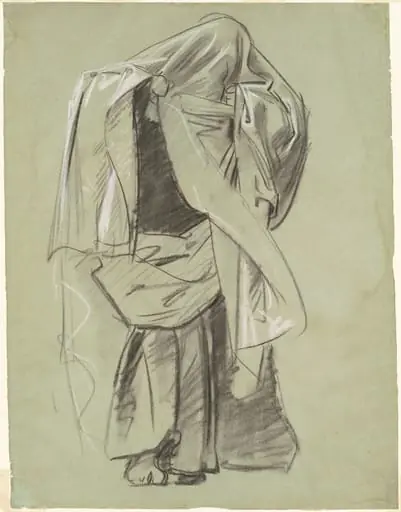
Study for "Triumph of Religion" is a charcoal drawing by John Singer Sargent. It dates from 1910 and is held in the collection of the National Gallery of Art.
About this work
Overview
' Executed on laid paper, the work captures a dense assembly of figures in motion, rendered with rapid, expressive strokes that prioritize energy over finish.
Created between 1903 and 1916, this charcoal drawing by John Singer Sargent serves as a preparatory study for a larger, unrealized mural project titled 'Triumph of Religion.' Executed on laid paper, the work captures a dense assembly of figures in motion, rendered with rapid, expressive strokes that prioritize energy over finish. Its unfinished quality reveals Sargent’s process of exploring composition before committing to a final form.
Subject & Meaning
The central figure, draped in flowing robes and holding a cross, anchors the scene as a symbol of spiritual authority. Surrounding figures, their gestures and postures varied, suggest a collective act of worship or pilgrimage. Though faces are minimally defined, the overall arrangement implies communal devotion, with movement and gesture conveying emotional gravity rather than individual identity.
Technique & Style
Sargent employed charcoal with fluid, gestural strokes, exploiting its smudgable quality to suggest volume and motion without detail. The loose handling of drapery and limbs creates a sense of urgency, as if the figures are caught mid-action. Facial features are reduced to smears and shadows, emphasizing the dynamism of the group over individual portraiture, a hallmark of his preparatory work.
History & Provenance
The drawing emerged during Sargent’s extended engagement with religious themes for a proposed mural cycle at the Boston Public Library. Though the full project was never completed, this study survives as one of several sketches documenting his evolving vision. Its provenance traces back to the artist’s personal archive, later acquired by institutions preserving his preparatory materials.
Context
Sargent’s interest in religious subjects intensified in his later years, coinciding with a broader cultural revival of spiritual themes in public art. While his portraits dominated his reputation, these studies reflect a quieter, more introspective phase. The sketch’s scale and medium align with other preparatory works for monumental commissions, revealing his method of testing ideas in intimate formats before scaling up.
Legacy
This drawing offers insight into Sargent’s working method and his engagement with large-scale narrative art beyond portraiture. Though the final mural was never realized, the study remains a vital document of his artistic process, illustrating how transient, spontaneous marks could convey complex emotional and spiritual narratives with remarkable economy.
Artist & collection
Artist
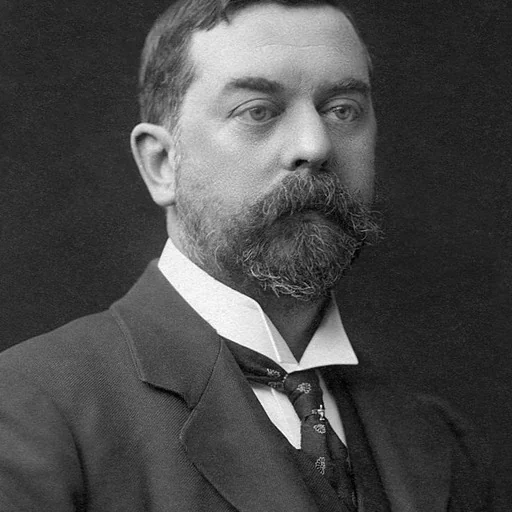
John Singer Sargent (; January 12, 1856 – April 15, 1925) was an American expatriate artist, considered the "leading portrait painter of his generation" for his evocations of Belle Époque and Edwardian-era luxury.

![Study for "Dogma of the Redemption: Frieze of Angels" [recto], by John Singer Sargent](https://artifactworldgallery.com/img/john-singer-sargent--study-for-dogma-of-the-redemption-frieze-of-angels-recto--27478776512a097f-w320.webp)