Artwork
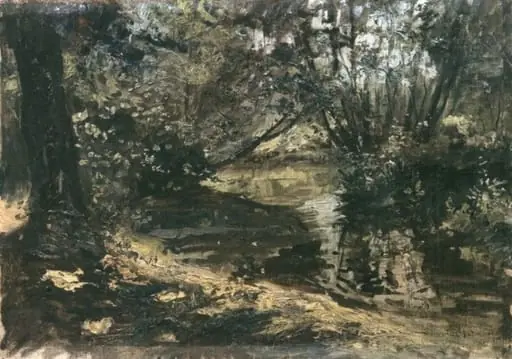
Pomul din marginea crângului
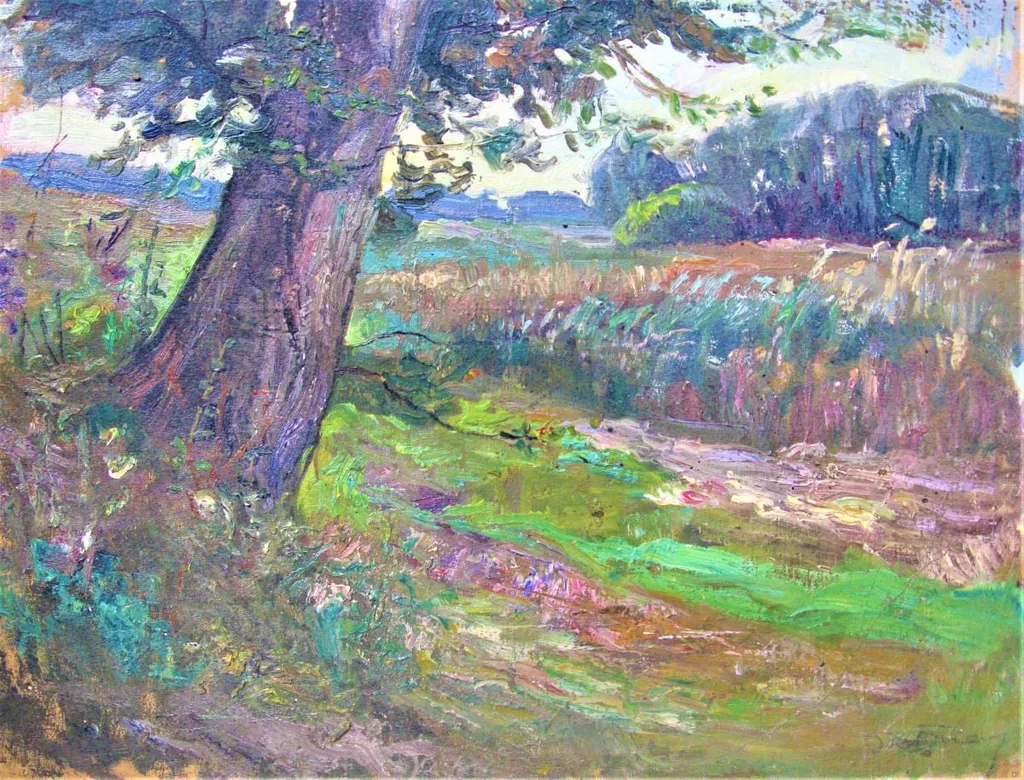
Pomul din marginea crângului is an unspecified painting by Alexandru Carol Satmary. It dates from 1906 and is held in the collection of the Bucharest Municipality Museum.
About this work
Overview
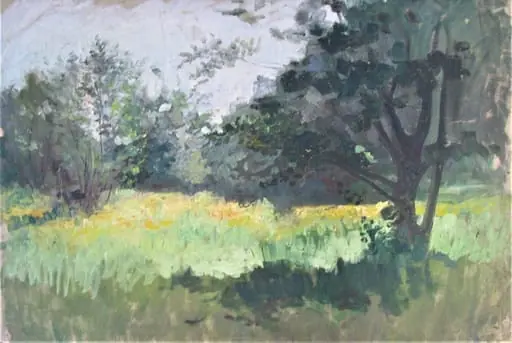
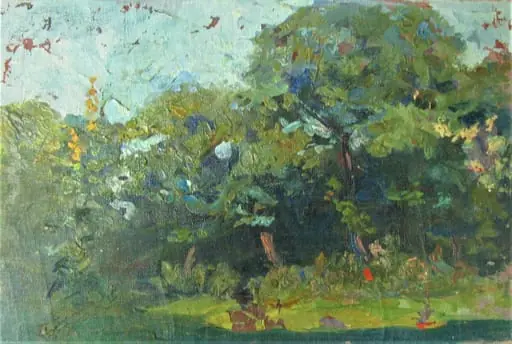
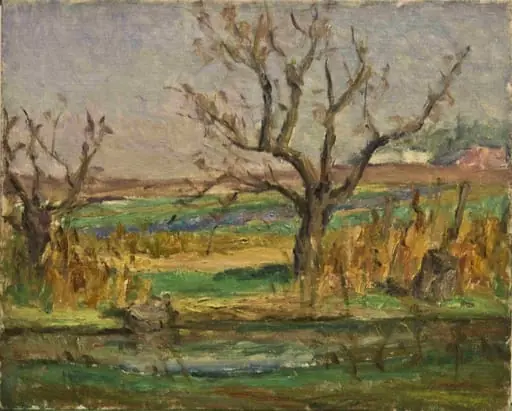
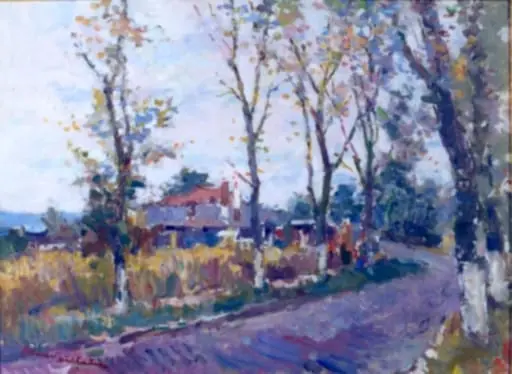
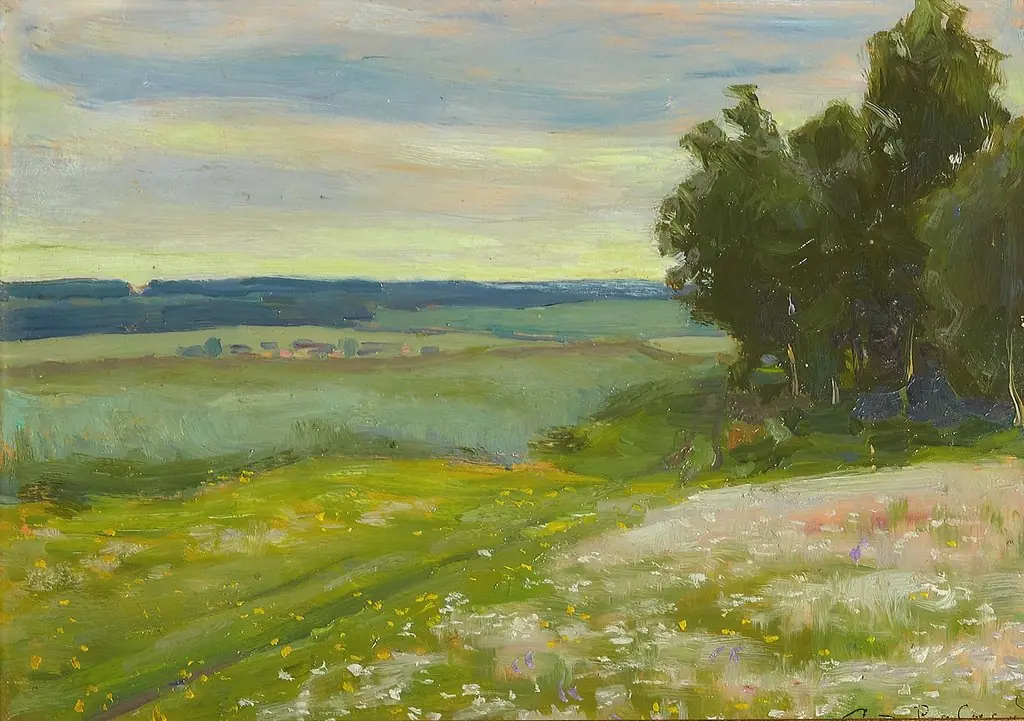
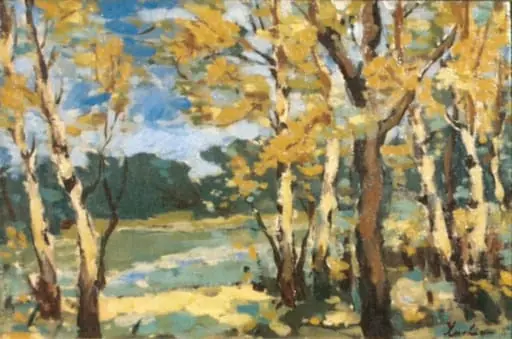
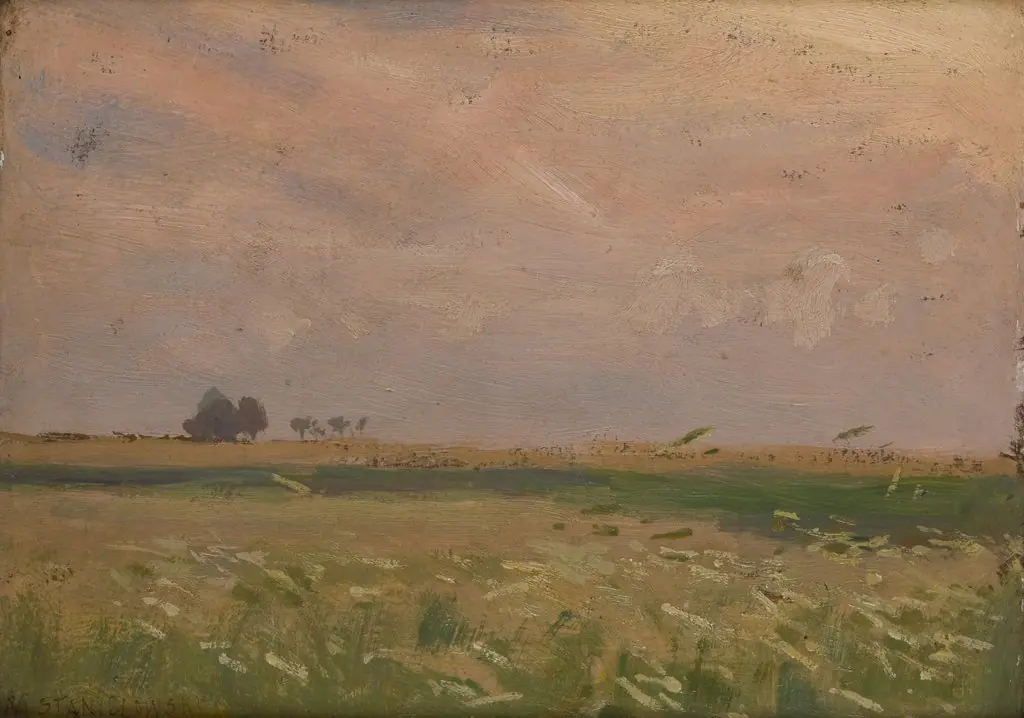
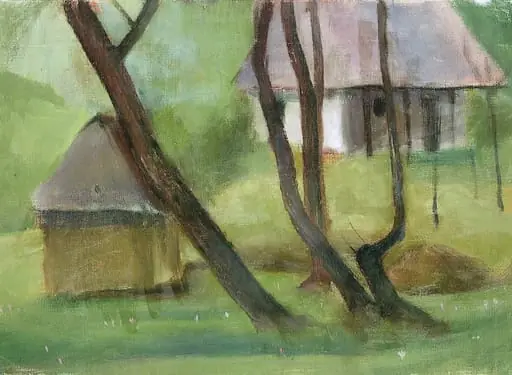
Painted around 1906 by Alexandru Carol Satmary, this work depicts a solitary tree at the edge of a wooded area. Executed in oil, the piece is part of the collection at the Museum of Ethnography. Its quiet composition and restrained palette reflect a contemplative engagement with the Romanian landscape, avoiding dramatic narrative in favor of atmospheric presence.
Subject & Meaning
The central subject is a mature tree, its heavy trunk and sprawling branches anchoring the composition. Positioned at the boundary between forest and open field, it suggests a threshold between wild and cultivated spaces. The absence of human figures or activity invites reflection on nature’s quiet endurance, evoking a sense of stillness rather than symbolism.
Technique & Style
Satmary applied paint with thick, deliberate brushstrokes, building texture across the trunk, foliage, and ground. Colors remain subdued—earthy greens, muted browns, and pale blues—enhancing the painting’s somber tone. The visible impasto and uneven surface emphasize materiality, grounding the scene in tactile reality rather than idealized beauty.
History & Provenance
The painting has remained in the collection of the Museum of Ethnography since its acquisition, likely shortly after its creation. There is no documented exhibition history prior to the 20th century, and its preservation suggests it was valued within cultural institutions for its regional character rather than commercial appeal.
Context
Created during a period when Romanian artists increasingly turned to rural life for inspiration, the work aligns with broader efforts to define a national visual identity. Satmary’s focus on unembellished landscapes reflects a shift away from academic idealism toward direct observation of the natural environment, common among his contemporaries.
Legacy
Though not widely reproduced, the painting contributes to an understated tradition of Romanian landscape painting that prioritizes mood over spectacle. Its continued presence in the Museum of Ethnography underscores its role as a quiet record of early 20th-century rural aesthetics, valued for its authenticity rather than prominence.
Artist & collection
Artist
Alexandru Carol Satmary (1870–1933) was an artist, born in Bucharest.