Artwork
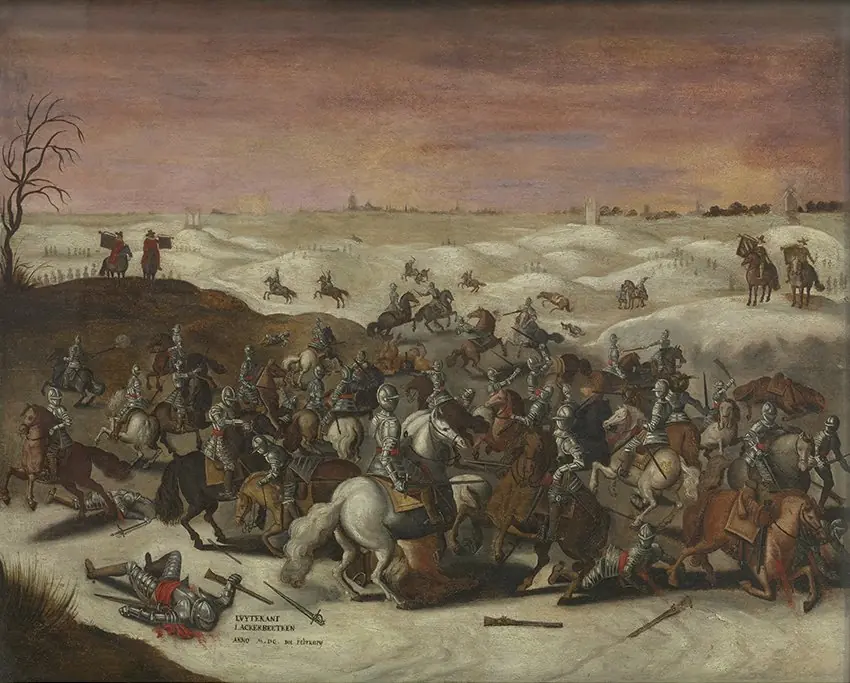
Battle of Leckerbetken
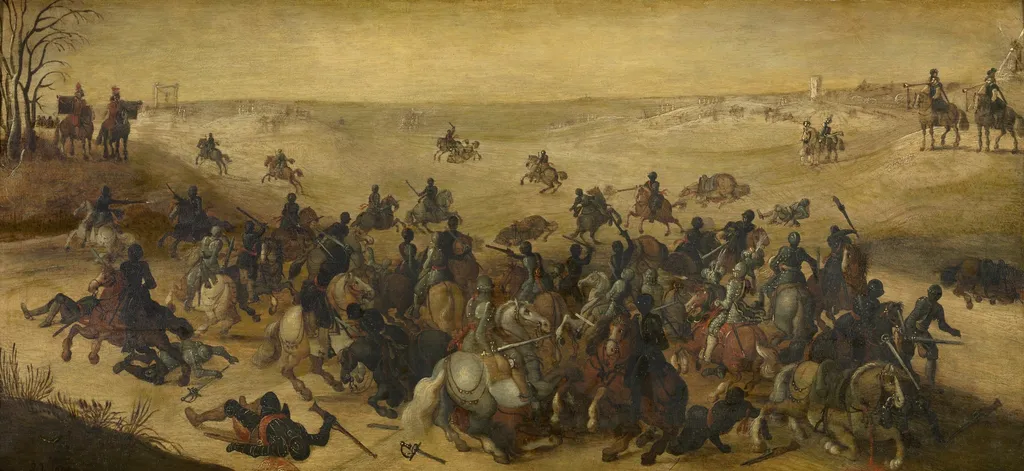
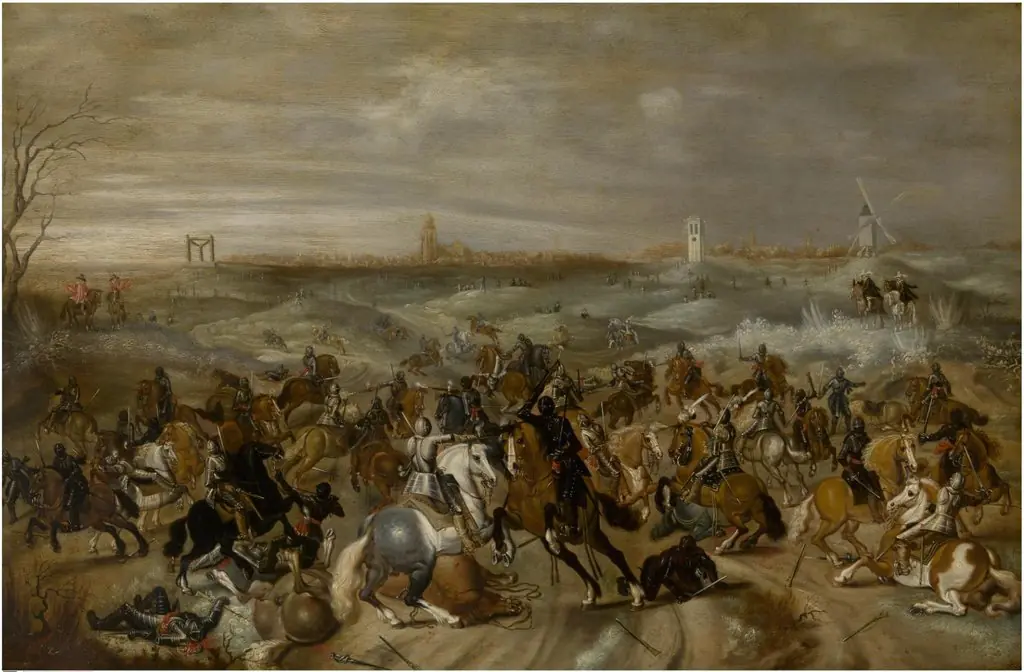
Battle of Leckerbetken is an oil painting by the Early Baroque Italian artist Sebastiaen Vrancx. It dates from 1601 and is held in the collection of the Royal Museum of Fine Arts Antwerp.
About this work
Overview
It is among the earliest sustained examples of battle imagery in Netherlandish art, reflecting the artist’s emerging specialization in military subjects.
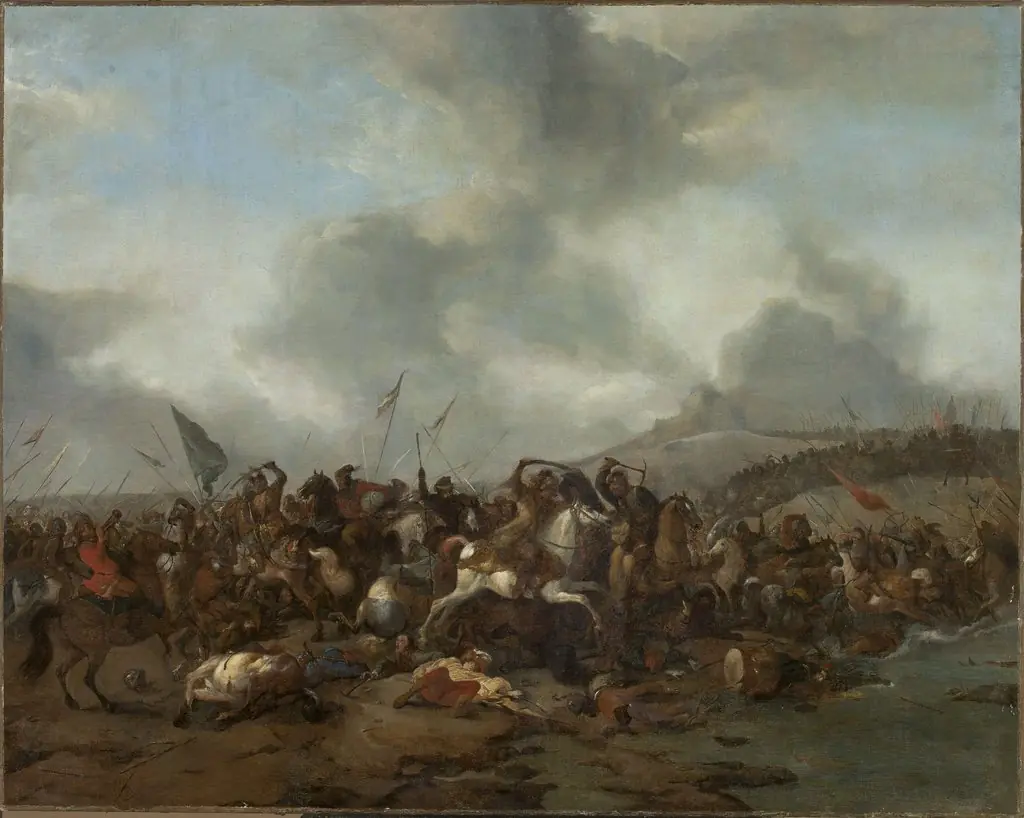
Painted in 1601 by Sebastiaen Vrancx, this oil-on-canvas work depicts a chaotic cavalry engagement known as the Battle of Leckerbetken. It is among the earliest sustained examples of battle imagery in Netherlandish art, reflecting the artist’s emerging specialization in military subjects. The painting resides in the Royal Museum of Fine Arts Antwerp, where it contributes to a growing 17th-century interest in historical combat as a legitimate theme for large-scale painting.
Subject & Meaning
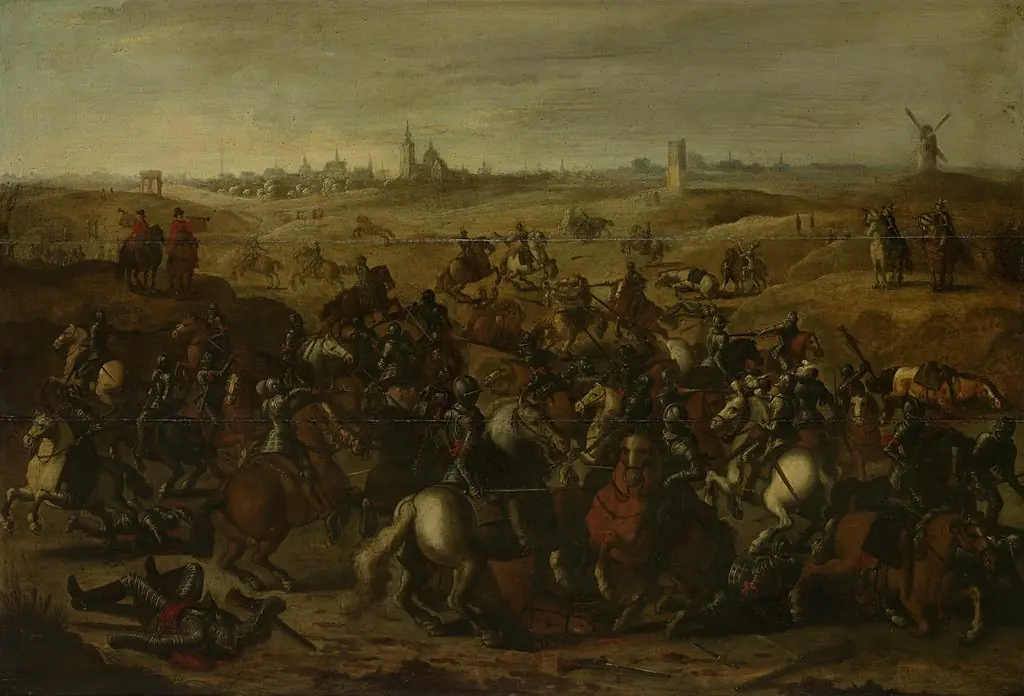
The scene captures a moment of violent disorder during a mounted skirmish, with soldiers in armor clashing with swords and spears, horses rearing and collapsing, and fallen men scattered across the ground. No clear side is identified, and the absence of heraldic markers suggests a focus on the universal chaos of war rather than a specific political narrative. The composition conveys the brutality and unpredictability of medieval-style combat without glorifying victory.
Technique & Style
Vrancx employed oil paint with visible, deliberate brushwork to render texture in armor, fabric, and animal muscle. The palette is restrained—dominated by earth tones of brown, gray, and black—with minimal contrast to enhance the grim atmosphere. Figures and horses are rendered with careful attention to movement and anatomical strain, while the flat, distant landscape provides little spatial depth, directing focus to the melee at center stage.
History & Provenance
Created during Vrancx’s early career, the painting reflects his role in establishing battle scenes as a distinct genre in the Southern Netherlands. It remained in regional collections before entering the Royal Museum of Fine Arts Antwerp’s holdings, where it has been preserved as part of the city’s artistic legacy. No significant alterations or reworkings are recorded, and its condition remains consistent with 17th-century Flemish oil technique.
Context
In the early 1600s, the Low Countries were deeply affected by the Eighty Years’ War, fueling public interest in military imagery. While Italian and Spanish artists often depicted grand historical battles, Vrancx’s focus on the visceral chaos of skirmishes offered a more immediate, grounded perspective. His work influenced later Flemish painters and helped shift the genre from allegory toward observational realism.
Legacy
Vrancx’s approach to battle scenes laid groundwork for subsequent generations of Flemish painters who specialized in military subjects. His emphasis on dynamic movement, crowded compositions, and unidealized violence became a model for artists like Peter Snayers and Pieter Snayers. Though not widely known outside regional circles, his contributions helped define a uniquely Northern European approach to depicting warfare in art.
Artist & collection
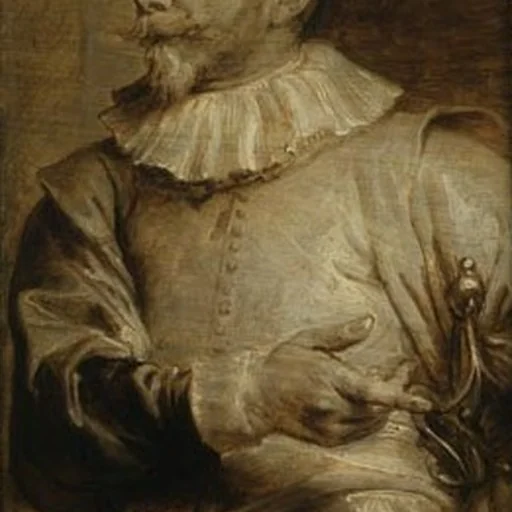
Artist
Sebastiaen Vrancx (pronounced ; before 22 January 1573 – 19 May 1647) was a Flemish Baroque painter, draughtsman and designer of prints who is mainly known for his battle scenes, a genre that he pioneered in Netherlandish painting.