Artwork
Portrait of a priest of the papal court
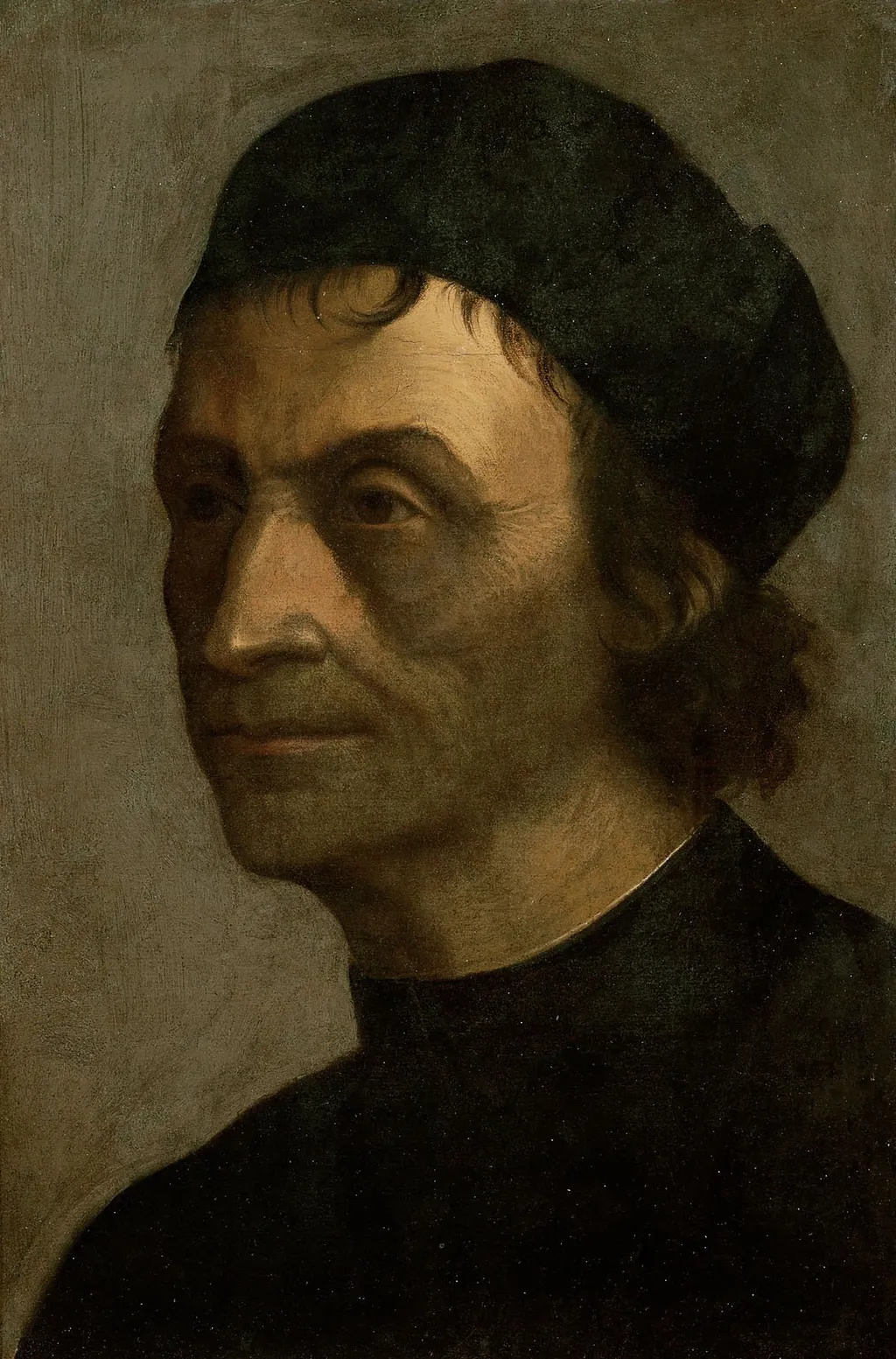
Portrait of a priest of the papal court is an unspecified painting by the Mannerist artist Sebastiano del Piombo. It dates from 1530 and is held in the collection of the Kunsthistorisches Museum.
About this work
Overview
Sebastiano del Piombo’s *Portrait of a priest of the papal court* dates to roughly 1530. Executed in oil on panel, the work shows a dignified cleric rendered in half‑length against a dark backdrop. The figure’s solemn expression, modest attire and restrained pose convey the formal bearing expected of a papal official.
Technique & Style
Del Piombo combines the luminous colour palette of his Venetian training with the sculptural solidity characteristic of Roman painting. Soft, directional light falls on one side of the face, creating a chiaroscuro effect that models the features and highlights the texture of the skin while the background recedes into shadow.
Subject & Meaning
The sitter is identified as a priest attached to the papal household in Rome, a position that demanded both religious authority and courtly decorum. His austere expression and stiff clerical collar underscore the seriousness of his role, while the intimate scale suggests a personal commemoration rather than a public display.
History & Provenance
After relocating to Rome in 1511, del Piombo spent most of his career there, producing works for papal patrons. The portrait entered the collection of the Kunsthistorisches Museum in Vienna, where it remains part of the museum’s Renaissance holdings, illustrating the artist’s cross‑regional reputation.
Context
Created during the shift from the High Renaissance to early Mannerism, the painting reflects a period of artistic experimentation. Del Piombo’s synthesis of Venetian colouristic richness with Roman monumentalism anticipates the more expressive tendencies that would later define Mannerist portraiture.
Artist & collection
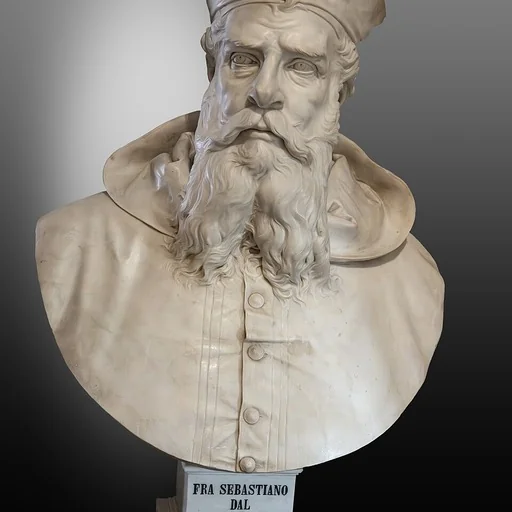
Artist
Sebastiano del Piombo (Italian: ; c. 1485 – 21 June 1547) was an Italian painter of the High Renaissance and early Mannerist periods, famous as the only major artist of the period to combine the colouring of the…

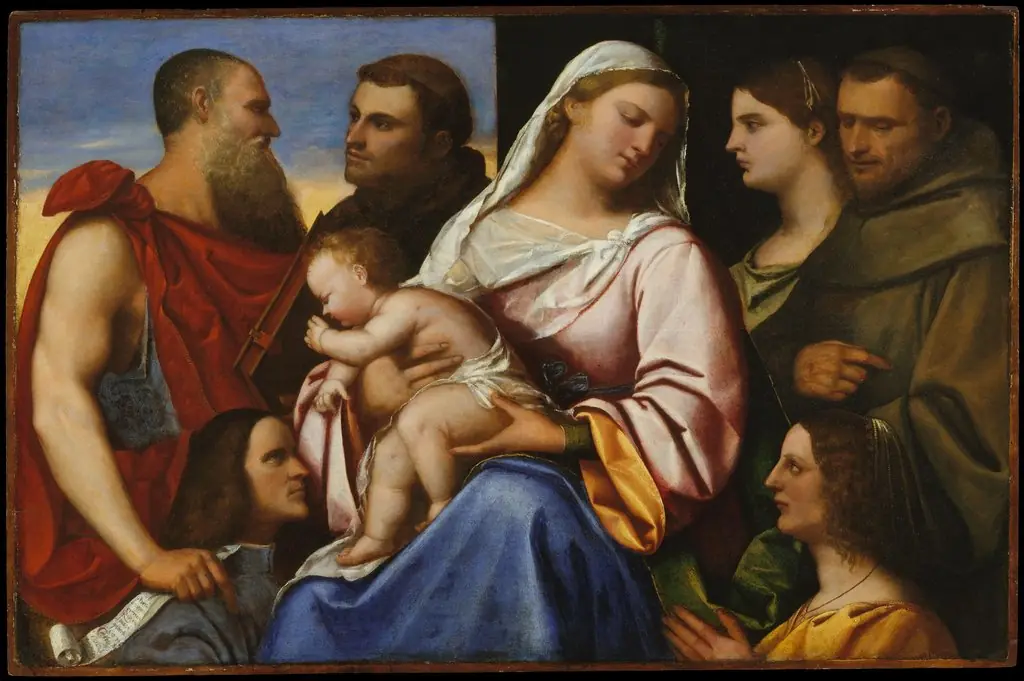 Madonna and Child with Saints and Donors
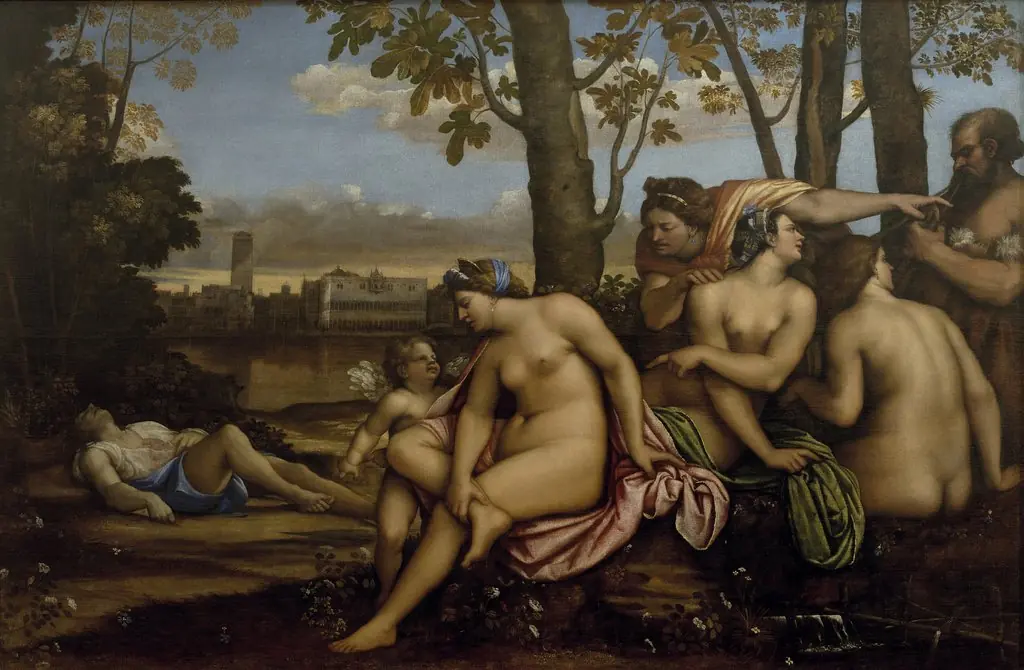 Death of Adonis
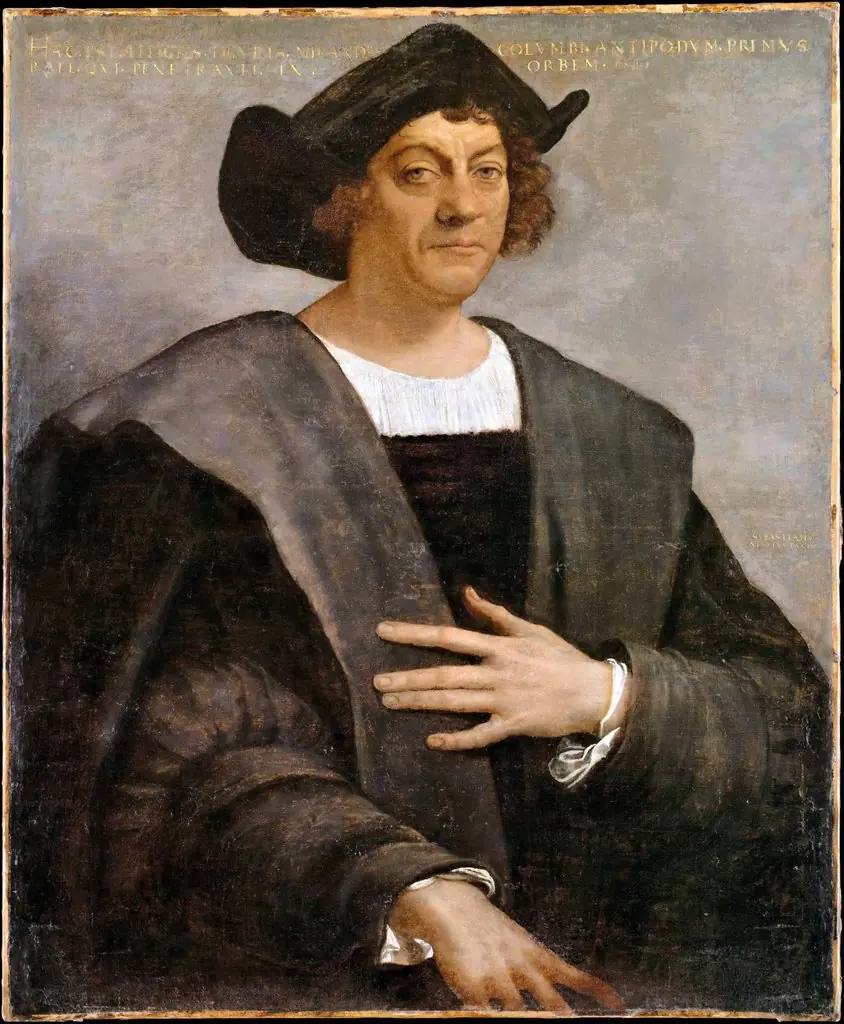 Portrait of a Man, Said to be Christopher Columbus (born about 1446, died 1506)
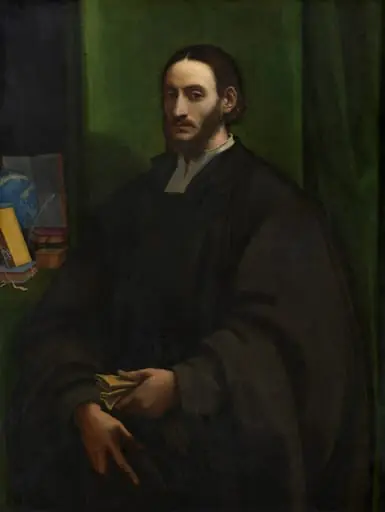 Portrait of a Humanist
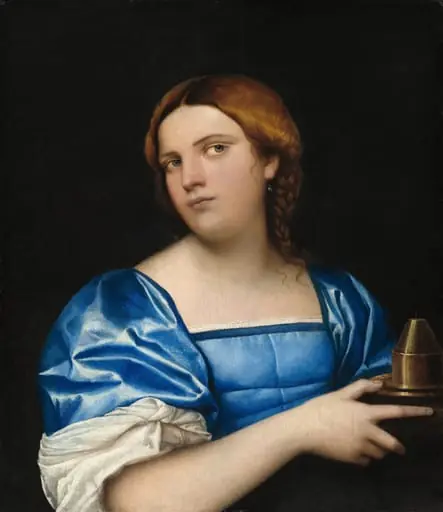 Portrait of a Young Woman as a Wise Virgin
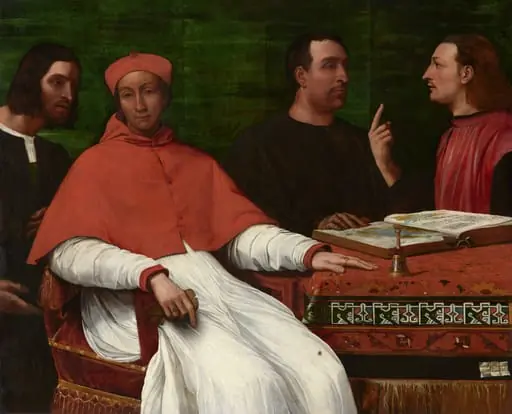 Cardinal Bandinello Sauli, His Secretary, and Two Geographers
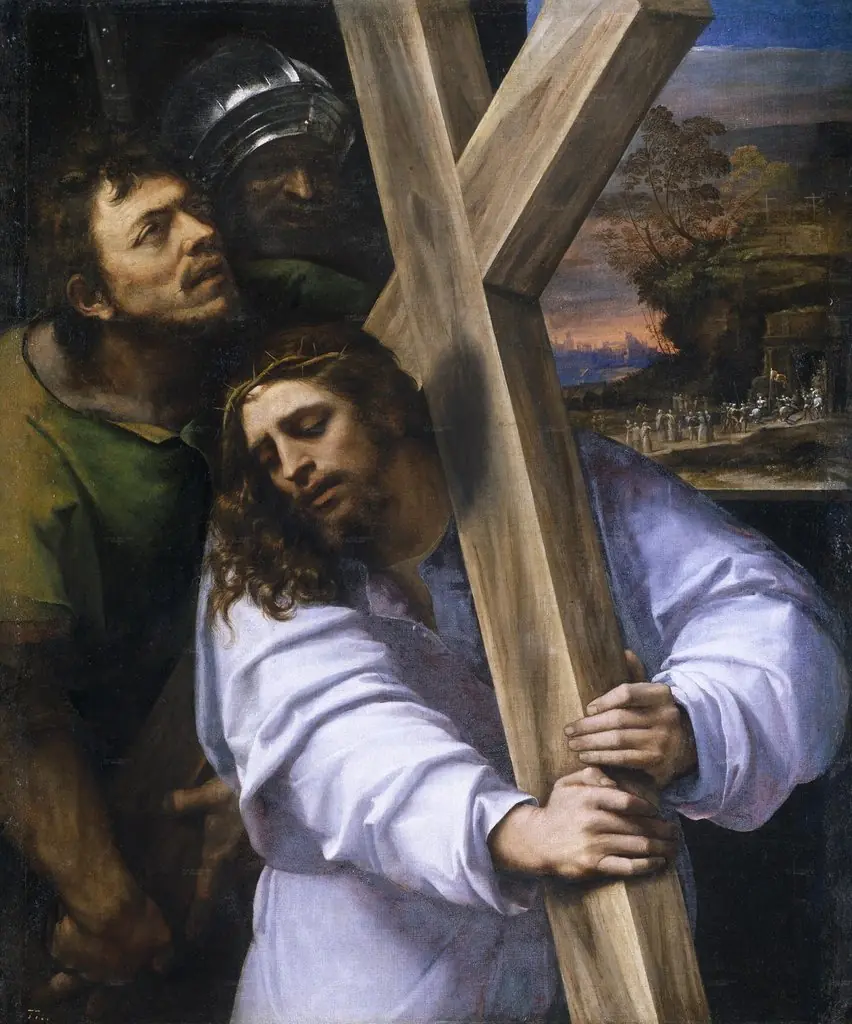 Jesus carrying the Cross
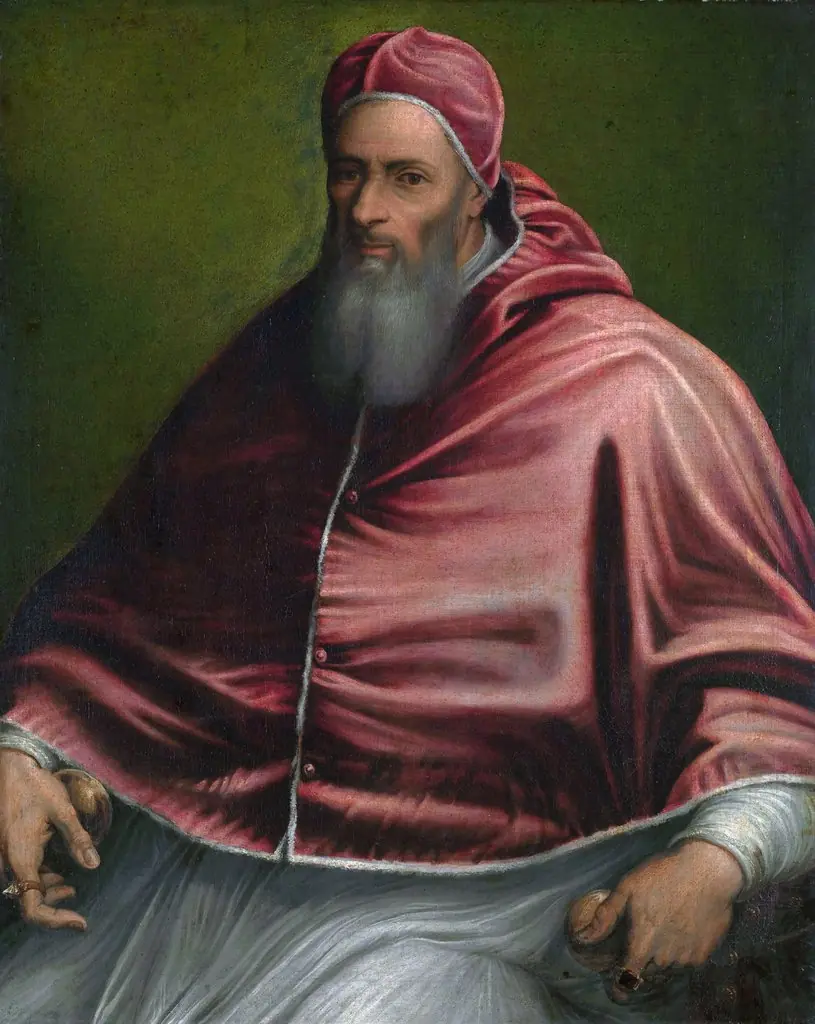 Pope Julius III (1478-1555)
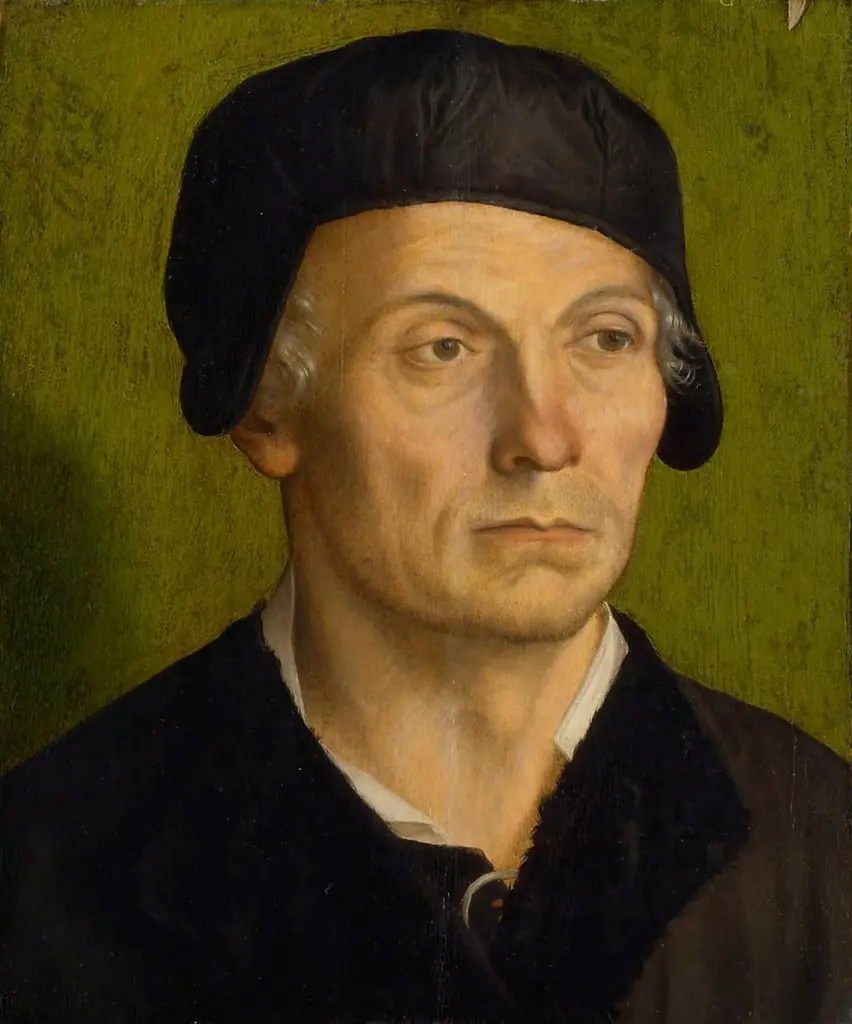 Portrait of a beardless man
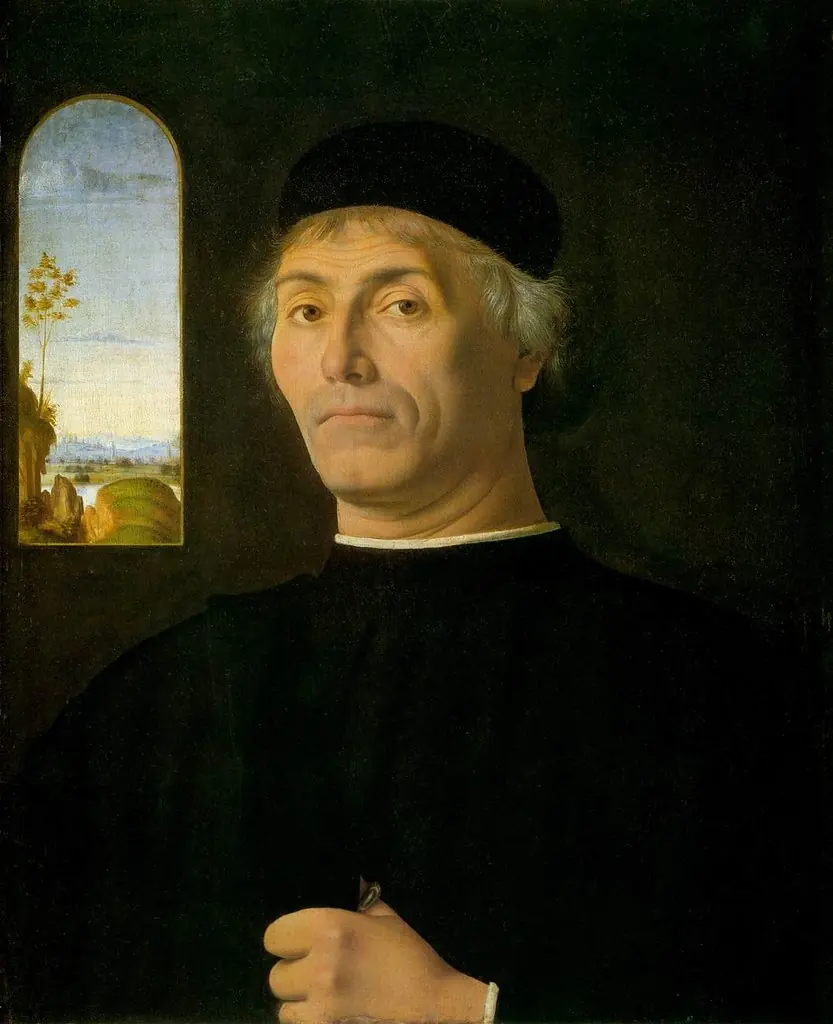 Portrait of a Man
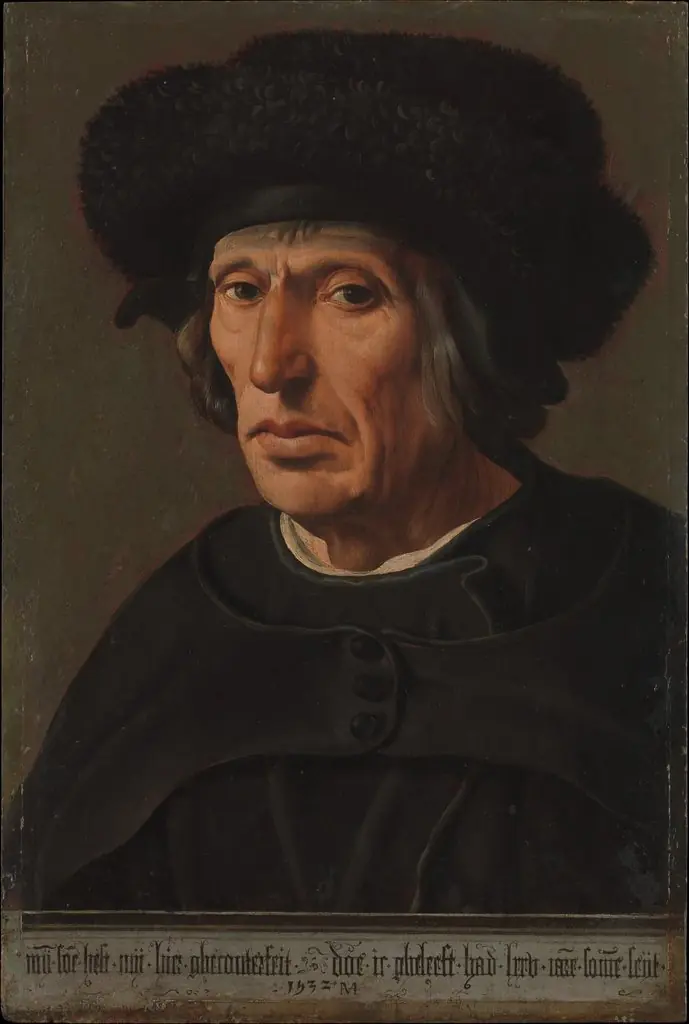 Jacob Willemsz. van Veen (1456–1535), the Artist's Father
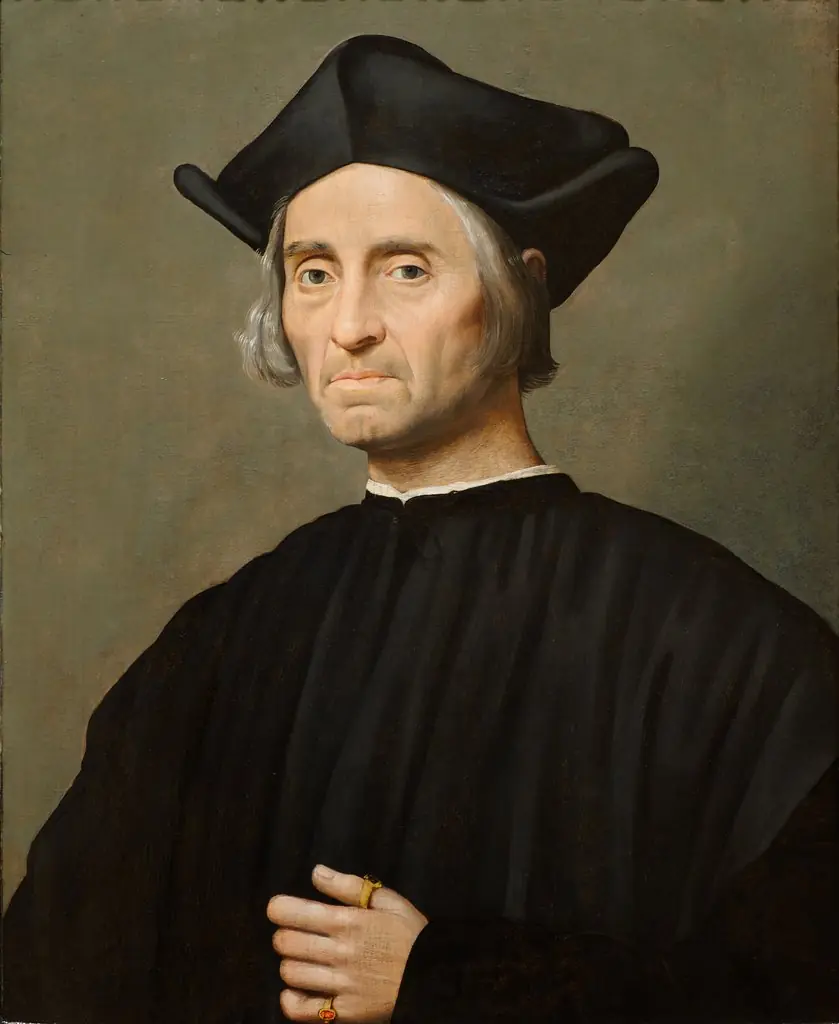 Portrait of a Man
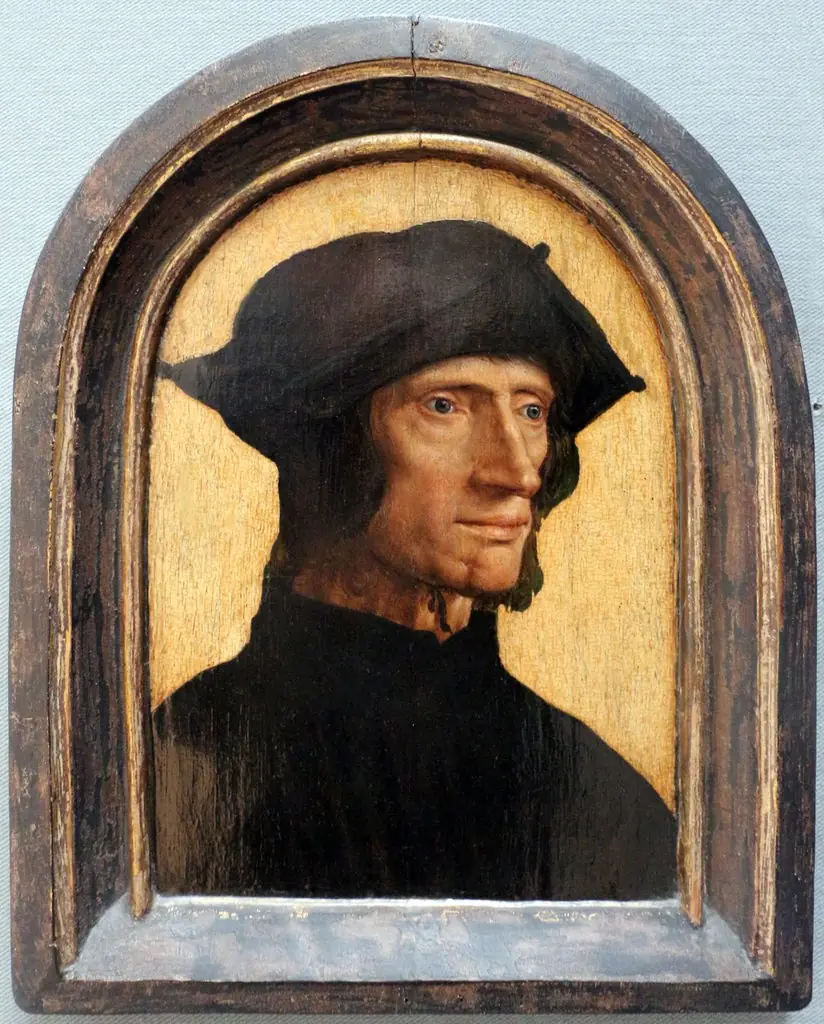 Mansportret
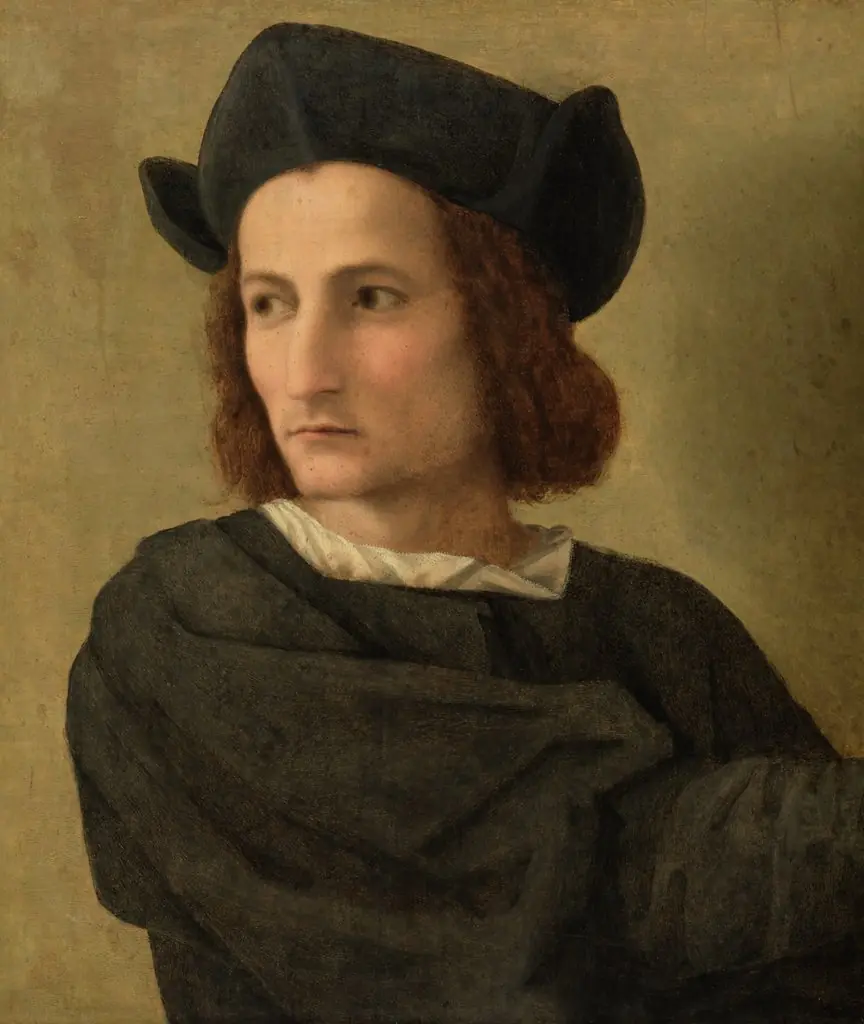 Portrait of a Man
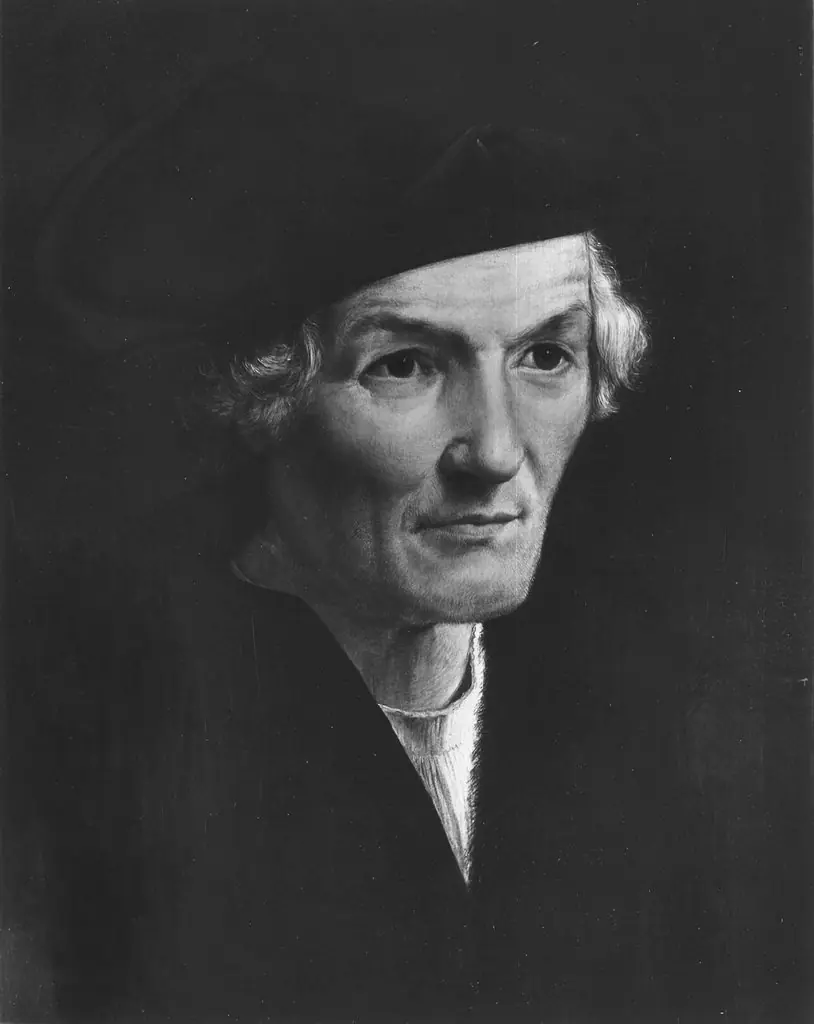 Portrait of a Man
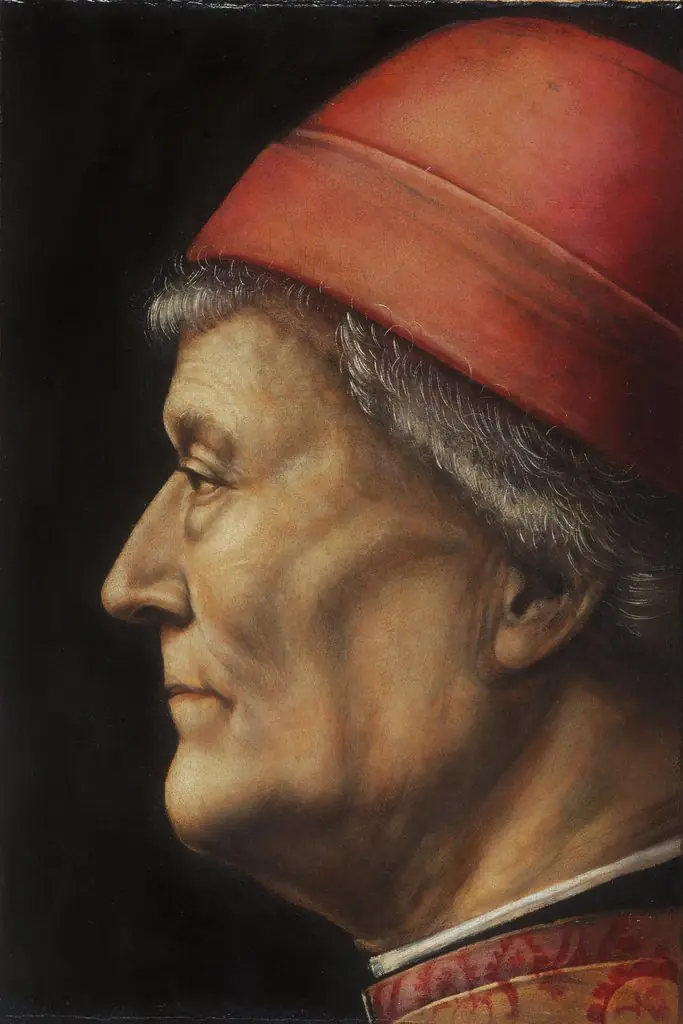 Portrait of an Elderly Gentleman
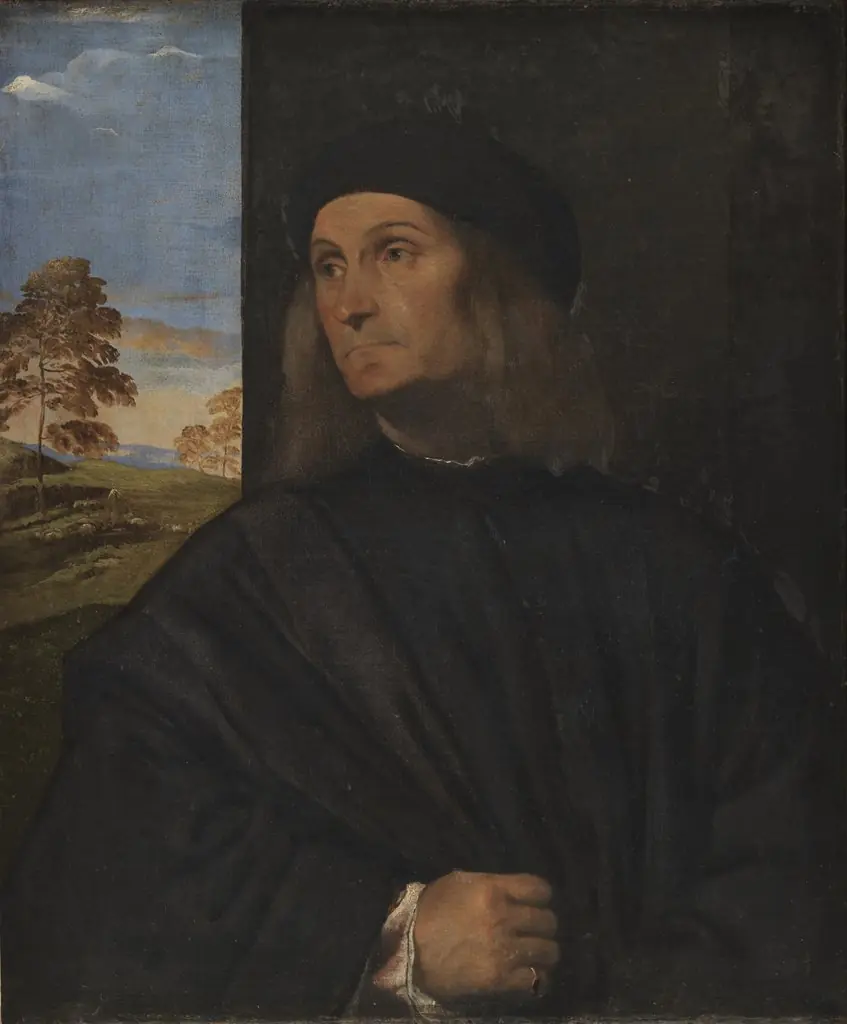 Portrait of the Venetian Painter Giovanni Bellini (?)
 Portrait of the Venetian Painter Giovanni Bellini (?)