Artwork
The Rest on The Flight into Egypt
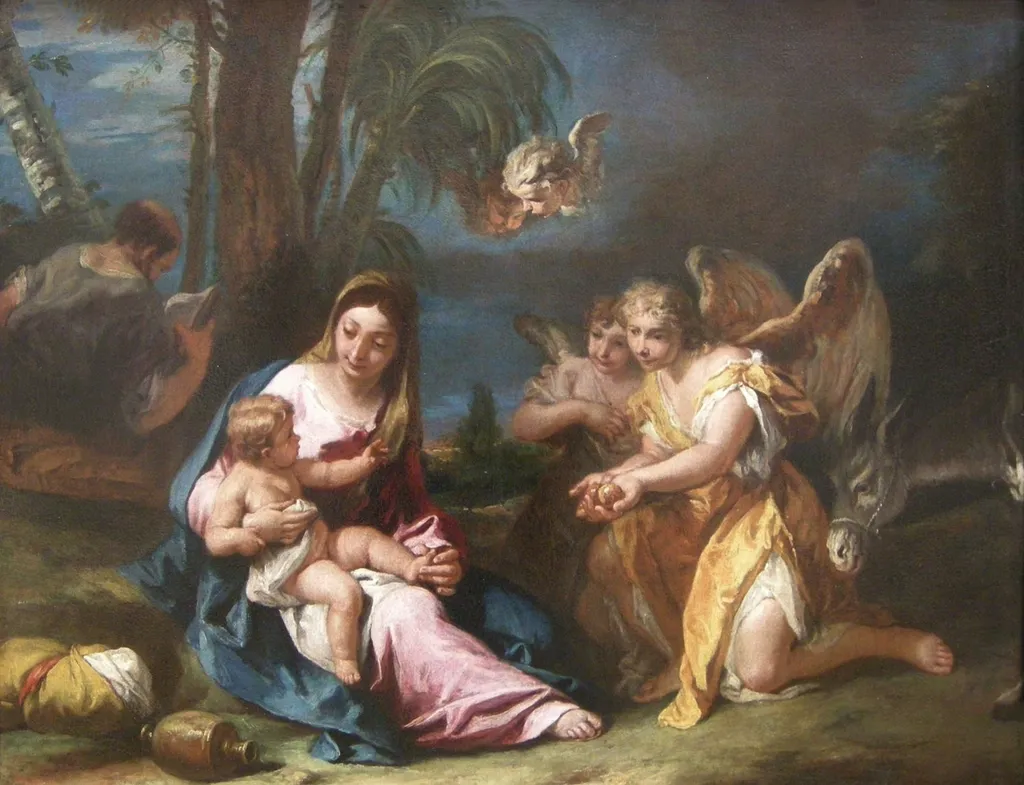
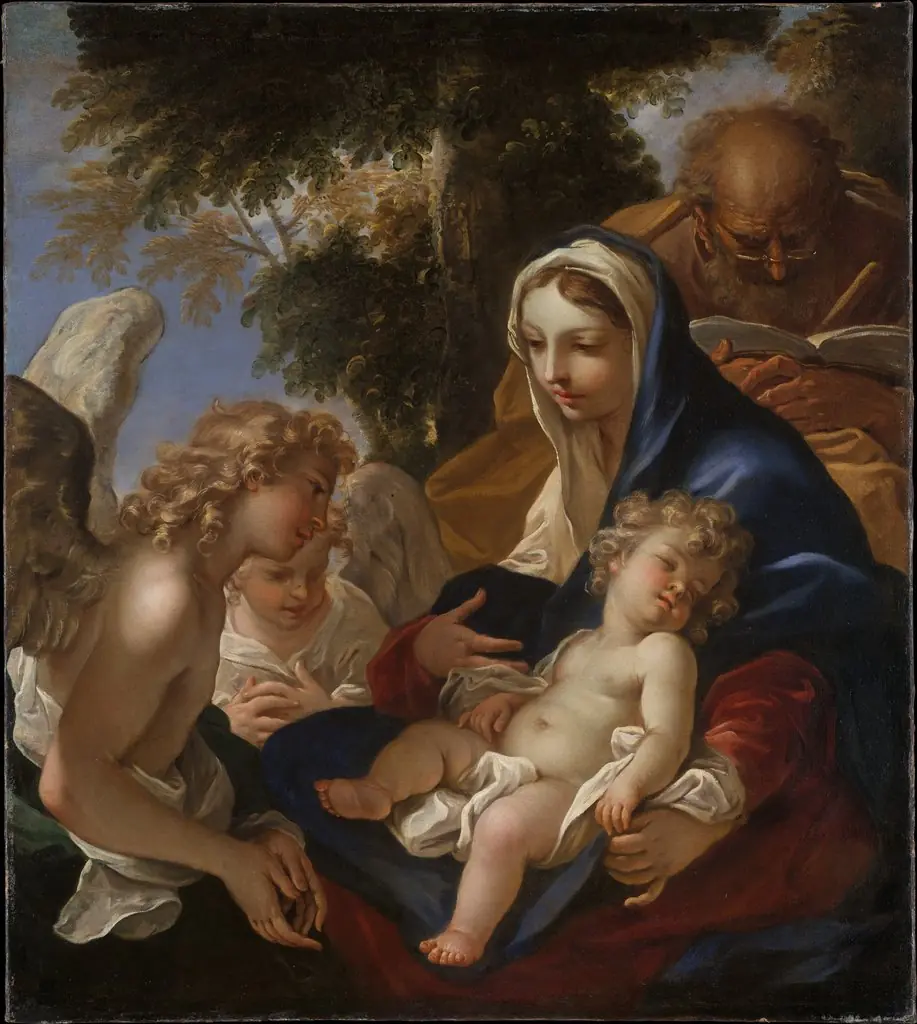
The Rest on The Flight into Egypt is an unspecified painting by the Rococo painting artist Sebastiano Ricci. It dates from 1710 and is held in the collection of the Art Gallery of New South Wales.
About this work
Overview
Ricci, a Venetian artist of the late Baroque era, infused the scene with a luminous, decorative sensibility aligned with early Rococo tastes.
Painted in 1710 by Sebastiano Ricci, this work captures a quiet moment from the biblical Flight into Egypt. Ricci, a Venetian artist of the late Baroque era, infused the scene with a luminous, decorative sensibility aligned with early Rococo tastes. The composition balances religious narrative with atmospheric calm, reflecting the period’s shift toward tender, intimate portrayals of sacred subjects over dramatic intensity.
Subject & Meaning
The scene portrays the Holy Family resting during their escape to Egypt, a moment of respite amid peril. Mary, cradling the infant Jesus, is attended by two angels—one offering an apple, a symbol of redemption—and Joseph, partially visible in the distance. The tranquil setting suggests divine protection, transforming a journey of flight into a contemplative pause, emphasizing grace and maternal tenderness over urgency or hardship.
Technique & Style
Ricci employed soft, warm tonalities and delicate brushwork to evoke a hushed, intimate atmosphere. The folds of Mary’s robes are rendered with fluid precision, while the luminous sky and dappled foliage suggest natural light filtering through trees. His style, influenced by Cortona, merges dynamic composition with a lightness of touch, avoiding heavy chiaroscuro in favor of gentle gradations that enhance the scene’s serenity.
History & Provenance
Created during Ricci’s mature period, the painting reflects his reputation for vibrant, elegant religious scenes favored by aristocratic patrons across Italy and beyond. Though its early ownership is undocumented, its survival in notable collections suggests it was valued for its aesthetic refinement rather than doctrinal prominence. It remains a representative example of early 18th-century Venetian devotional painting.
Context
In early 18th-century Venice, religious art increasingly embraced grace and emotional accessibility over Counter-Reformation solemnity. Ricci’s work aligns with contemporaries like Tiepolo, who prioritized elegance and atmospheric harmony. This painting reflects a broader cultural turn toward domesticated piety, where sacred figures were rendered with human warmth, appealing to private devotion and aristocratic taste.
Legacy
Ricci’s approach influenced later Venetian painters by demonstrating how religious themes could be rendered with lyrical lightness. While not widely replicated, this painting exemplifies a transitional moment in Italian art—bridging Baroque vigor and Rococo delicacy. Its enduring presence in collections underscores its role as a quiet but significant expression of devotional aesthetics in the early Enlightenment.
Artist & collection
Artist
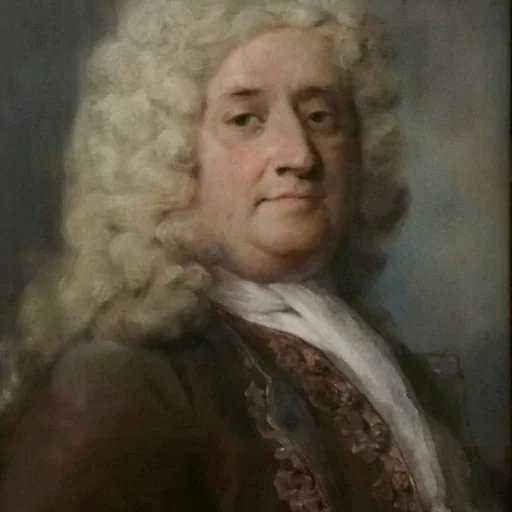
Sebastiano Ricci (1 August 1659 – 15 May 1734) was an Italian Baroque painter of the late Baroque period in Venetian painting.

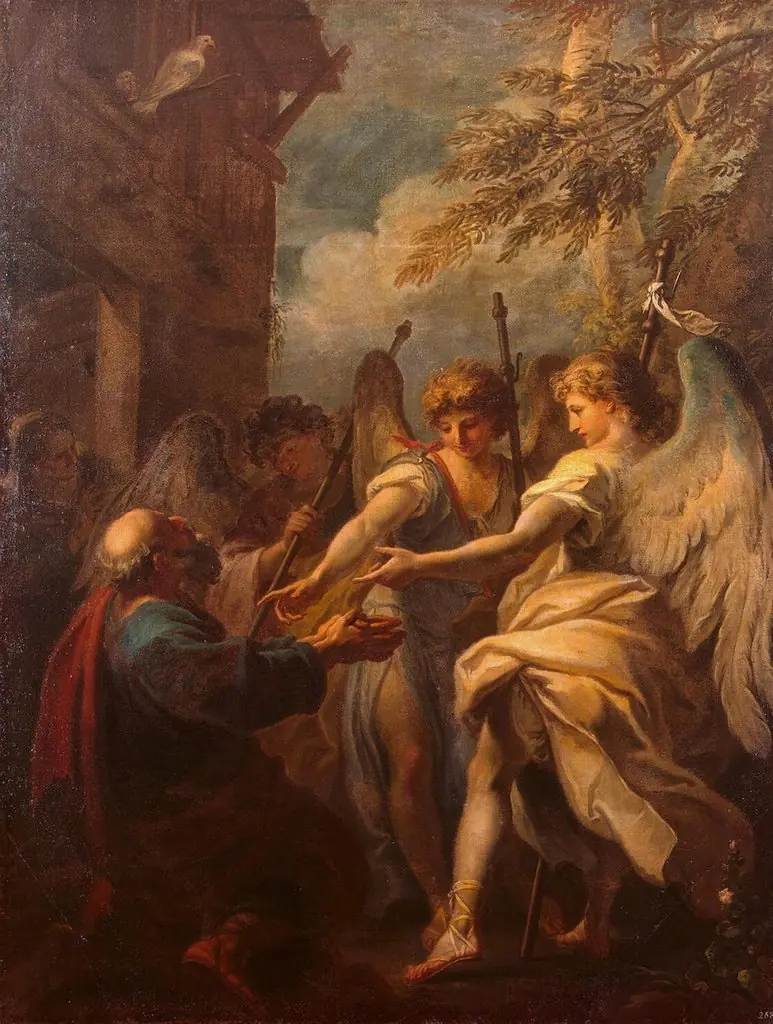
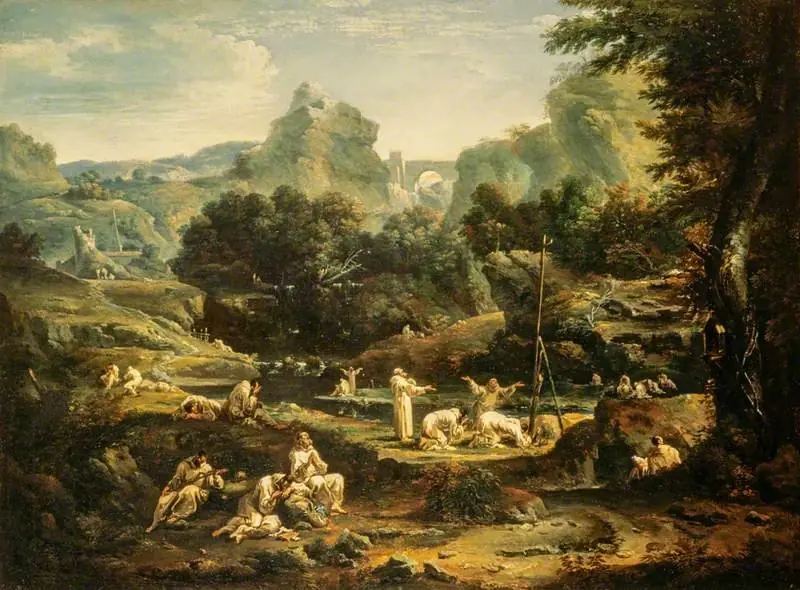
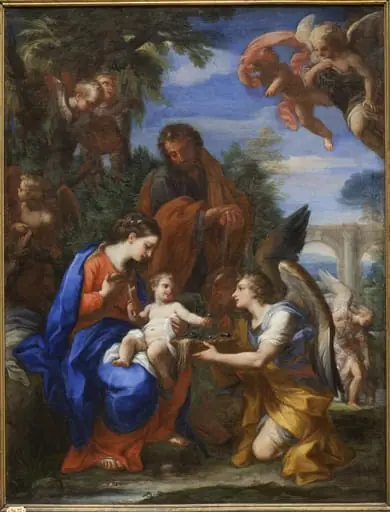 The Rest on The Flight into Egypt
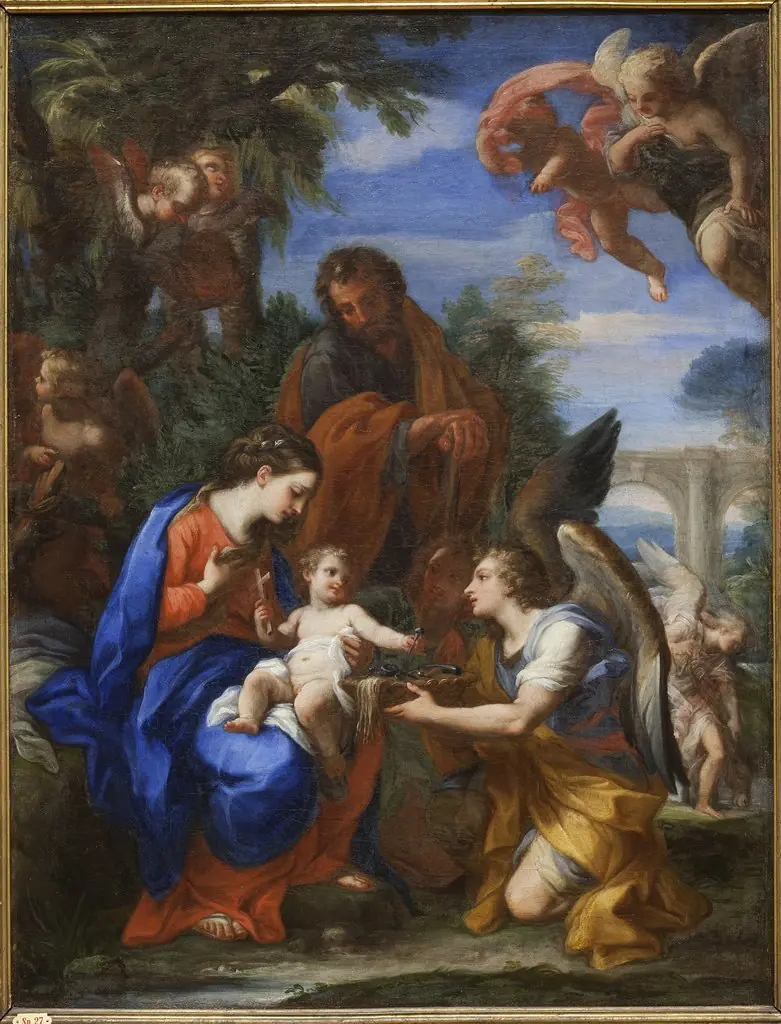 The Rest on The Flight into Egypt
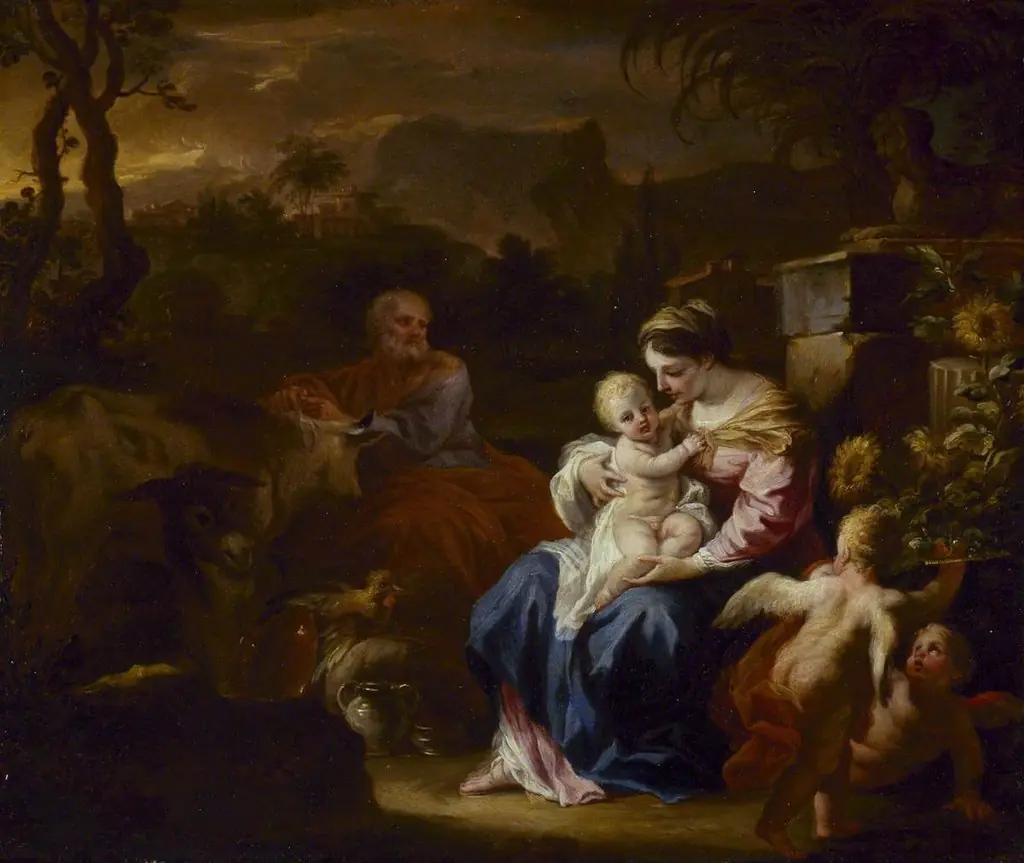 The Rest on the Flight into Egypt
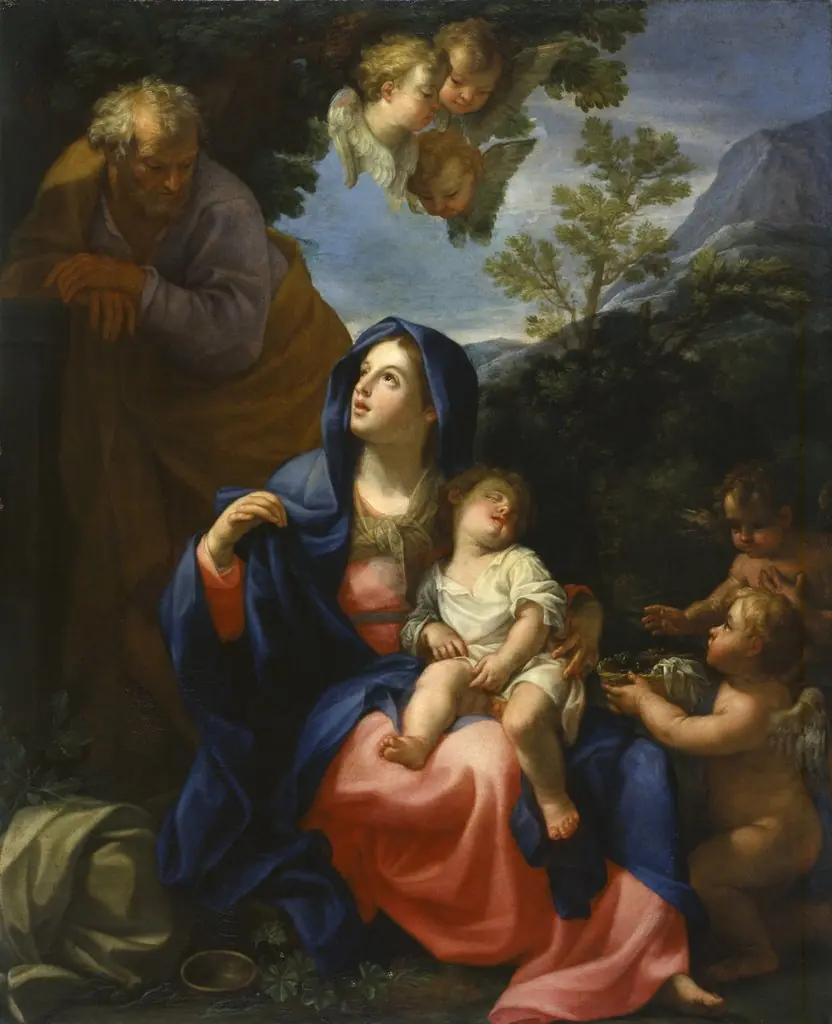 The Rest on The Flight into Egypt
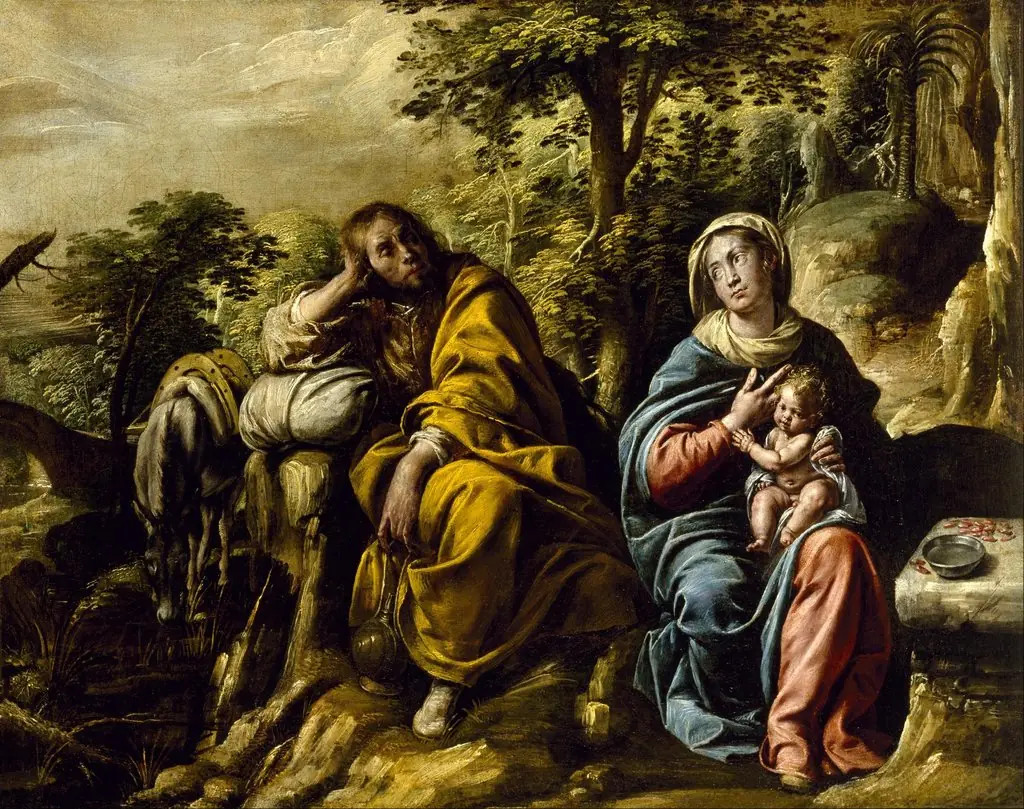 The Rest on the Flight into Egypt
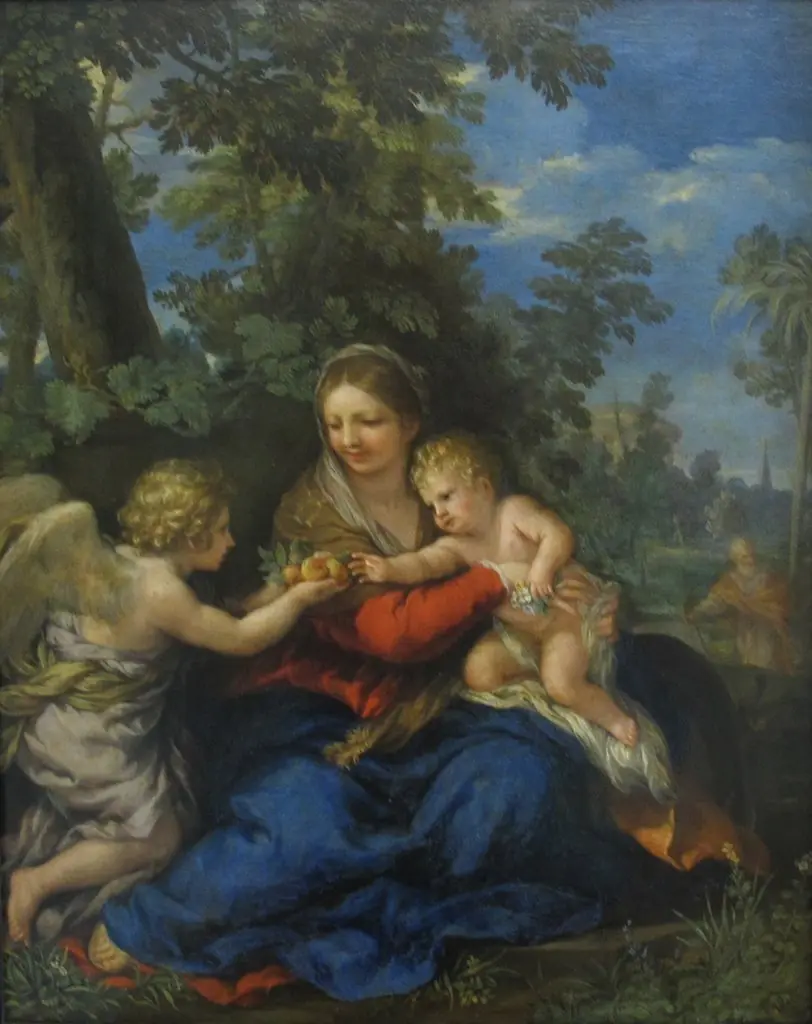 Holy Family Resting on the Flight to Egypt
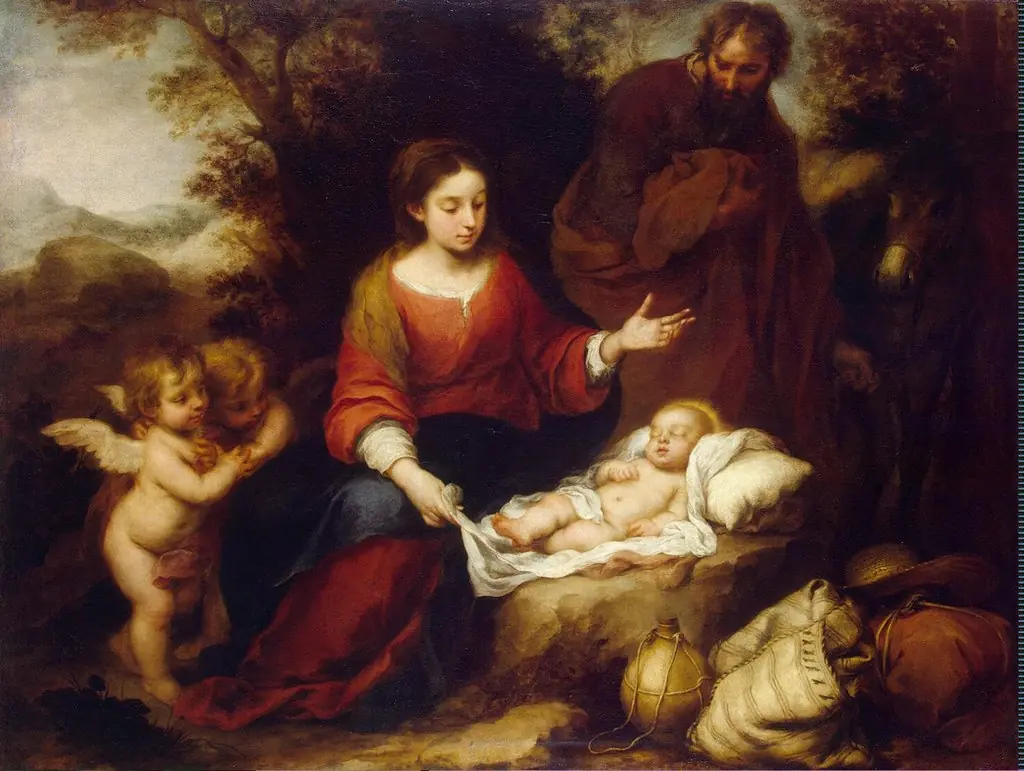 Rest on the Flight into Egypt
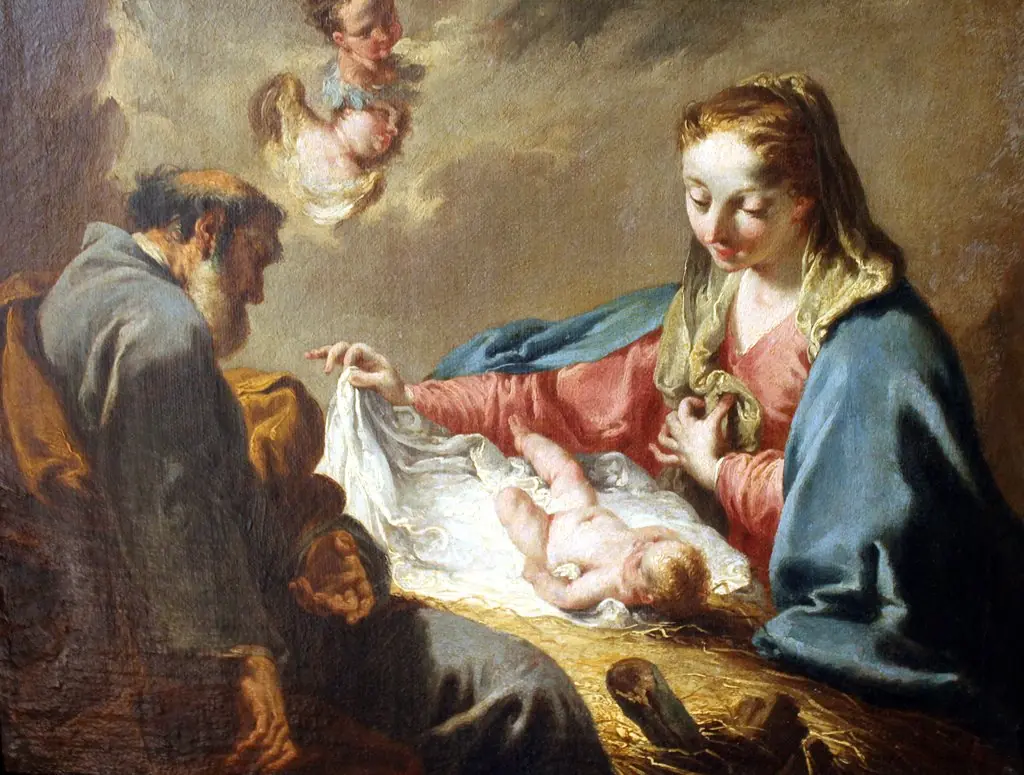 The Nativity
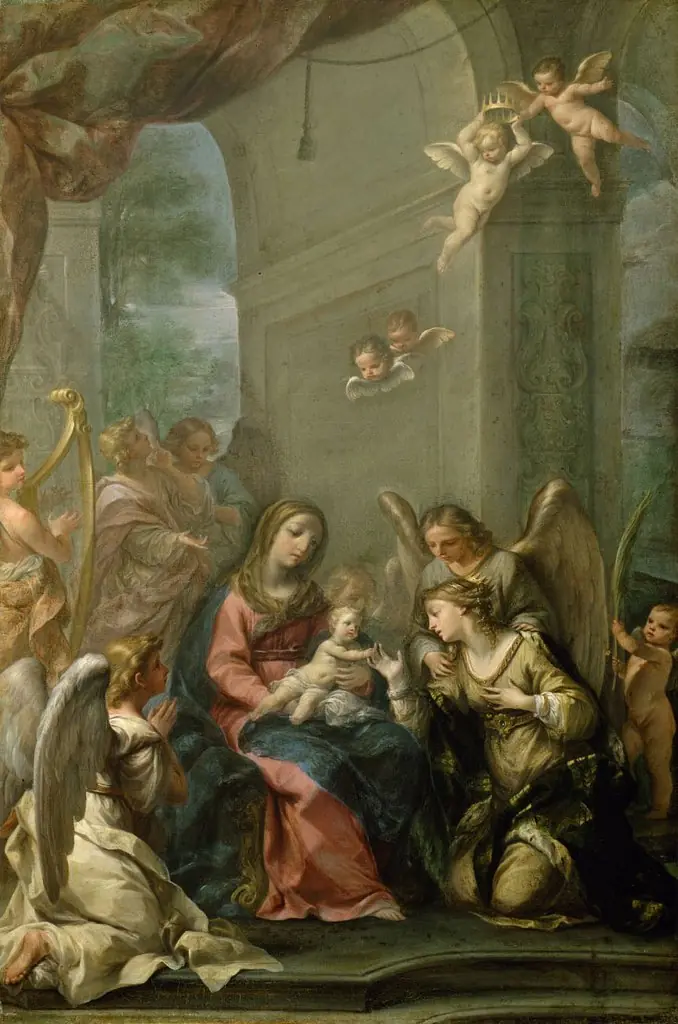 Mystische Verlobung der Hl. Katharina
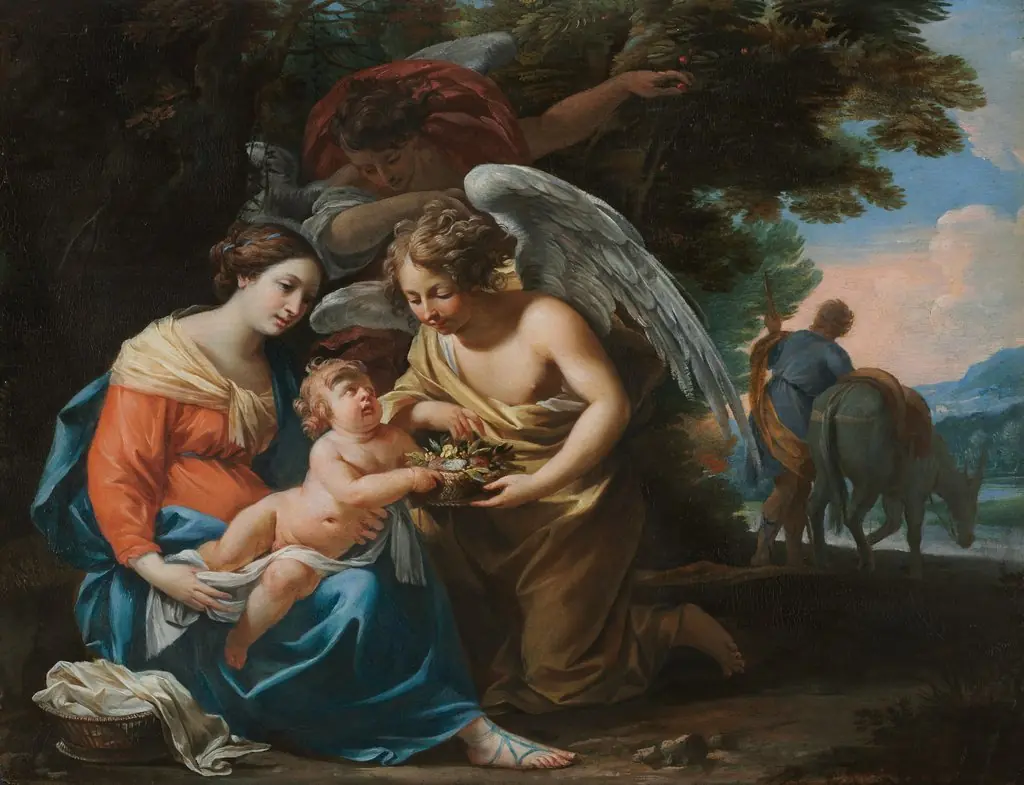 Rest on the Flight into Egypt
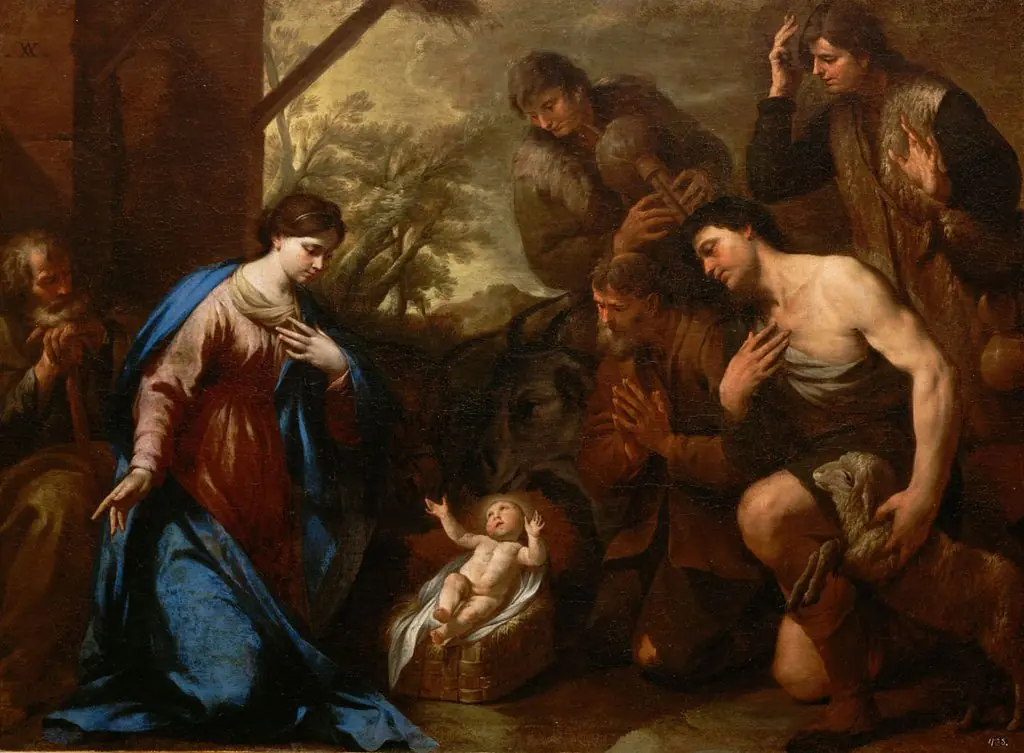 Anbetung der Hirten
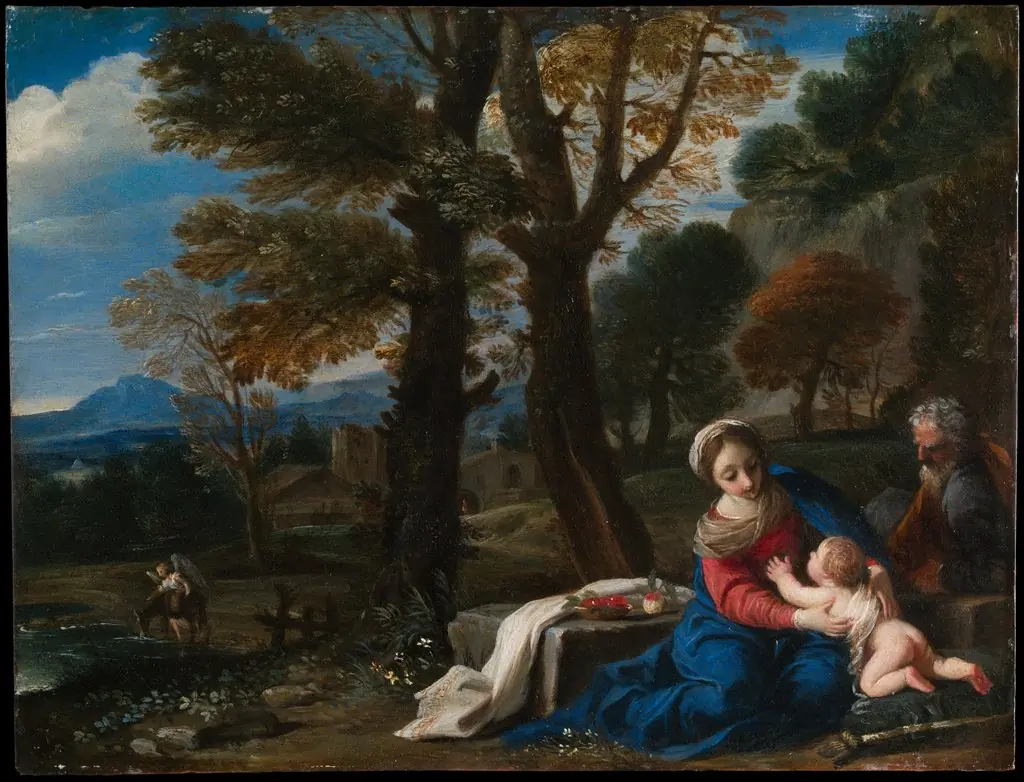 Rest on the Flight into Egypt