Artwork
Cottage and Harvesters
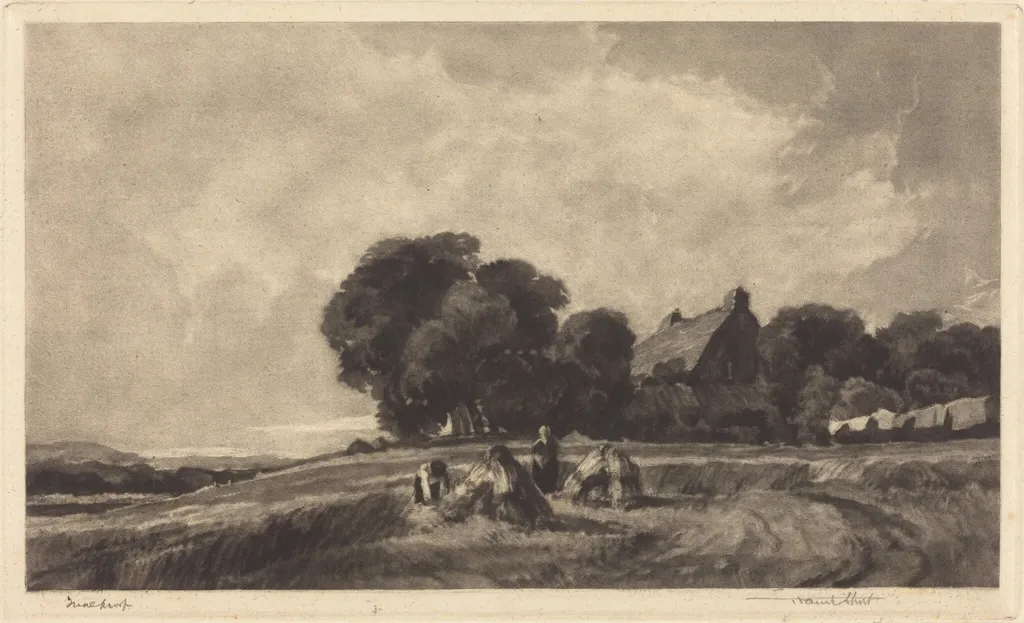
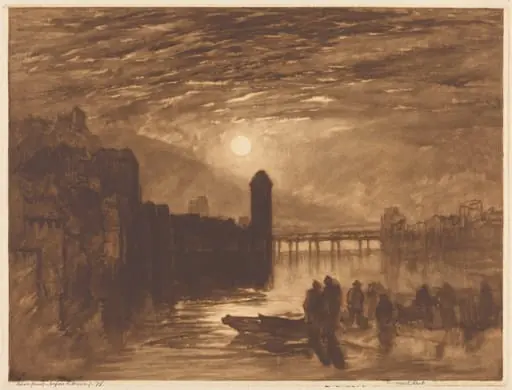
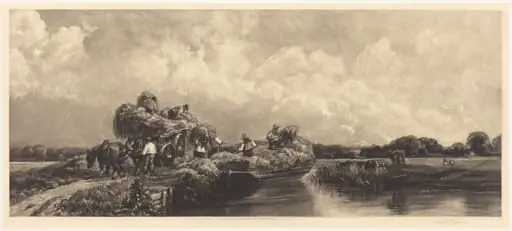
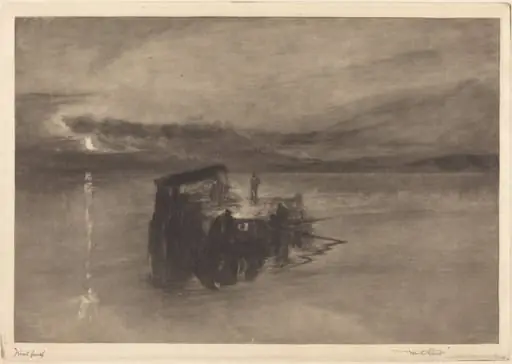
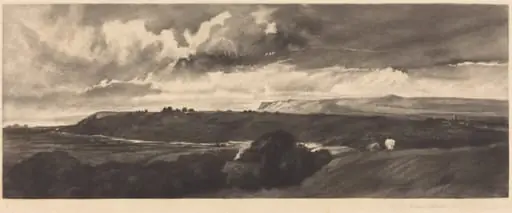
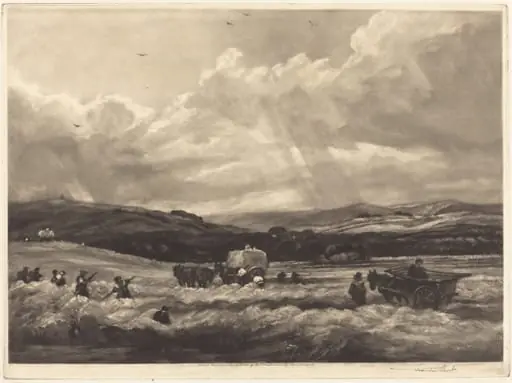
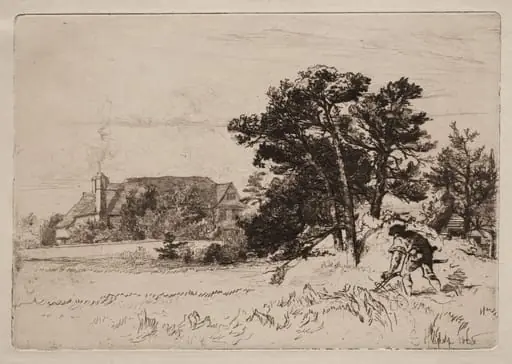
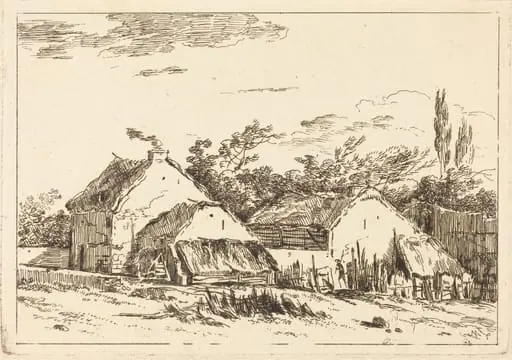
Cottage and Harvesters is an ink print by Frank Short. It dates from 1907 and is held in the collection of the National Gallery of Art.
About this work
Overview
The image balances light and shadow to evoke atmosphere rather than detail, reflecting Short’s commitment to elevating printmaking as a serious artistic medium.
Frank Short’s 1907 mezzotint, *Cottage and Harvesters*, is a monochromatic print capturing a quiet rural moment. Executed in black ink on paper, the work exemplifies Short’s technical command of mezzotint, a method that achieves subtle gradations of tone by roughening a metal plate with fine dots. The image balances light and shadow to evoke atmosphere rather than detail, reflecting Short’s commitment to elevating printmaking as a serious artistic medium.
Subject & Meaning
The scene portrays a modest thatched cottage beside a field where two figures gather hay under a soft, overcast sky. The composition emphasizes stillness and labor, with the figures integrated into the landscape rather than dominating it. No narrative is overt; instead, the work conveys a sense of quiet continuity in rural life, grounded in observation rather than sentiment. The dark tree looms as a stabilizing form, anchoring the composition in natural rhythm.
Technique & Style
Short employed mezzotint, a labor-intensive process involving a rocker to texture a copper plate, then selectively smoothing areas to hold ink. This allowed him to render smooth transitions from deep black to hazy gray, mimicking the effect of chalk or charcoal on paper. The absence of line work in favor of tonal modulation gives the image a hushed, atmospheric quality, distinguishing it from sharper etchings or engravings of the period.
History & Provenance
Created in 1907, the print predates Short’s presidency of the Royal Society of Painter-Etchers & Engravers, which began in 1910. It reflects his ongoing engagement with traditional print methods during a time when photography and industrial reproduction were reshaping visual culture. The work was likely produced for private collectors and print societies, aligning with Short’s broader efforts to preserve and promote handcrafted printmaking in Britain.
Context
In early 20th-century Britain, mezzotint was largely seen as a historical technique, revived by a small circle of artists seeking to counter mass-produced imagery. Short’s work emerged alongside the Arts and Crafts movement’s emphasis on craftsmanship. His focus on rural themes resonated with contemporary nostalgia for pre-industrial life, even as modernization transformed the countryside.
Legacy
Short’s dedication to mezzotint helped sustain the technique into the modern era, influencing later generations of printmakers. His teaching and leadership in print societies ensured its continued study. *Cottage and Harvesters* remains a representative example of his quiet, tonal approach — not celebrated for drama, but valued for its restraint, technical precision, and sensitivity to light and land.
Own this work as a print
Artist & collection
Artist
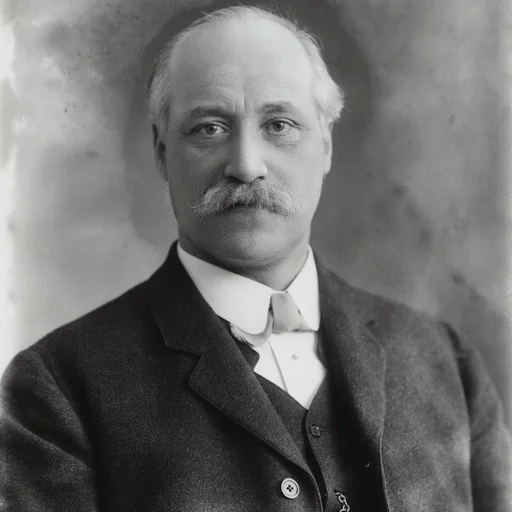
Sir Francis Job Short PPRE (19 June 1857 – 22 April 1945) was a British printmaker and teacher of printmaking.