Artwork
Bird and Flower
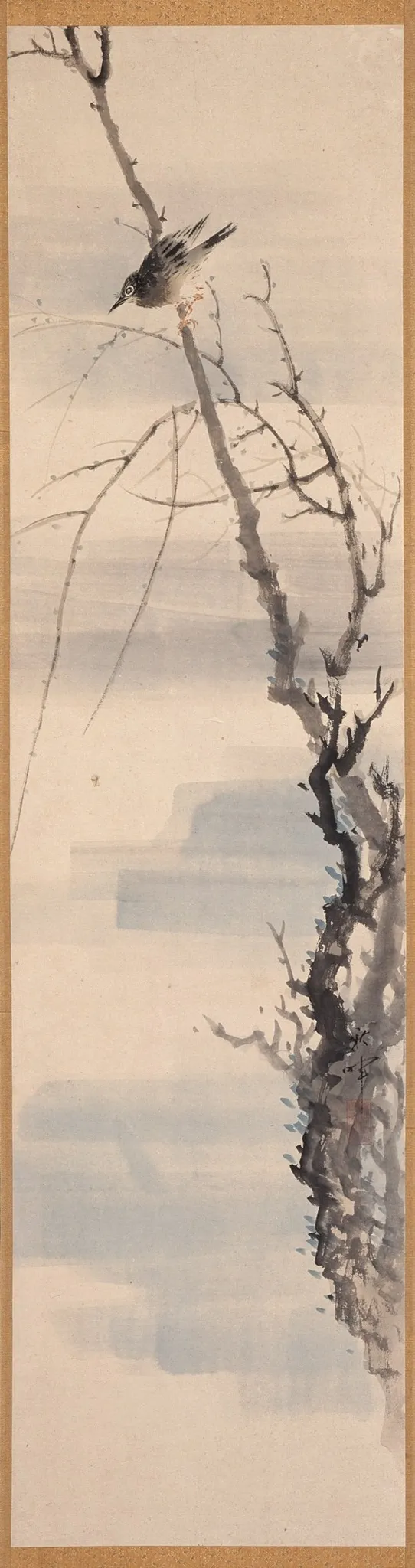
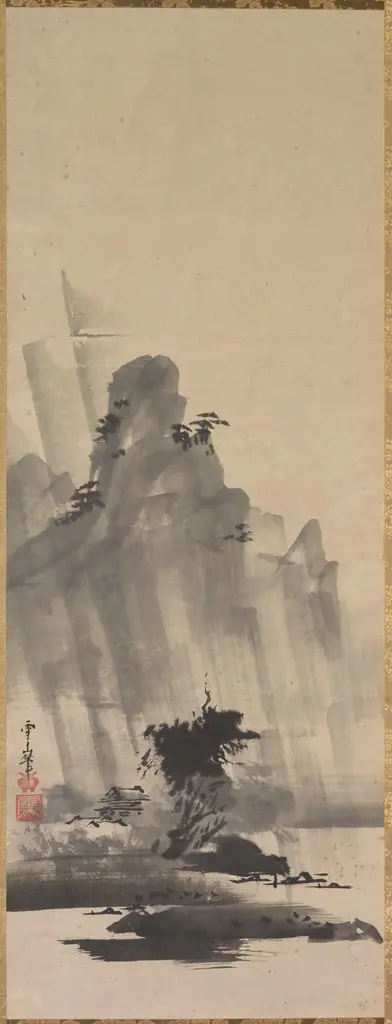
Bird and Flower is an unspecified painting by Shuki Okamoto. It dates from 1850 and is held in the collection of the Los Angeles County Museum of Art.
About this work
Overview
Bird and Flower, dated around 1850, is a small-scale ink and color painting by Japanese artist Shuki Okamoto.
Bird and Flower, dated around 1850, is a small-scale ink and color painting by Japanese artist Shuki Okamoto. It belongs to a tradition of nature-focused works that emphasize quiet observation. The piece is part of the collection at the Los Angeles County Museum of Art, where it is displayed as an example of mid-19th century Japanese painting rooted in naturalistic detail and restrained composition.
Subject & Meaning
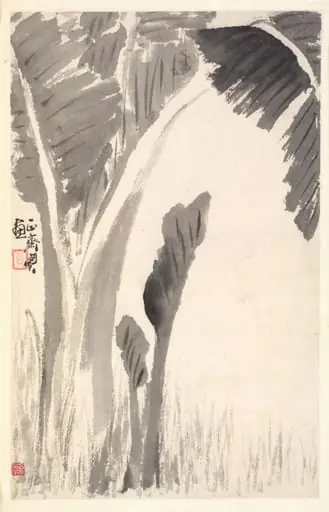
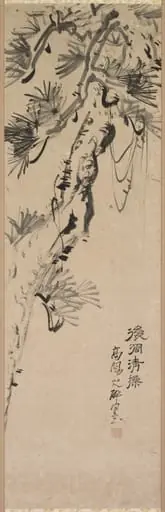
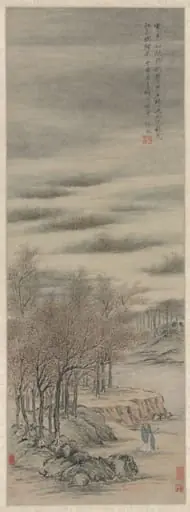
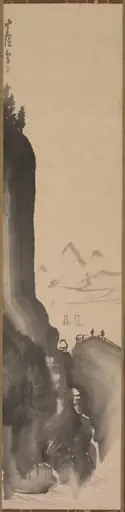
The painting presents a solitary bird resting on a bare branch, set against a muted landscape. The absence of flowers in the title’s reference may suggest a focus on resilience or seasonal transition rather than floral abundance. The bird’s stillness and the quiet background evoke a contemplative mood, aligning with aesthetic values that find significance in simplicity and the subtle presence of life within nature.
Technique & Style
Okamoto employs fine brushwork to render the bird’s feathers in soft grays and whites, contrasting with the dark, textured bark of the branch. The background is washed with a pale blue, suggesting distance without defining it precisely. Details are rendered with precision but without ornamentation, reflecting a style that values restraint and careful observation over dramatic effect.
History & Provenance
The painting’s early history is undocumented, but it entered the Los Angeles County Museum of Art’s collection in the 20th century as part of a broader acquisition of Japanese works from the Edo and Meiji periods. Its attribution to Shuki Okamoto is based on stylistic analysis and comparison with other known works from his circle, though few of his pieces survive with clear provenance.
Context
Created during the late Edo period, the painting reflects a cultural moment when nature themes remained central in Japanese art, even as urbanization and foreign influence grew. Artists like Okamoto continued traditions of ink painting that emphasized harmony and quietude, offering an alternative to the more theatrical styles emerging in other parts of the art world at the time.
Legacy
Though not widely known outside specialized collections, Bird and Flower exemplifies the enduring appeal of intimate nature studies in Japanese painting. Its preservation in a major Western museum underscores its role as a representative work of a quiet, detail-oriented tradition that continues to inform contemporary interpretations of natural form and stillness.
Artist & collection