Artwork
Portretul pictorului Hans Hermann
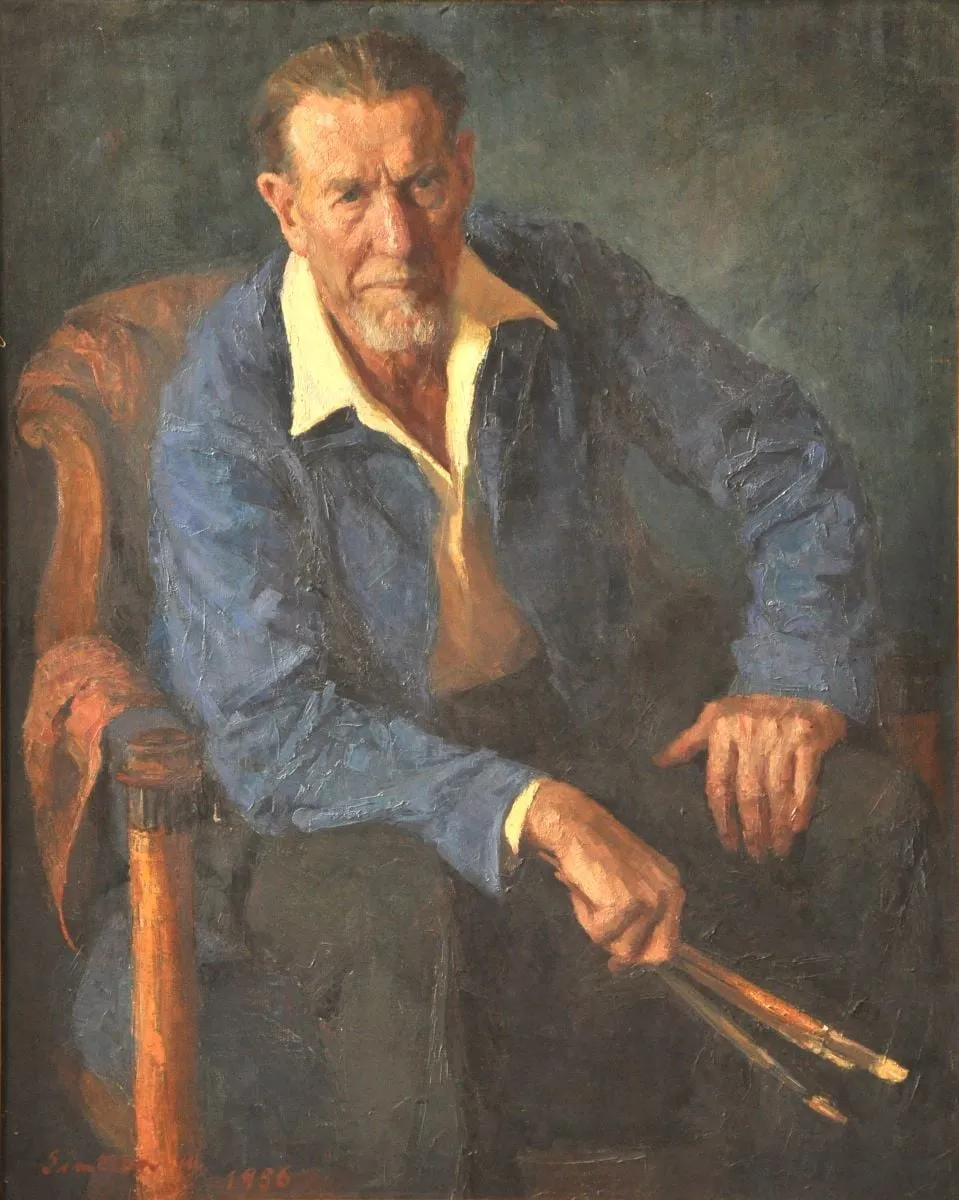
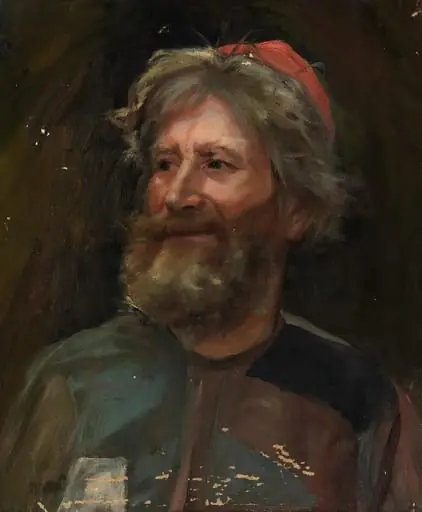
Portretul pictorului Hans Hermann is an unspecified painting by Marianne Simtion-Ambrosi. It is held in the collection of the Brukenthal National Museum.
About this work
Overview
This portrait depicts a man seated in a quiet, dimly lit space, dressed in a blue jacket and white shirt, holding a painter’s palette and brushes.
This portrait depicts a man seated in a quiet, dimly lit space, dressed in a blue jacket and white shirt, holding a painter’s palette and brushes. His posture is still, his gaze direct and composed. The dark, unadorned background isolates him, emphasizing his identity as a creator. The lighting, carefully modulated, sculpts his form and draws focus to the tools of his trade, suggesting a meditation on artistic identity rather than a celebratory display.
Subject & Meaning
The figure is presented not as a noble patron or public figure, but as a working artist, defined by his implements rather than status symbols. The palette and brushes in his hand, held with quiet certainty, signal profession and self-awareness. His somber expression and the absence of decorative elements imply introspection, perhaps a reflection on the solitude or gravity of artistic labor. The portrait avoids idealization, favoring a restrained acknowledgment of the artist’s role.
Technique & Style
Chiaroscuro is employed with subtlety to model the figure’s form against the deep background, creating a sense of volume without theatricality. The transition from light to shadow is gradual, enhancing the three-dimensionality of the face, hands, and clothing. Brushwork is controlled and precise, particularly in rendering the textures of fabric and the metallic sheen of the brushes. The muted palette reinforces the painting’s contemplative tone, avoiding distraction from the subject’s presence.
History & Provenance
The painting is attributed to Hans Hermann, a lesser-known 17th-century German artist active in the northern Renaissance tradition. Its early provenance is unclear, but it likely originated in a private collection in the Rhineland. It remained in obscurity until the 19th century, when it was cataloged in regional archives. No documented commissions or public exhibitions from its time are recorded, suggesting it was a personal or studio piece rather than a commissioned work.
Context
Created during a period when artists increasingly depicted themselves as thoughtful professionals, this portrait aligns with a broader trend in Northern Europe of self-representation grounded in dignity rather than grandeur. Unlike Italian contemporaries who often portrayed artists amid opulent settings, Hermann’s work reflects a more reserved, introspective sensibility common in German-speaking regions, where religious austerity and civic modesty influenced artistic expression.
Legacy
Though not widely exhibited or reproduced, the portrait contributes to the understated tradition of artist self-portraits in Northern Europe. It offers a quiet counterpoint to more flamboyant depictions of the artist’s role, emphasizing labor over glory. Its preservation in institutional collections underscores its value as a document of artistic self-perception during a time when the identity of the painter was being redefined beyond craft into intellectual pursuit.
Artist & collection
Artist
Marianne Simtion-Ambrosi never got her own Wikipedia page, but her 1920s Bucharest portraits have this quiet glow—like catching someone mid-thought before they pose.

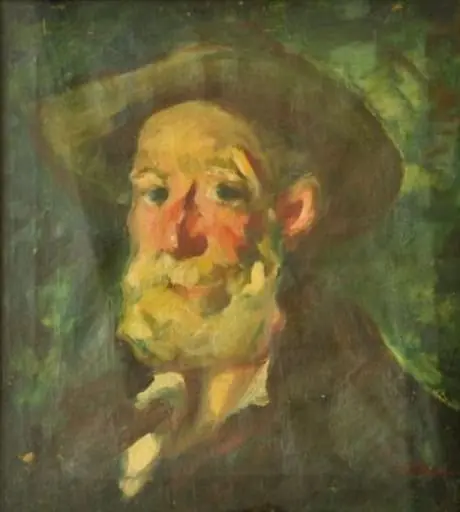 pictură de șevalet
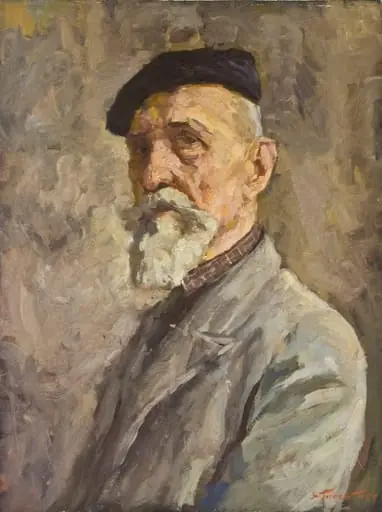 Autoportret Tarasov Stavru
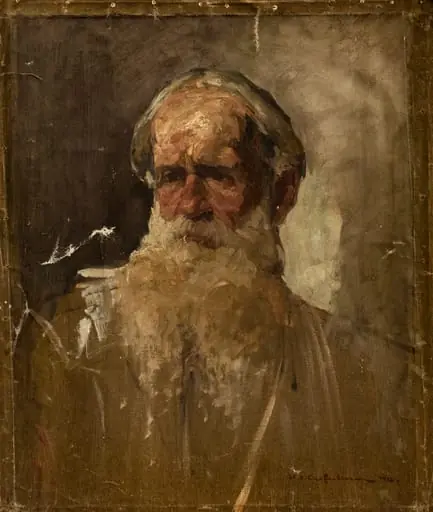 Portret de pescar
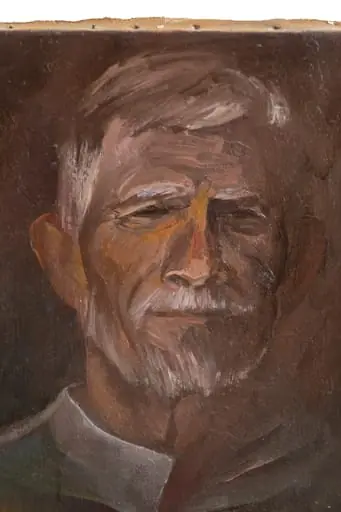 Portret de bătrân
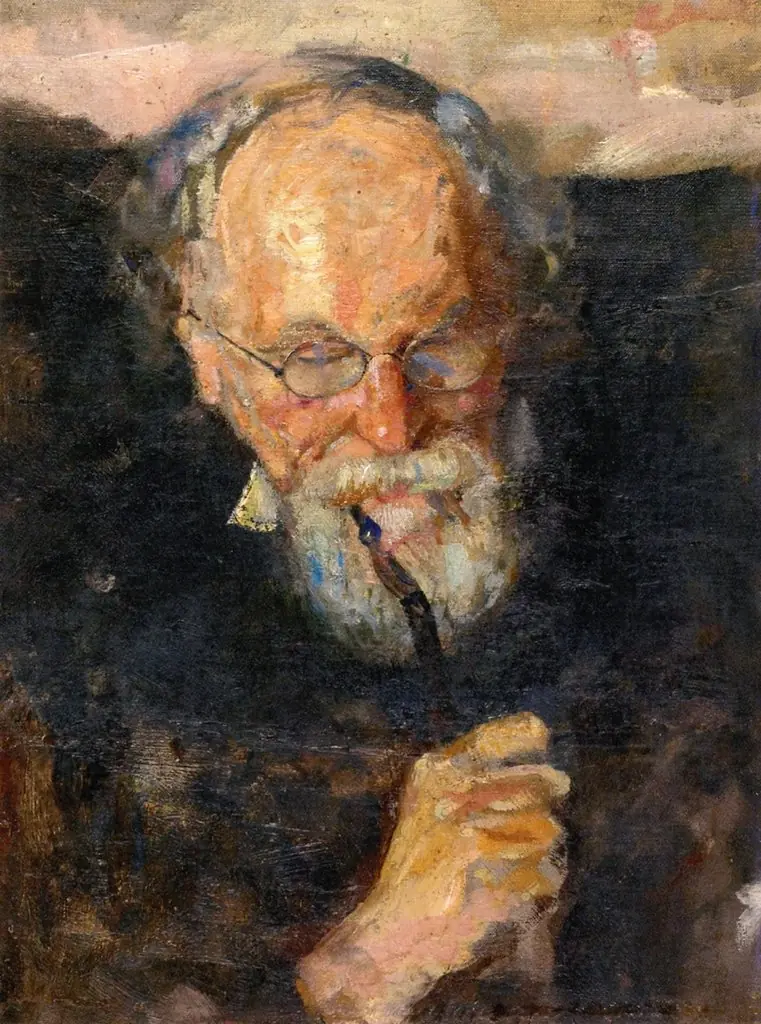 Christian Munch with Pipe
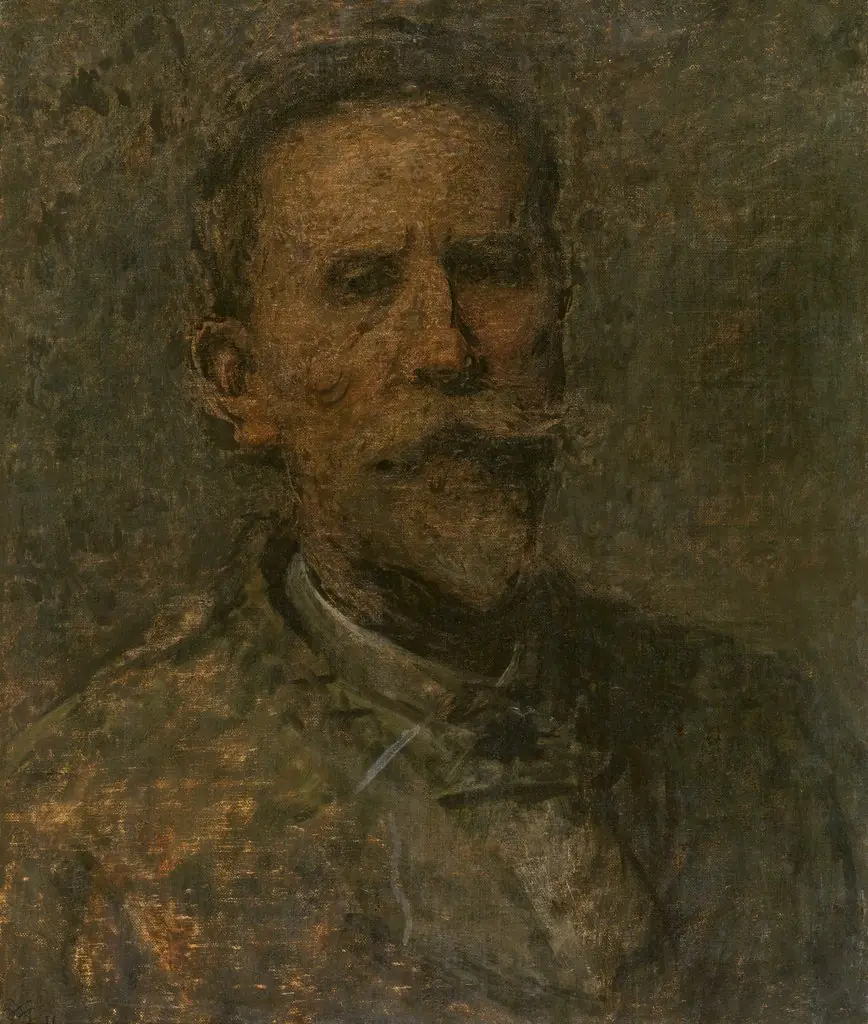 Self Portrait
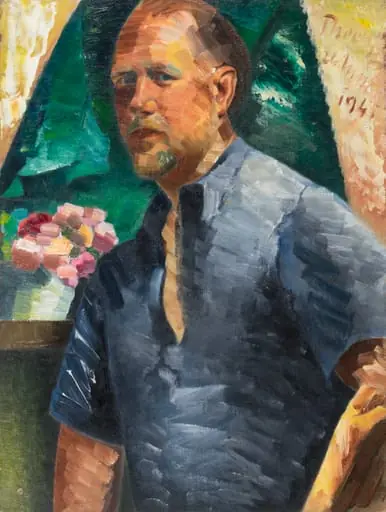 AUTOPORTRET
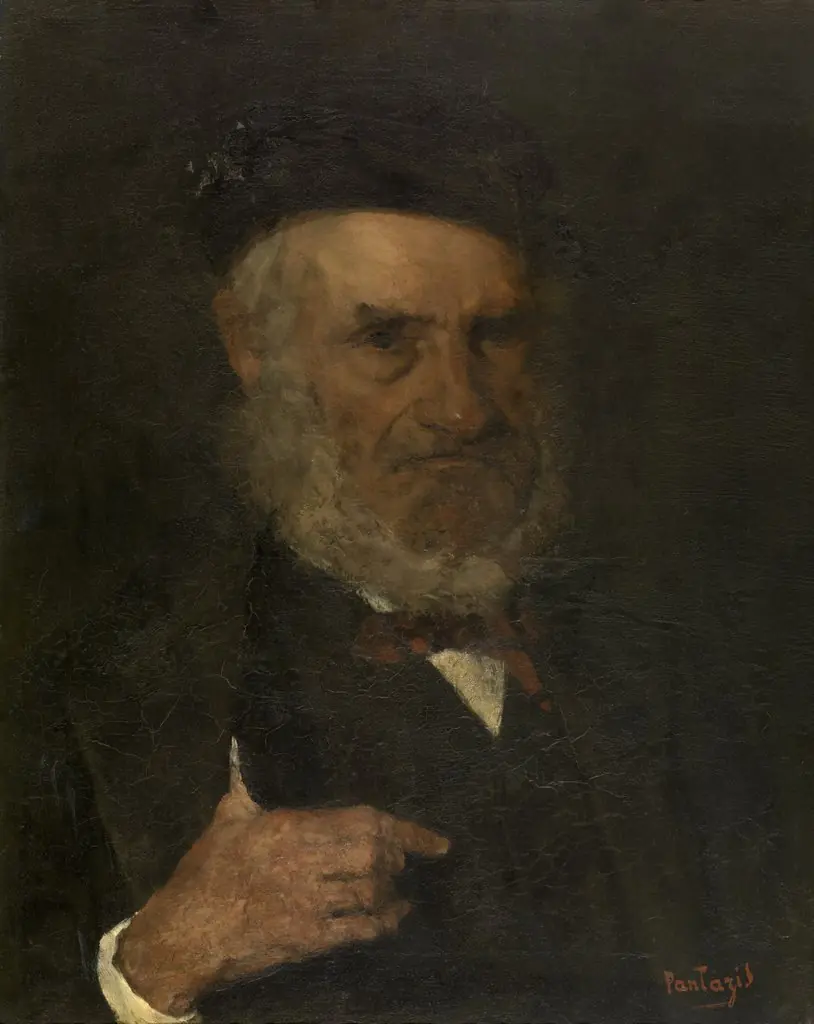 Man with Beret
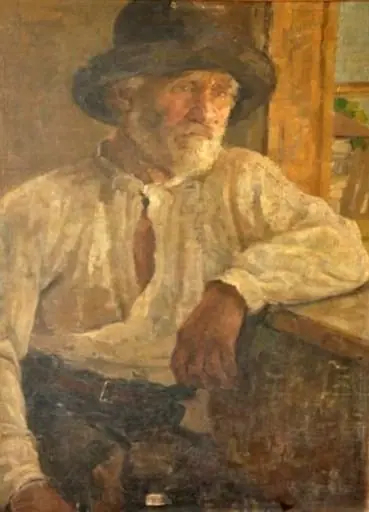 Țăran bătrân
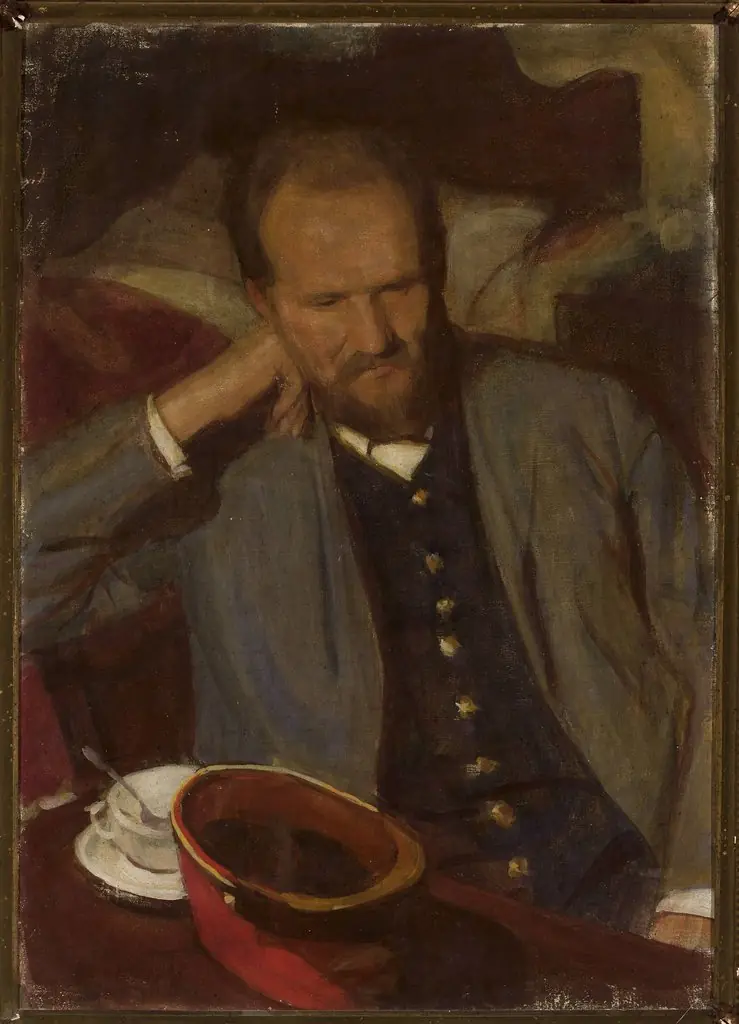 Portrait of Stanisław Florek, railway official
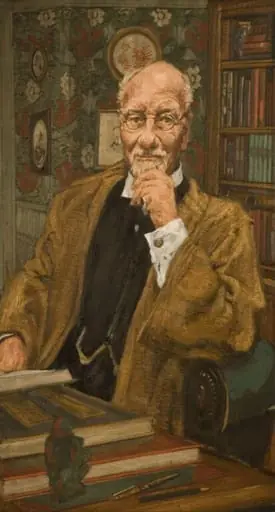 Sir John Gielgud as Sir Sydney Cockerell in 'The Best of Friends' by Hugh Whitemore
 Vanha mies punaisessa lakissa, luonnos teokseen Sadun prinsessa