Artwork
Guy Little Theatrical Photograph
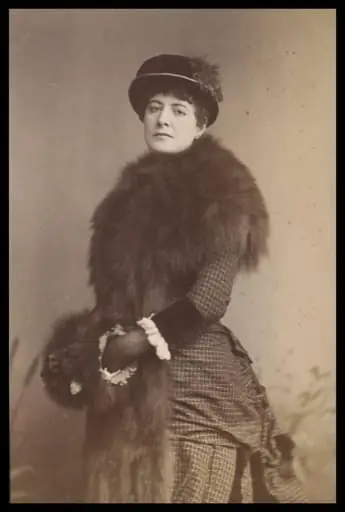
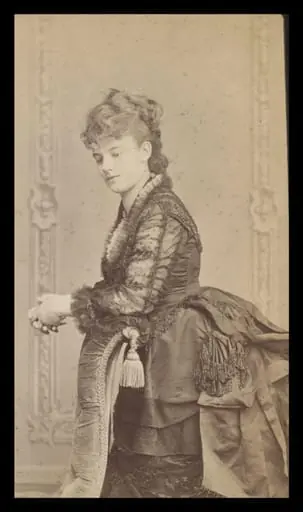
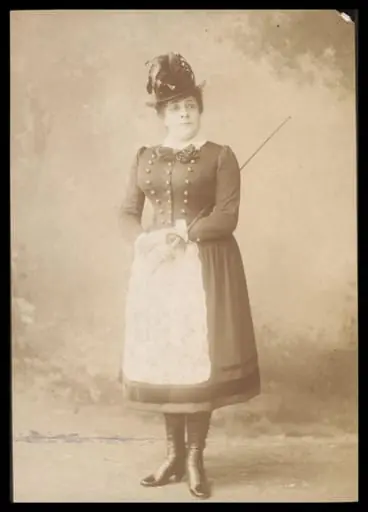
Guy Little Theatrical Photograph is a photographic photography by Edward Smith. It dates from 1850 and is held in the collection of the Victoria and Albert Museum.
About this work
Overview
His bequest to the V&A included thousands of such images, forming a significant archive of Victorian theatrical culture.
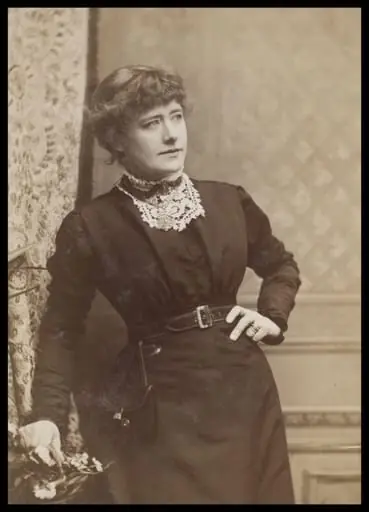
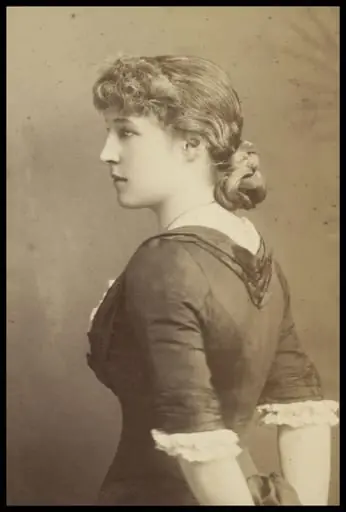
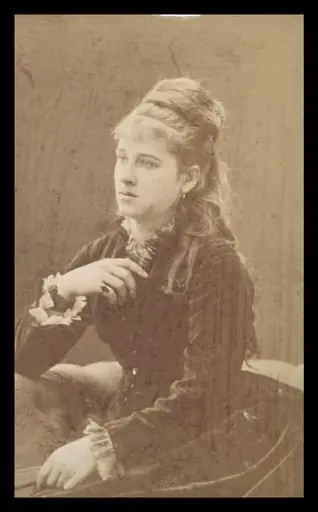
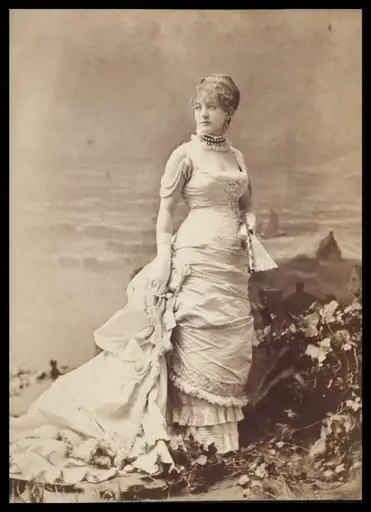
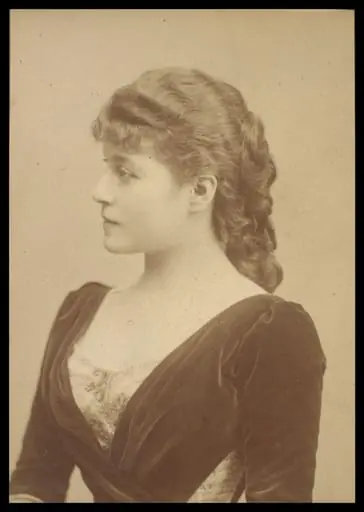
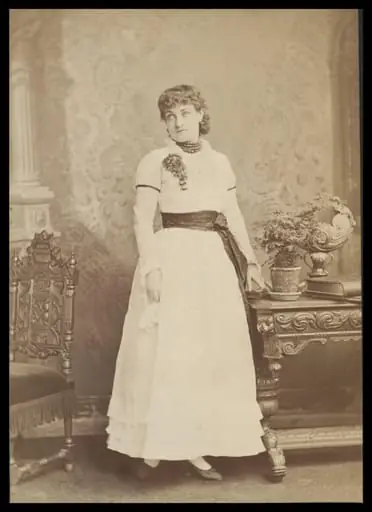
This photograph of actress Emma Broughton was produced in the late 19th century by Edward Smith using the albumen printing process, a dominant technique of the era. Made from a glass negative and mounted on card, it belongs to a personal collection assembled by Guy Tristram Little, a solicitor and avid collector of photographic memorabilia. His bequest to the V&A included thousands of such images, forming a significant archive of Victorian theatrical culture.
Subject & Meaning
Emma Broughton, a stage performer of the period, is depicted in theatrical costume, reflecting the common practice of actors posing for promotional portraits. These images served both as personal keepsakes and public advertisements, reinforcing the performer’s public persona. The choice of costume over everyday dress emphasized her professional identity, aligning with the era’s growing fascination with celebrity and visual documentation.
Technique & Style
The image is an albumen print, created by coating paper with egg white and silver salts, then exposed to light through a glass negative. Mounted on sturdy card, it follows the standard format of the carte de visite, measuring approximately 2.5 by 4 inches. The technique allowed for mass production and sharp detail, making it ideal for distribution among collectors and fans during the height of its popularity in the 1860s.
History & Provenance
The photograph was once part of a larger album compiled by Guy Tristram Little, who systematically removed such images from their original mounts and reorganized them. Little, a partner in a London legal firm, inherited and preserved materials from Gabrielle Enthoven, a pioneering collector of theatre ephemera. His collection, donated to the V&A after his death in 1953, became foundational to the museum’s theatre holdings.
Context
During the Victorian era, cartes de visite became a cultural phenomenon, circulating widely as collectible items alongside portraits of royalty, celebrities, and landmarks. Theatrical figures were among the most popular subjects, capitalizing on public interest in the stage. By the 1870s, larger cabinet cards replaced them, and by the 1890s, postcards and new photographic formats began to dominate, signaling a shift in how images were consumed and preserved.
Legacy
Little’s assembled collection preserved a broad spectrum of theatrical portraiture that might otherwise have been lost. These photographs now serve as primary sources for studying 19th-century performance, fashion, and visual culture. The V&A’s acquisition of his materials ensured their accessibility to researchers and historians, anchoring the museum’s role in documenting the evolution of theatre and photography.
Artist & collection
Artist
Edward Smith spent his days behind a camera in late-1800s London, chasing the flicker of footlights instead of mountain peaks.