Artwork
Self-portrait
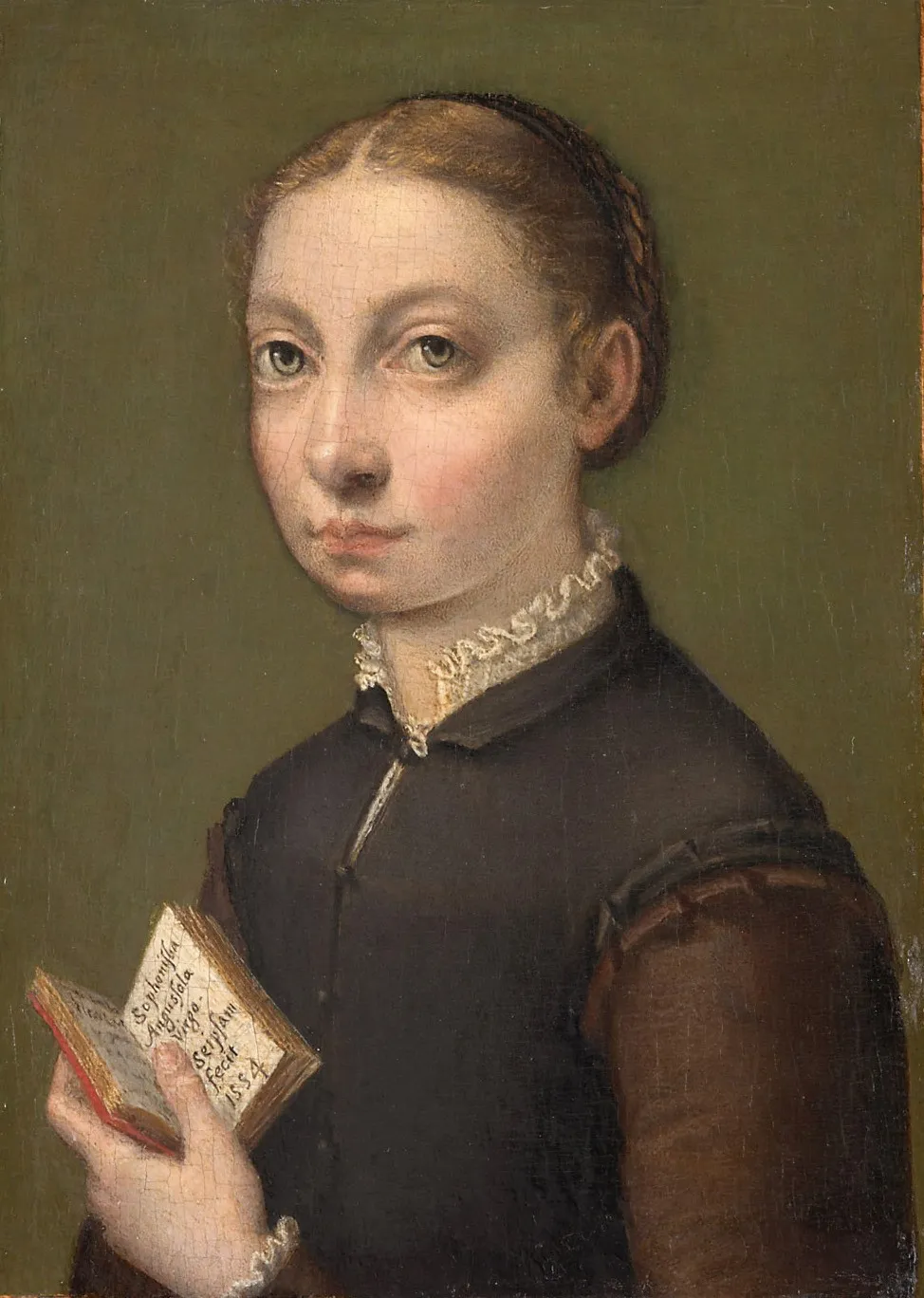
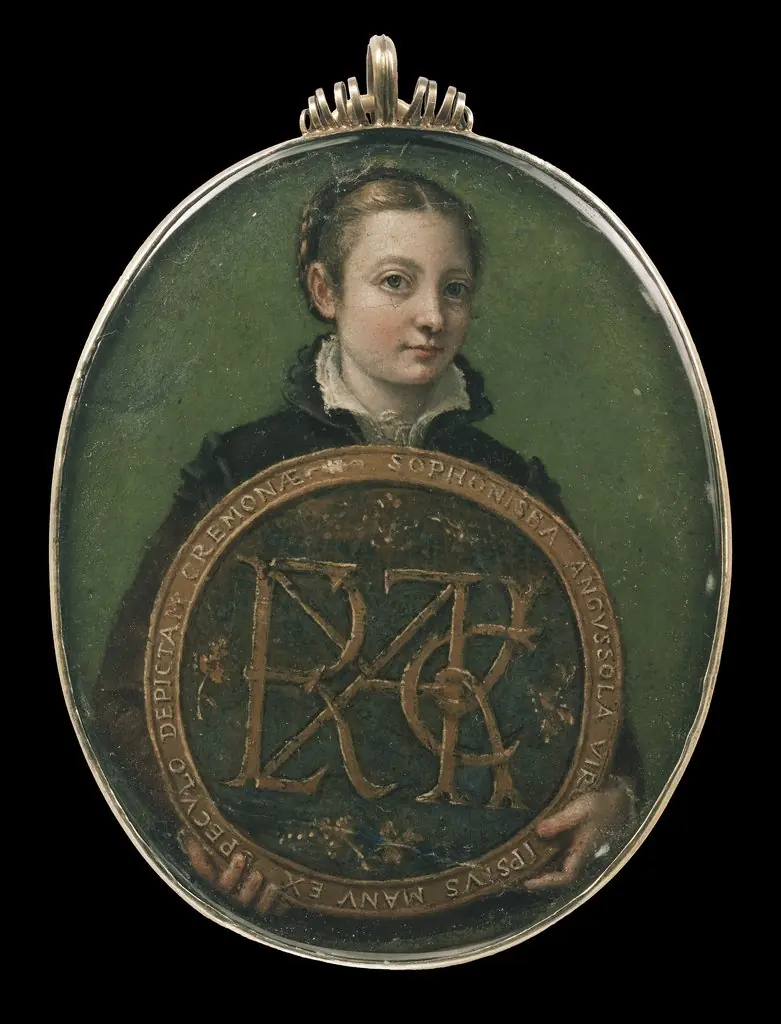
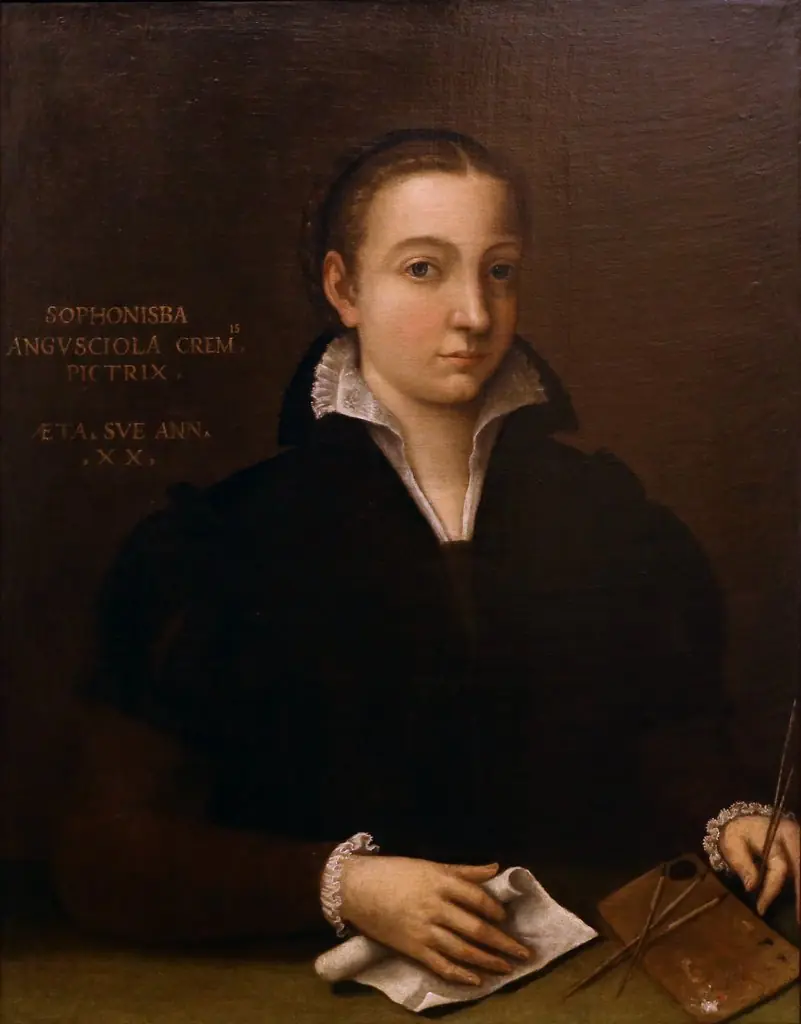
Self-portrait is an oil painting by the Early Baroque Italian artist Sofonisba Anguissola. It dates from 1554 and is held in the collection of the Kunsthistorisches Museum.
About this work
The portrait shows the young woman with a book, a detail that helps us see how she marked the year of its creation.
Self‑portrait is a small oil‑on‑panel work painted by the Italian artist Sofonisba Anguissola. It dates from 1554 and the artist signed and dated it on the open book she holds. The painting is now part of the collection at the Kunsthistorisches Museum in Vienna.
The portrait shows the young woman with a book, a detail that helps us see how she marked the year of its creation.
Look up the museum: Kunsthistorisches Museum.
Overview
This modestly sized oil painting on panel, created in 1554, depicts Sofonisba Anguissola herself. The artist’s signature and the date appear on an open book she holds, confirming both authorship and the year of execution. The work is presently housed in Vienna’s Kunsthistorisches Museum.
Subject & Meaning
The portrait presents the young Anguissola holding a book, a conventional attribute that underscores her education and intellectual pursuits. By portraying herself with a text, she aligns her identity with literacy and the cultured ideals expected of a Renaissance woman of her standing.
Technique & Style
Executed in oil on a small wooden panel, the painting demonstrates the fine brushwork and delicate modeling characteristic of mid‑sixteenth‑century Italian portraiture. The handling of light on the fabric and the subtle rendering of facial features reflect Anguissola’s training within the Ferrarese court and her exposure to contemporary Northern Italian techniques.
History & Provenance
Initially catalogued in the Belvedere Gallery, the work was once misidentified as a portrait of Infanta Isabella Clara Eugenia on her betrothal to Archduke Albert VII. In 1885, Adolfo Venturi linked the painting to a 1556 letter from Anguissola’s father to Duke Ercole II d’Este, which mentioned a self‑portrait sent for the duke’s daughter Lucrezia. Venturi further suggested that the piece entered the Habsburg collection via a 1603‑04 gift from Cardinal Alessandro d’Este to Emperor Rudolf II, a hypothesis now widely accepted.
Context
The self‑portrait belongs to a period when Anguissola was establishing her reputation at the Ferrarese court. Portraits of oneself were uncommon for women artists, and this work served both as a demonstration of skill and as a diplomatic gift, reinforcing familial and political connections across Italian and Habsburg courts.
Artist & collection
Artist
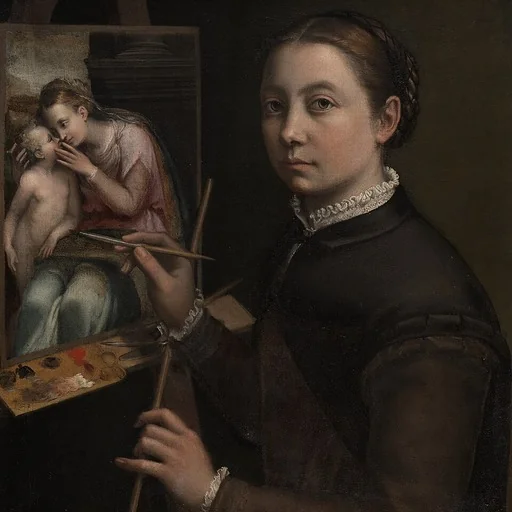
Sofonisba Anguissola (also Sophonisba Angussola or Anguisciola; c. 1532 – 16 November 1629) was an Italian Renaissance painter born in Cremona to a relatively poor noble family. She received a well-rounded education…

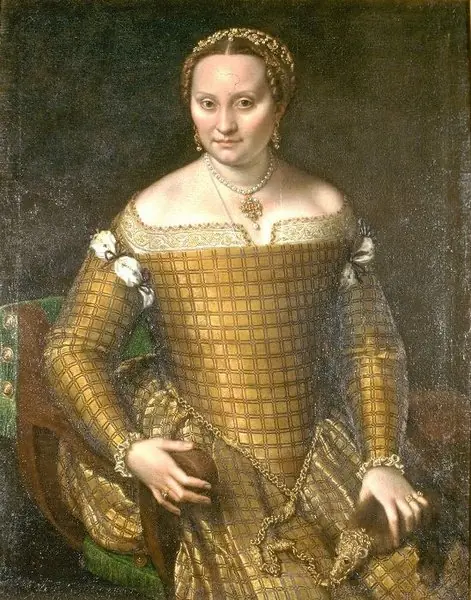
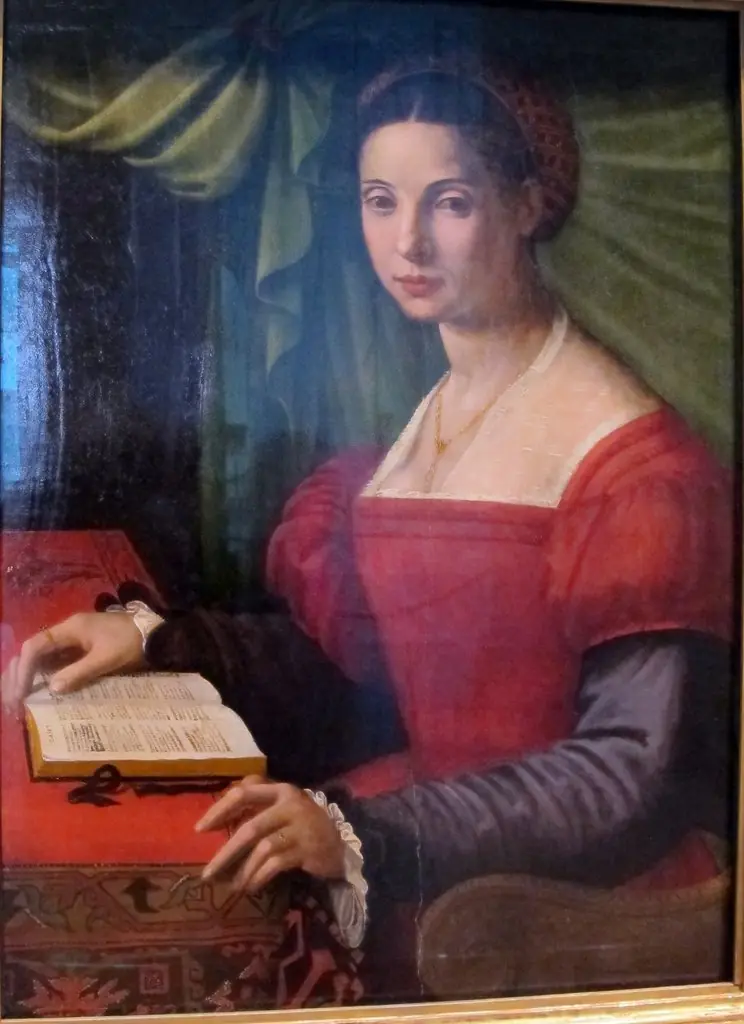 Portrait of a Woman
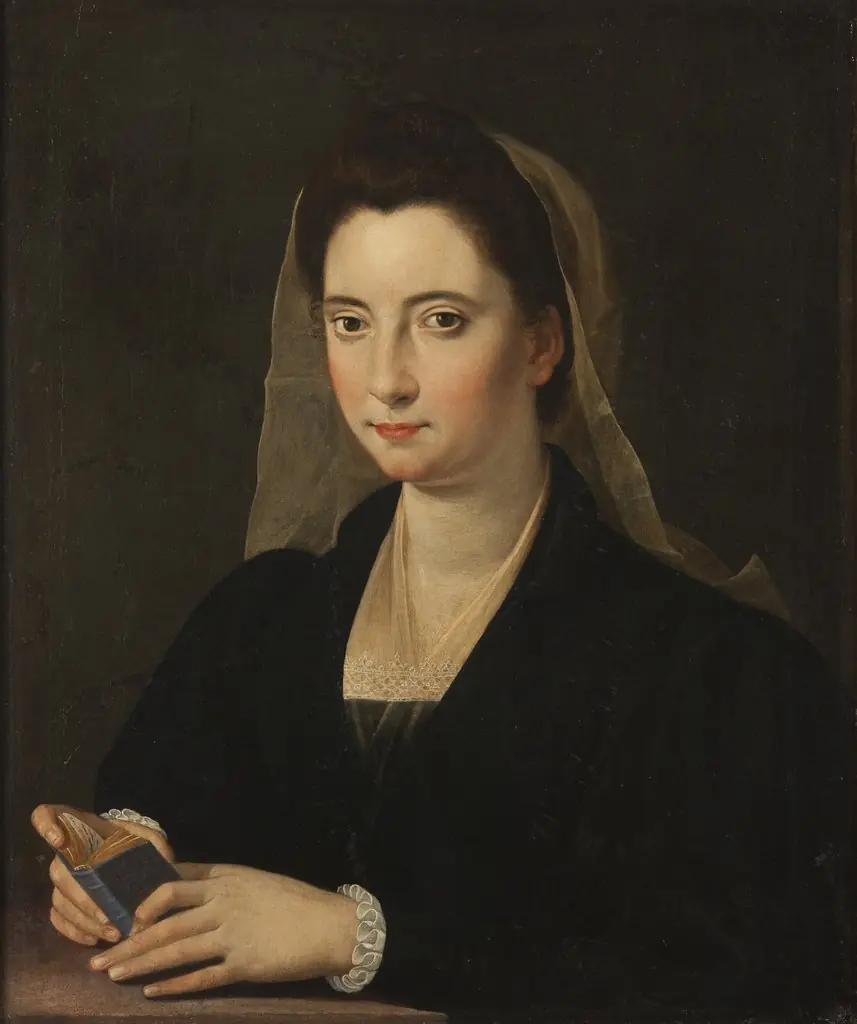 Young Lady, called Lucrezia Cenci
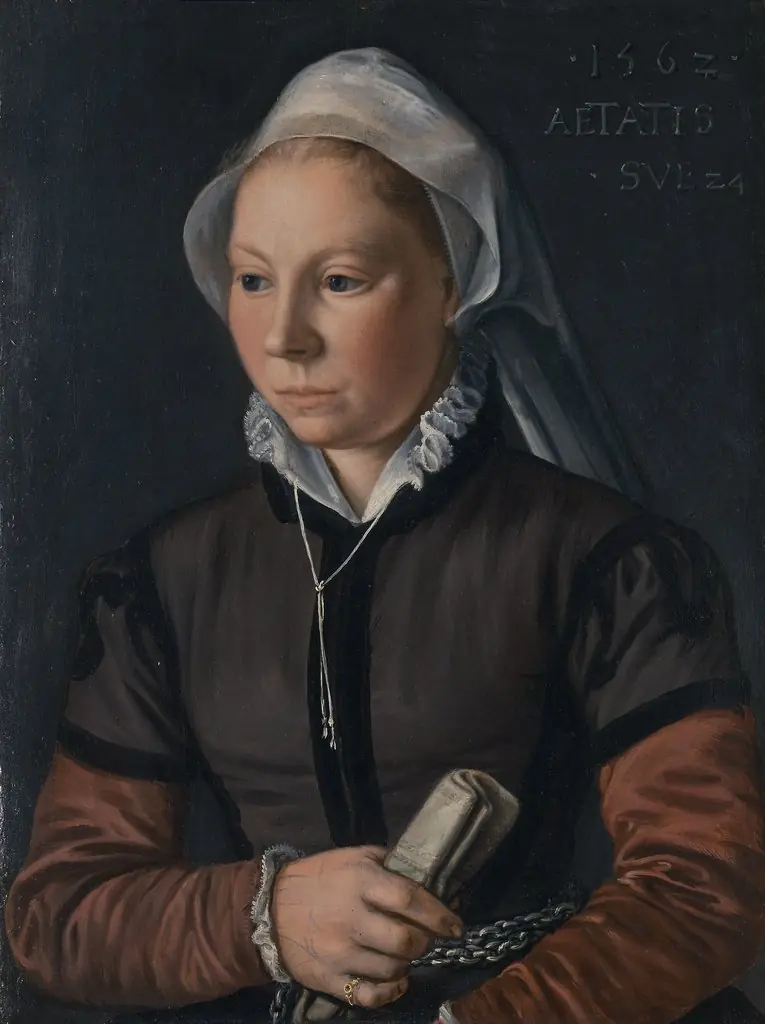 Portrait of a Young Woman
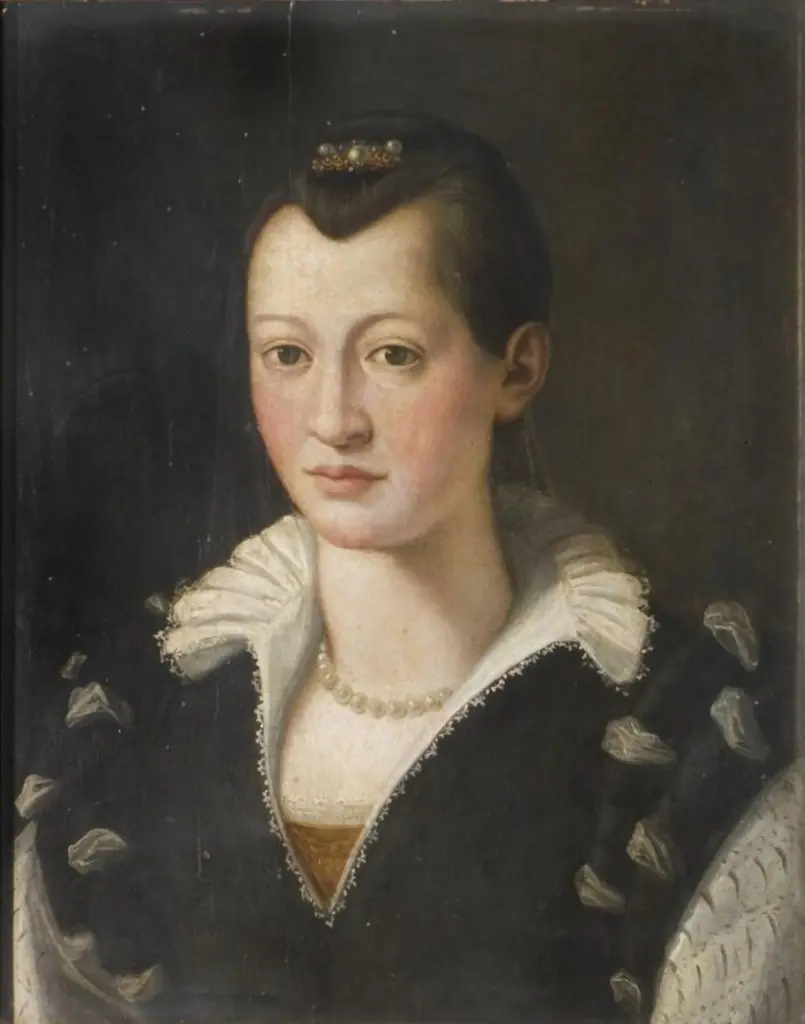 Portrait of a Lady in a Black Dress
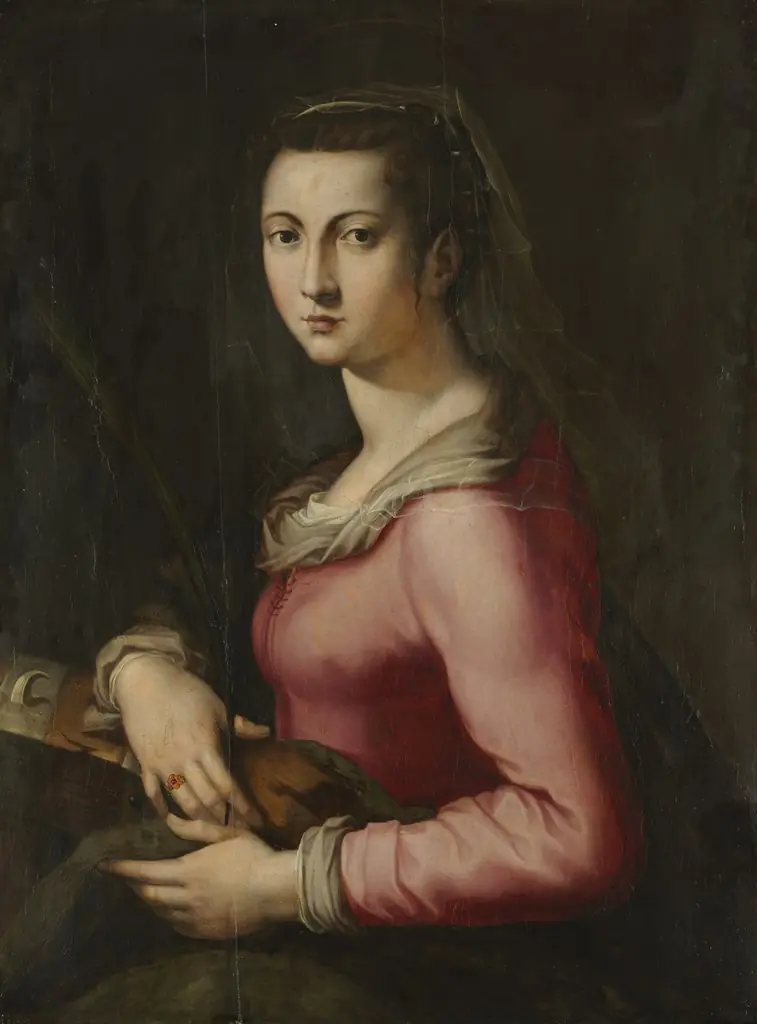 Portrait of a Woman as Saint Catherine
 Portrait of a Young Woman
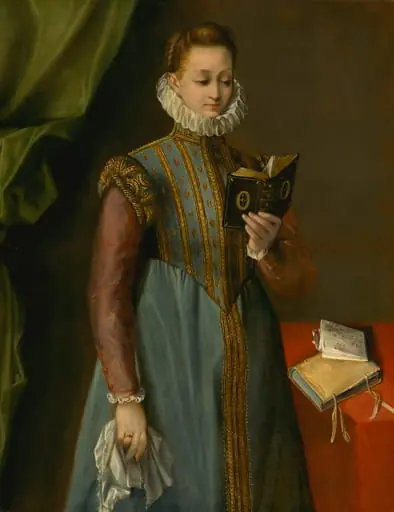 Quintilia Fischieri
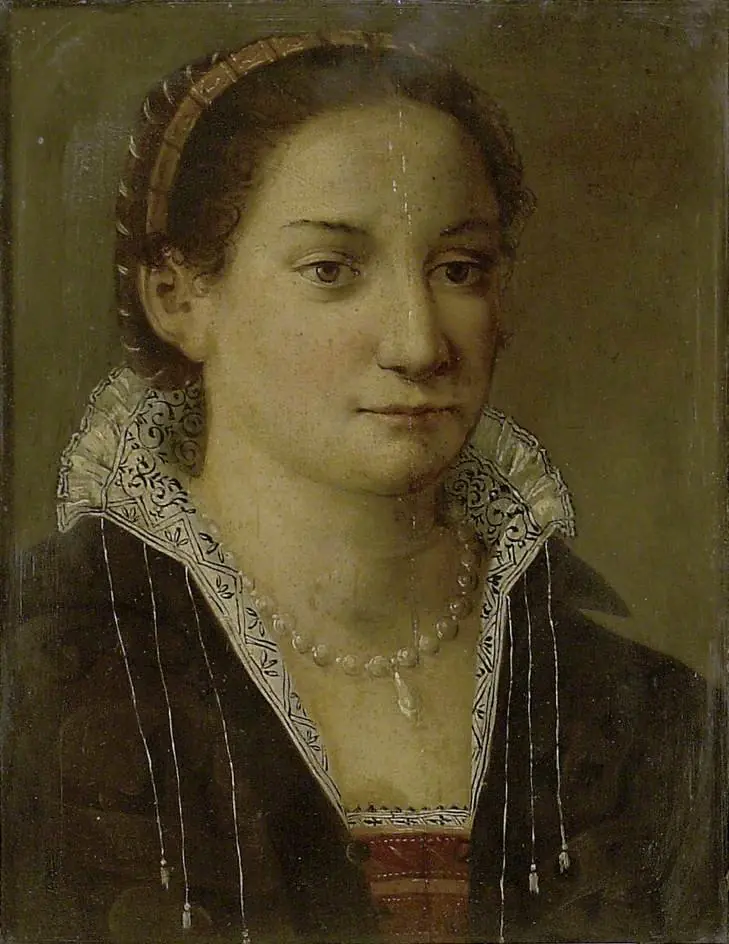 Portrait of a Woman
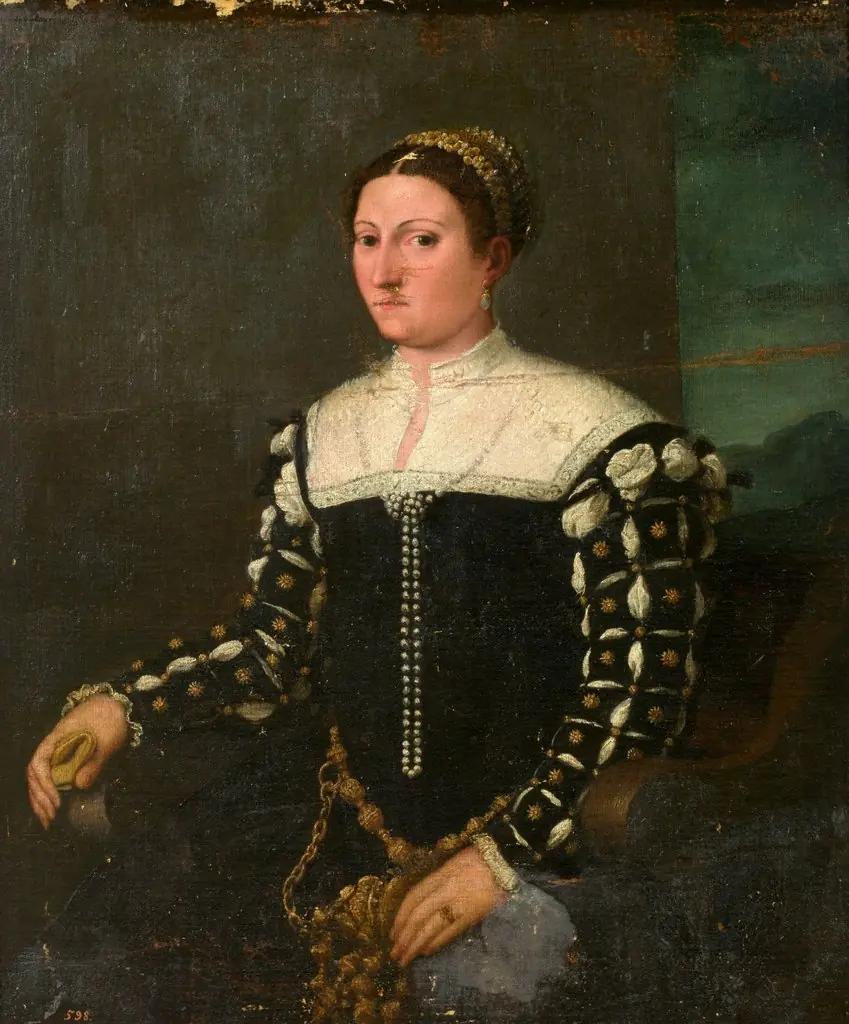 Portrait of an unknown woman
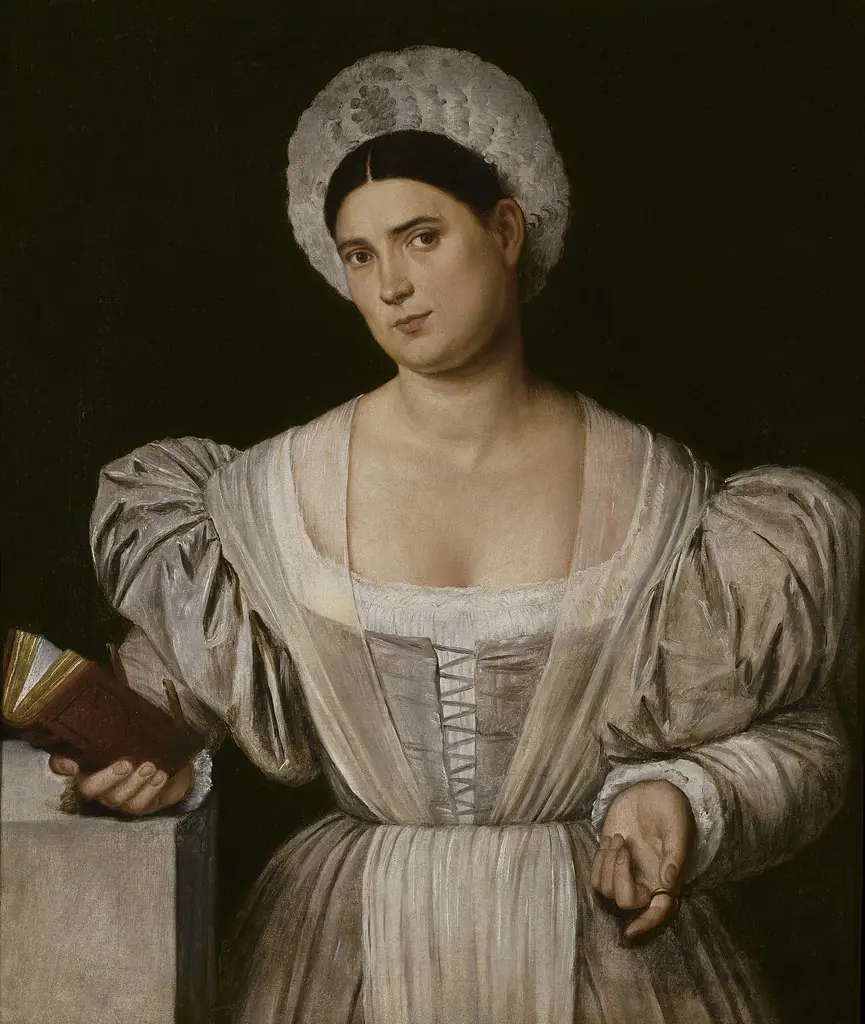 Portrait of a Woman (Agnese, the painter’s sister-in-law?)
 Self-portrait
 Portrait of a Young Lady