Artwork
Portrait of Miss Ormsby, later Mrs Homan
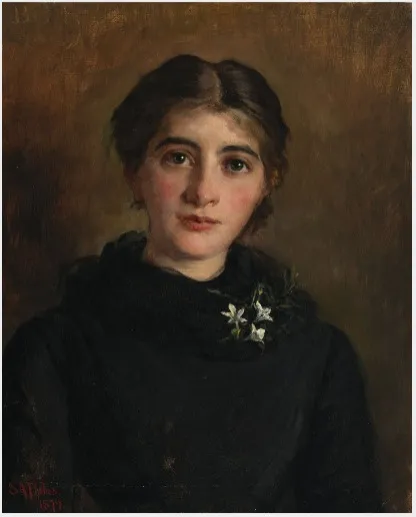
Portrait of Miss Ormsby, later Mrs Homan is an oil painting by the British Romanticist artist Stanhope Forbes. It dates from 1890 and is held in the collection of the National Gallery of Ireland. Stanhope Alexander Forbes painted the oil portrait of Miss Ormsby—who later became Mrs Homan—in 1890.
About this work
Overview
Stanhope Alexander Forbes painted the oil portrait of Miss Ormsby—who later became Mrs Homan—in 1890. The work belongs to the National Gallery of Ireland and exemplifies Forbes’s output during his early career, when he was establishing the Newlyn School’s reputation for naturalistic representation.
Subject & Meaning
The canvas shows a young woman with dark hair, dressed in a black gown accented by a single white flower on her left shoulder. Her eyes look to the right and her expression remains neutral, conveying a quiet, introspective mood that reflects the conventions of late‑Victorian portraiture.
Technique & Style
Executed in oil, the painting employs a restrained palette of dark tones against a warm brown background. Forbes’s handling of light creates subtle contrasts that model the figure’s form without dramatic chiaroscuro, aligning the work with the realist tendencies of the Newlyn School.
History & Provenance
Created during the period when Forbes was a founding member of the Newlyn School, the portrait entered the National Gallery of Ireland’s collection, where it remains on display as part of the institution’s holdings of British art from the late nineteenth century.
Context
The portrait was produced at a time when British Romanticism was giving way to more naturalistic approaches. Forbes and his Newlyn colleagues emphasized painting directly from life, often focusing on everyday subjects, and this work reflects that shift toward sober, observational portraiture.
Artist & collection
Artist
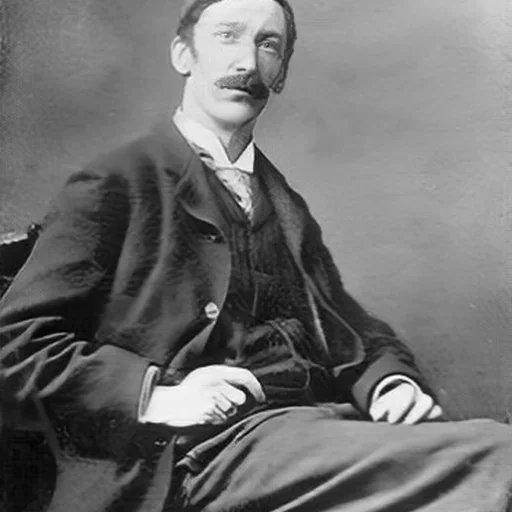
Stanhope Alexander Forbes (18 November 1857 – 2 March 1947) was a British artist, born in Ireland, and a founding member of the influential Newlyn school of painters. He was often called 'the father of the Newlyn School'.

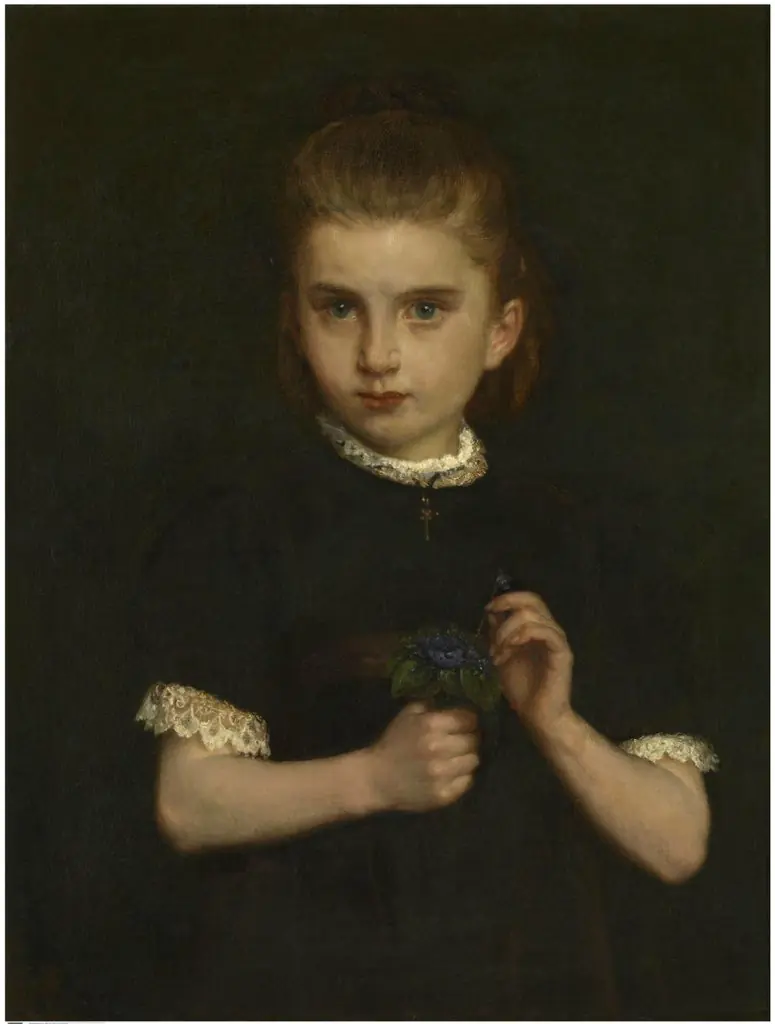 Girl holding a bouquet of violets
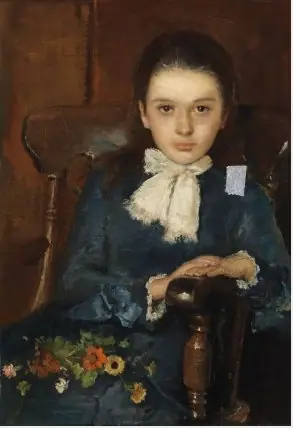 Portrait of Frances Elizabeth Geoghegan as a Child
 Portrait of a Woman
 Gabrielle Cot
 Profil pierdut
 The Artist's Wife, Constance, Comtesse de Markievicz (1868-1927), Irish Painter and Revolutionary
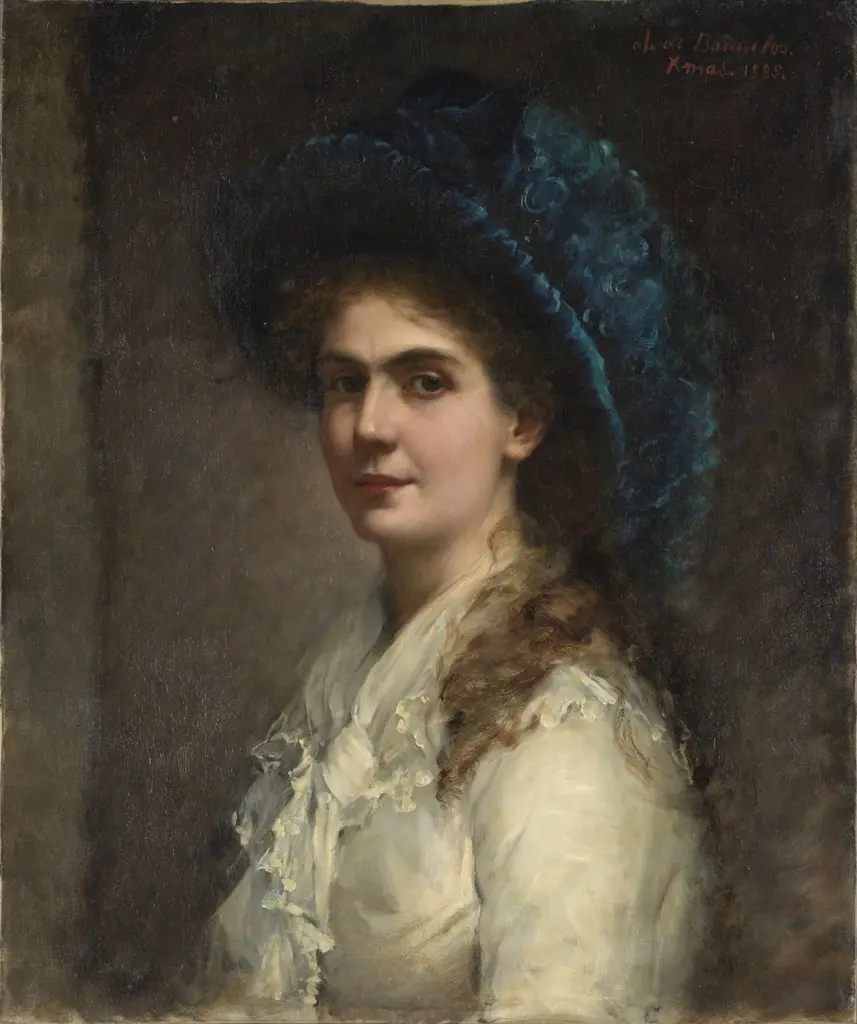 Self-portrait
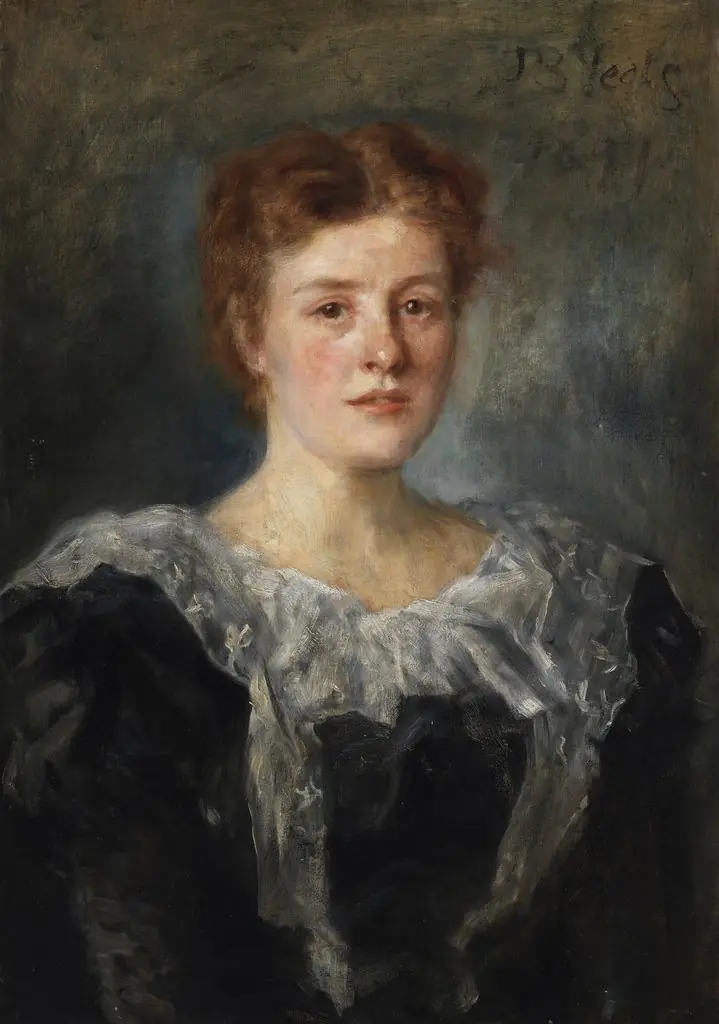 Portrait of Susan Mitchell (1866-1926), Poet
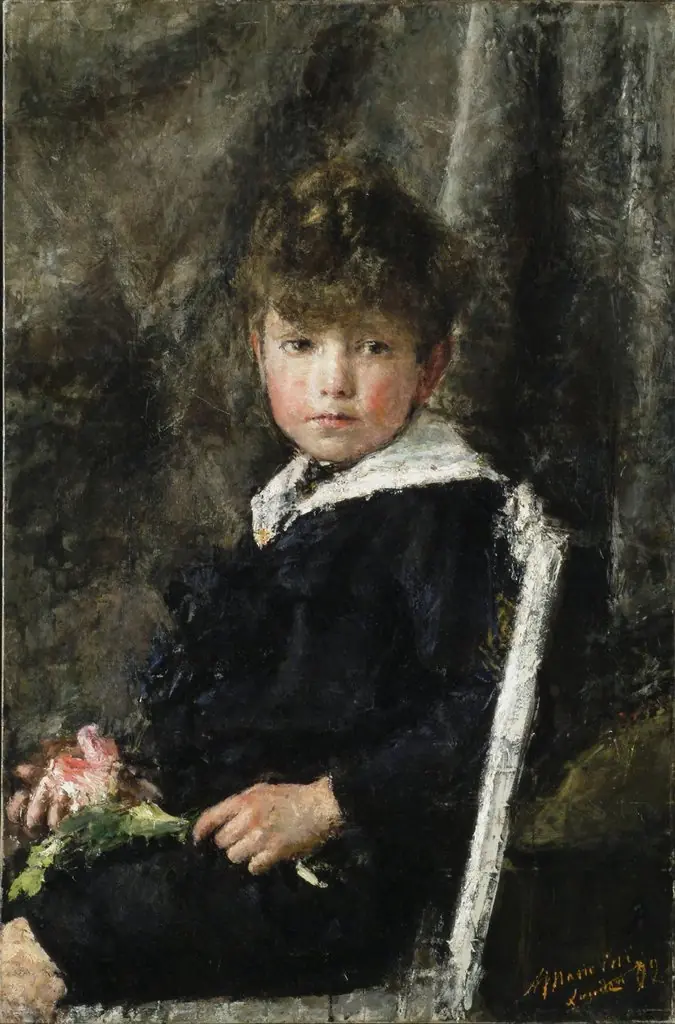 Seated Boy
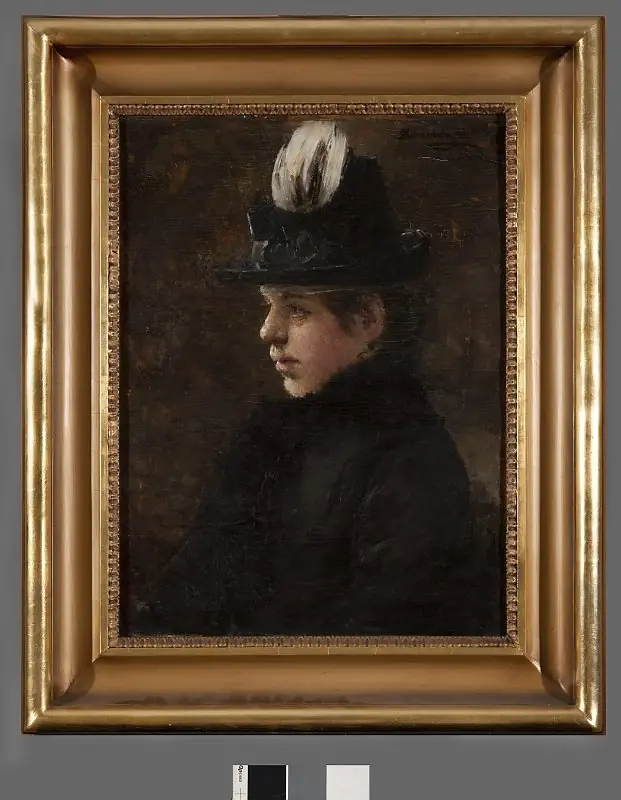 Study of a girl in a hat with a little feather
 Portrait of Miss Ethel Warwick
 Portrait of Mrs Van Soom