Artwork
Bowl of Fruit
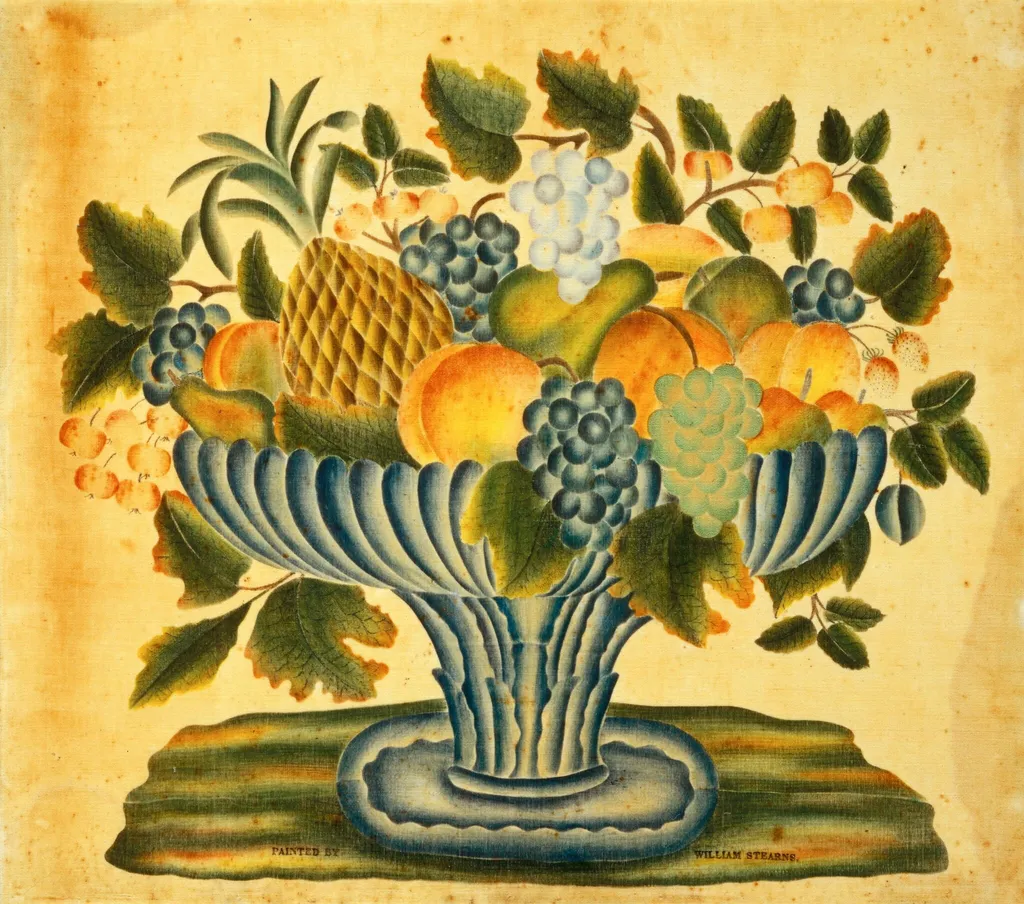
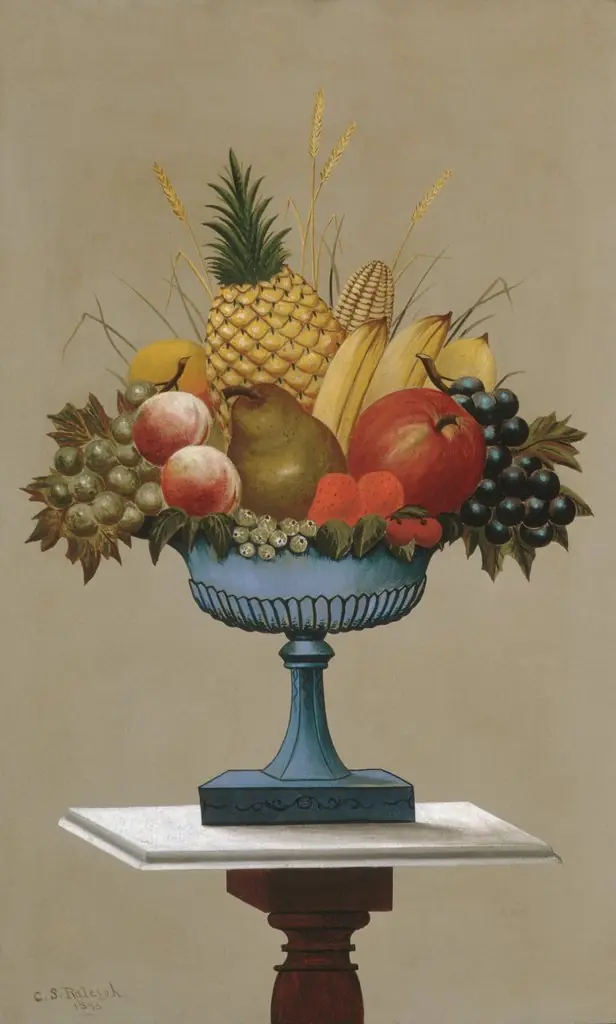
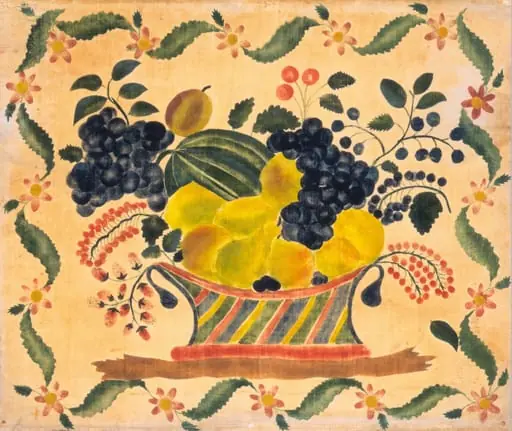
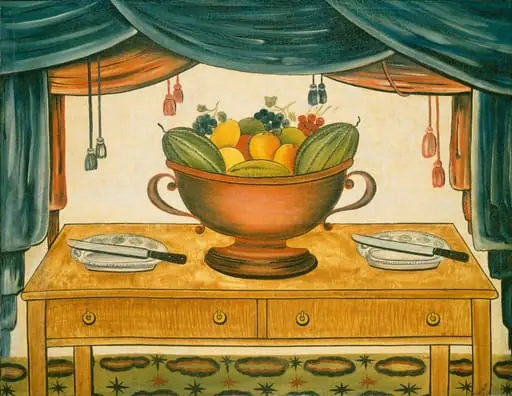
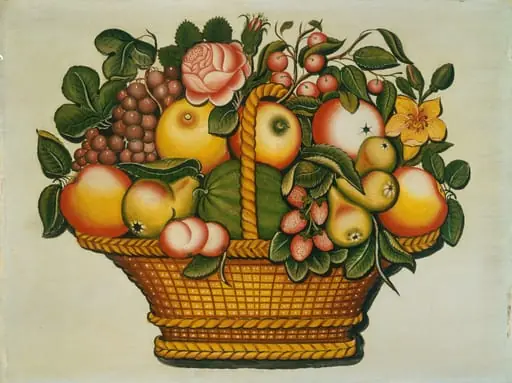
Bowl of Fruit is a watercolor painting by the Realist artist William Stearns. It dates from 1835 and is held in the collection of the National Gallery of Art.
About this work
Overview
Though modest in scale, the piece exemplifies the domestic still‑life tradition that was prevalent in early nineteenth‑century American painting.
William Stearns’s *Bowl of Fruit* is a modestly sized work executed in watercolor around 1835. The composition presents a simple arrangement of assorted fruit placed in a bowl atop a flat surface, rendered with a restrained palette that emphasizes form and light. Though modest in scale, the piece exemplifies the domestic still‑life tradition that was prevalent in early nineteenth‑century American painting.
Subject & Meaning
The painting depicts a commonplace still‑life: a bowl filled with various fruits, likely apples, pears, and citrus, set on a table. Such subjects allowed artists to explore texture, color, and the play of light while evoking themes of abundance and the fleeting nature of nourishment. The work’s quiet focus on everyday objects reflects a broader cultural interest in cataloguing the material world.
Technique & Style
Stearns employed watercolor on a velveteen ground, an unusual support that imparts a soft, tactile quality to the surface. The velveteen’s subtle nap interacts with the pigment, softening edges and creating a muted sheen that enhances the rendering of fruit skins and shadows. The brushwork is delicate, with layered washes that build volume without relying on heavy outlines, characteristic of early American watercolor practice.
History & Provenance
Created circa 1835, the painting likely originated in Stearns’s New England studio, where he was active as a portraitist and occasional still‑life painter. Documentation of its early ownership is sparse, but the work has appeared in several regional exhibitions of nineteenth‑century American art, indicating its continued relevance to scholars of the period’s lesser‑known watercolor output.
Own this work as a print
Artist & collection