Artwork
Untitled. From the suite 'Ten Prints by Ten Painters'
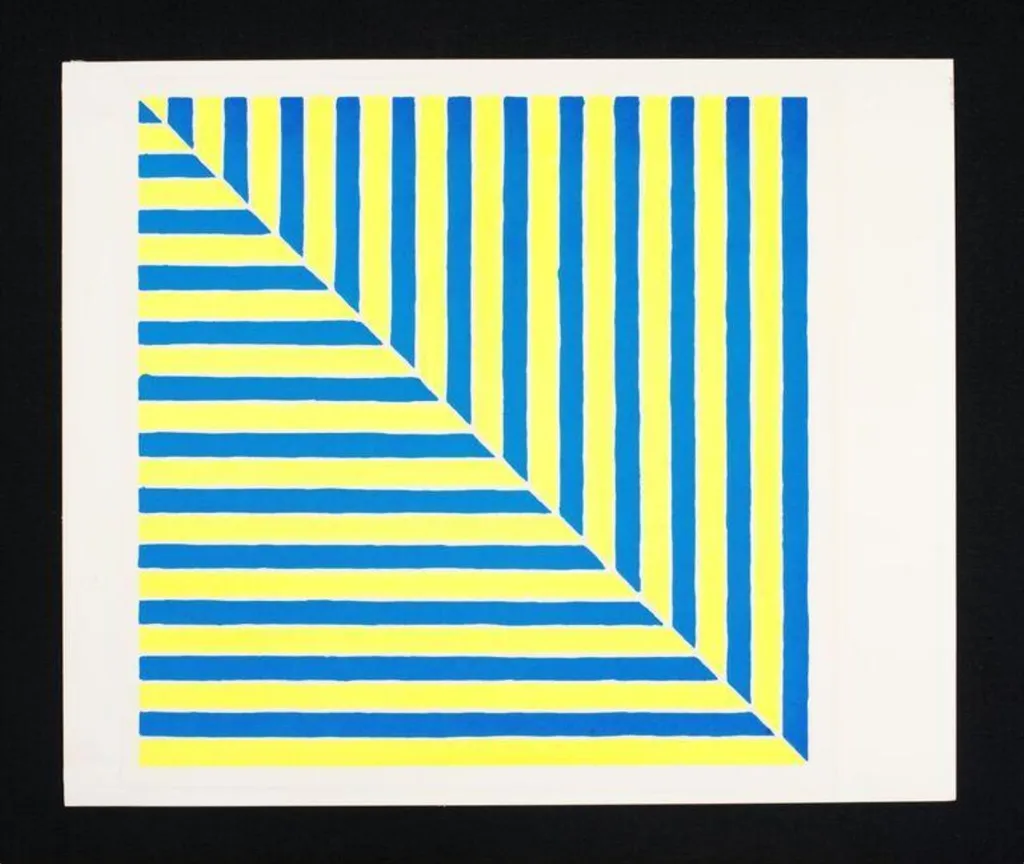
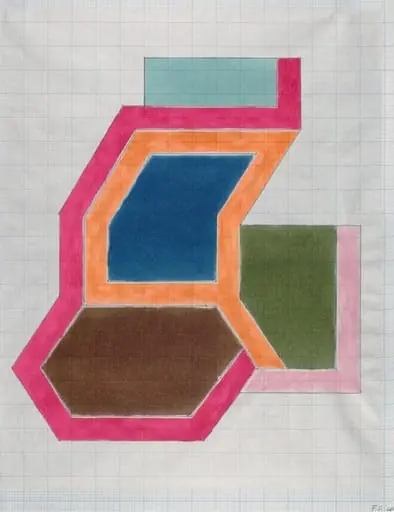
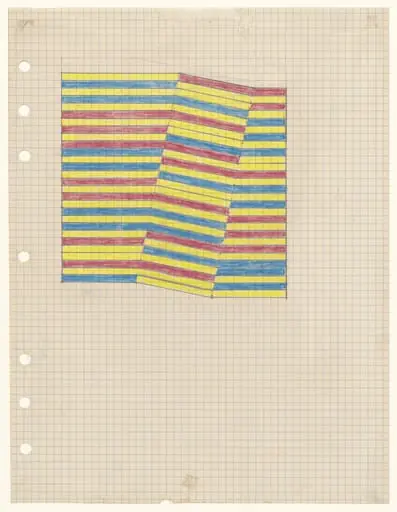
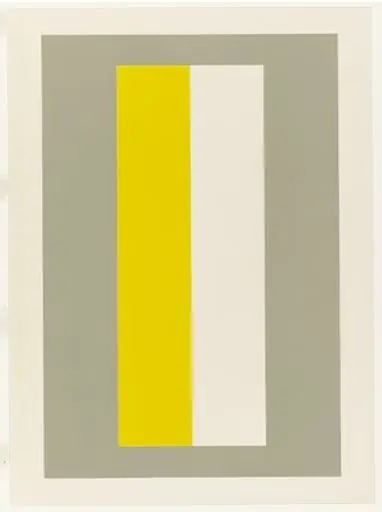
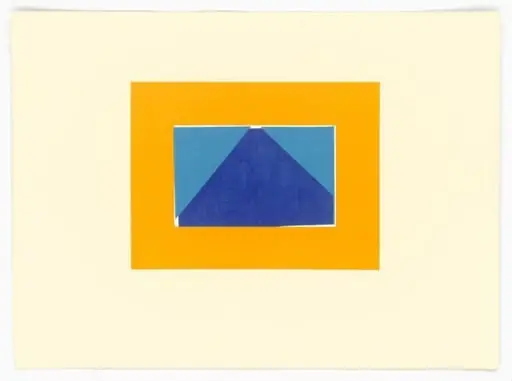
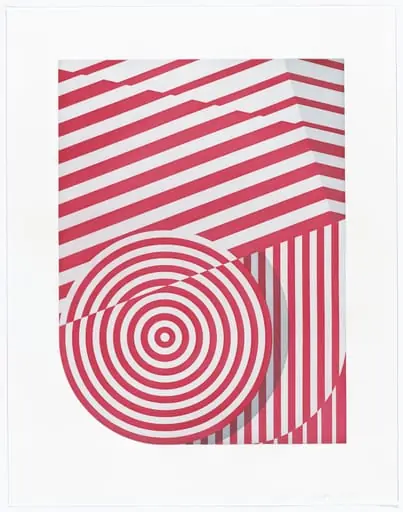
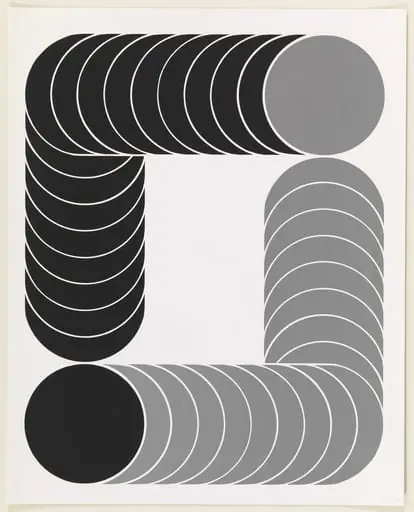
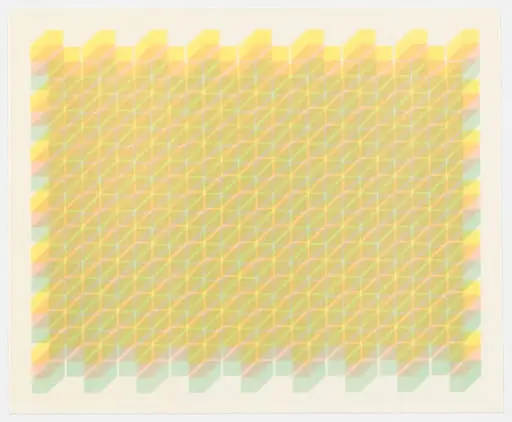
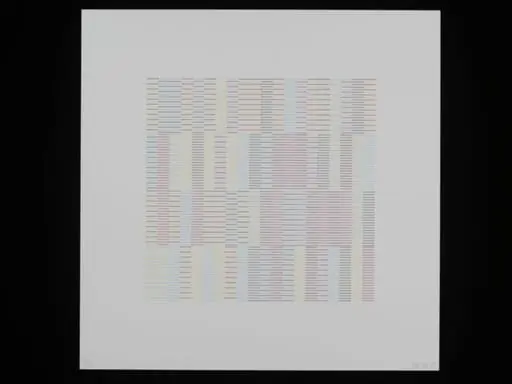
Untitled. From the suite 'Ten Prints by Ten Painters' is a print by Frank Stella. It dates from 1964 and is held in the collection of the Victoria and Albert Museum.
About this work
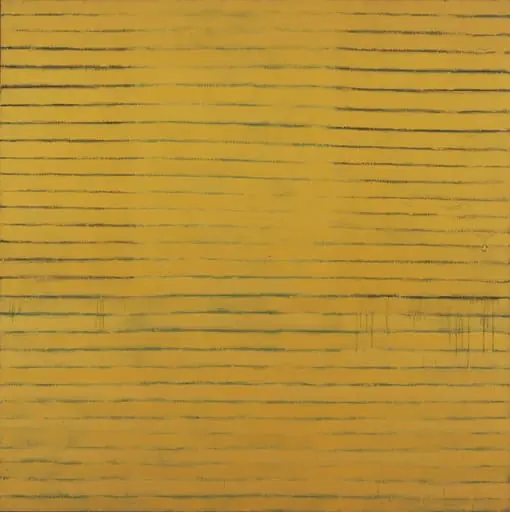
Black and white stripes make the flat surface feel stronger than any fancy brushwork.
Frank Stella’s print fits the tight, no-nonsense style he’s known for. Made in 1964, it’s one of ten prints in a special set. The design keeps things simple—just straight lines and quiet colors.
Early Stella kept art honest: stripes follow the canvas edge, no tricks. Black and white stripes make the flat surface feel stronger than any fancy brushwork.
Check out the Victoria and Albert Museum to see it in person.
Overview
Created in 1964, this print is part of a limited portfolio titled 'Ten Prints by Ten Painters,' featuring works by leading American artists of the era. Frank Stella, then in his late twenties, contributed a stark, geometric composition that reflects his early Minimalist approach. The work was produced in collaboration with Gemini G.E.L., a prominent print workshop known for its technical innovation and close artist partnerships during the 1960s.
Subject & Meaning
The print presents no representational imagery or symbolic content. Instead, it focuses on the physical properties of the support: parallel stripes aligned with the canvas edges emphasize the flatness and rectangular boundaries of the surface. The absence of narrative or emotional expression underscores a deliberate rejection of Abstract Expressionist subjectivity, prioritizing structure over gesture.
Technique & Style
Stella employed a reductive visual language using only black and white, with precise, evenly spaced lines that follow the canvas’s contours. The print’s sharp edges and uniform spacing reflect a mechanical precision, achieved through careful planning and controlled printing methods. This approach eliminates brushwork and personal mark-making, reinforcing the movement’s focus on objecthood over expression.
History & Provenance
Produced in 1964, the print was part of a collaborative project initiated to explore the potential of printmaking as a medium for contemporary artists. It was published by Gemini G.E.L., where Stella developed a long-standing relationship with master printer Ken Tyler. The portfolio was widely distributed to museums and collectors, helping to establish printmaking as a legitimate extension of Minimalist practice.
Context
In the early 1960s, Minimalism emerged as a counterpoint to the gestural intensity of Abstract Expressionism. Artists like Stella sought to strip art down to its essential elements: material, form, and structure. This print aligns with broader shifts in American art toward objectivity, industrial aesthetics, and the dematerialization of the artist’s hand, reflecting intellectual currents in philosophy and design of the period.
Legacy
Stella’s early prints, including this one, helped redefine the role of printmaking in modern art, demonstrating its capacity for conceptual rigor. The work’s influence extended beyond painting, informing subsequent generations of artists interested in seriality, geometry, and the relationship between support and image. Its inclusion in major collections, such as the Victoria and Albert Museum, confirms its enduring significance in postwar American art.
Artist & collection

Artist
Frank Philip Stella was an American painter, sculptor, and printmaker, noted for his work in the areas of minimalism and post-painterly abstraction.