Artwork
Carrara
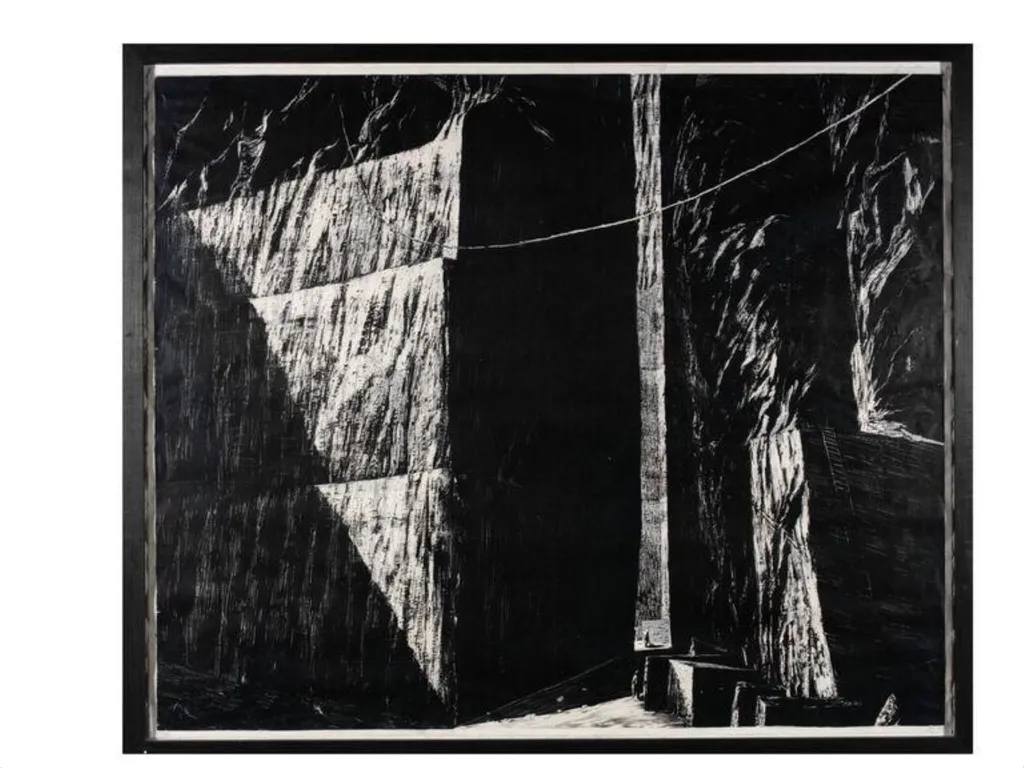
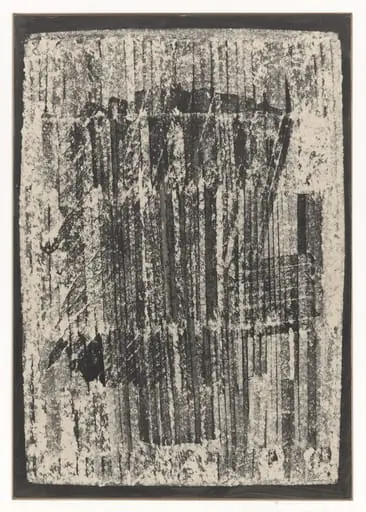
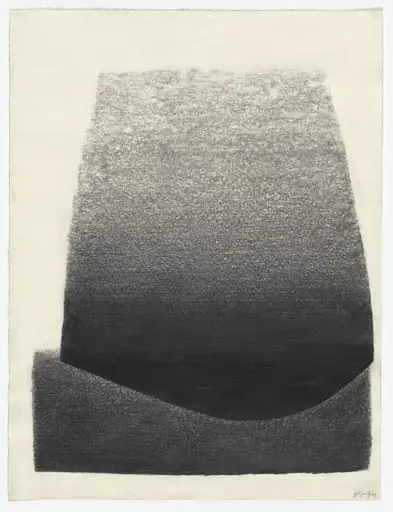
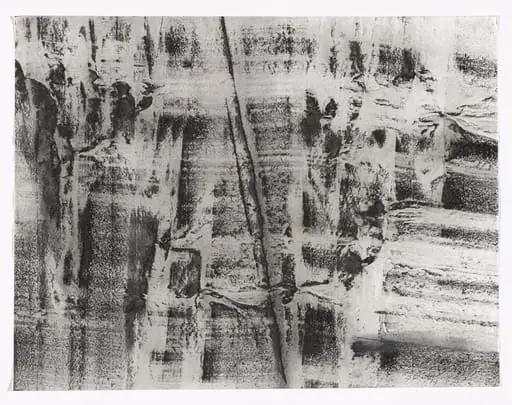
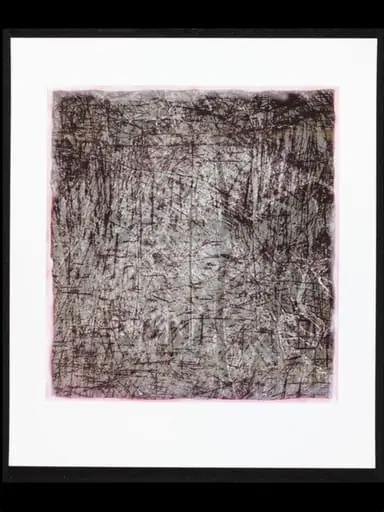
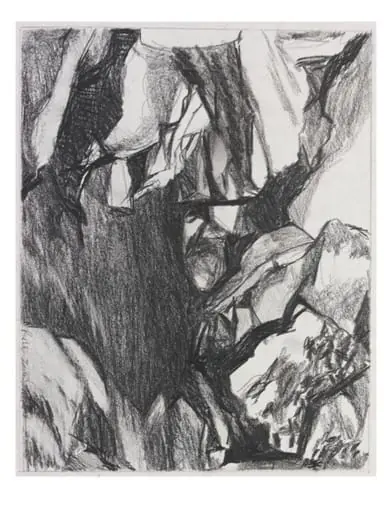
Carrara is a print by Emma Stibbon. It dates from 2001 and is held in the collection of the Victoria and Albert Museum.
About this work
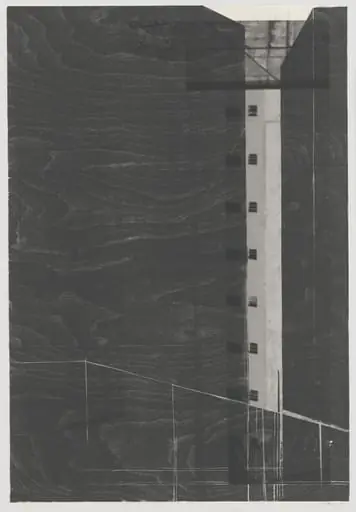
Emma Stibbon’s print *Carrara* shows the huge marble quarries in Italy’s Alpi Apuane. It’s a print, not a painting, made in 2001. The scene is big, dark, and full of sharp contrasts.
Stibbon first sketches the quarries on site, then carves the image onto plywood and prints it. The final work captures the vast, shadowy space of the quarries.
Look up the Victoria and Albert Museum next.
Overview
Created through a labor-intensive relief process, the work translates her on-site drawings into a large-scale printed image.
Emma Stibbon’s 2001 print *Carrara* captures the monumental scale of the marble quarries in Italy’s Alpi Apuane. Created through a labor-intensive relief process, the work translates her on-site drawings into a large-scale printed image. The composition emphasizes the overwhelming presence of the quarry walls, rendered in stark contrasts of light and shadow, with tiny human figures underscoring the immensity of the landscape.
Subject & Meaning
The subject is the industrial landscape of Carrara’s marble extraction sites, where centuries of quarrying have carved deep, jagged cavities into the mountains. Stibbon’s focus on the scale and texture of the rock surfaces evokes a sense of time, labor, and human intervention in nature. The small figures scattered through the scene suggest the vulnerability of individuals against the vastness of the earth shaped by extraction.
Technique & Style
Stibbon works from direct observation, making detailed pencil drawings at the quarry before transferring them to plywood. She carves the image by hand, creating a relief surface that is then inked and printed. The resulting print retains the tactile quality of carving, with bold, angular lines and deep blacks that mimic the cavernous depths and fractured rock. The technique emphasizes physicality, mirroring the manual labor of quarrying itself.
History & Provenance
Created in 2001, *Carrara* is part of a series of works by Stibbon responding to sites of industrial extraction. The print entered the collection of the Victoria and Albert Museum in London, where it is held as an example of contemporary printmaking engaged with landscape and labor. Its acquisition reflects institutional interest in works that bridge artistic practice with environmental and historical themes.
Context
Carrara has been a source of high-quality white marble since Roman times, its quarries a symbol of both artistic heritage and industrial exploitation. Stibbon’s work emerges from a broader tradition of artists documenting human-altered landscapes, particularly in response to environmental change and the legacy of extraction. Her approach aligns with contemporary practices that prioritize direct engagement with place over idealized representation.
Legacy
Stibbon’s *Carrara* contributes to a growing body of contemporary prints that treat landscape as a record of human activity. Its emphasis on process—drawing, carving, printing—highlights the physical relationship between artist and subject. The work continues to be referenced in discussions of printmaking’s capacity to convey scale, labor, and the quiet gravity of altered environments.
Artist & collection
Artist
Emma Stibbon makes large prints on paper that zoom in on natural rock surfaces and cliffs.