Artwork
Eleganță (Portretul Mariei Bibescu)
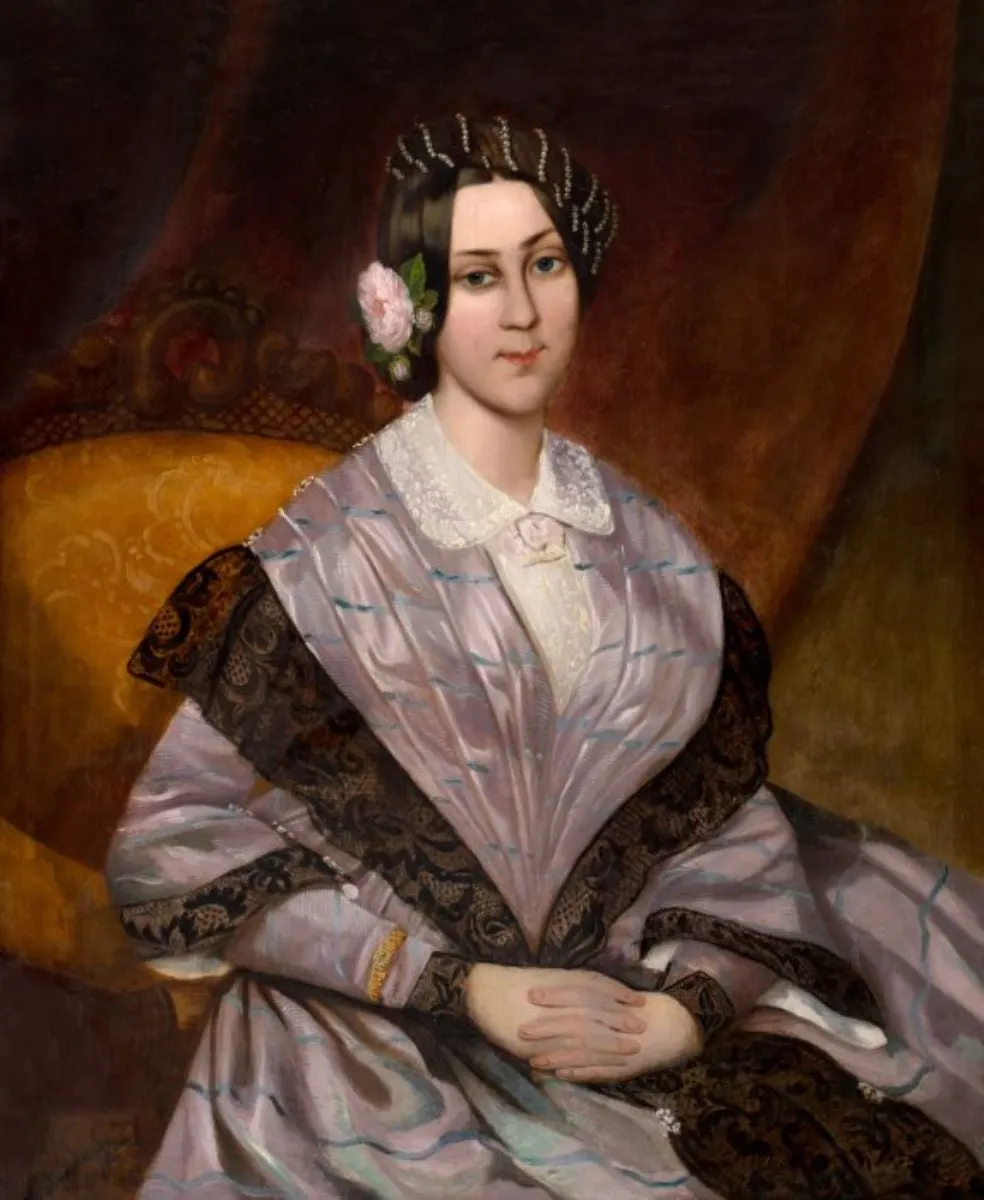
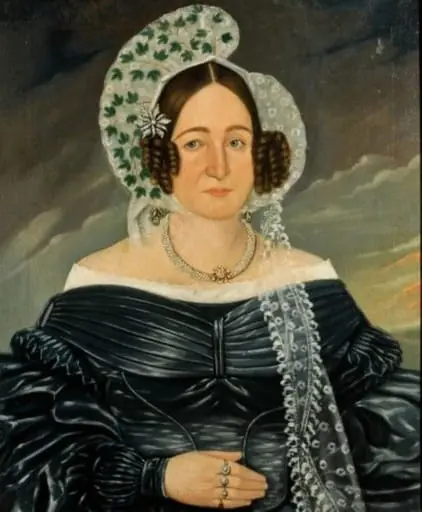
Eleganță (Portretul Mariei Bibescu) is an unspecified painting by Carol Popp de Szathmari. It is held in the collection of the Colecție particulară - București. This portrait depicts Maria Bibescu, a Romanian noblewoman, seated calmly in a simple chair.
About this work
Overview
The composition isolates her against a dark, unadorned background, emphasizing her presence and attire.
This portrait depicts Maria Bibescu, a Romanian noblewoman, seated calmly in a simple chair. The composition isolates her against a dark, unadorned background, emphasizing her presence and attire. Painted in the 19th century, the work captures a moment of quiet dignity, with attention focused entirely on her figure and refined clothing, reflecting the conventions of aristocratic portraiture of the era.
Subject & Meaning
Maria Bibescu is portrayed not as an active participant in a narrative, but as a figure of stillness and poise. Her composed posture, modest gaze, and elegant dress suggest social status and personal restraint. The single flower in her hair adds a subtle touch of individuality, while the overall restraint in expression conveys the ideals of feminine decorum valued in her social circle during the mid-1800s.
Technique & Style
The artist employs chiaroscuro to model the face and hands with soft gradations of light and shadow, lending volume and realism without dramatic contrast. The fabric of her dress is rendered with attention to texture—light pink silk contrasted with dark lace—while the white collar’s blue stitching is rendered with precision. The background’s uniform darkness enhances the three-dimensionality of her form, directing focus to her figure.
History & Provenance
The painting is attributed to a Romanian artist active in the mid-19th century, likely commissioned by the Bibescu family, prominent in Wallachian aristocracy. It remained within private collections in Romania for much of its history, with limited public exposure until the 20th century. Its survival reflects the cultural value placed on portraiture among the Romanian elite during a period of national consolidation.
Context
Created during a time when Romanian nobility sought to align with Western European cultural norms, the portrait reflects influences from French and Austrian academic portraiture. The emphasis on refined dress, controlled expression, and domestic stillness mirrors broader trends among aristocratic women across Europe, even as local identity and social hierarchy remained central to its presentation.
Legacy
The portrait stands as a representative example of Romanian academic portraiture from the 19th century. While not widely exhibited internationally, it holds significance within national collections as a document of elite female representation during Romania’s formative modern period. Its quiet realism and technical restraint continue to inform scholarly study of regional artistic practices.
Artist & collection
Artist
Carol Popp de Szathmari made paintings of 19th-century life, often capturing people in elegant clothes or scenes from daily routines.
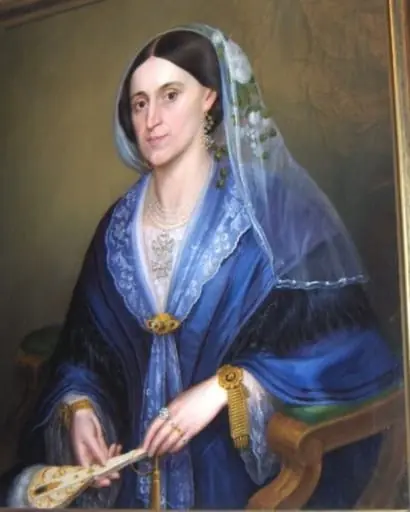 Sevastia Mureșianu
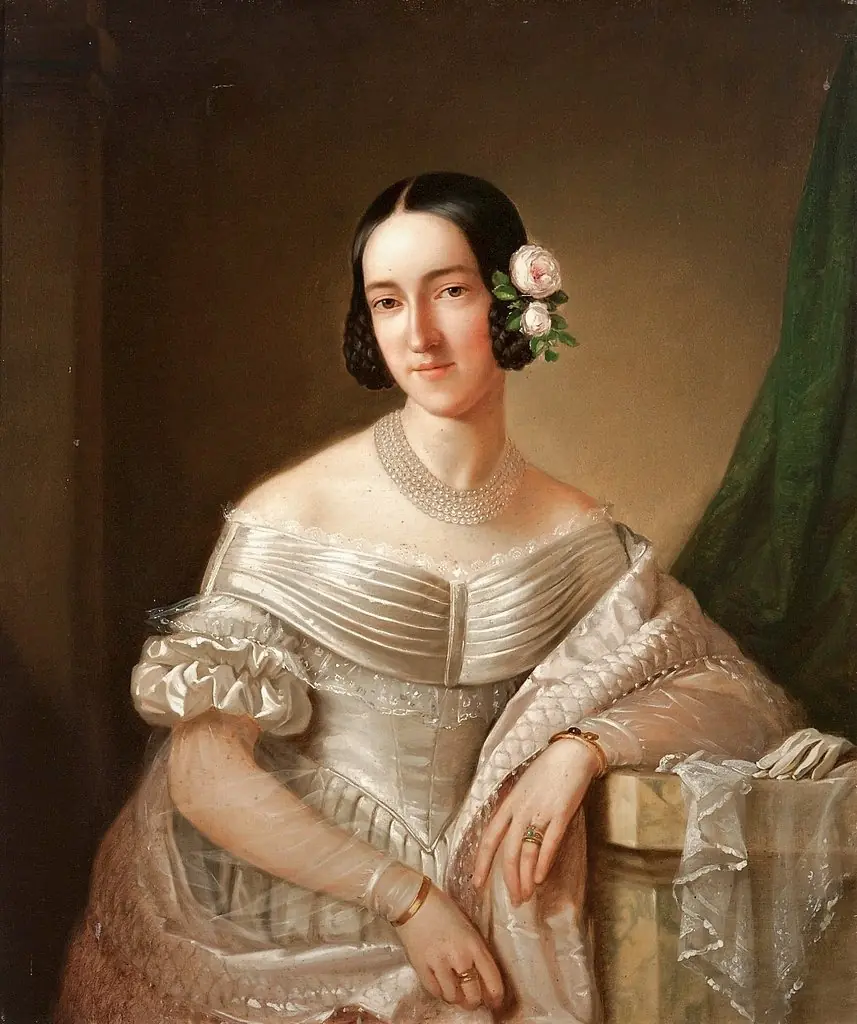 Portrait of Archduchess Hermine of Austria
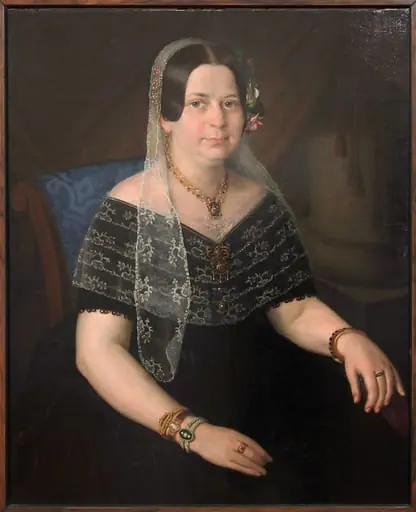 Portret de femeie
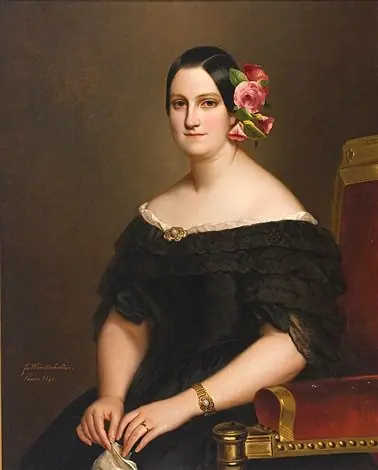 Maria Christina of the Two Sicilies (1806-1878), Spanish queen-consort
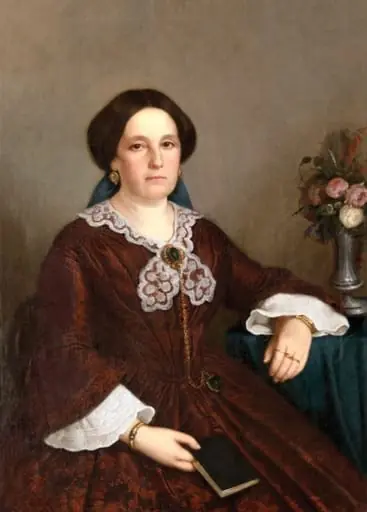 Portretul Eufrosinei Lecca
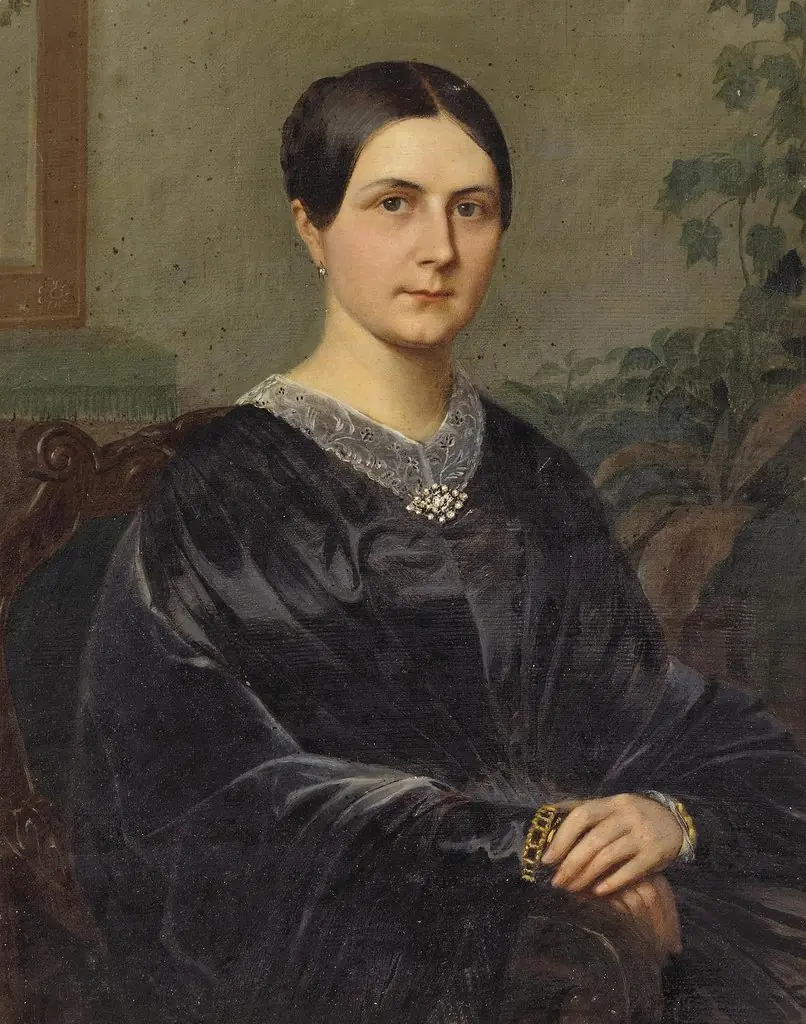 Portrait of Elizaveta Nikolaevna Odintsova
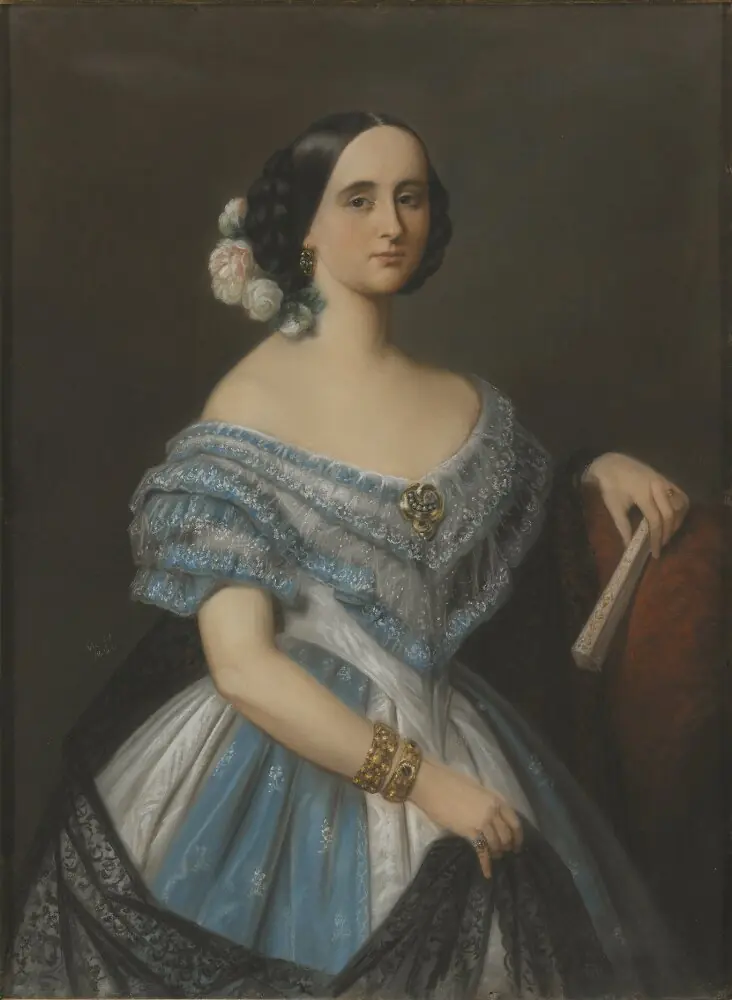 Julie (Julia Mathilda) Berwald, g. Åkerhielm af Margrethelund (1822-1877), operasångerska, gift med friherre hovmarskalk Gustaf Georg Knut Åkerhielm af Mergrethelund
 Portret de femeie
 Portrait of Louise-Adèle Taschereau
 Portrait of Mrs. Sackett
 Portret de femeie
 Portret de femeie