Artwork
Evening Snow Blending River and Sky, from Eight Views of Xiao-Xiang
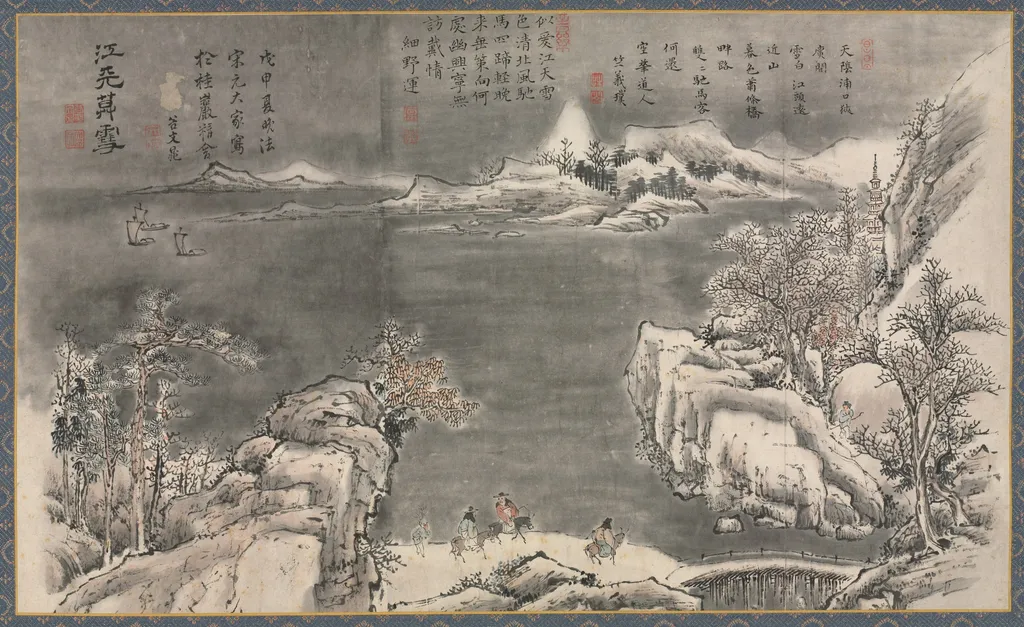
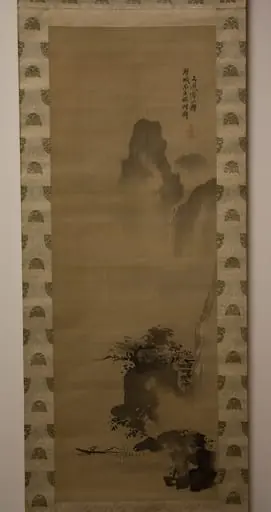
Evening Snow Blending River and Sky, from Eight Views of Xiao-Xiang is an unspecified painting by the Ukiyo-e artist Tani Bunchō. It dates from 1794 and is held in the collection of the Cleveland Museum of Art.
About this work
Overview
The painting demonstrates his skill in balancing naturalistic observation with the evocative, mood-driven aesthetics central to the Nanga school.
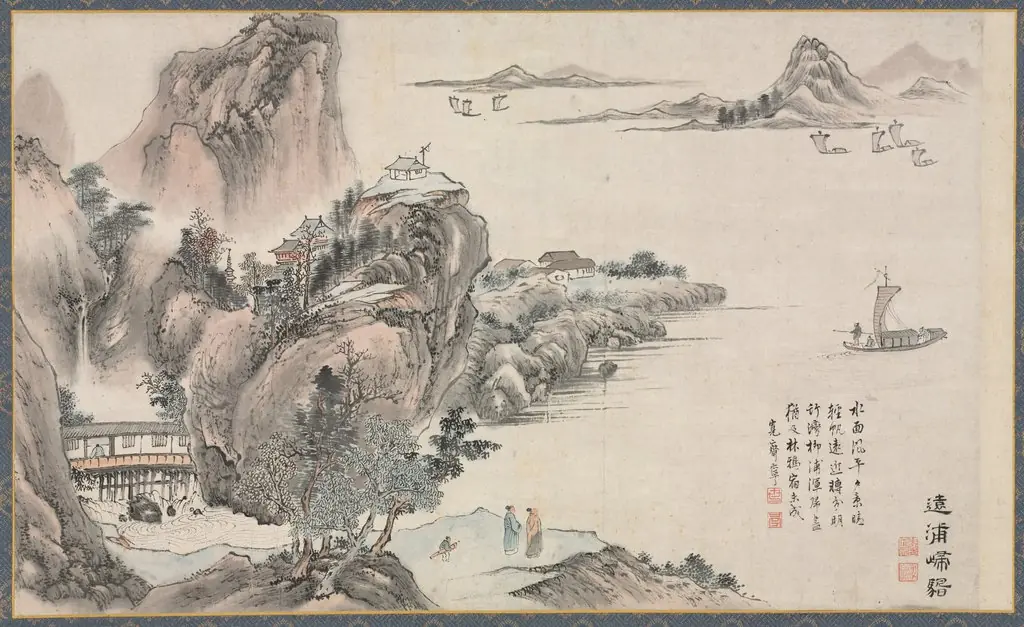
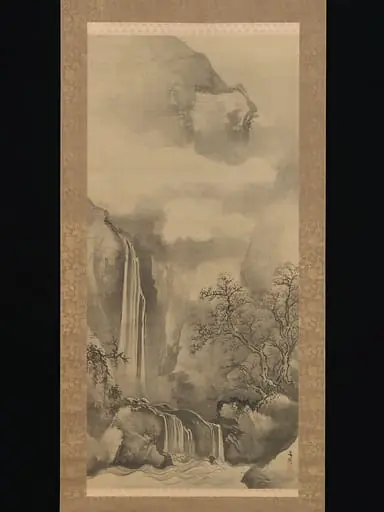
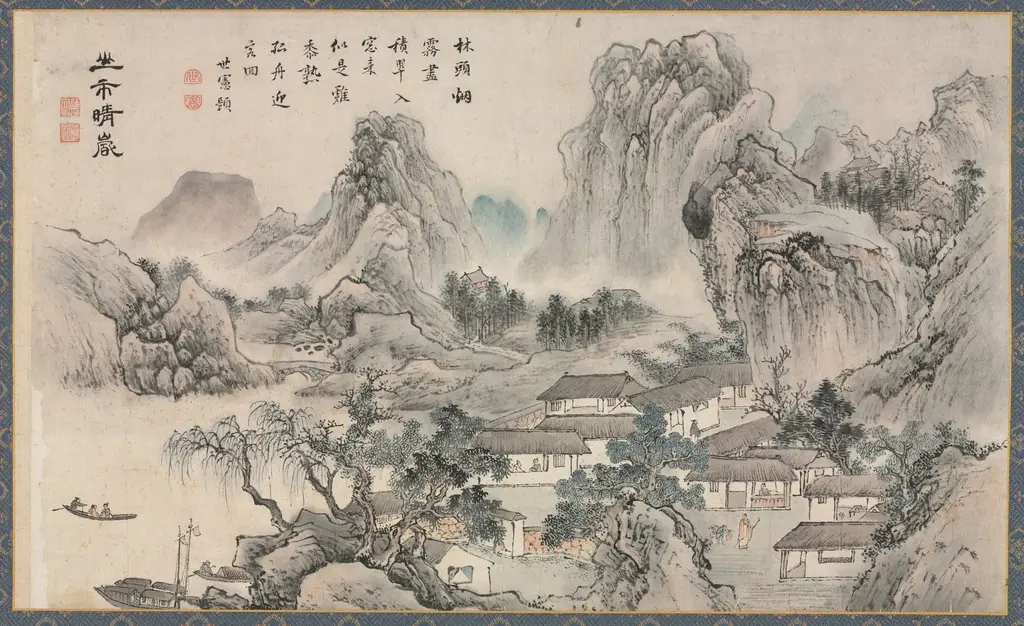
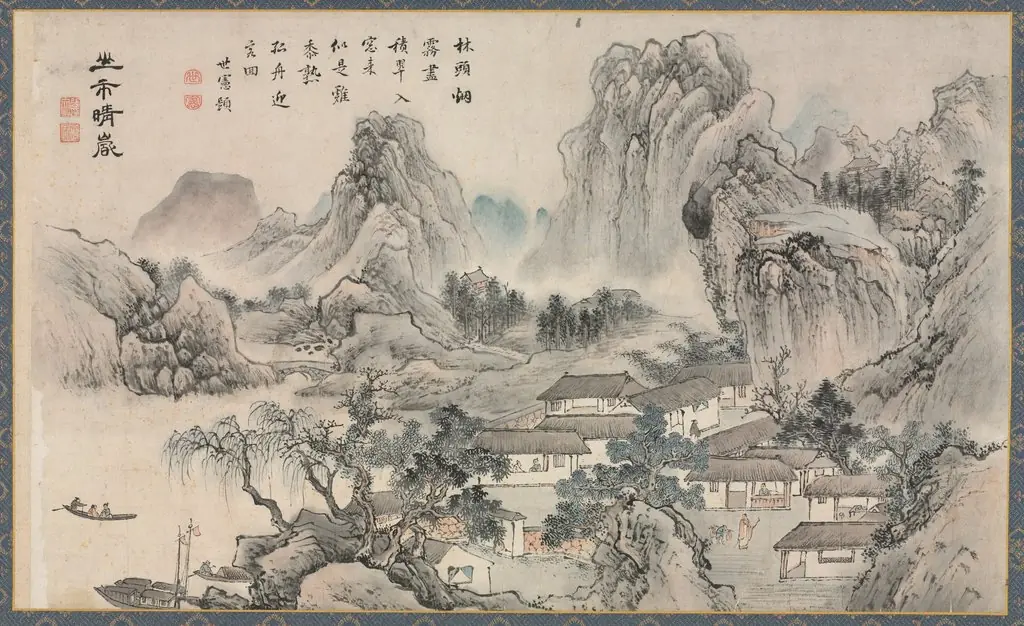
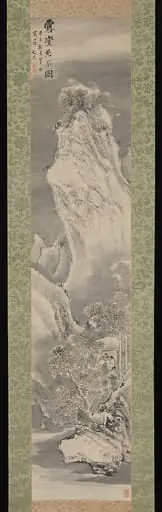
Evening Snow Blending River and Sky is a 1794 ink and color painting by the Japanese artist Tani Bunchō, created as part of his series Eight Views of Xiao-Xiang. The work depicts a winter landscape where a winding river merges visually with the snow-covered sky, creating a unified atmospheric effect. Bare trees line the riverbanks, while small figures on horseback traverse a path, emphasizing the scale and solitude of the environment. Bunchō employs loose, expressive brushstrokes to render the texture of falling snow and the fluidity of the water, characteristic of the literati painting style he adapted. The composition relies on soft gradations of gray and white to suggest depth and the quiet stillness of an evening snowfall. This series reflects Bunchō's engagement with Chinese poetic and pictorial traditions, reinterpreting the classic Xiao-Xiang motifs through a Japanese lens during the late Edo period. The painting demonstrates his skill in balancing naturalistic observation with the evocative, mood-driven aesthetics central to the Nanga school.
Subject & Meaning
The artwork depicts a snow-covered mountainous terrain traversed by a winding river. Sparse, bare trees punctuate the riverbanks, while a few small figures on horseback navigate a path, suggesting human presence within the vast environment. The scene evokes a quiet, contemplative mood, rendered through a delicate interplay of soft grays and whites that seamlessly merge into the distant horizon, characteristic of the "Eight Views" tradition.
Technique & Style
Bunchō employed loose brushstrokes to convey the subtle movements of the snow and water, contributing to the painting's atmospheric quality. The composition is further enhanced by the inclusion of vibrant red seals and elegant black calligraphy positioned along the upper edge. These elements not only provide a visual counterpoint to the subdued landscape but also integrate textual and artistic traditions within the piece.
Artist & collection