Artwork
Kukkia ja papukaijoja
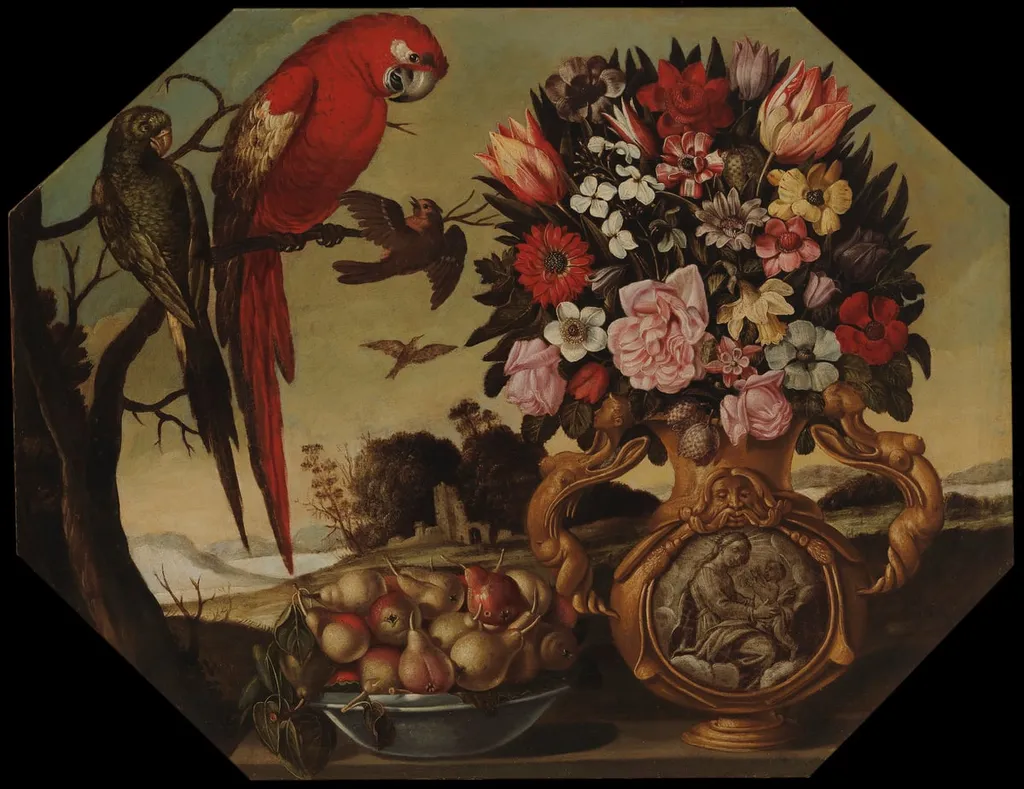
Kukkia ja papukaijoja is an unspecified painting by tekijä ei tiedossa. It is held in the collection of the Finnish National Gallery. This painting depicts a vibrant still life with avian and floral elements arranged in a naturalistic setting.
About this work
Overview
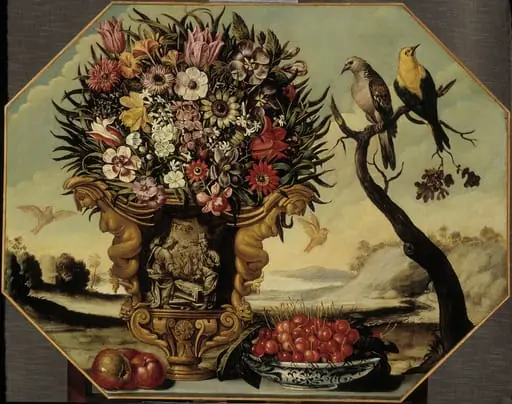
A carved vase filled with tulips, roses, and white blooms stands to the right, accompanied by fruit on the ground.
This painting depicts a vibrant still life with avian and floral elements arranged in a naturalistic setting. A red parrot rests on a branch, while smaller birds soar nearby. A carved vase filled with tulips, roses, and white blooms stands to the right, accompanied by fruit on the ground. The background dissolves into a soft, hazy landscape, creating depth without distraction. The composition balances wild motion with cultivated order.
Subject & Meaning
The parrot, exotic and vividly colored, contrasts with native flowers and fruit, suggesting themes of nature’s diversity and human collection. The carved face on the vase introduces an enigmatic, possibly symbolic presence, hinting at cultural or spiritual undertones. Birds in flight may imply freedom or transience, while the arranged flora and fruit reflect domesticated beauty. Together, they evoke a quiet contemplation of life’s fleeting forms.
Technique & Style
The artist employs gentle, diffused lighting to isolate the parrot and flowers from the muted background, enhancing their luminosity. Brushwork is delicate, particularly in rendering feather textures and petal edges. The background is rendered with loose, atmospheric strokes, creating a sense of distance. The carved vase is rendered with subtle detail, drawing attention without disrupting the overall harmony of the scene.
History & Provenance
The painting is held in the collection of the Museum of Ethnography, suggesting its acquisition may relate to cultural or colonial-era collecting practices. Its origin and date are not specified, but its subject matter aligns with 19th-century European still-life traditions that incorporated exotic elements. The museum’s stewardship implies its significance as a documented artifact rather than a widely exhibited work.
Context
This work reflects a broader 19th-century fascination with natural specimens and global flora and fauna, often displayed in domestic or institutional settings. The inclusion of a non-native parrot and exotic flowers mirrors colonial-era curiosity and the display of distant lands in European homes and museums. The carved vase may reference classical or non-Western motifs, indicating eclectic influences common in decorative arts of the period.
Legacy
Though not widely known outside its institutional context, the painting contributes to understanding how nature was framed in visual culture during an era of expanding global exchange. Its quiet composition and symbolic details offer insight into how exoticism and domesticity were visually negotiated. It remains a quiet testament to the intersection of observation, collection, and artistic interpretation.
Artist & collection
Artist
This unknown artist left behind work that feels like a hushed conversation in a candlelit chapel.

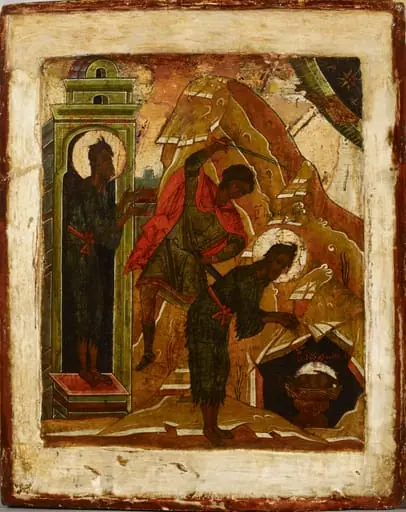 Johannes Kastajan mestaus, venäläinen ikoni
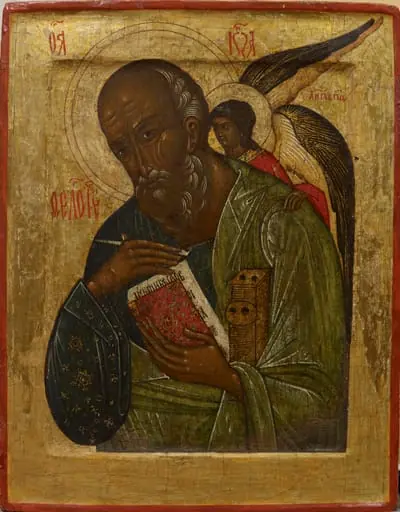 Johannes Evankelista, venäläinen ikoni
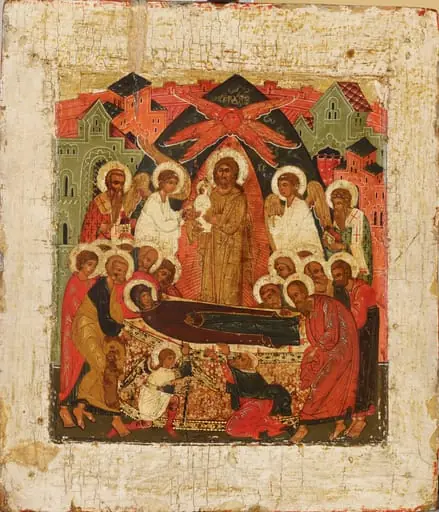 Jumalanäidin kuolonuneen nukkuminen, venäläinen ikoni
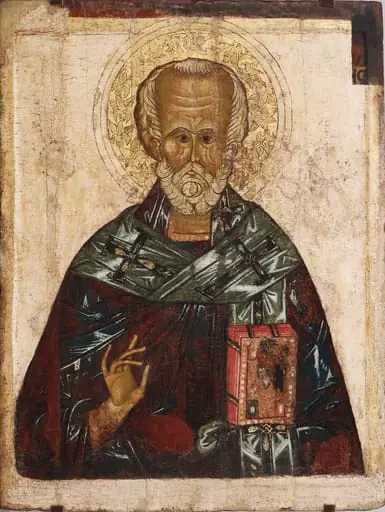 Pyhä Nikolaus, venäläinen ikoni
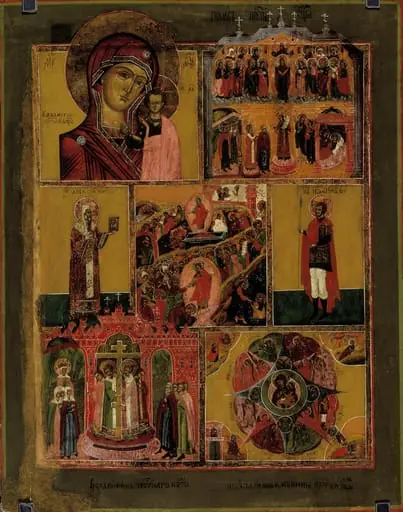 Pääsiäinen ja kirkkovuoden juhlia, venäläinen ikoni
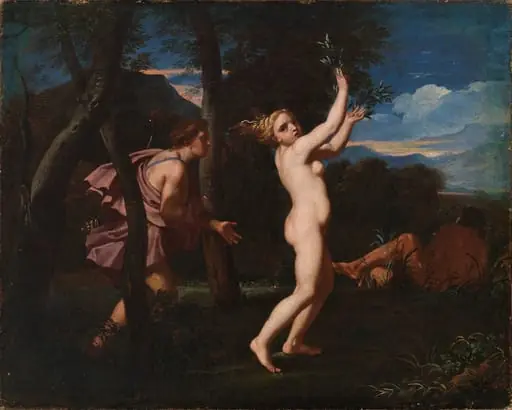 Apollo ja Dafne
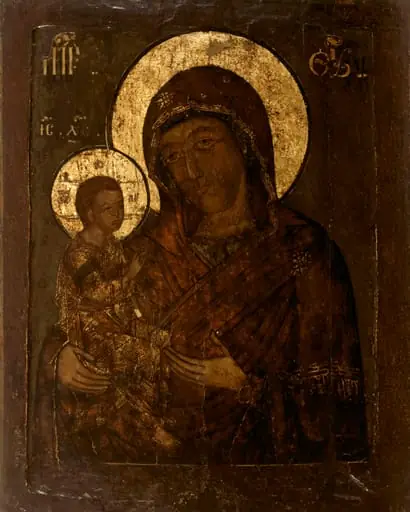 Jerusalemin Jumalanäiti, (Hodigitria), venäläinen ikoni
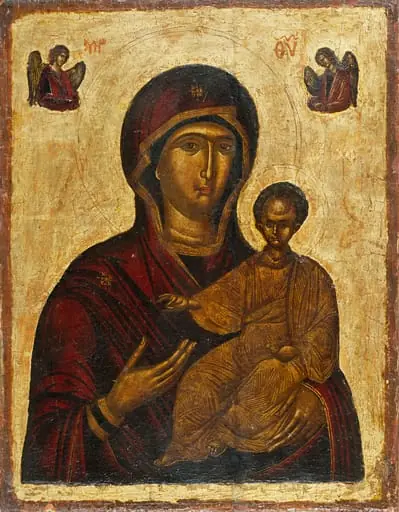 Jumalanäiti, Hodigitria - Tiennäyttäjä, bysanttilainen ikoni
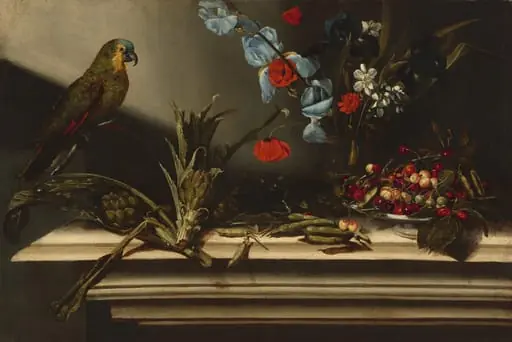 Still Life with Artichokes and a Parrot
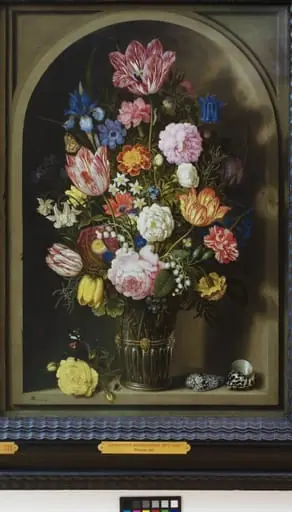 Bouquet of Flowers in a Stone Niche
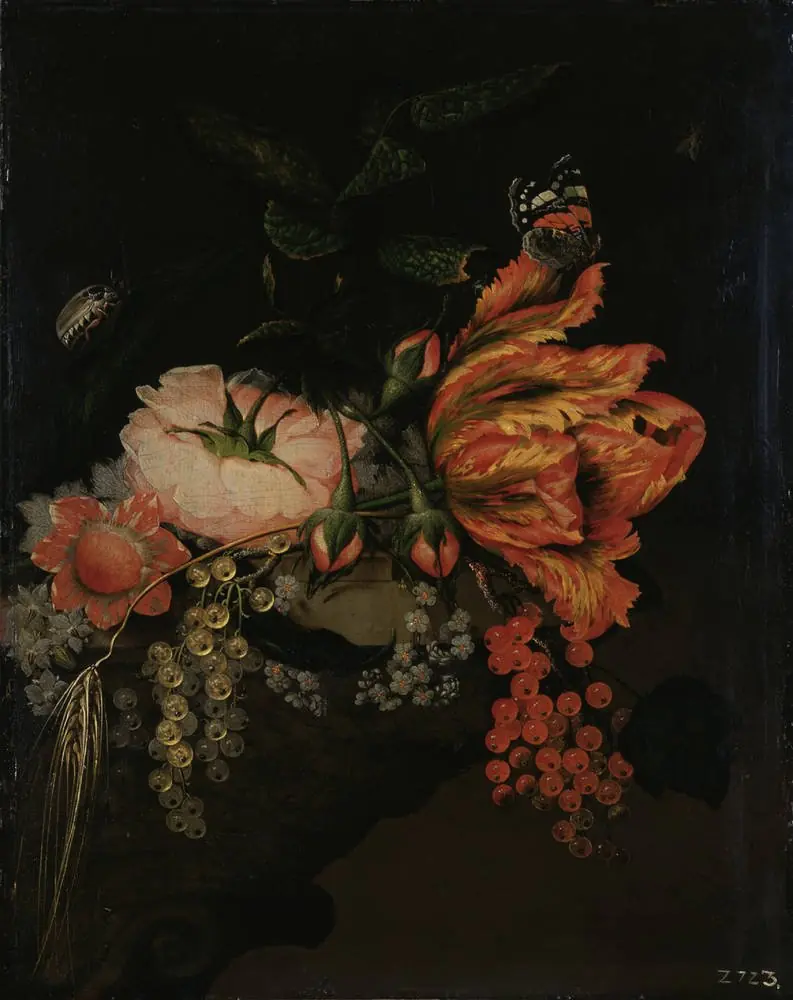 Fruit and Flowers
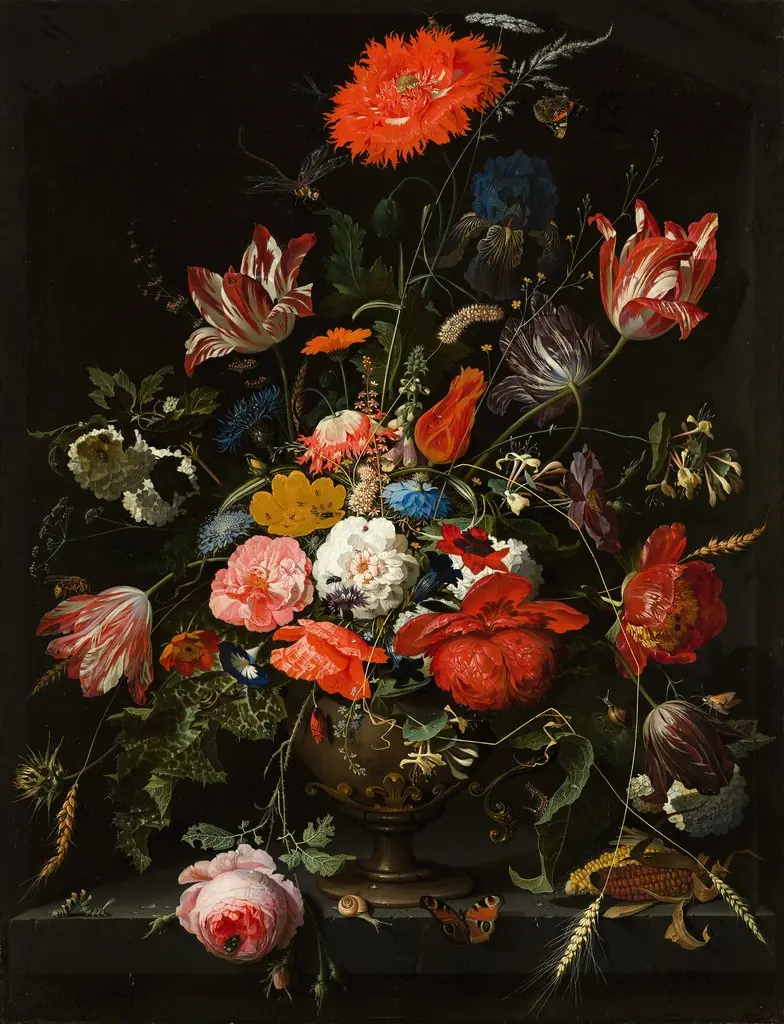 Flowers in a metal vase in a niche
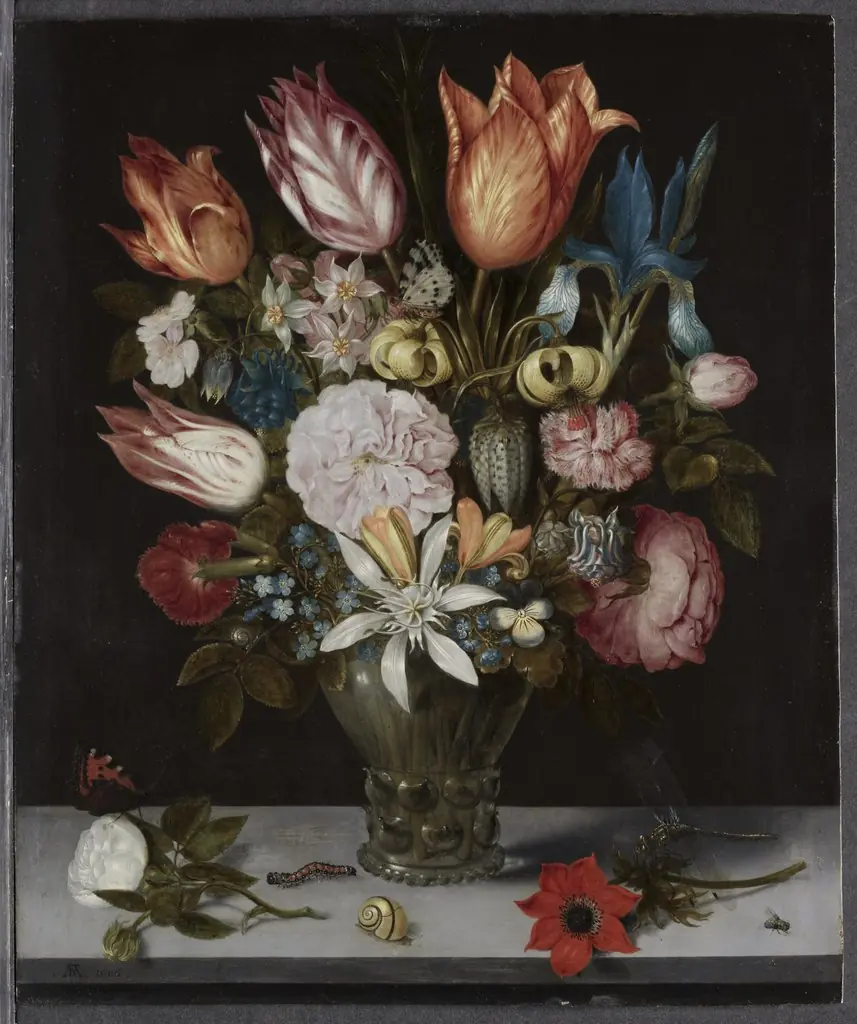 Flowers in a Glass
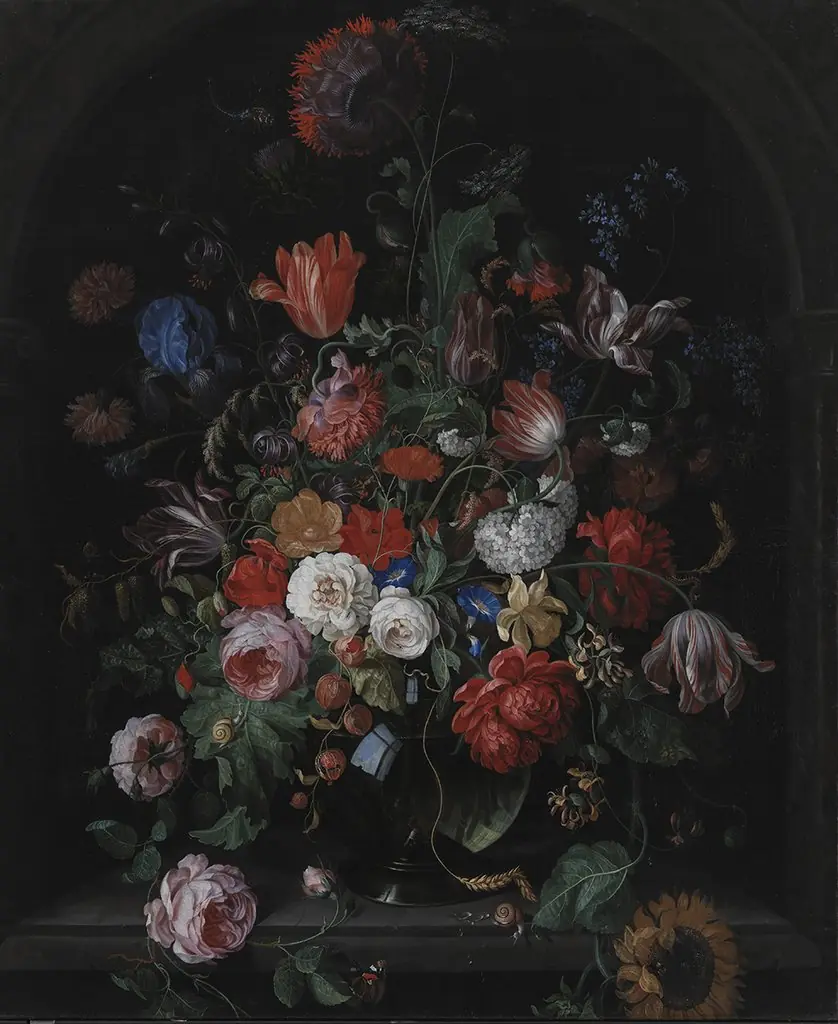 Flower Piece
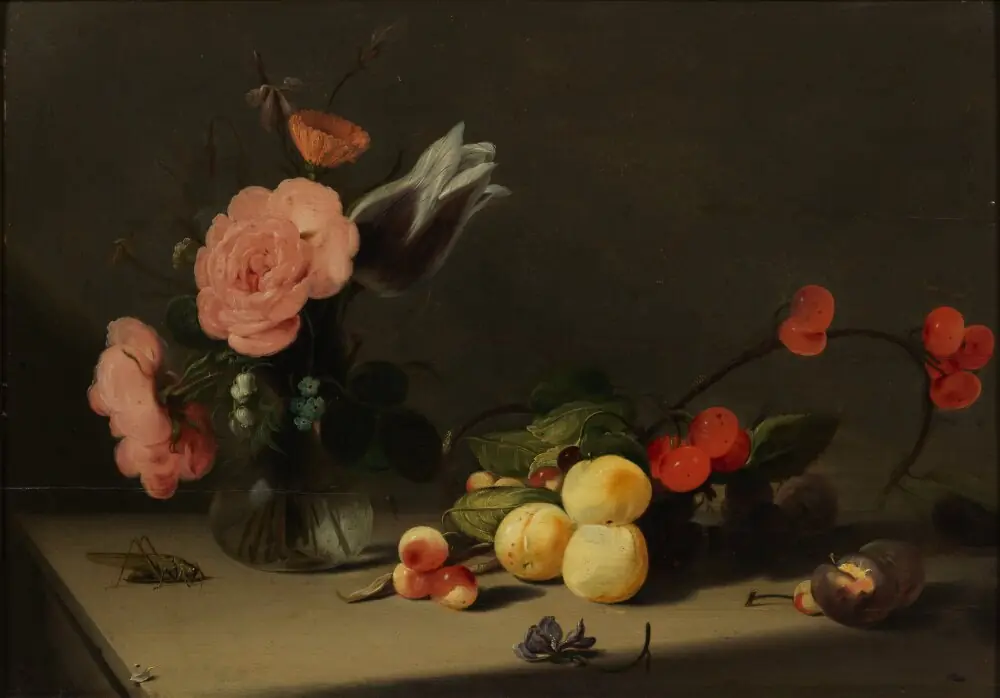 Still Life with Flowers and Fruit
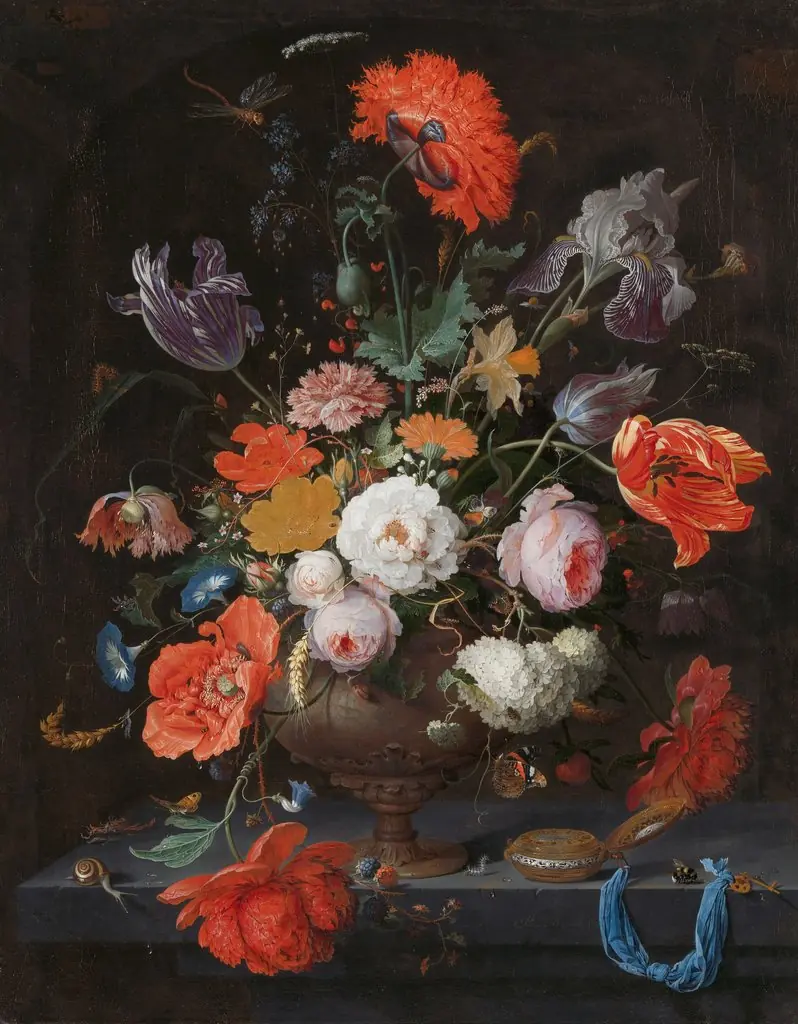 Still life with flowers and a watch
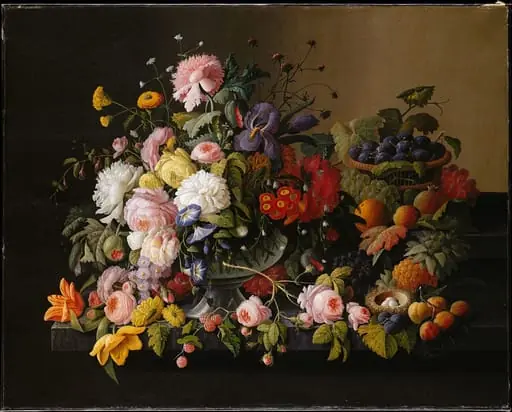 Still Life: Flowers and Fruit
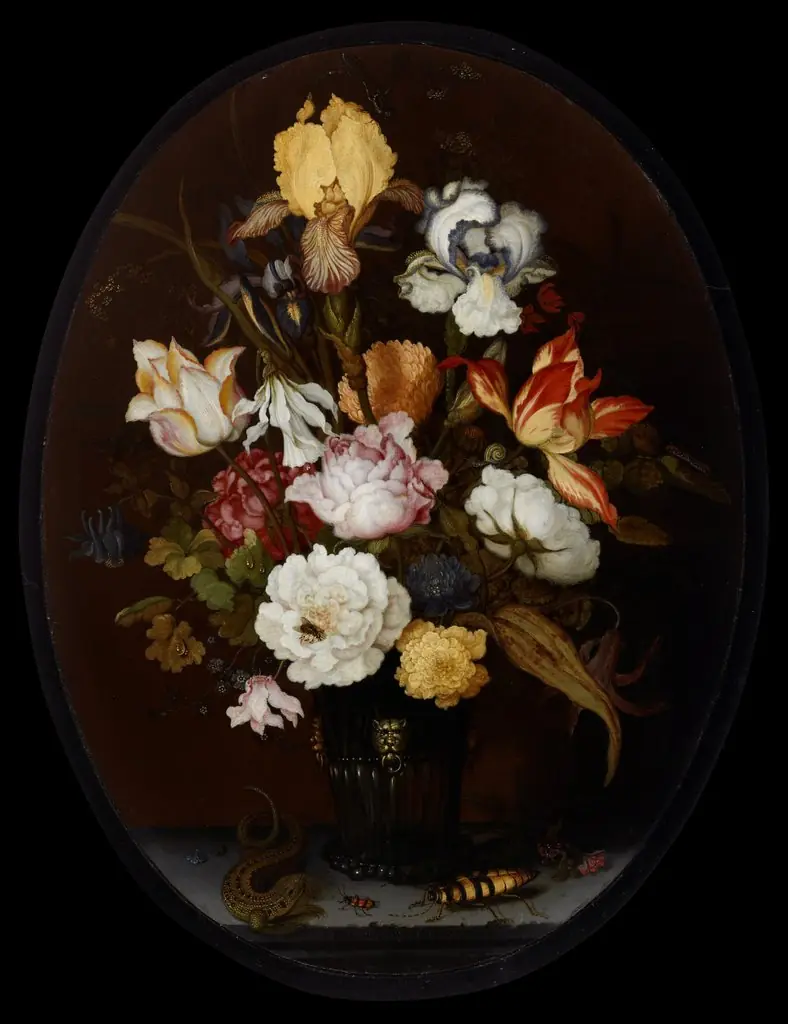 Flower Still Life in a Glass Vase
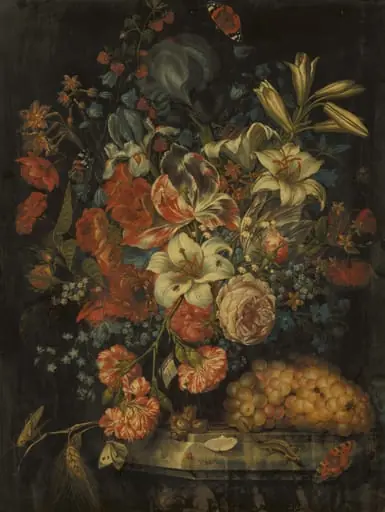 Still Life with Flowers and Fruit
 Kukkia ja pikkulintuja