Artwork
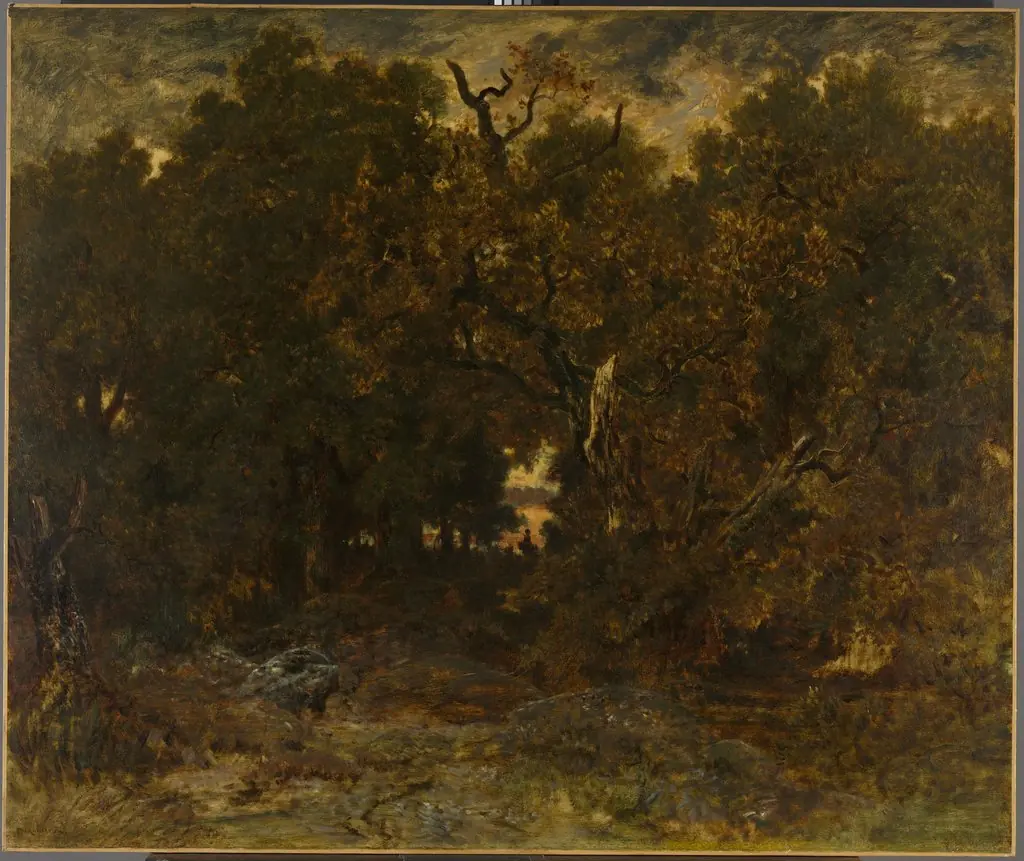
Leaving the Forest, Fontainebleau: Setting Sun
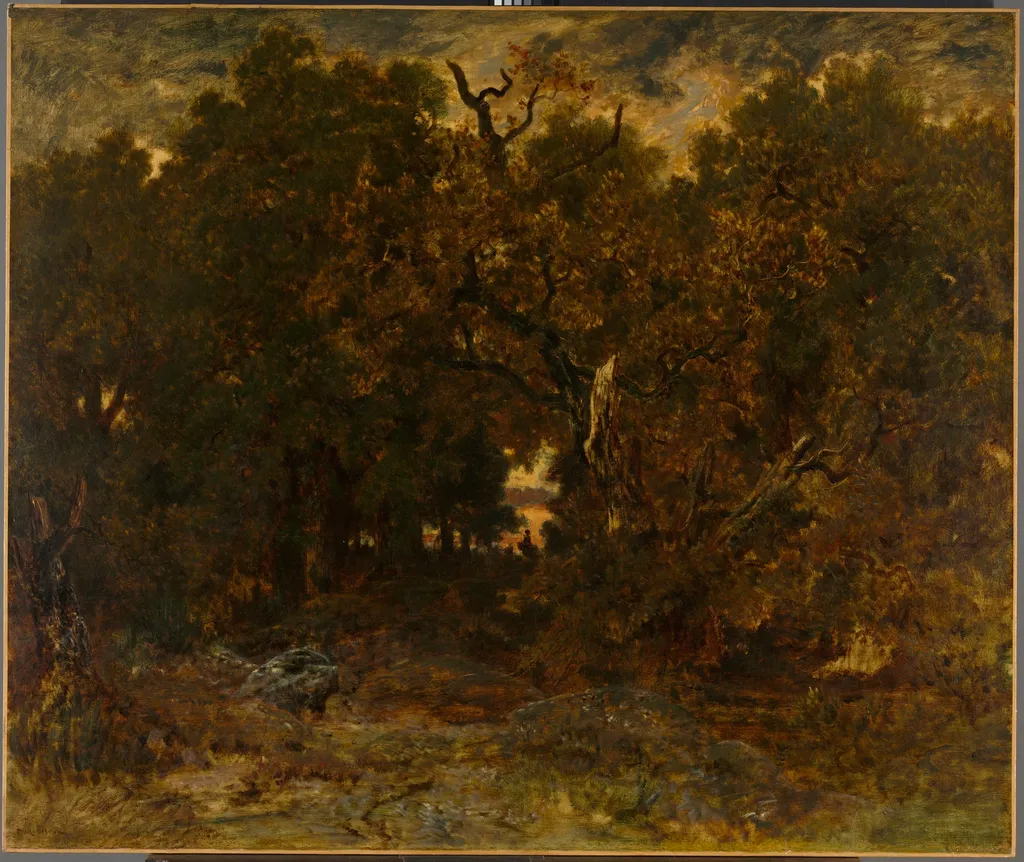
Leaving the Forest, Fontainebleau: Setting Sun is an unspecified painting by the Barbizon school artist Théodore Rousseau. It dates from 1851 and is held in the collection of the Cleveland Museum of Art.
About this work
He left them almost empty, letting the trees speak for themselves.
A golden sun dips behind tall pines in a quiet French wood. Shadows stretch long across the path. One red-clad figure walks away from us into the fading light.
Rousseau painted this in 1851. He loved forests and light like this. Most artists made forests busy. He left them almost empty, letting the trees speak for themselves.
See how the light picks out the path. Rousseau used soft edges where sun meets shadow. That’s called sfumato.
Look up Théodore Rousseau (French, 1812–1867).
Overview
Painted in 1851 by Théodore Rousseau, this landscape captures a quiet moment at dusk in the Fontainebleau Forest. Unlike the bustling scenes common in contemporary landscape painting, Rousseau’s composition is sparse and contemplative, emphasizing the quiet presence of nature over human activity. The setting sun, low on the horizon, bathes the scene in a soft, golden glow, drawing attention to the interplay of light and shadow.
Subject & Meaning
A solitary figure in red walks along a forest path, receding into the fading light, suggesting solitude and transition. The absence of other people or activity invites reflection rather than narrative. Rousseau’s focus on the forest itself—as a living, breathing entity—reflects his reverence for nature’s quiet dignity. The figure is not the subject but a subtle element within a larger, more enduring natural order.
Technique & Style
Rousseau employed delicate transitions between light and shadow, using soft edges to blend the sun’s glow into the surrounding foliage—a technique reminiscent of sfumato. His brushwork is precise yet unobtrusive, allowing the natural textures of bark, moss, and earth to emerge without artificial embellishment. The palette is restrained, dominated by warm ochres and muted greens, enhancing the sense of twilight’s stillness.
History & Provenance
Created during Rousseau’s most productive period, the painting emerged from his deep engagement with the Fontainebleau Forest, where he spent years sketching outdoors. It was painted shortly after he helped establish the Barbizon school’s commitment to painting directly from nature. The work remained in private hands until entering a public collection in the late 19th century, where it became a touchstone for later landscape artists.
Context
In mid-19th-century France, landscape painting was shifting from idealized compositions to direct observation. Rousseau’s work stood apart by rejecting theatricality and sentimentality. While others filled forests with mythic or pastoral figures, he stripped them down to their essential forms, emphasizing atmosphere and light. His approach aligned with emerging Romantic and early Realist sensibilities, valuing emotional truth over narrative.
Legacy
Rousseau’s quiet, atmospheric landscapes influenced later generations of painters, including the Impressionists, who admired his sensitivity to natural light. His insistence on painting en plein air and his focus on the emotional resonance of wild places helped redefine landscape as a serious artistic subject. Though not widely celebrated in his lifetime, his work became foundational to modern landscape traditions in Europe.
Artist & collection
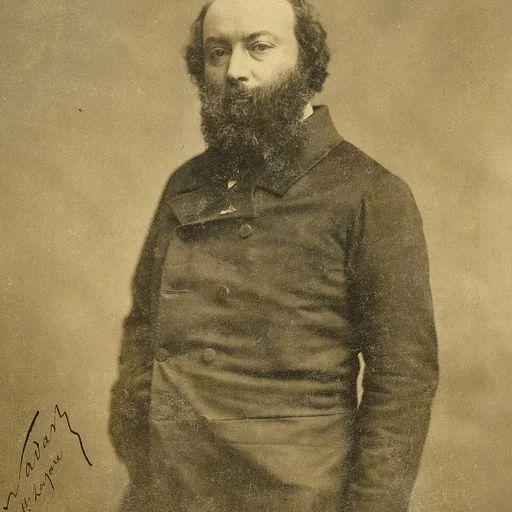
Artist
Étienne Pierre Théodore Rousseau (French pronunciation: ; 15 April 1812 – 22 December 1867) was a French painter of the Barbizon school.

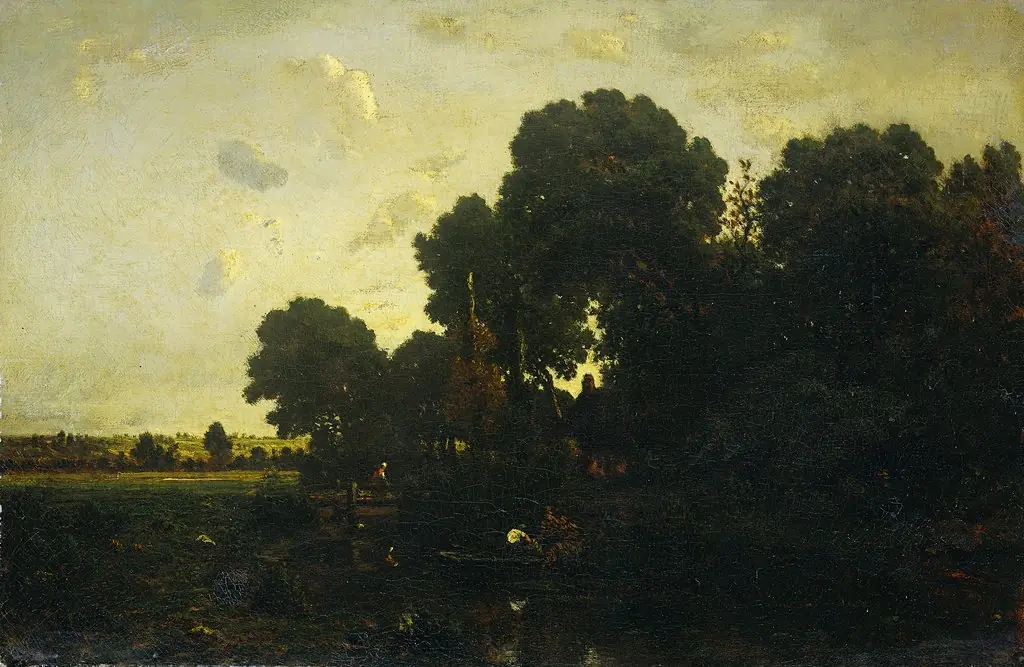
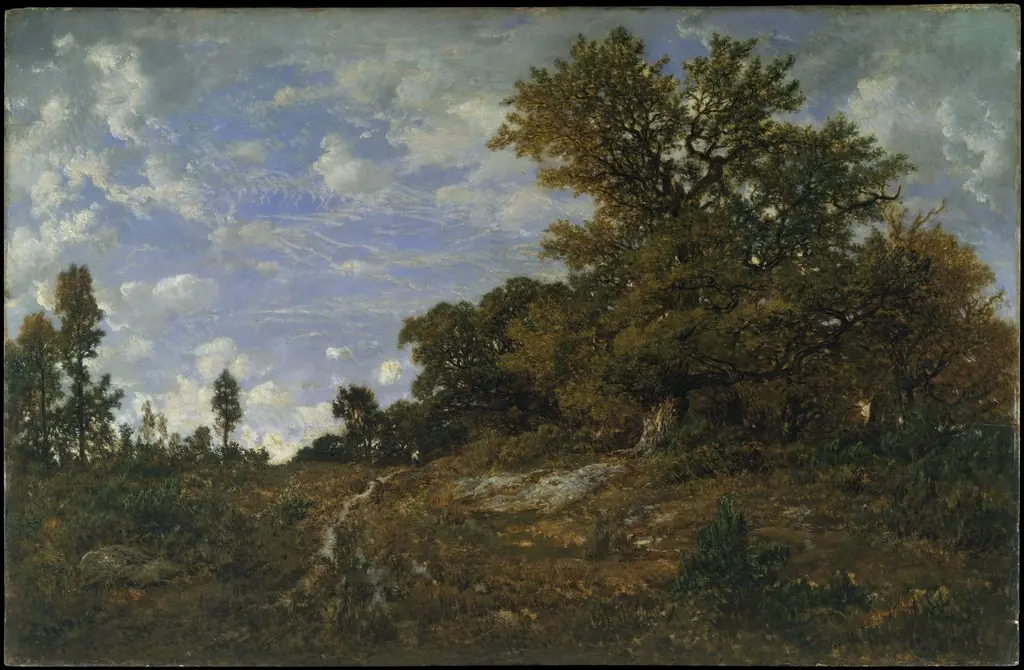
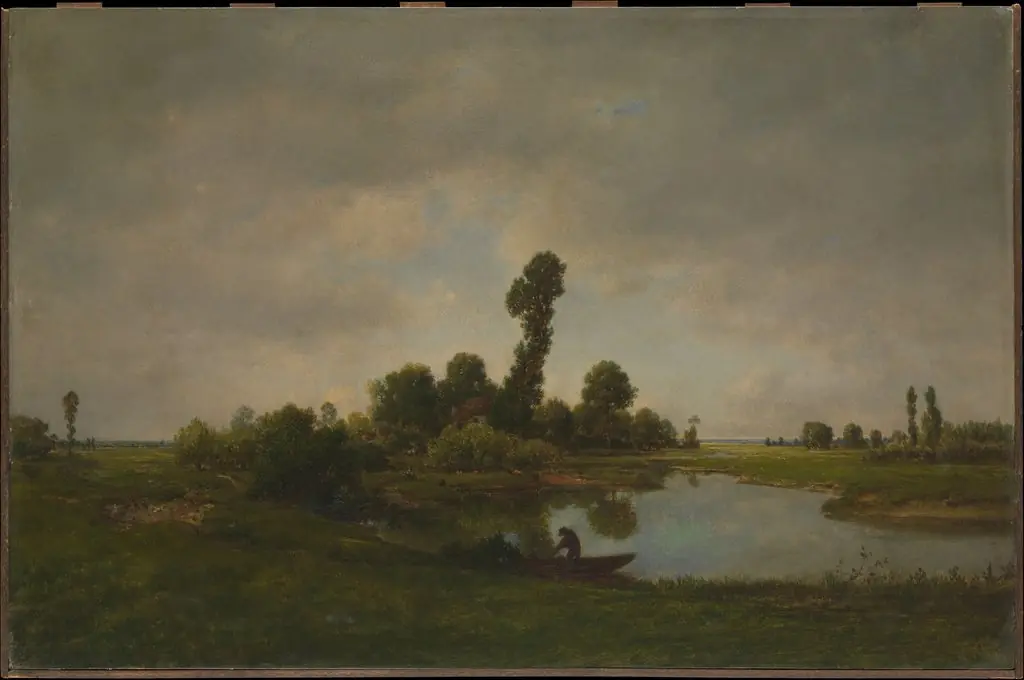
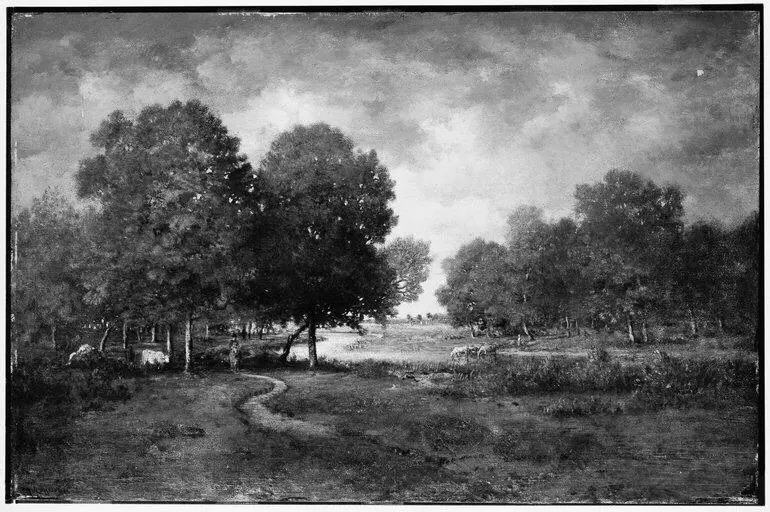
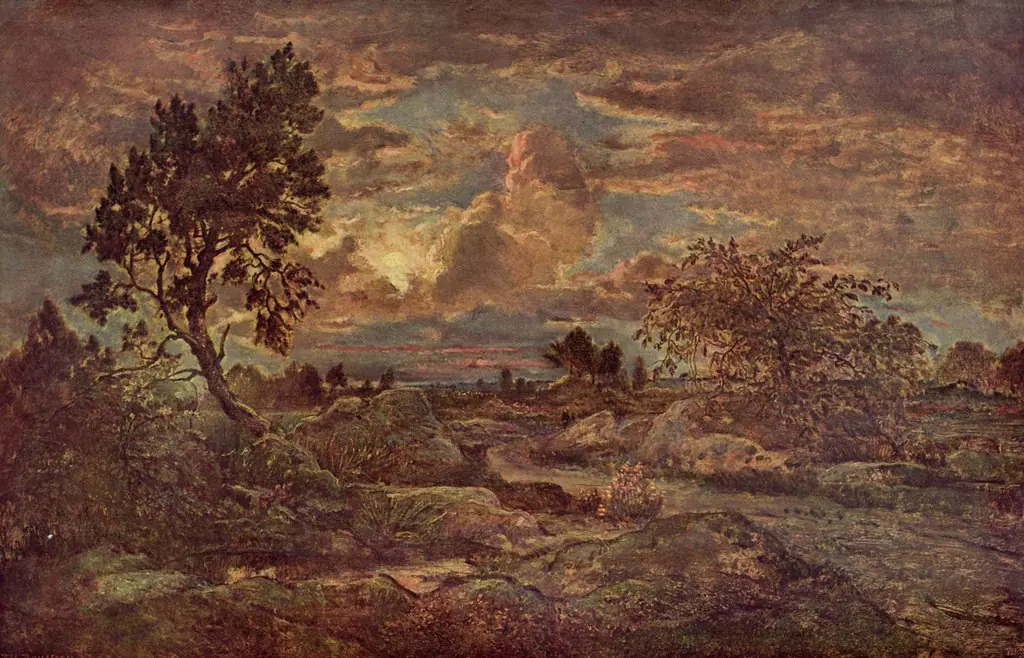
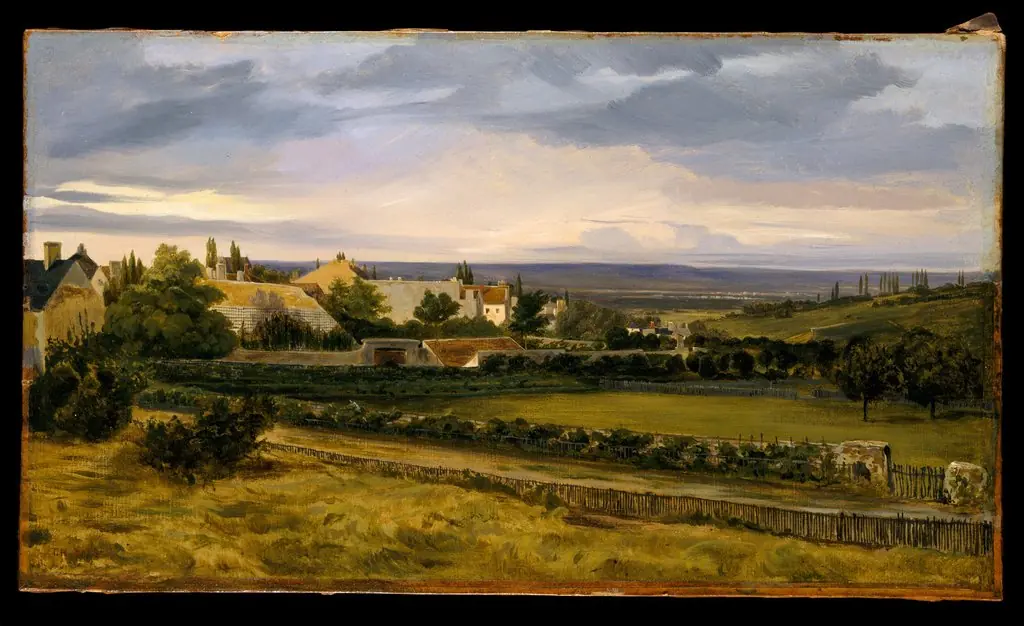
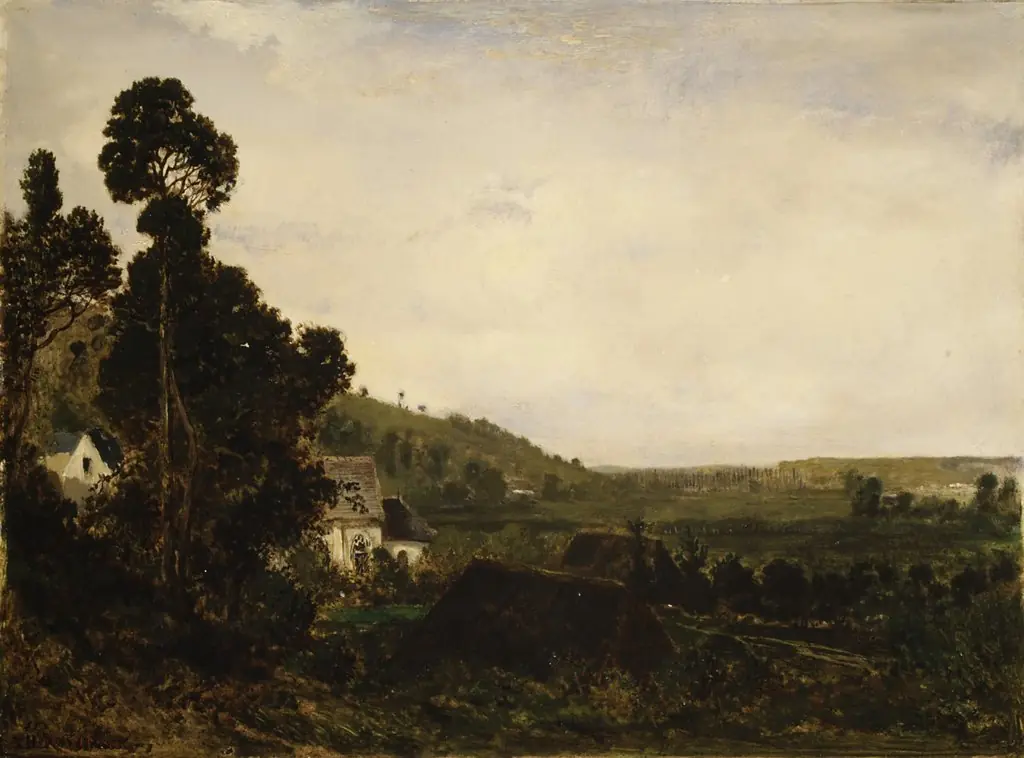
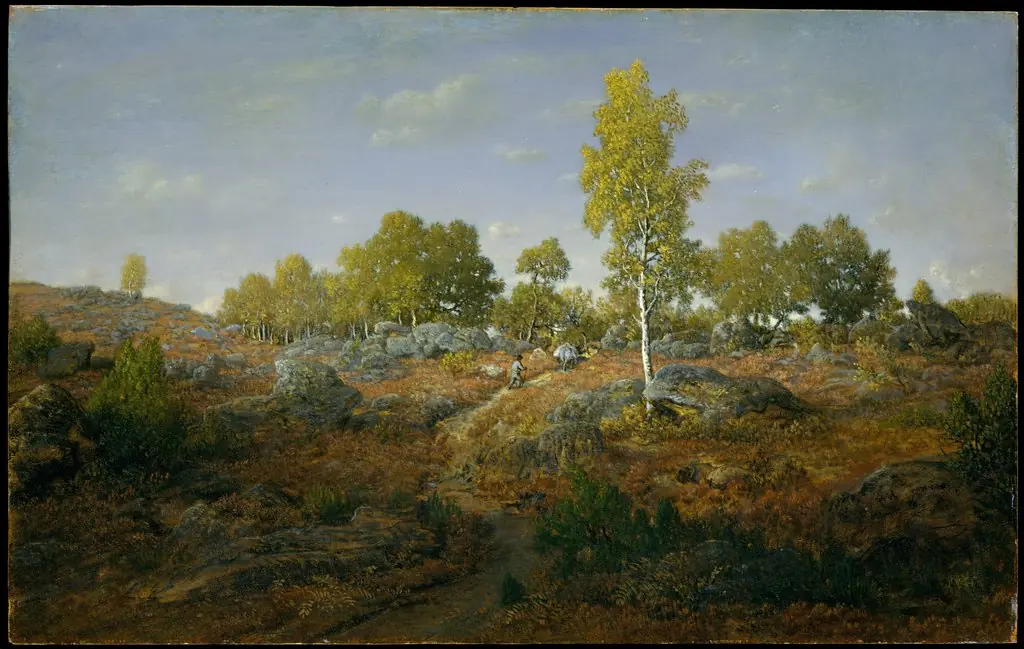
 Leaving the Forest, Fontainebleau: Setting Sun
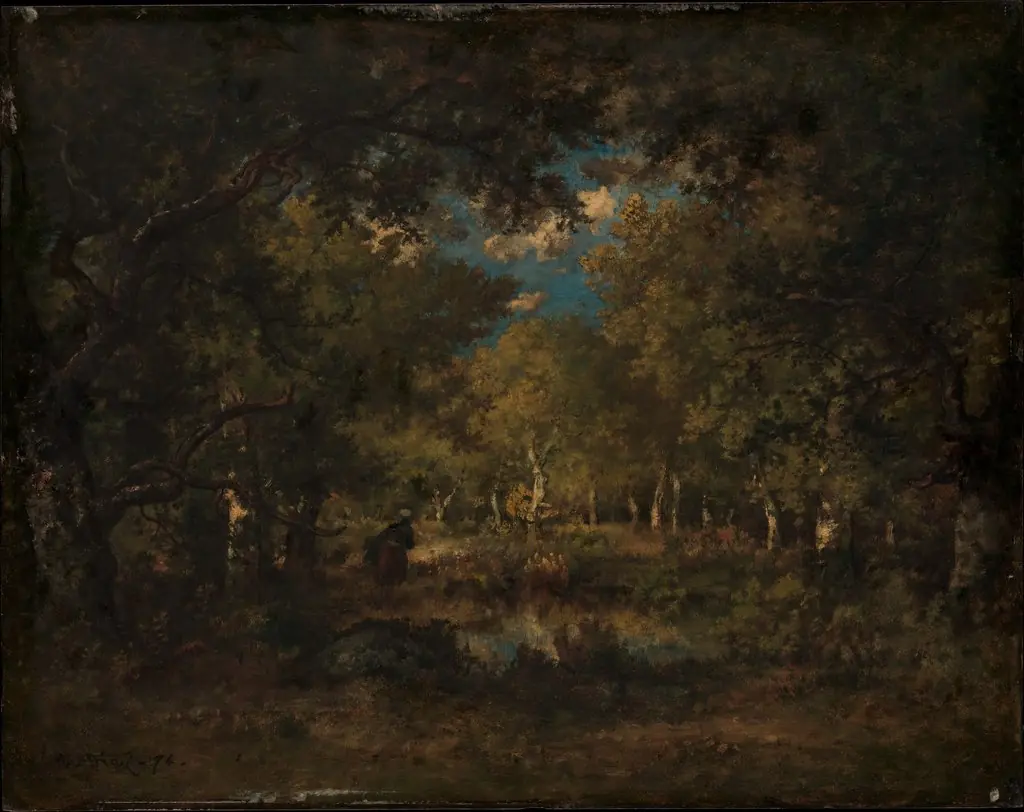 The Forest of Fontainebleau
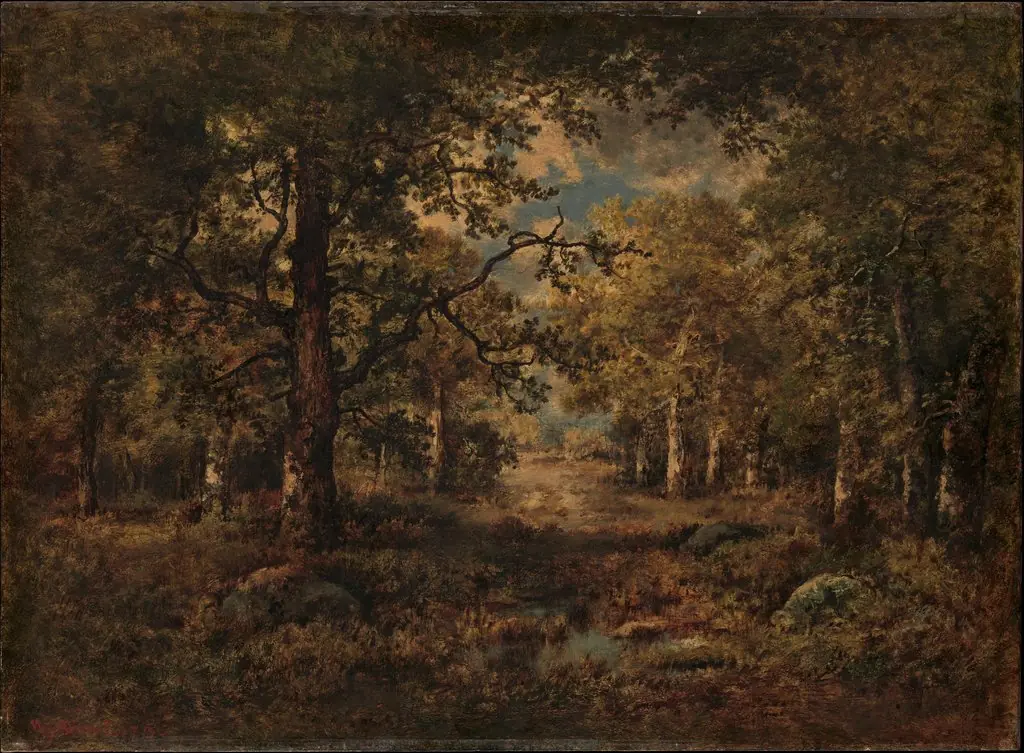 A Vista through Trees: Fontainebleau
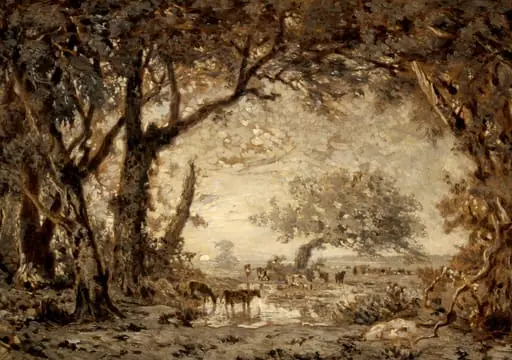 Sunset from the Forest of Fontainebleau
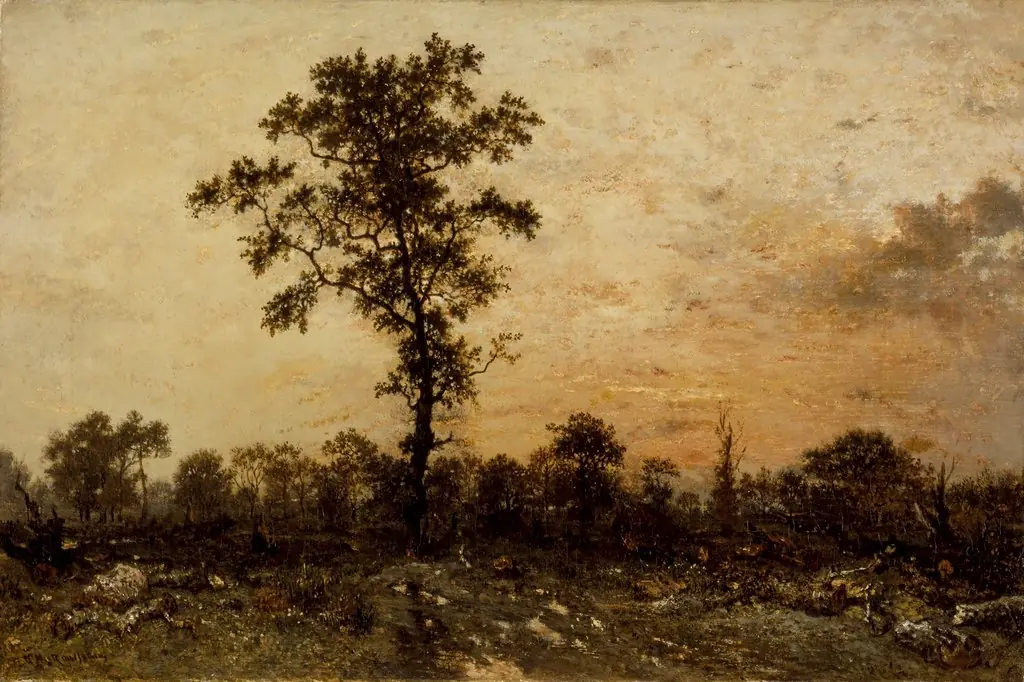 Edge of the Forest, Sun Setting
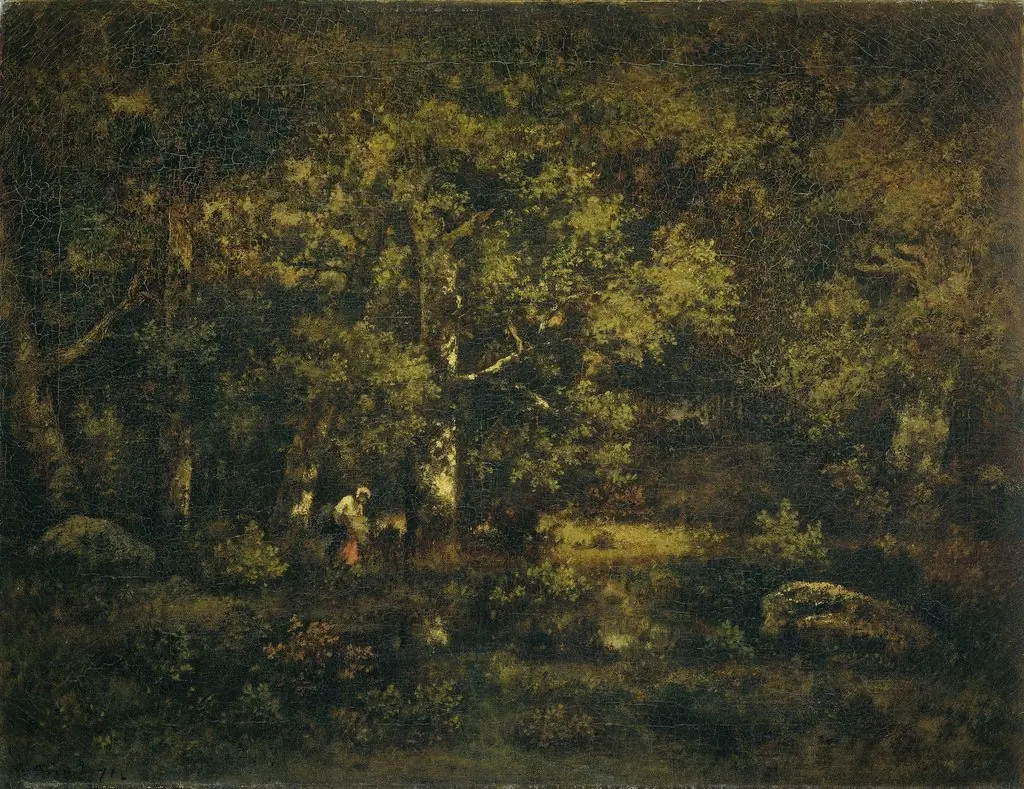 The Forest of Fontainebleau
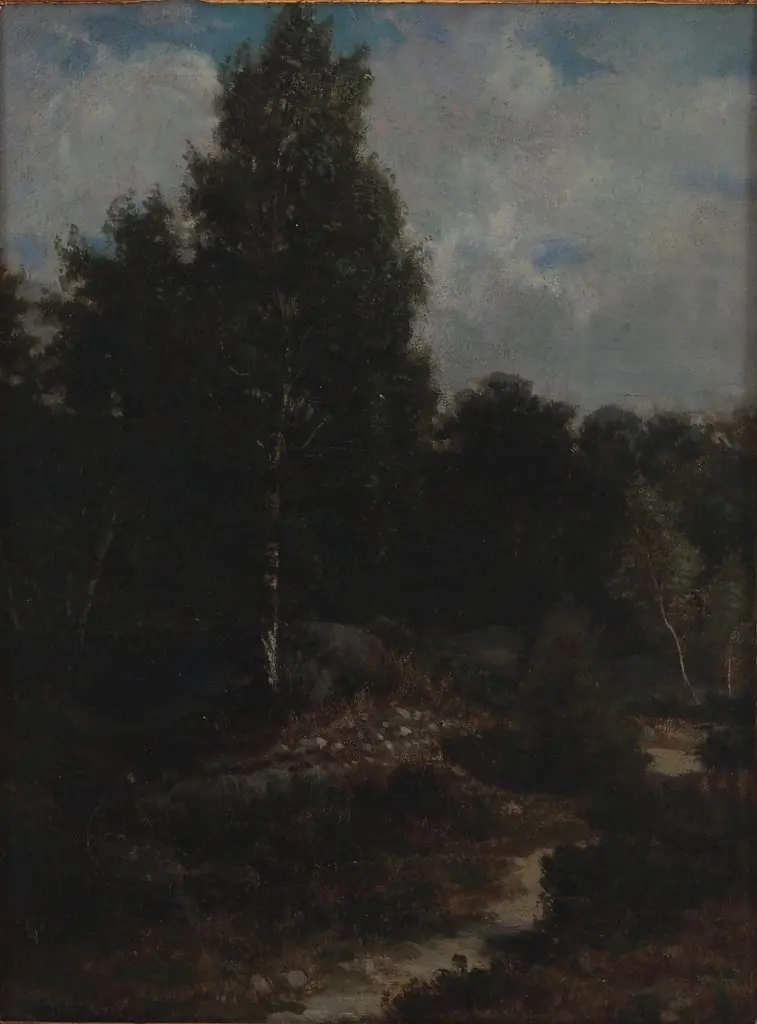 Fontainebleau Woods
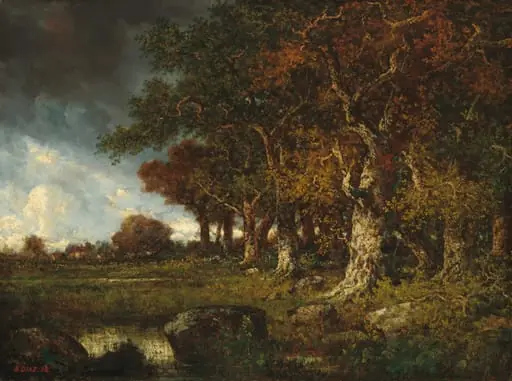 The Edge of the Forest at Les Monts-Girard, Fontainebleau
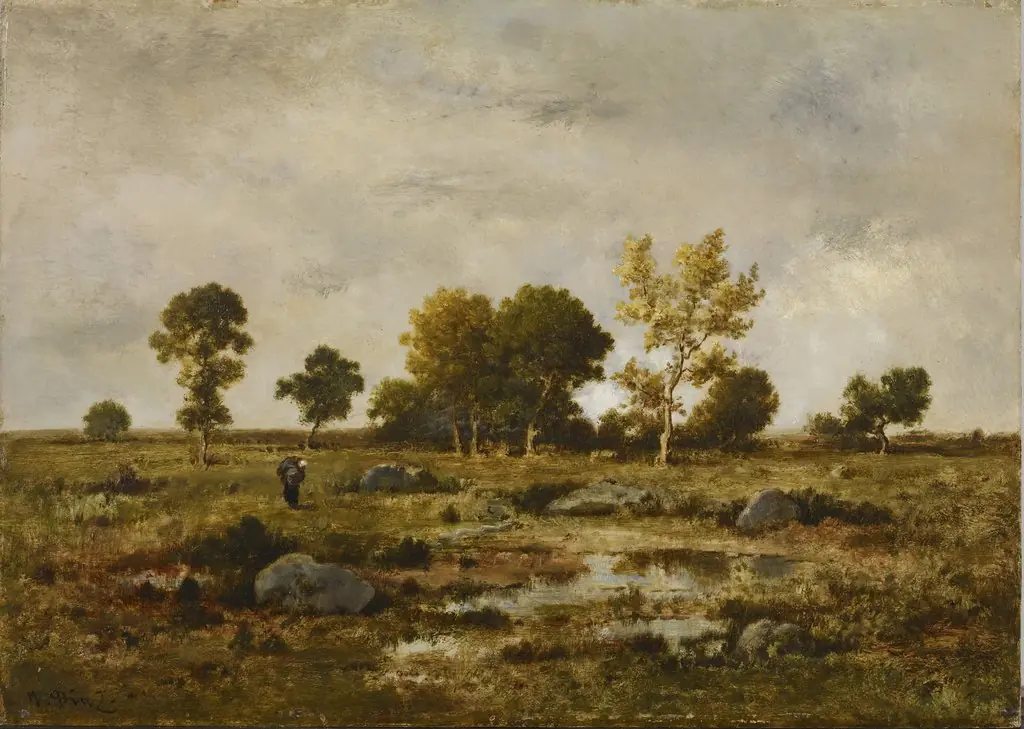 Effect of Autumn, Fontainebleau