Artwork
The Port of London
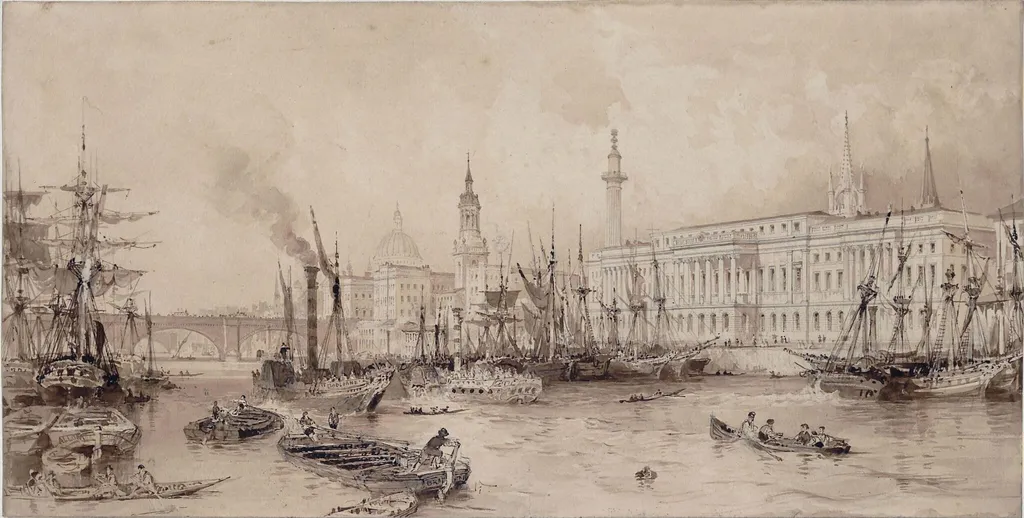
The Port of London is a watercolor work on paper by the Romanticist artist Thomas Allom. It dates from 1830 and is held in the collection of the Victoria and Albert Museum.
About this work
Overview
The Port of London is a watercolour painting created by Thomas Allom in 1830, depicting a vibrant scene along the River Thames.
Subject & Meaning
The painting captures the bustling activity of the Port of London, juxtaposing a multitude of ships with prominent architectural landmarks, including a grand white building, a dome, and a spire. The composition highlights the interplay between industrial hubbub and grandiose urban design.
Technique & Style
Allom executed the work using soft, muted colours and loose brushwork, imbuing the scene with a dreamy, slightly hazy atmosphere. This approach aligns with the expressive and emotive qualities of Romanticism.
History & Provenance
Created in 1830, the watercolour reflects the Port of London during a period of significant commercial and architectural development. Specific provenance details are not provided.
Context
The painting can be contextualized within the Romantic movement, which emphasized capturing the beauty of everyday life, the power of nature, and the emotional response to urban and natural landscapes.
Legacy
While specific legacy details of this work are not provided, it contributes to the broader understanding of 19th-century British watercolour practices and the artistic interpretation of industrializing urban landscapes during the Romantic era.
Artist & collection

Artist
Thomas Allom (13 March 1804 – 21 October 1872) was an English architect, artist, and topographical illustrator.


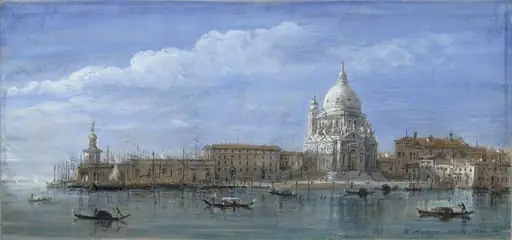 The Grand Canal and the Church of Santa Maria della Salute, Venice
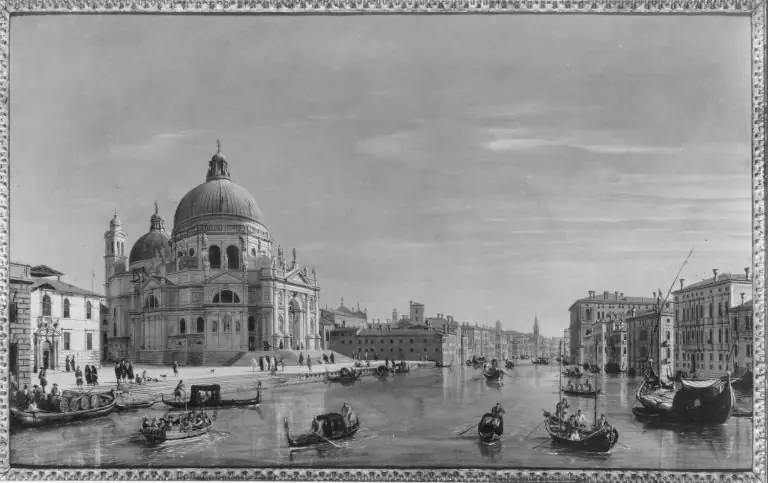 Blick auf S. Maria della Salute und den Canal Grande
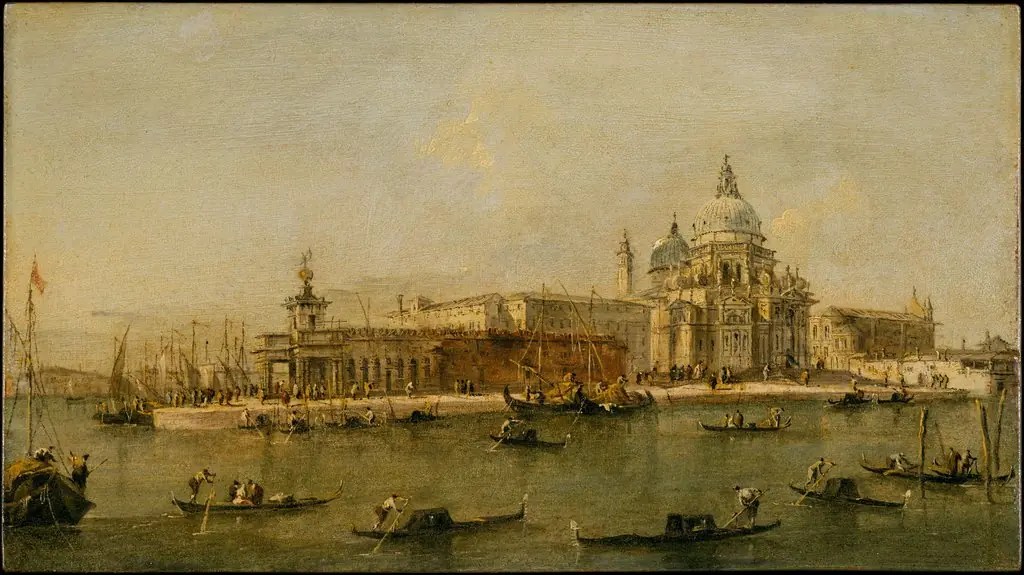 Venice: The Dogana and Santa Maria della Salute
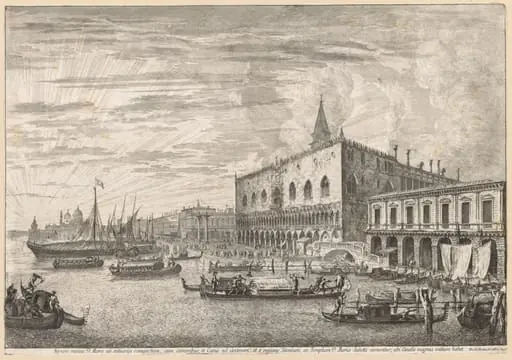 Views of Venice: The Molo and S. M. Della Salute
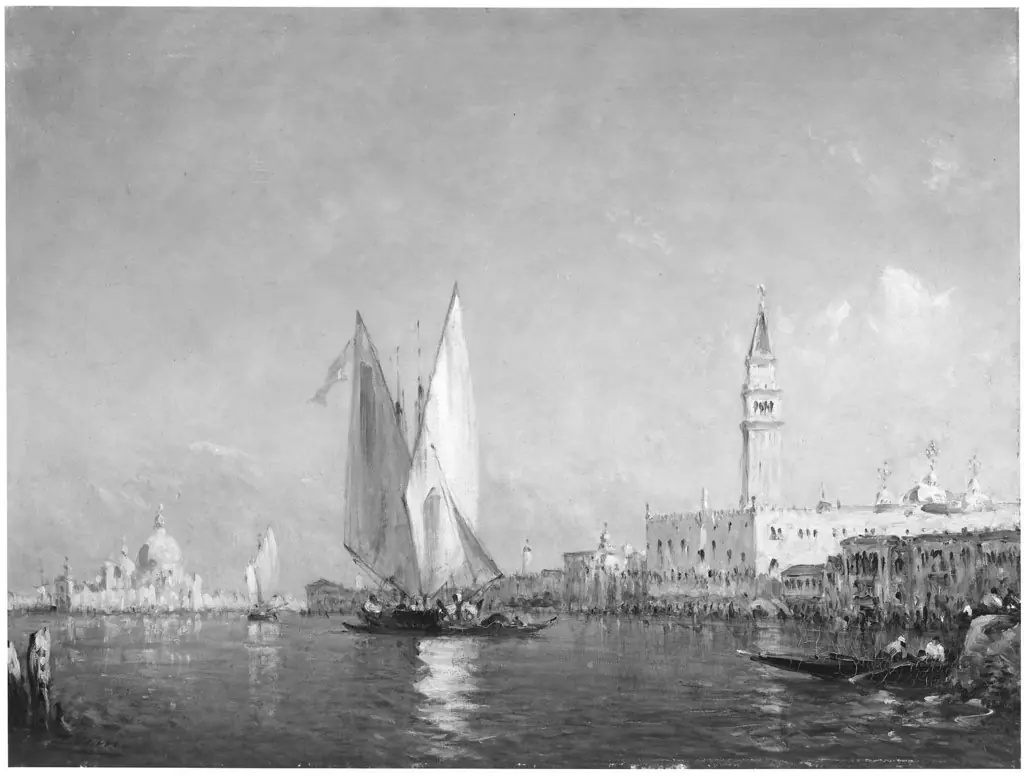 Bacino di San Marco, Venice
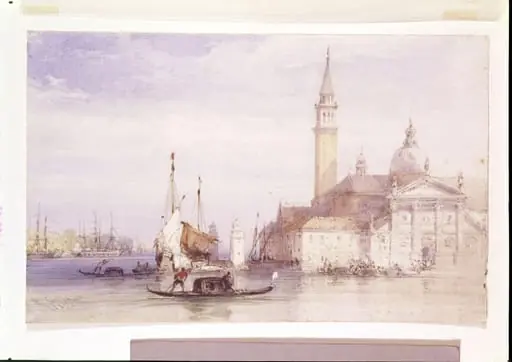 San Giorgio, Venice
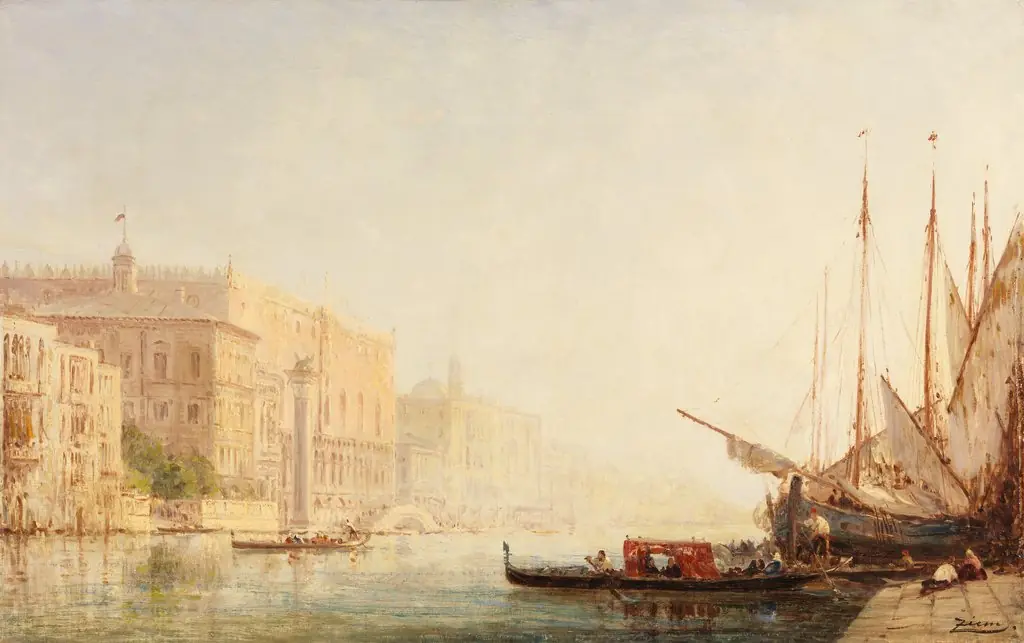 Venice: a Canal Scene
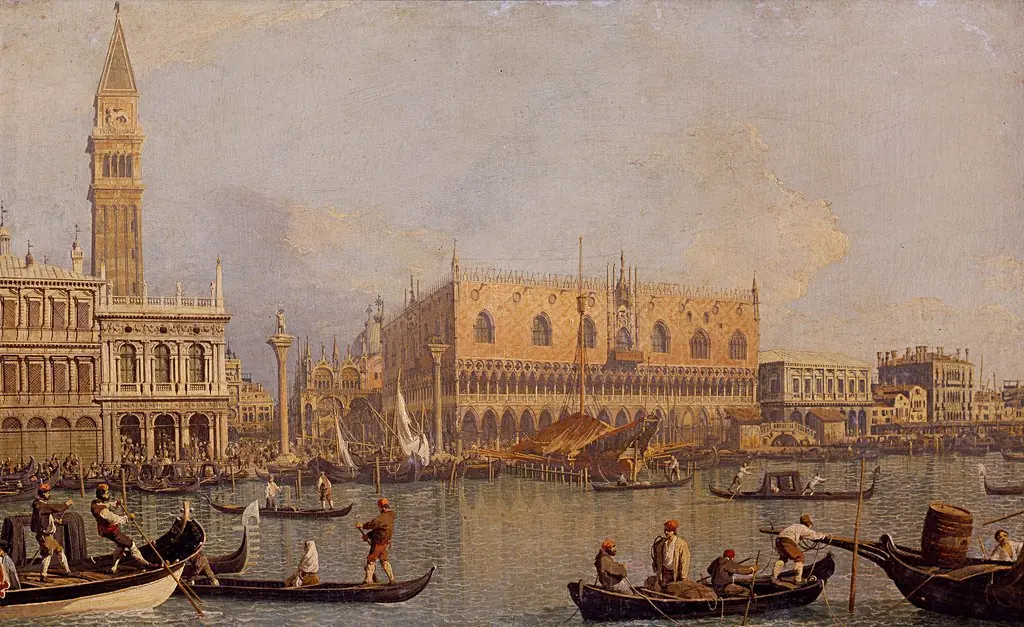 View of the Ducal Palace in Venice
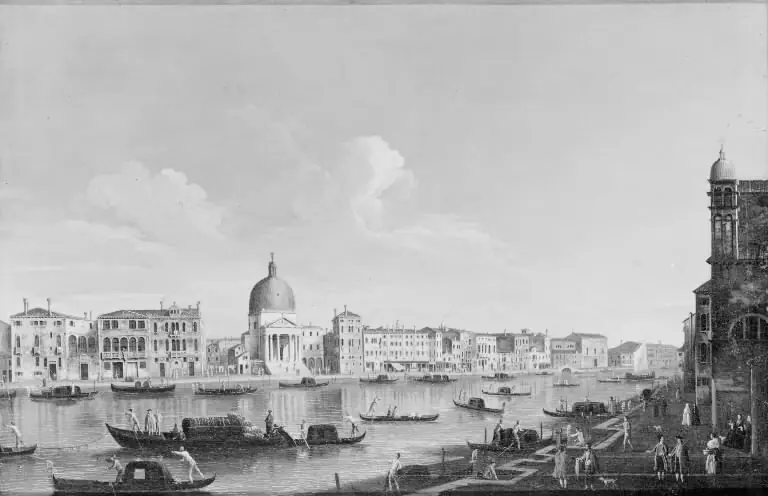 Canal Grande i Venedig med S. Simeone Piccolo
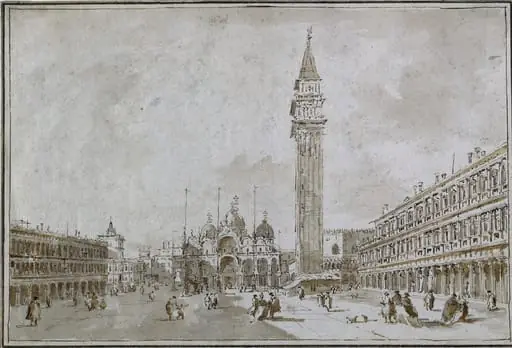 Piazza San Marco, Venice