Artwork
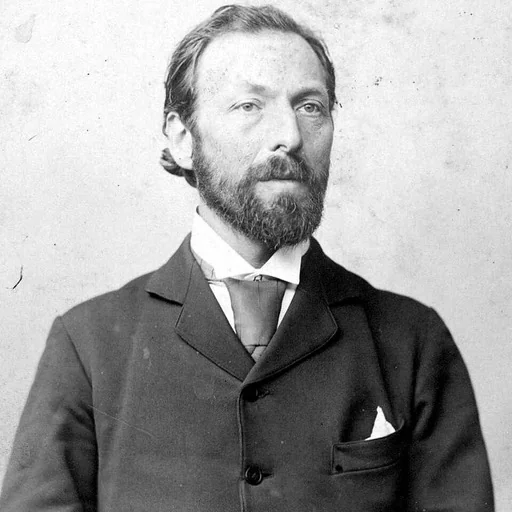
Portret van de beeldhouwer Pier Pander (1864-1919)
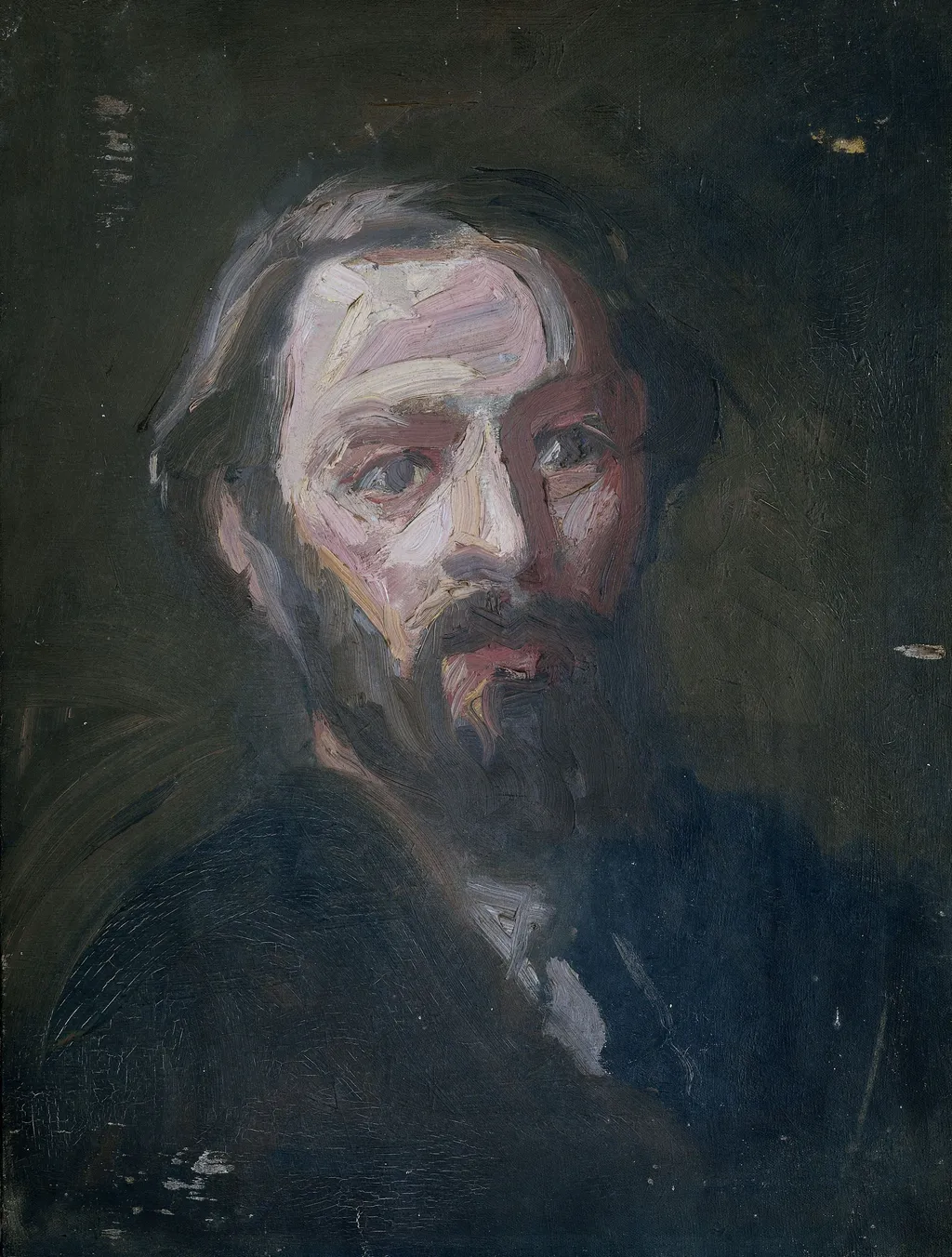
Portret van de beeldhouwer Pier Pander (1864-1919) is an oil painting by the Post-Impressionist artist Thomas Cool. It dates from 1897 and is held in the collection of the Rijksmuseum.
About this work
Overview
Thomas Cool’s 1897 oil portrait presents the Dutch sculptor Pier Pander (1864‑1919) in a close‑up composition. Executed for the Rijksmuseum’s collection, the work captures the artist’s likeness with a restrained palette and a focus on facial expression.
Subject & Meaning
The sitter, Pier Pander, is shown with a solemn demeanor, his pale complexion contrasted by a dark, neatly pulled‑back hairstyle and a full beard. The restrained pose and direct gaze suggest a contemplative character, aligning with Pander’s reputation as a serious and dedicated sculptor.
Technique & Style
Cool employs a pronounced impasto, especially evident in the rendering of the beard and hair, where thick, visible brushstrokes create a tactile surface. This textured approach adds dimensionality to the portrait and emphasizes the materiality of oil paint.
History & Provenance
Painted in 1897, the portrait entered the Rijksmuseum’s holdings, where it remains on display. Its acquisition reflects the museum’s interest in documenting prominent figures of Dutch artistic life from the late nineteenth century.
Context
Created during a period when realist portraiture emphasized psychological depth, the work aligns with contemporary Dutch trends that favored careful observation of the individual’s character through detailed surface treatment and subdued lighting.
Own this work as a print
Artist & collection