Artwork
Portrait of James Quin (1693-1766), Actor
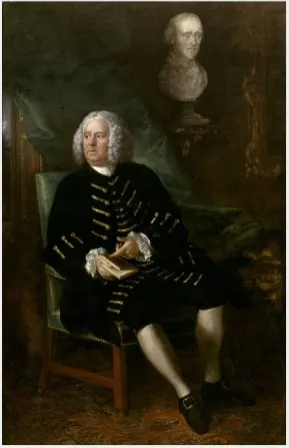
Portrait of James Quin (1693-1766), Actor is an oil painting by the Rococo painting artist Thomas Gainsborough. It dates from 1763 and is held in the collection of the National Gallery of Ireland. Painted in 1763, this oil portrait captures the English actor James Quin, a leading figure of the London stage.
About this work
The painting depicts a man seated in a chair, dressed in a black coat with gold accents and a white shirt.
The painting depicts a man seated in a chair, dressed in a black coat with gold accents and a white shirt. He holds a book in his lap and wears black shoes. The background is dark, with a faint image of a bust visible behind him.
The man's attire and the style of the painting suggest a formal portrait from the 18th century. The artist's use of dark colors and subtle lighting creates a sense of depth and dimensionality.
This painting is a work by Thomas Gainsborough.
Overview
Painted in 1763, this oil portrait captures the English actor James Quin, a leading figure of the London stage. Executed by Thomas Gainsborough, it reflects the artist’s emerging mastery in portraiture during the mid-18th century. The work is part of the National Gallery of Ireland’s collection and exemplifies the refined, intimate style Gainsborough brought to depictions of cultural figures of his time.
Subject & Meaning
James Quin is portrayed seated, dressed in formal black attire with gold trim and a white cravat, conveying both dignity and theatrical presence. The book in his lap suggests intellectual engagement, aligning him with the cultivated tastes of Enlightenment-era actors. The faint bust in the background alludes to classical ideals, reinforcing the cultural aspirations of the performing arts in 18th-century Britain.
Technique & Style
Gainsborough employed loose, fluid brushwork to render fabric and texture with a sense of immediacy. The dark background enhances the figure’s presence, while subtle gradations of light model the face and clothing with quiet realism. The palette is restrained—dominated by blacks, whites, and muted golds—creating a somber elegance that avoids theatricality, even as the subject’s profession invites it.
History & Provenance
Commissioned during Quin’s later years, the portrait was likely intended to commemorate his distinguished career. It remained in private hands until entering the National Gallery of Ireland’s collection, where it has been held since the 19th century. Its survival and preservation reflect its status as a significant record of theatrical life in Georgian England.
Context
In 1760s London, actors like Quin occupied a unique social space—celebrated yet ambiguously regarded. Gainsborough’s portrait aligns with a broader trend of elevating performers through dignified representation, mirroring the era’s shifting attitudes toward the arts. The painting stands as a quiet counterpoint to the more flamboyant portraits of nobility, emphasizing restraint and intellectual gravitas.
Legacy
The portrait endures as a testament to Gainsborough’s ability to convey character through subtlety rather than grandeur. It influenced later British portraiture by demonstrating how psychological depth could be achieved with minimal gesture and refined tonal control. Quin’s image, preserved in this work, remains a key visual reference for understanding the cultural stature of 18th-century actors.
Artist & collection
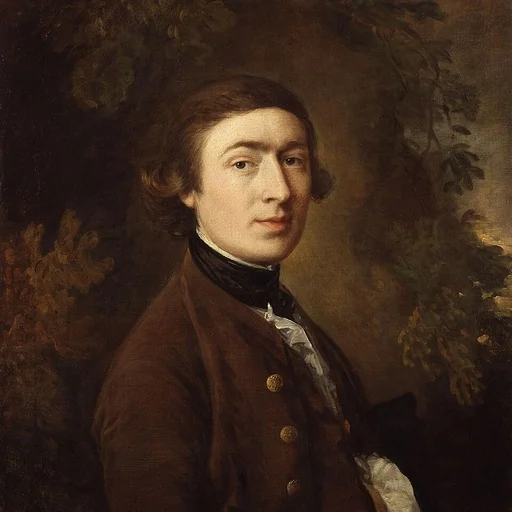
Artist
Thomas Gainsborough (; 14 May 1727 (baptised) – 2 August 1788) was an English painter, draughtsman and printmaker who specialised in portrait and landscape painting.

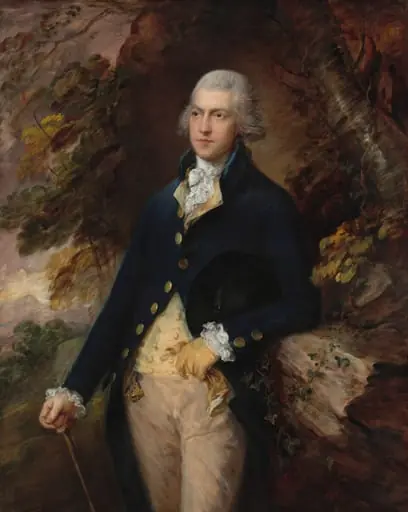
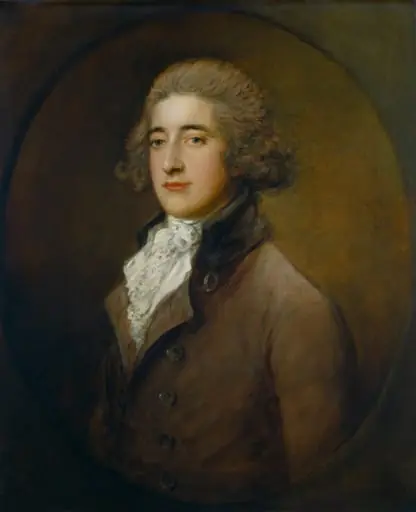
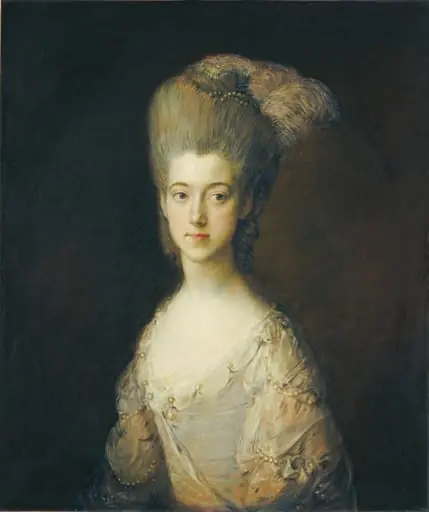
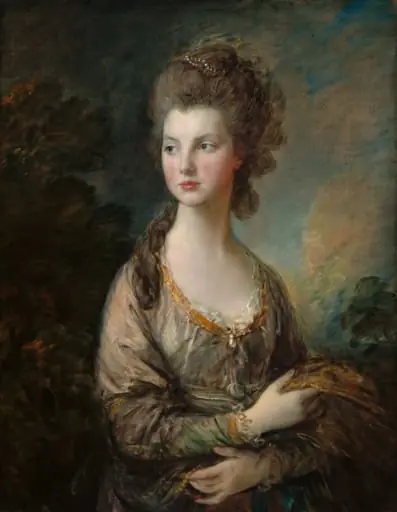
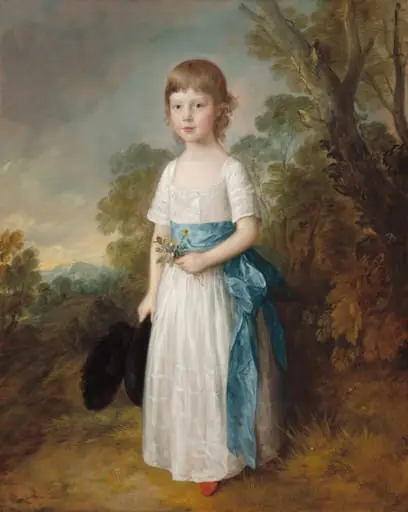
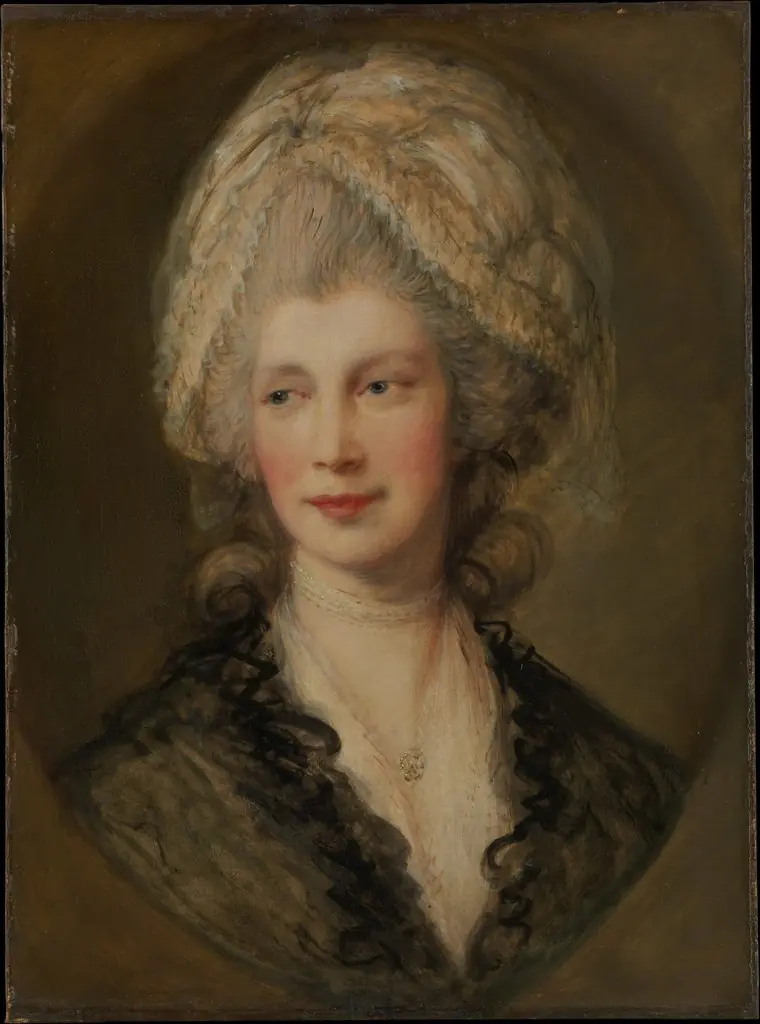
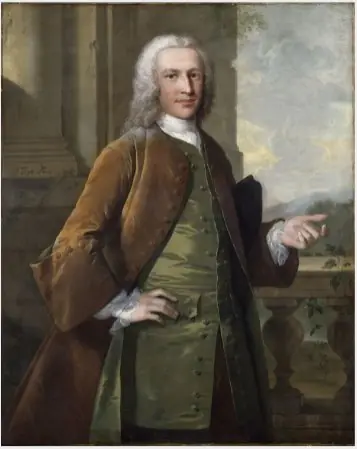 Portrait of Sir Charles Kemeys-Tynte, Baronet (1710-1785)
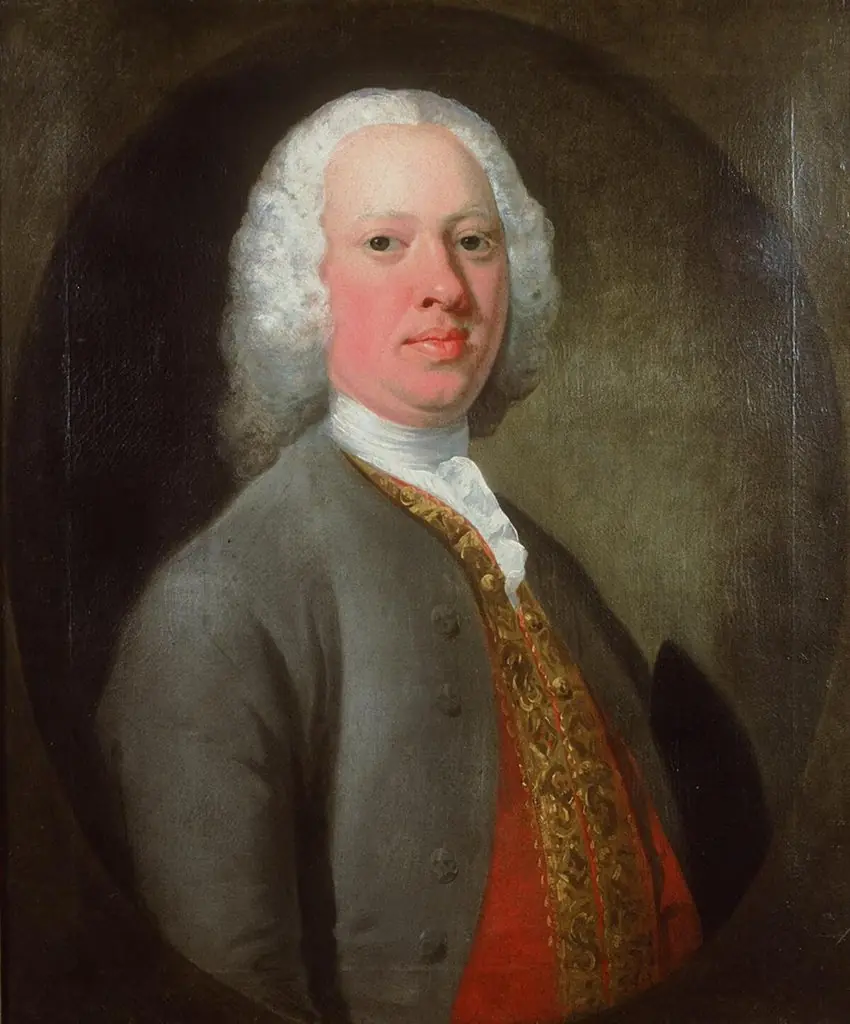 Edward Thelwall
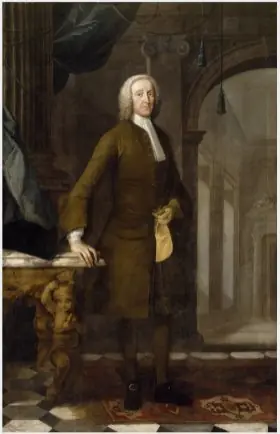 Portrait of John Allen of Bridgewater
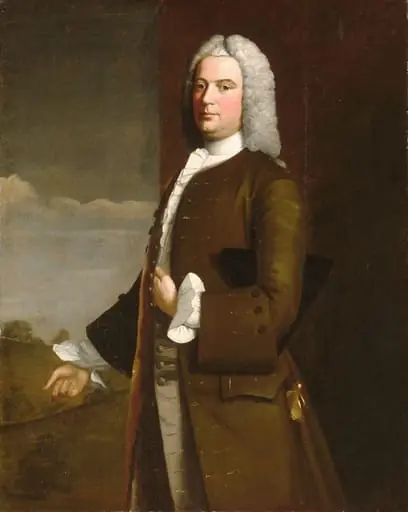 Tench Francis
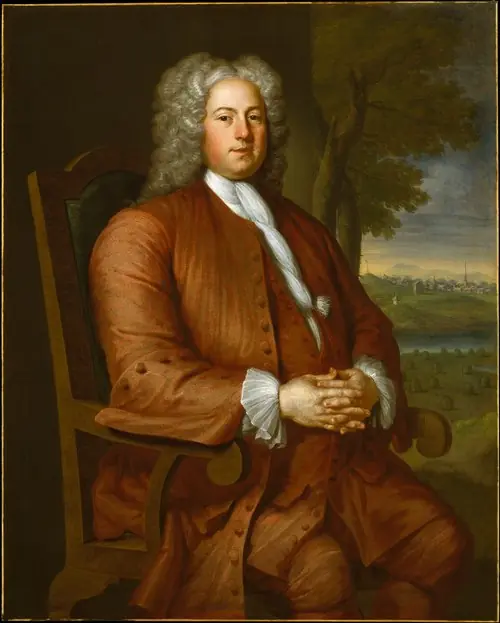 Portrait of Francis Brinley.
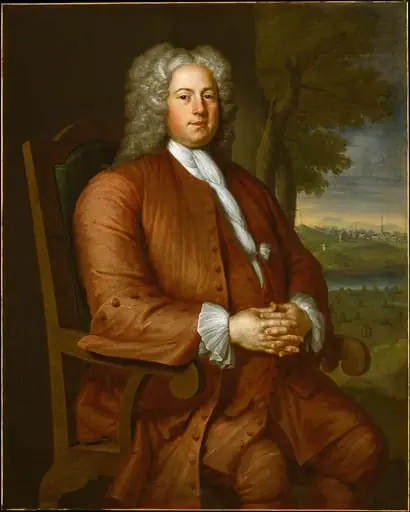 Francis Brinley
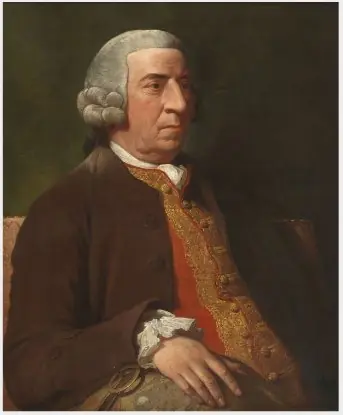 Portrait of Admiral Ommaney
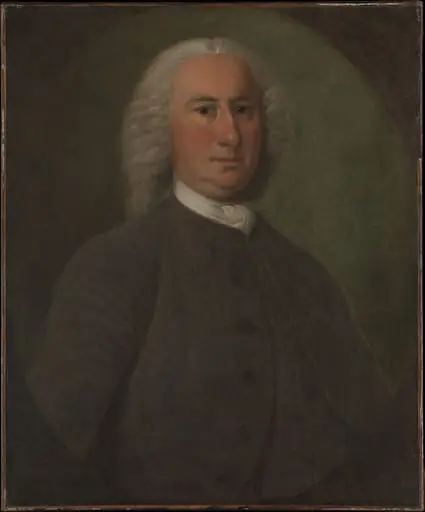 Gabriel Manigault
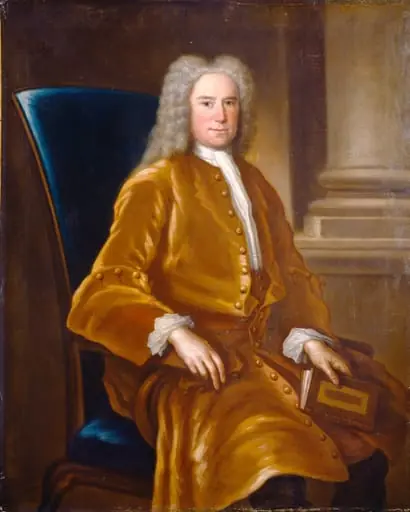 Portrait of a Gentleman
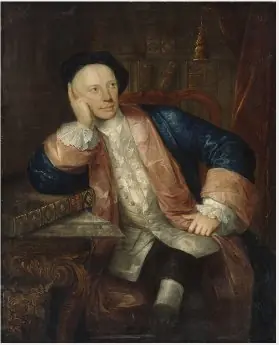 Portrait of Thomas Sheridan (1719-1788)
 Portrait of Sir John Tyrell, Bt.
 H Beard Print Collection