Artwork
Winter Scene
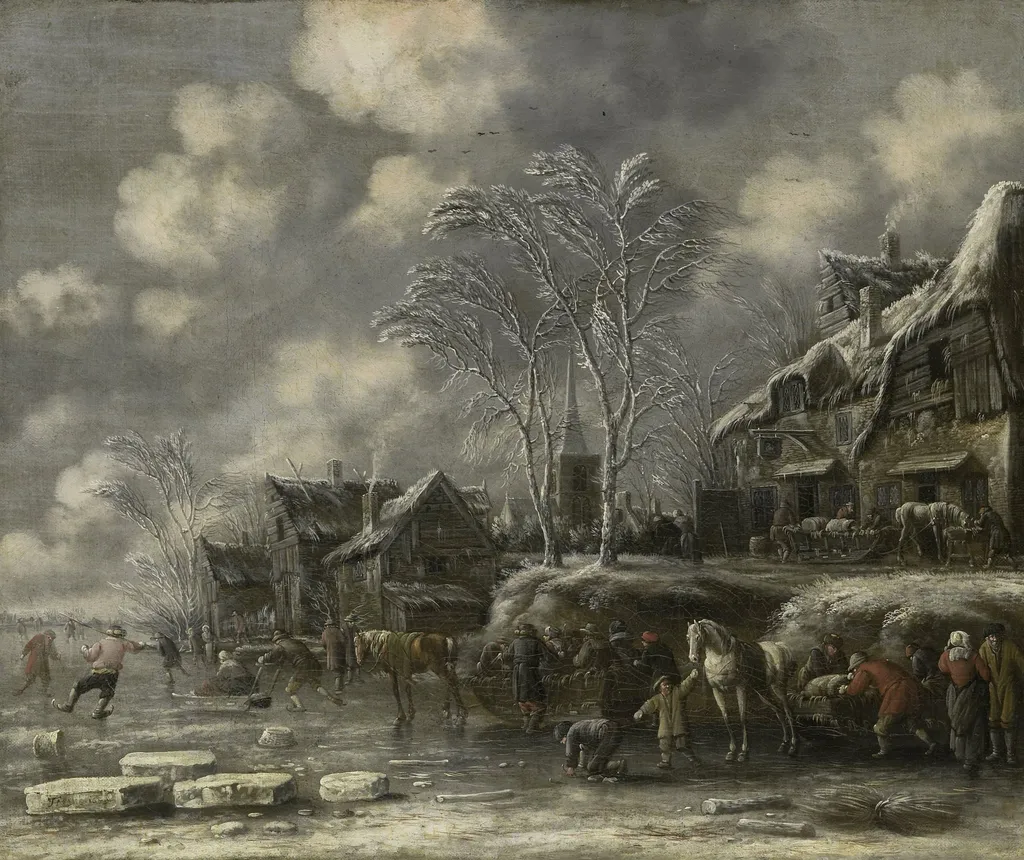
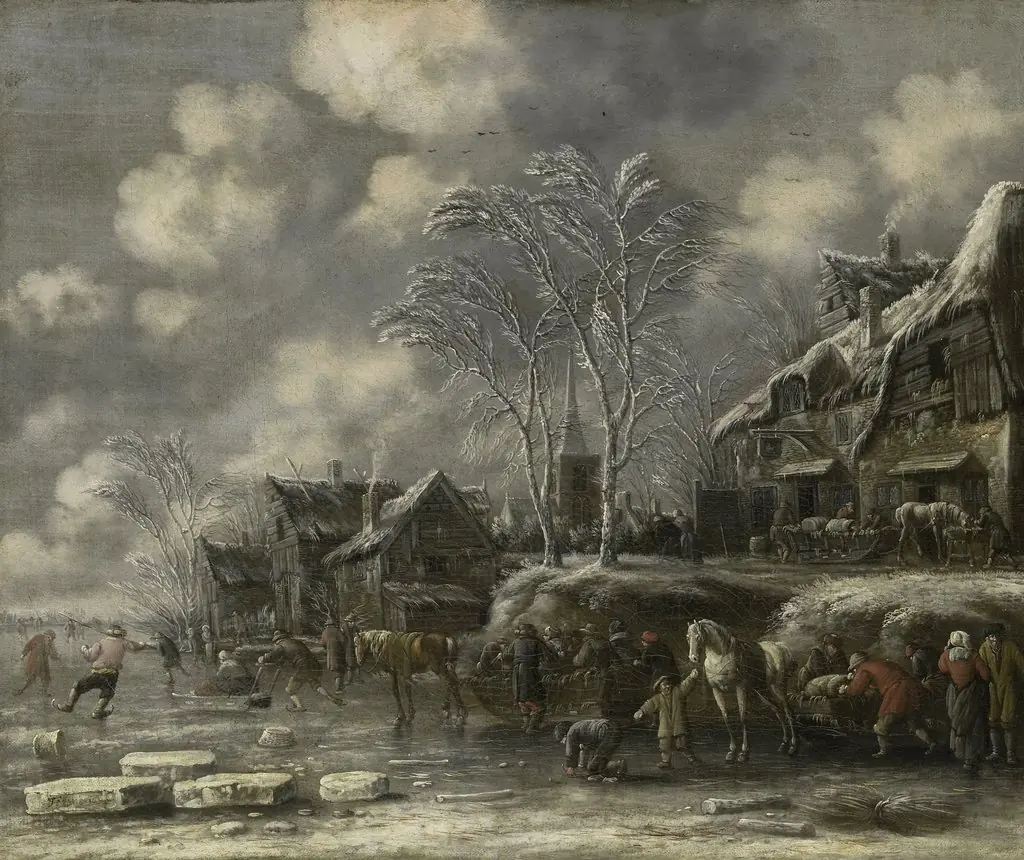
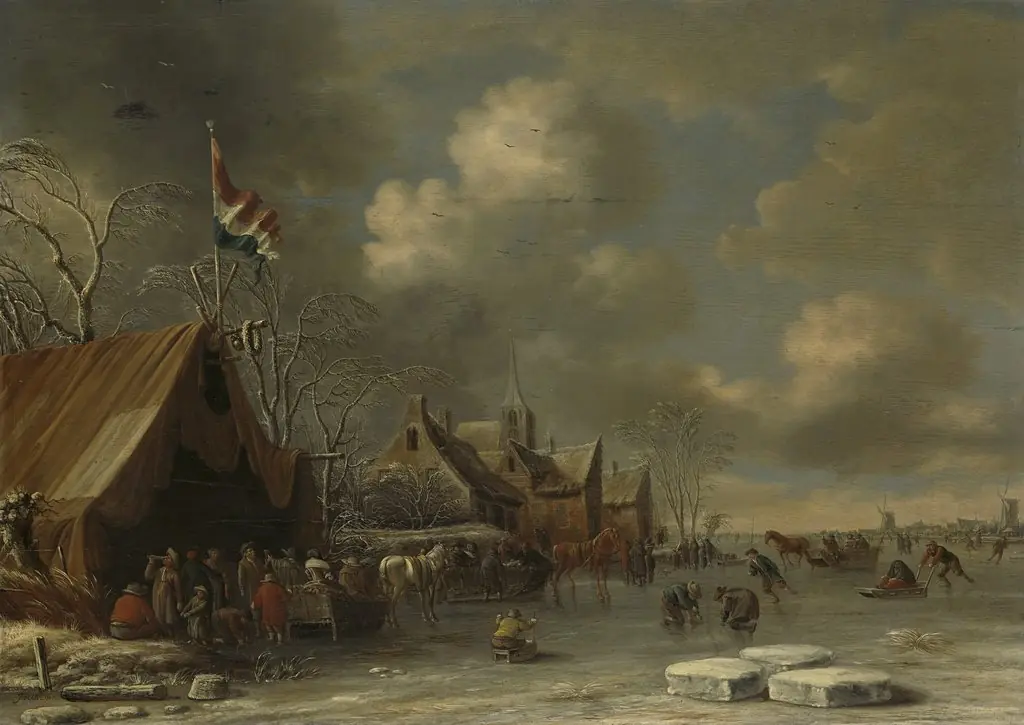
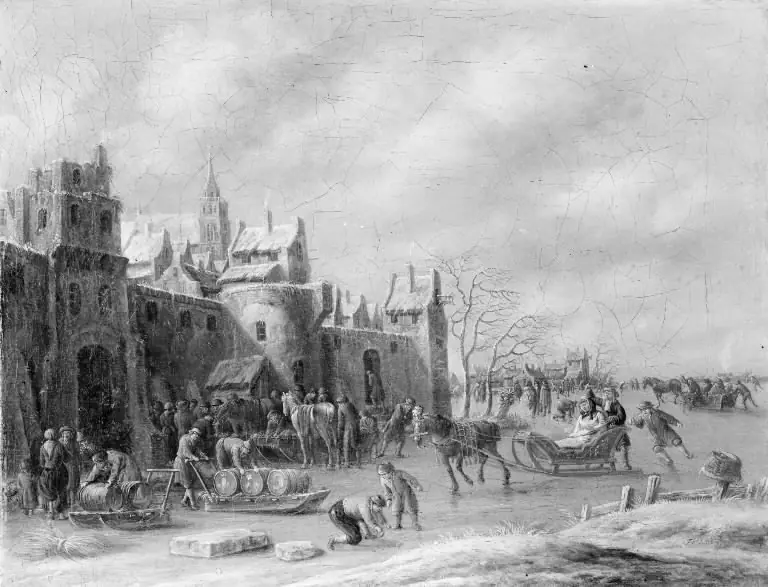
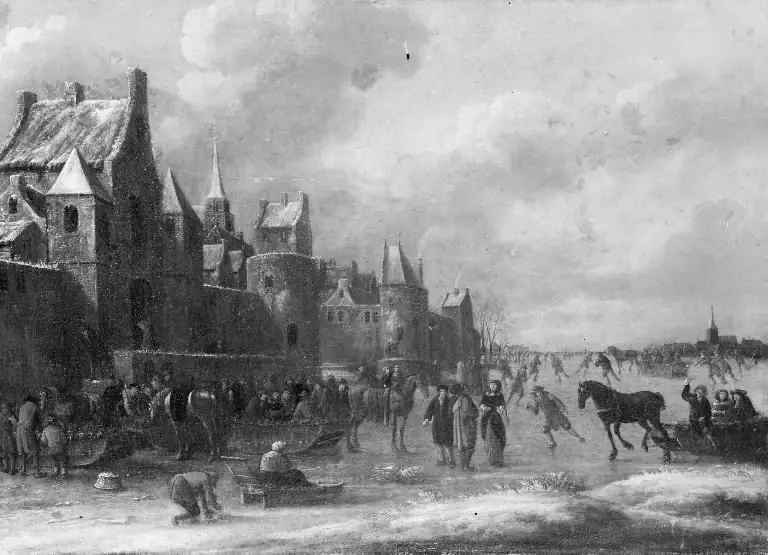
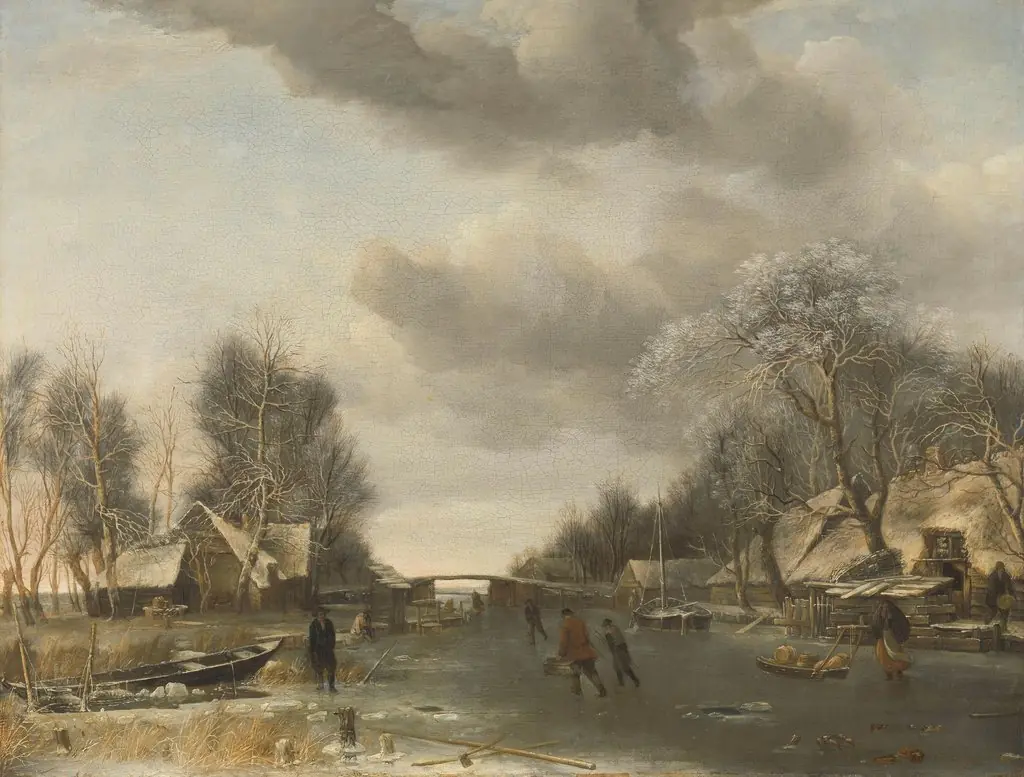
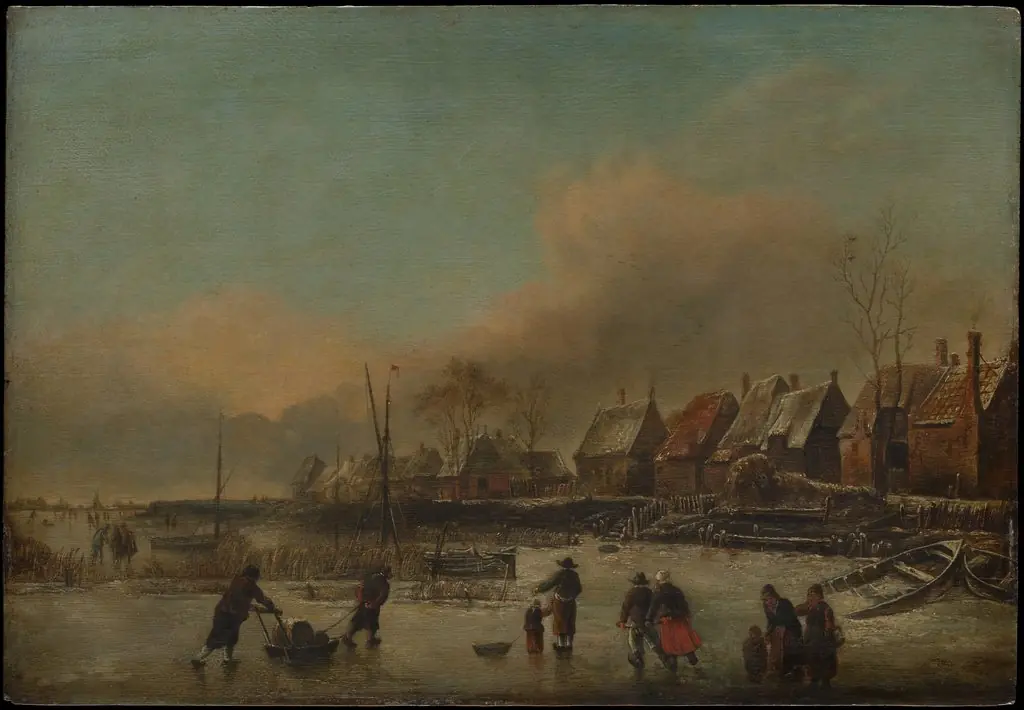
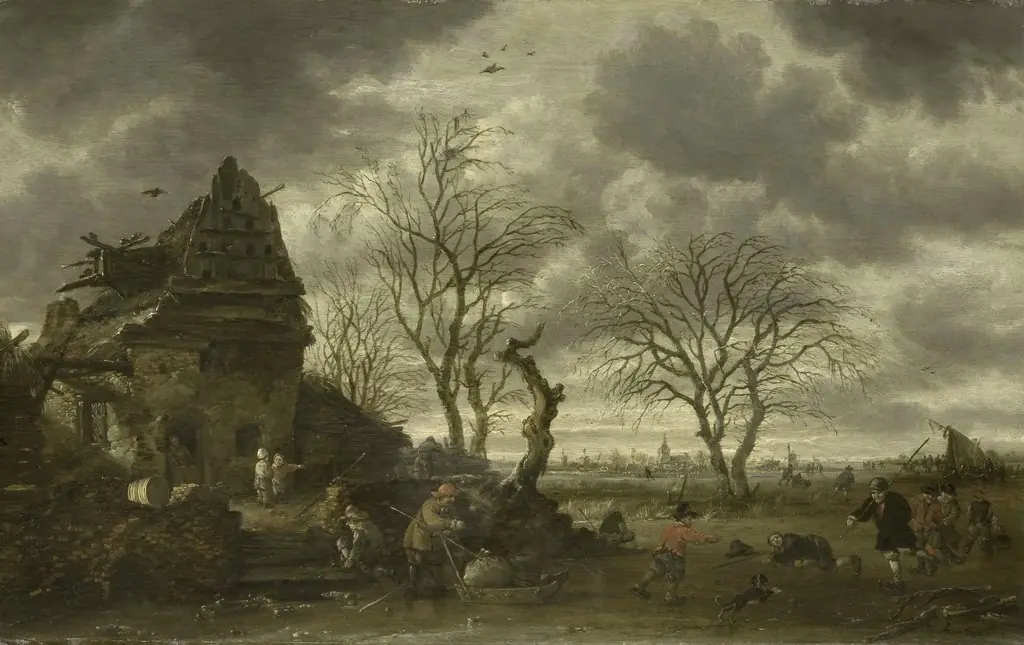
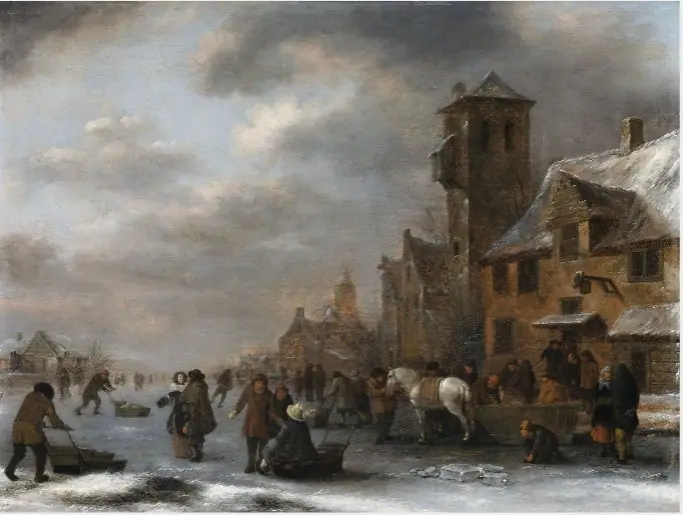
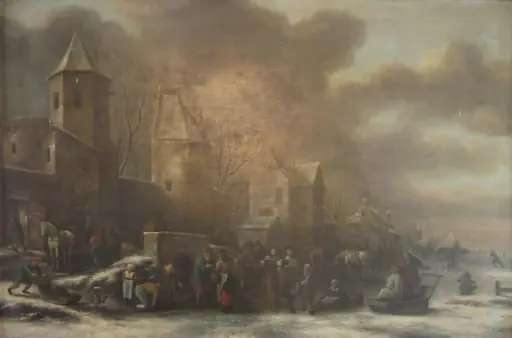
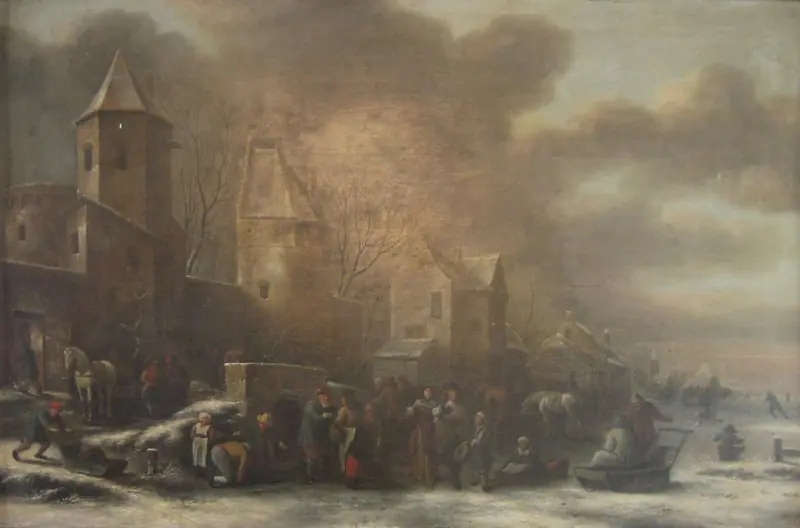
Winter Scene is an unspecified painting by the Dutch Golden Age artist Thomas Heeremans. It dates from 1675 and is held in the collection of the Rijksmuseum. The canvas depicts a winter village at dusk, where frozen waterways host skaters and a horse-drawn sled carries passengers.
About this work
Overview
The canvas depicts a winter village at dusk, where frozen waterways host skaters and a horse-drawn sled carries passengers. To the right, a second sled is being loaded with barrels, suggesting everyday commerce amid the cold.
Subject & Meaning
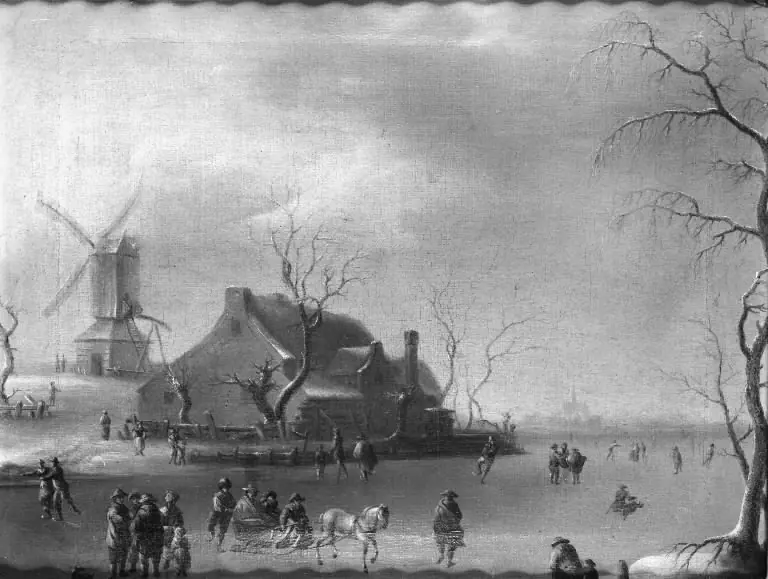
The scene captures ordinary winter activities: leisure skating, transport of people, and the loading of goods. By juxtaposing recreation with labor, the work reflects the rhythm of rural Dutch life during the colder months.
Technique & Style
Executed in the muted palette typical of Dutch winter landscapes, the painting employs fine brushwork to render ice, snow, and low light. The composition balances a central sled with peripheral figures, creating depth while maintaining a compact format.
History & Provenance
Created during the Dutch Golden Age, the piece is one of many small, unsigned works produced for the burgeoning middle class. Such paintings were often manufactured in workshops that supplied affordable genre scenes to domestic interiors.
Context
In the 17th‑century Netherlands, winter vistas were popular motifs, symbolising both the harsh climate and communal resilience. The inclusion of everyday tasks aligns the work with the period’s interest in realistic, relatable subject matter.
Own this work as a print
Artist & collection
Artist
Thomas Heeremans (1641–1694) was a Dutch painter and art dealer. He is known for his landscapes of winter scenes, cityscapes, harbor scenes, beach views, river views and village scenes. He was influenced by Klaes…