Artwork
Sir Watkin Williams Wynn
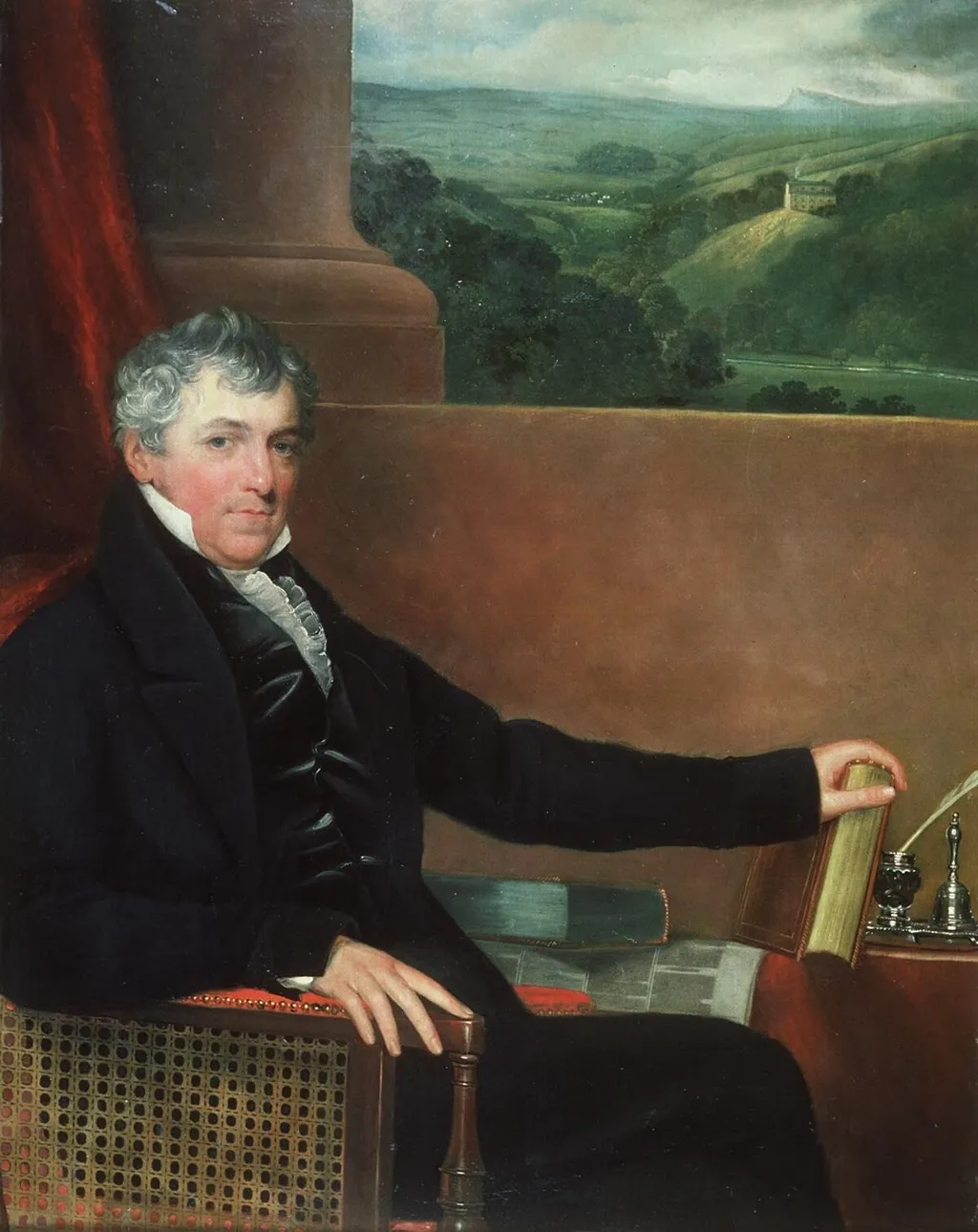
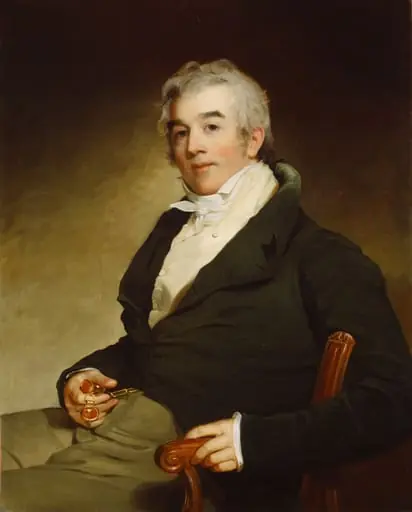
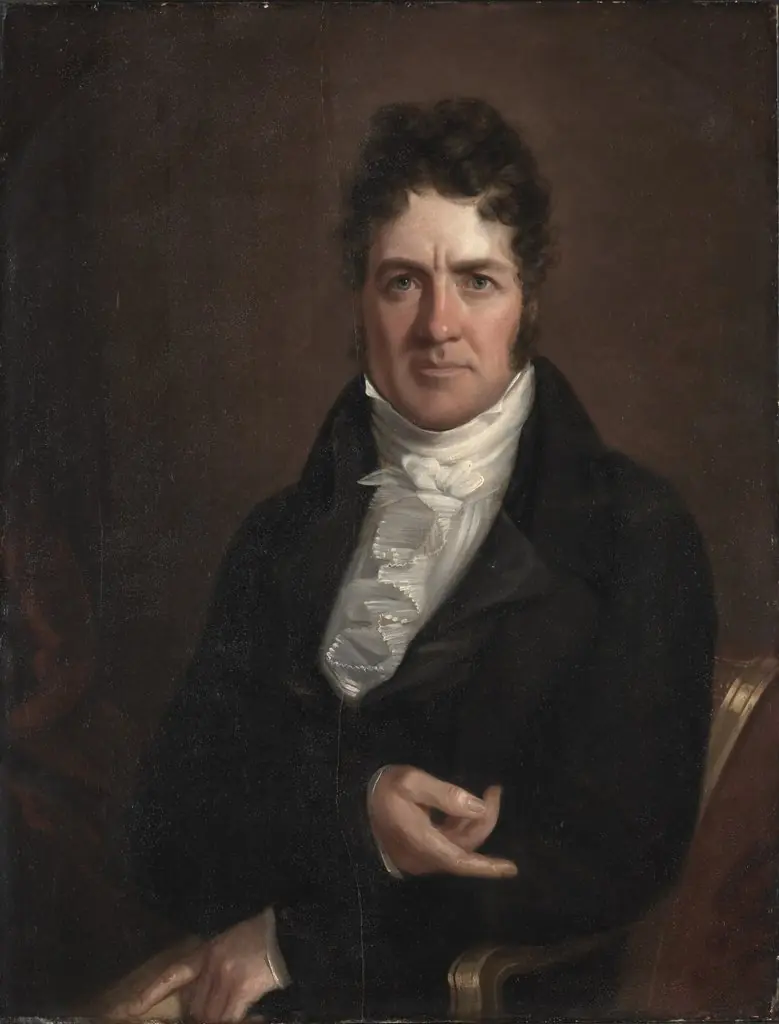
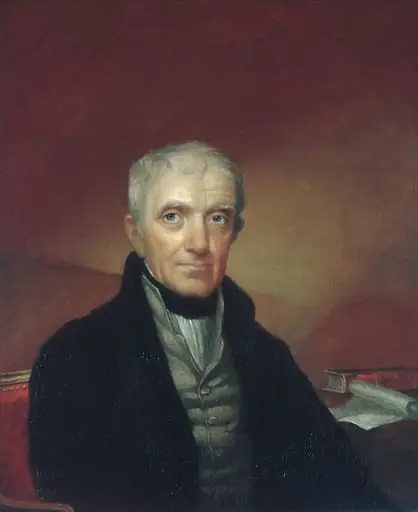
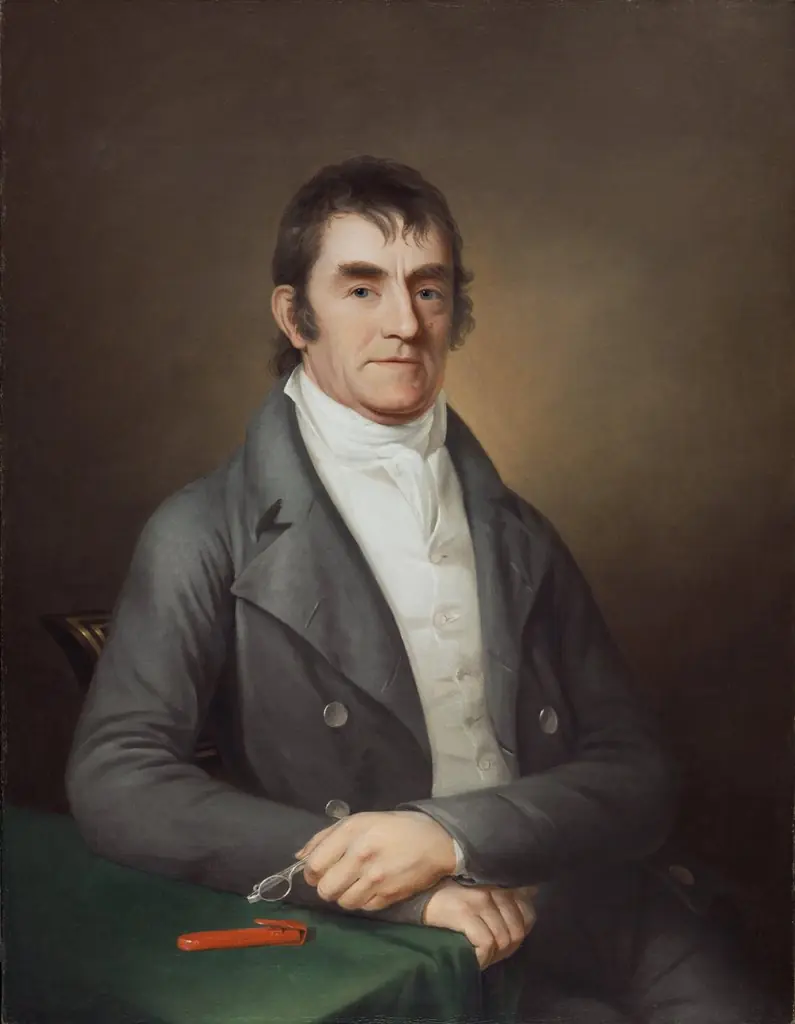
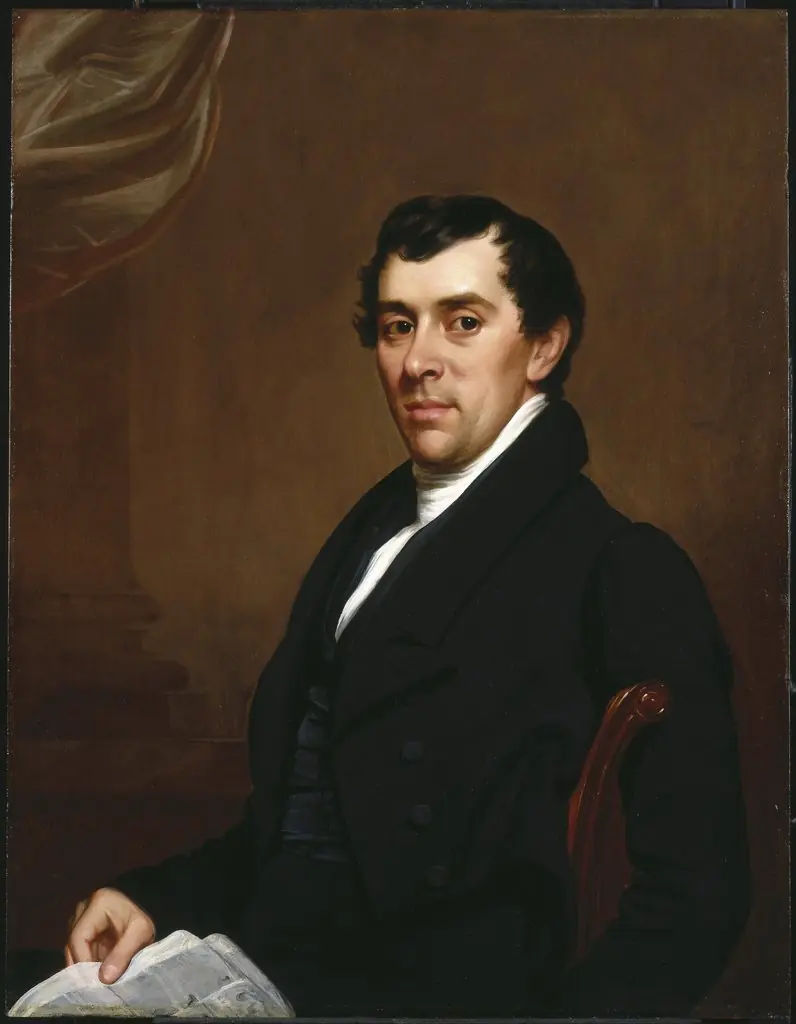
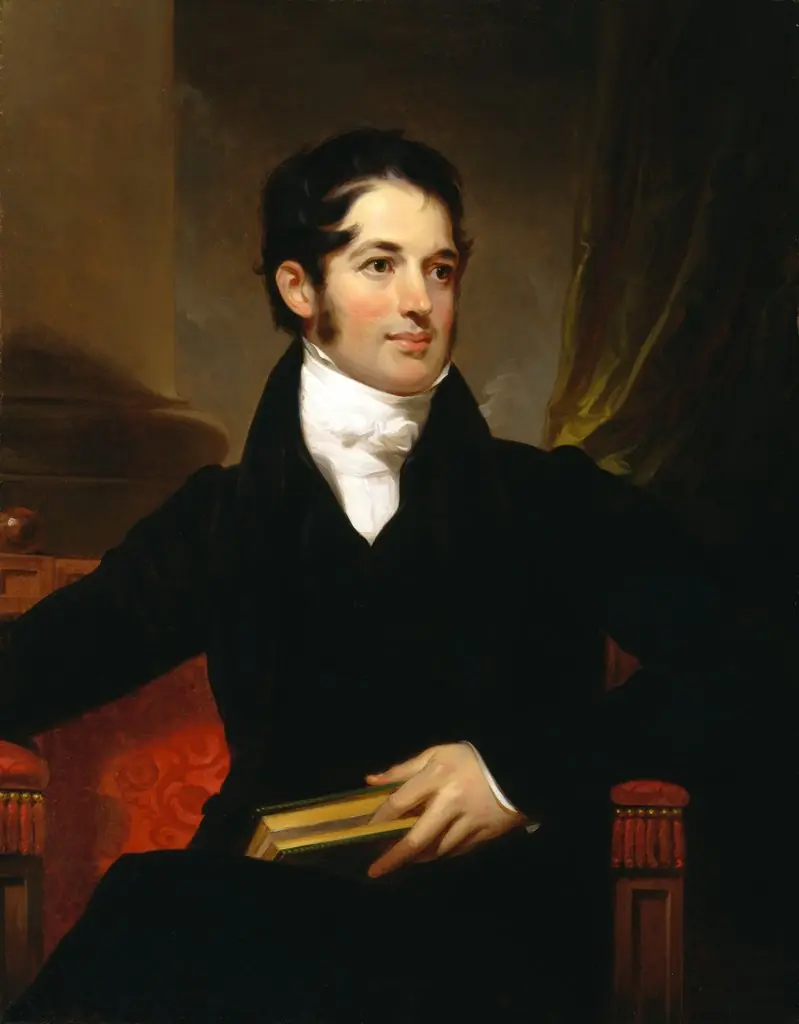
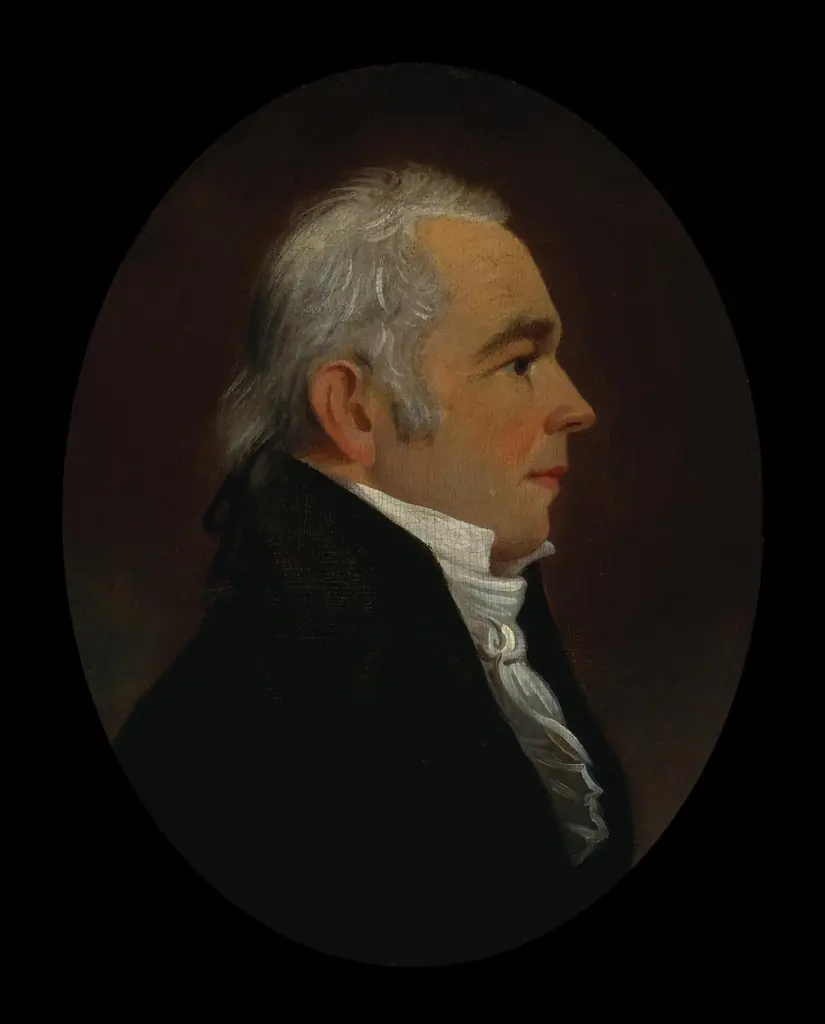
Sir Watkin Williams Wynn is an oil painting by the British Romanticist artist Thomas Kirby. It dates from 1834 and is held in the collection of the National Library of Wales.
About this work
Overview
The painting reflects the conventions of early 19th-century British portraiture, emphasizing dignity and introspection over theatricality.
Painted in 1834 by Thomas Kirby, this oil portrait captures Sir Watkin Williams Wynn, the fifth Baronet of the Wynn family. The work is part of the National Library of Wales’ collection. It presents the subject in a composed, seated posture, framed by a subdued interior and a distant landscape. The painting reflects the conventions of early 19th-century British portraiture, emphasizing dignity and introspection over theatricality.
Subject & Meaning
Sir Watkin Williams Wynn is portrayed as a man of leisure and intellectual refinement. His attire—black coat, white shirt, and dark vest—signals his aristocratic status without ostentation. The book in his hand and his gaze toward the viewer suggest contemplation, possibly of literature or estate matters. The tranquil landscape behind him reinforces an ideal of landed gentility, linking personal character to the natural order of his estate.
Technique & Style
Kirby employs a restrained palette and soft modeling to convey texture and form. The fabric of the coat and the woven chair seat are rendered with subtle tonal shifts, while the background landscape is painted with loose, atmospheric brushwork. Light falls gently across the figure’s face and hands, drawing attention to his expression. The composition avoids dramatic contrasts, favoring quiet harmony between subject and setting.
History & Provenance
The portrait was commissioned during Sir Watkin’s lifetime and remained within the Wynn family until its acquisition by the National Library of Wales. Its presence in the library, rather than a gallery, reflects the family’s longstanding connection to Welsh cultural institutions. The painting’s preservation suggests it was valued as both a familial heirloom and a record of local aristocratic identity.
Context
In the 1830s, British portraiture often merged personal identity with social role, especially among the landed gentry. Kirby’s approach aligns with contemporaries who favored naturalism over grandeur. The inclusion of a landscape background was a common device to signify estate ownership and moral steadiness. This portrait fits within a broader trend of depicting elites as thoughtful stewards rather than merely wealthy figures.
Legacy
Though not widely exhibited beyond regional collections, the portrait remains a key visual document of the Wynn family’s presence in Welsh society. It contributes to the historical record of aristocratic life in early Victorian Wales. Thomas Kirby’s work, while not nationally celebrated, is preserved here as an example of provincial portraiture with quiet integrity.
Artist & collection
Artist
Thomas Kirby painted portraits in oils, the kind of formal, full-length images you’d see in 18th-century Britain.