Artwork
Mrs. George Lingen
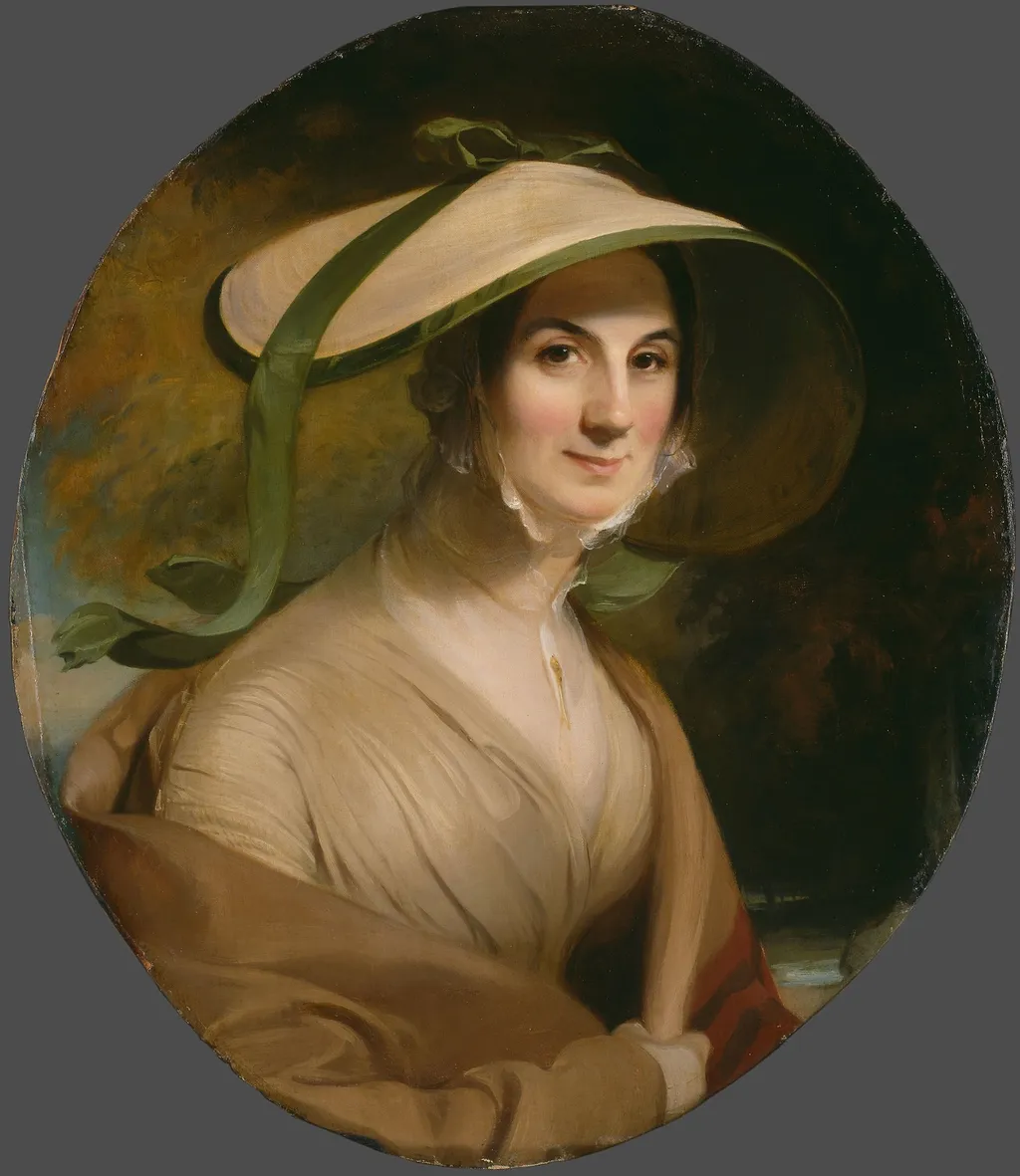
Mrs. George Lingen is an oil painting by the American Impressionist artist Thomas Sully. It dates from 1842 and is held in the collection of the Art Institute of Chicago.
About this work
Her dark hair is pulled back, and she's looking straight at the viewer with a neutral expression.
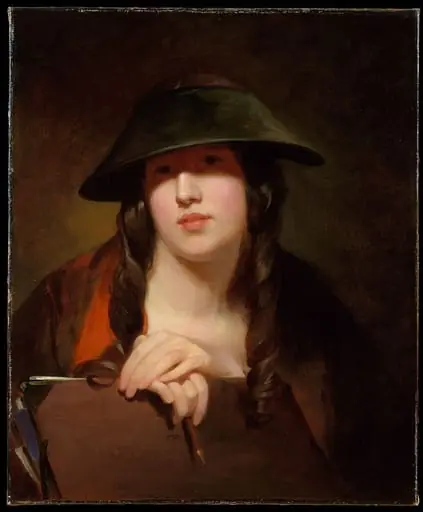
This painting is a portrait of a woman, likely from the 19th century. She's wearing a wide-brimmed hat with a green ribbon and a white dress with a high neckline. Her dark hair is pulled back, and she's looking straight at the viewer with a neutral expression.
The background of the painting is dark and shadowy, which makes the woman stand out. The artist has used a lot of brown and beige tones to create a warm and intimate atmosphere.
The artist who created this portrait is Thomas Sully.
Overview
Painted in 1842 by Thomas Sully, this oil portrait depicts Mrs. George Lingen, a woman of likely middle- or upper-class standing in mid-19th century America. The work resides in the collection of the Art Institute of Chicago. Its subdued palette and intimate scale reflect Sully’s approach to portraiture, emphasizing presence over ornamentation.
Subject & Meaning
The sitter, Mrs. Lingen, faces the viewer with a composed, unsmiling gaze, suggesting quiet dignity rather than performative charm. Her attire—a high-necked white dress and wide-brimmed hat tied with a green ribbon—signals modest elegance, typical of respectable women of her social circle. The direct eye contact invites a sense of personal connection without overt sentimentality.
Technique & Style
Sully employed soft, layered brushwork to render fabric and skin with subtle tonal shifts, using warm browns and beiges to unify the composition. The dark, indistinct background isolates the figure, enhancing focus on her form and expression. Light falls gently across her face and shoulders, modeling volume without dramatic contrast.
History & Provenance
Commissioned by the Lingen family, the painting remained in private hands until its acquisition by the Art Institute of Chicago. Its documented history is limited to its creation date and early ownership, with no evidence of public exhibition prior to its institutional acquisition in the 20th century.
Context
In the 1840s, American portraiture often balanced individual identity with social expectation. Sully, trained in Europe and active in Philadelphia, was known for capturing quiet realism in his sitters. This work aligns with a broader trend of domestic, introspective portraiture that valued restraint over theatricality.
Legacy
Though not among Sully’s most widely recognized works, the portrait exemplifies his skill in conveying character through understated means. It contributes to the understanding of how middle-class women were visually represented in antebellum America—not as symbols, but as individuals with quiet authority.
Artist & collection

Artist
Thomas Sully was an English-American portrait painter. He was born in England, became a naturalized American citizen in 1809, and lived most of his life in Philadelphia, Pennsylvania, including in the Thomas Sully…


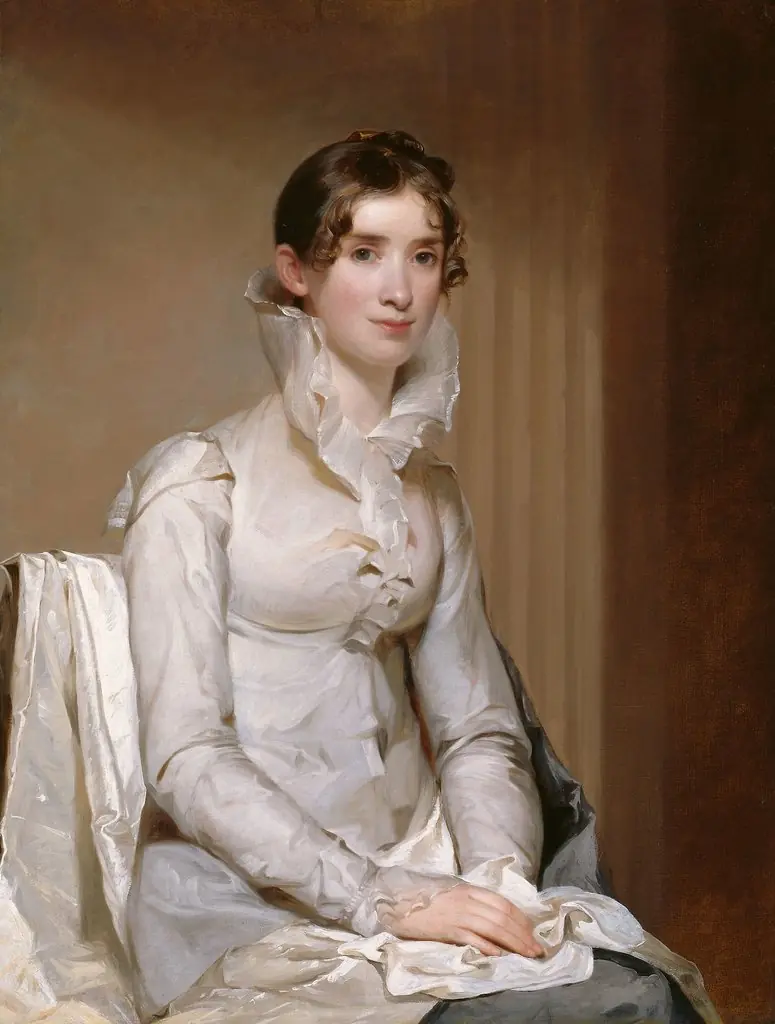 Mrs. Klapp (Anna Milnor)
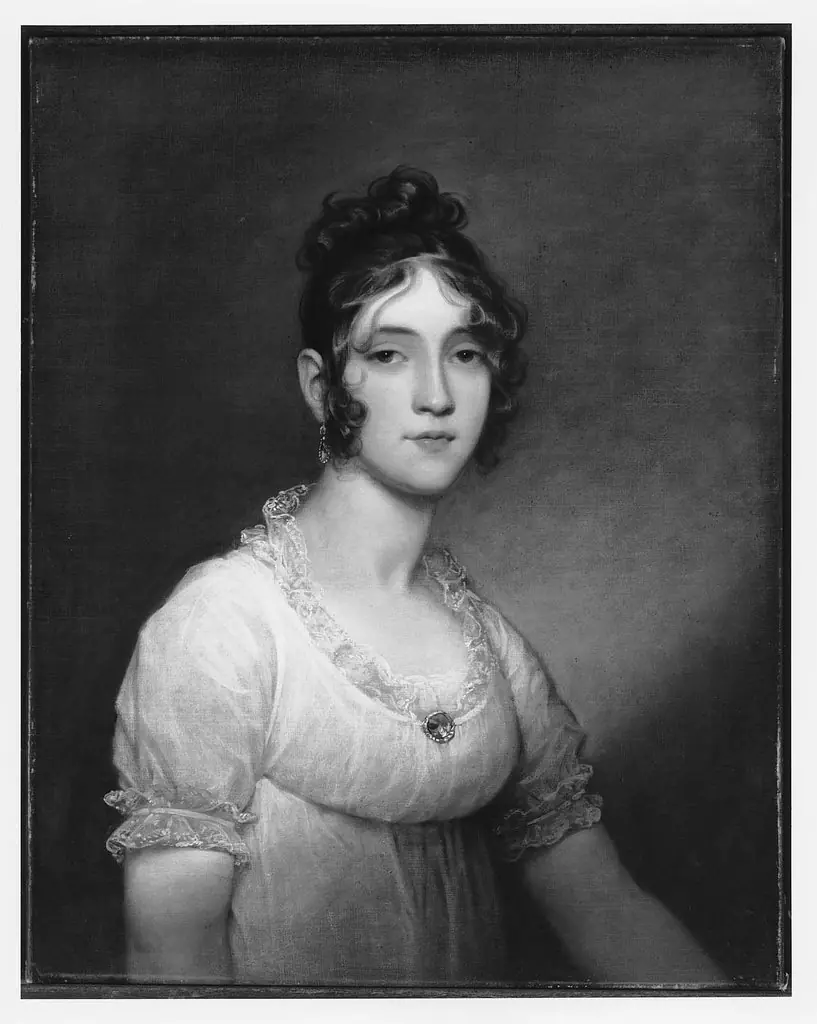 Mrs. Stephen Minot (Sally Minot)
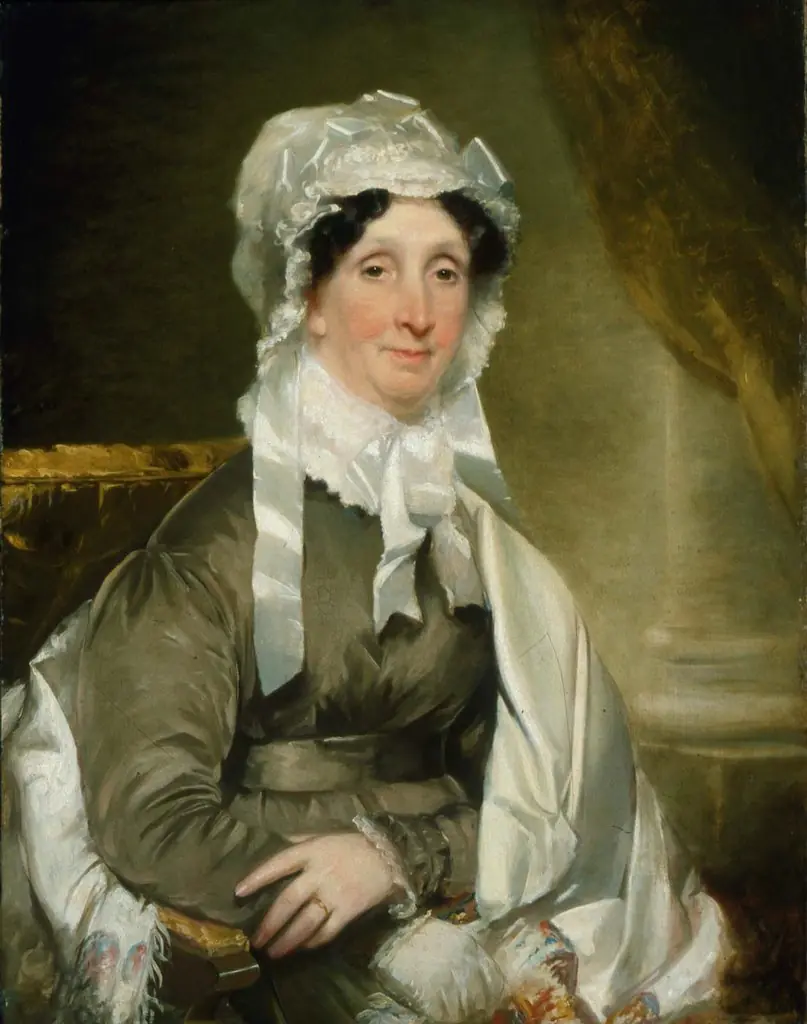 Mrs. Edward Hutchinson Robbins (Elizabeth Murray)
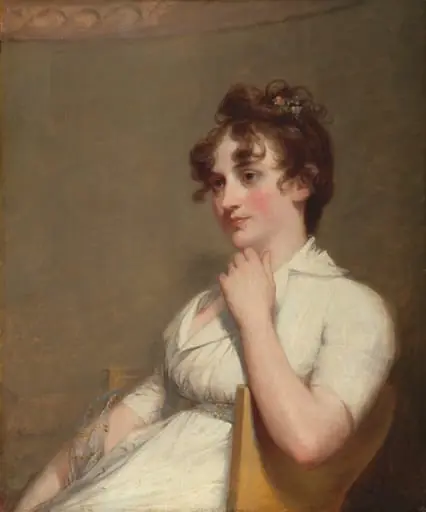 Eleanor Parke Custis Lewis (Mrs. Lawrence Lewis)
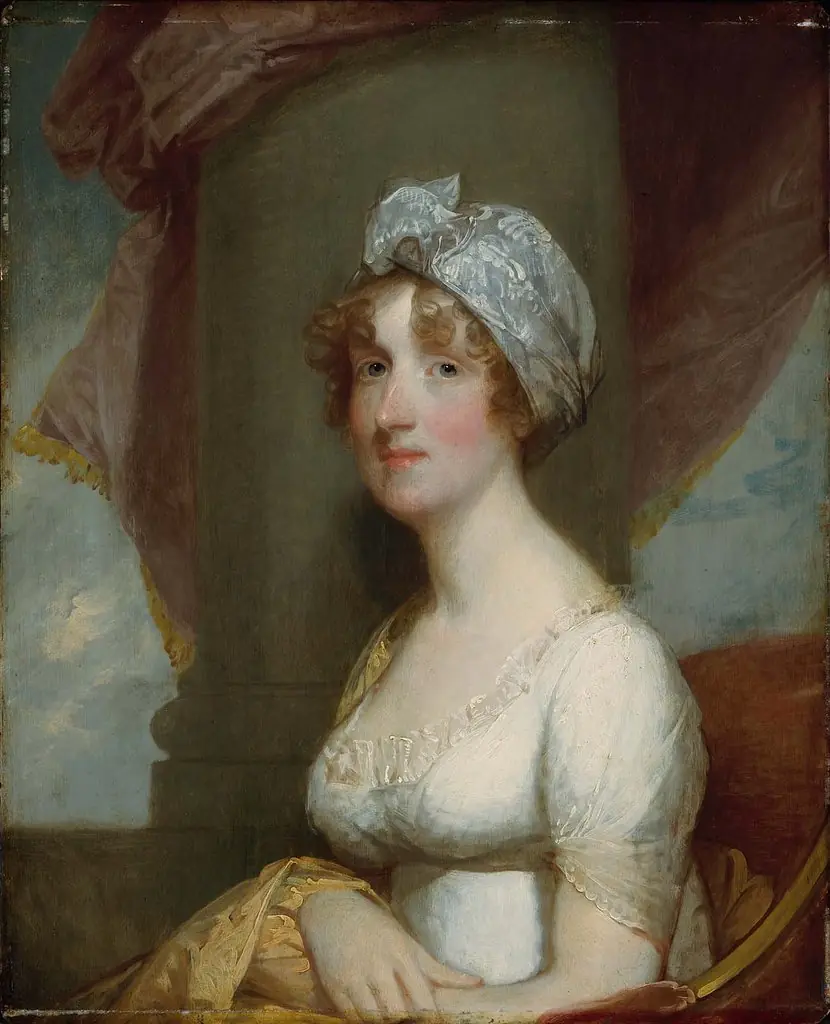 Mrs. Thomas Bartlett (Hannah Gray Wilson)
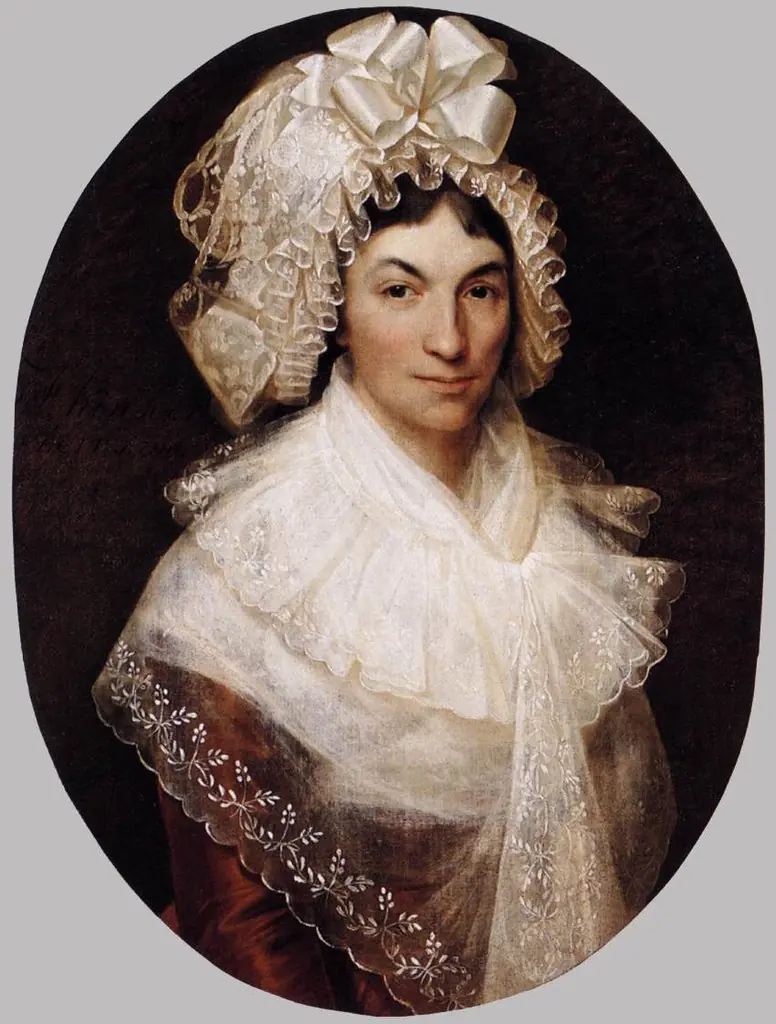 Portret van Jeanne Bauwens-van Peteghem
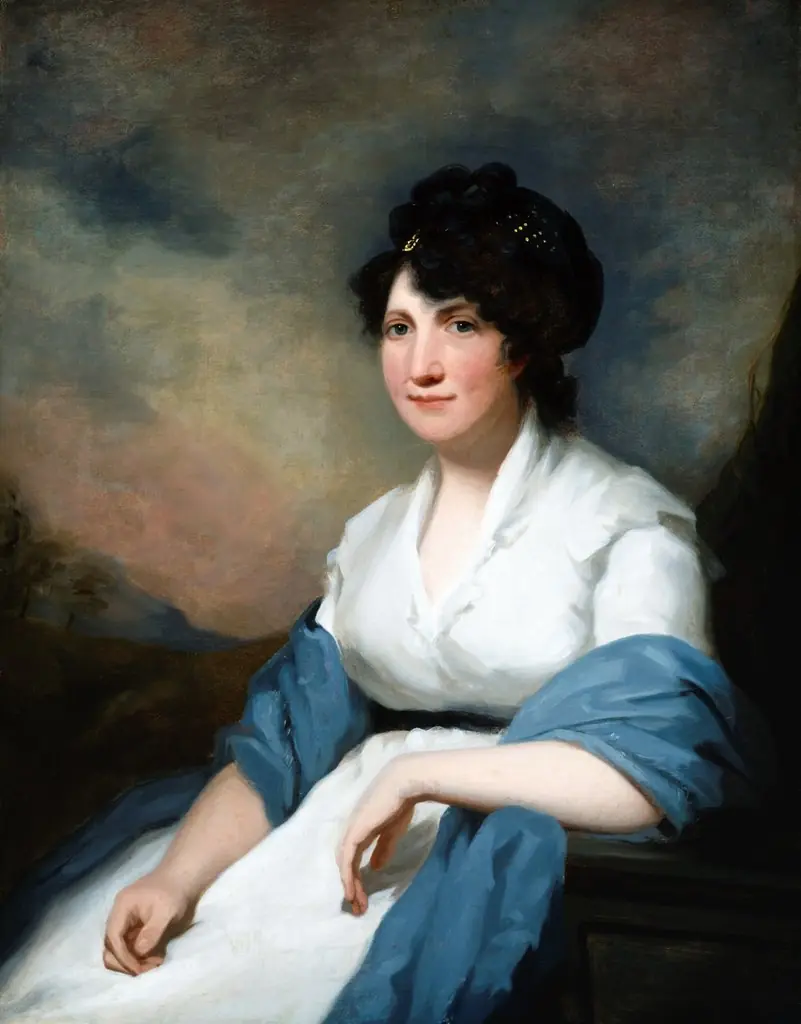 Lady Delves Broughton
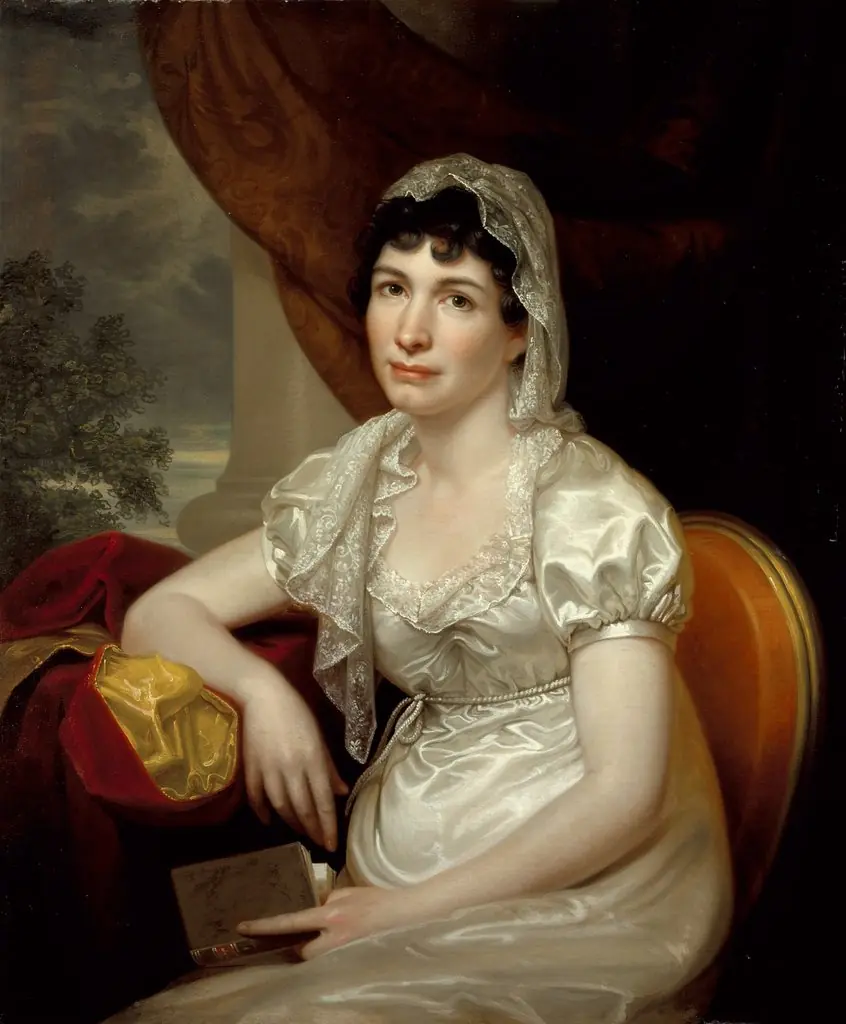 Portrait of Jane Griffith Koch
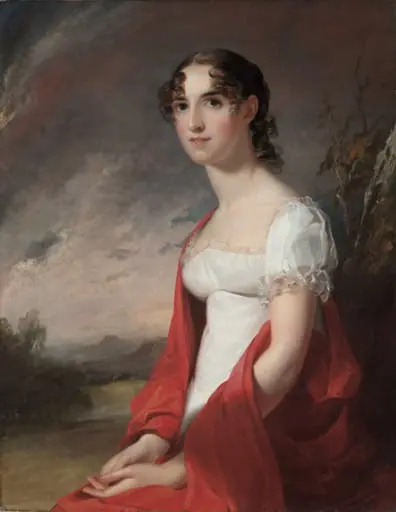 Portrait of Mary Sicard David
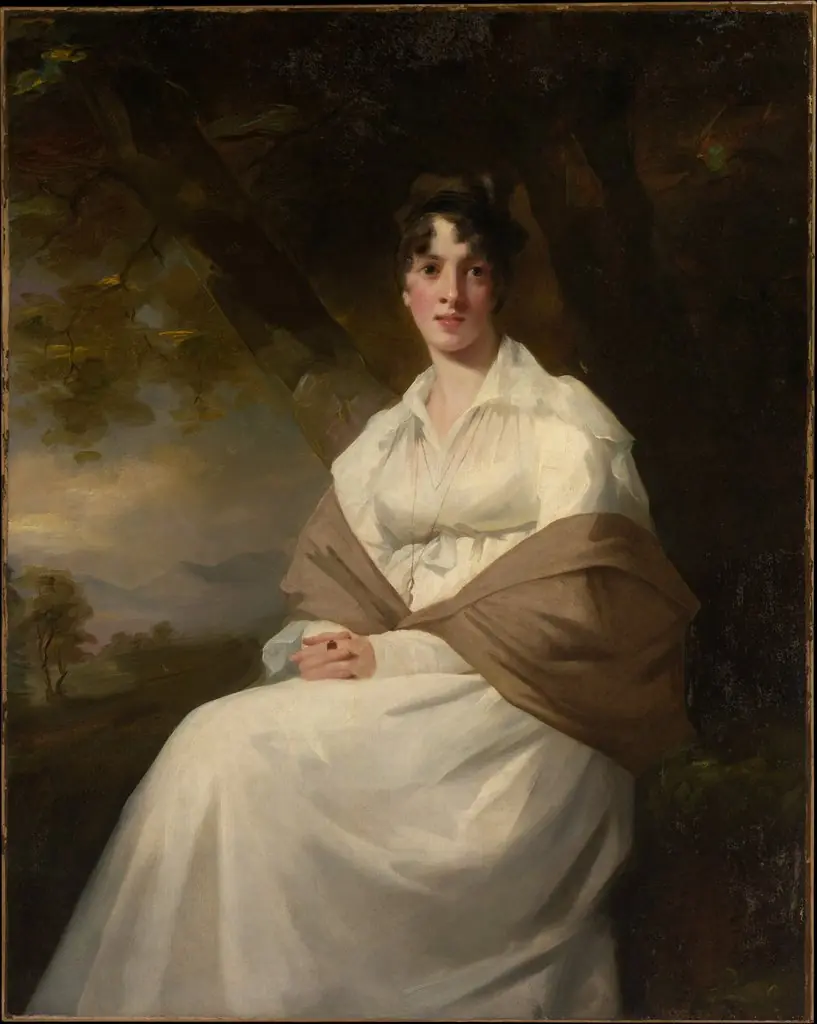 Lady Maitland (Catherine Connor, died 1865)
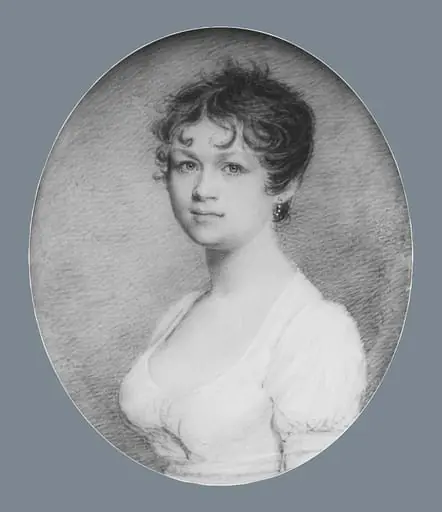 Mrs. Fox
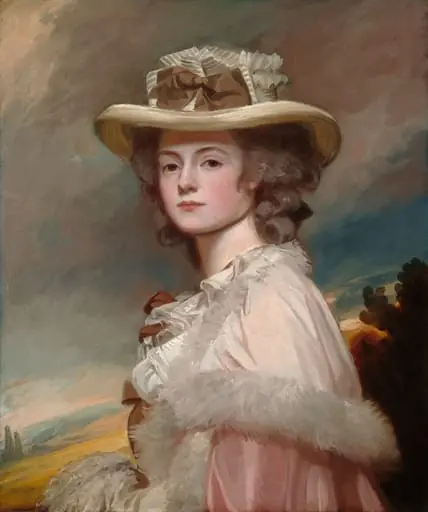 Mrs. Davies Davenport