Artwork
Altes Gebäude
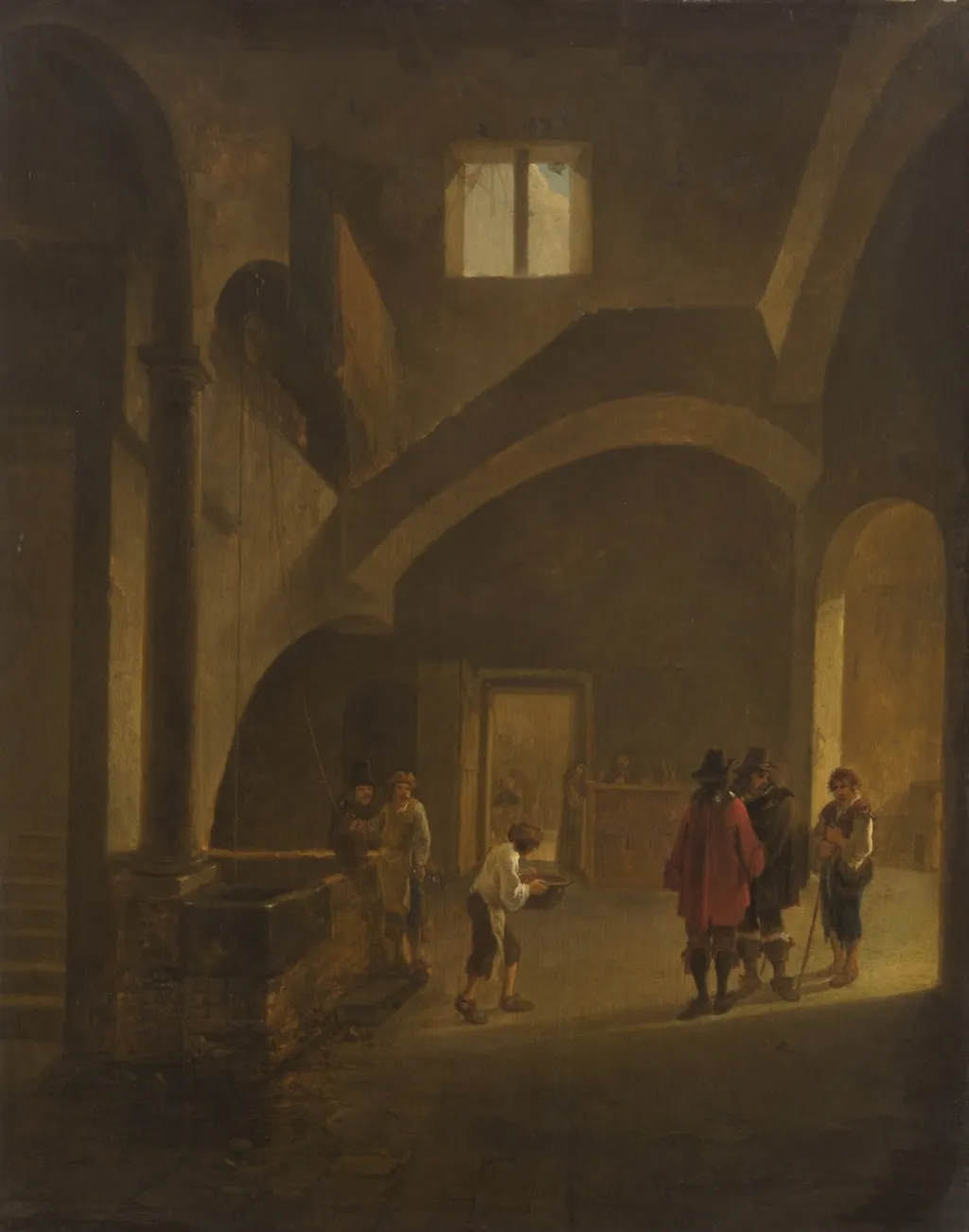
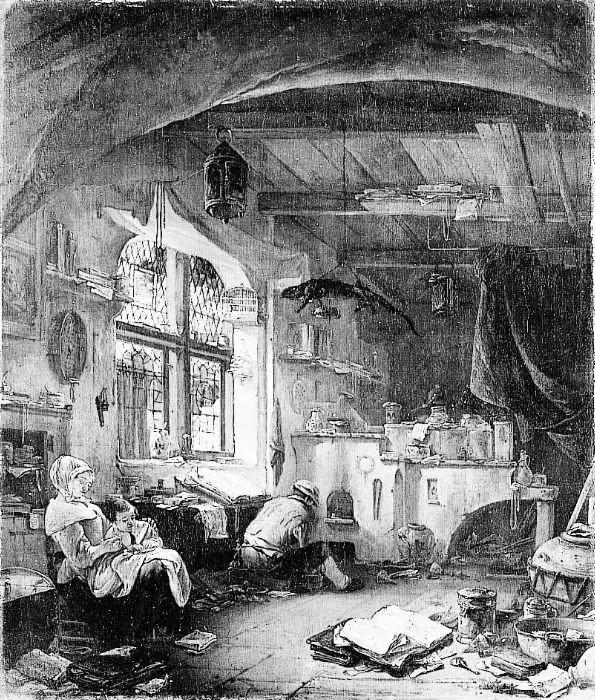
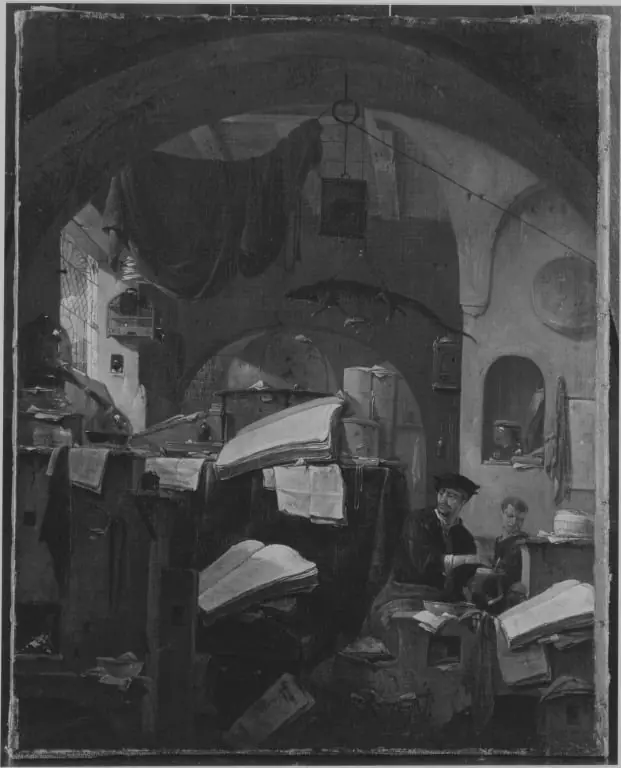
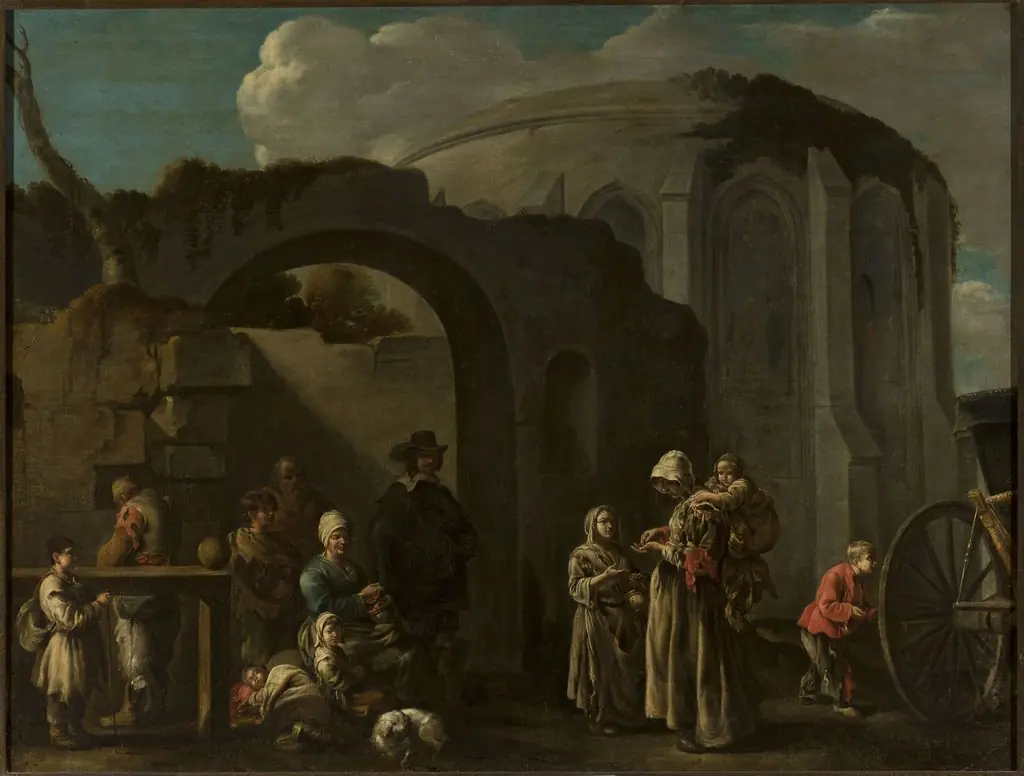
Altes Gebäude is an unspecified painting by Thomas Wijck. It dates from 1656 and is held in the collection of the Kunsthistorisches Museum.
About this work
Overview
The painting is part of the Kunsthistorisches Museum’s collection and exemplifies Dutch genre painting of the mid-seventeenth century.
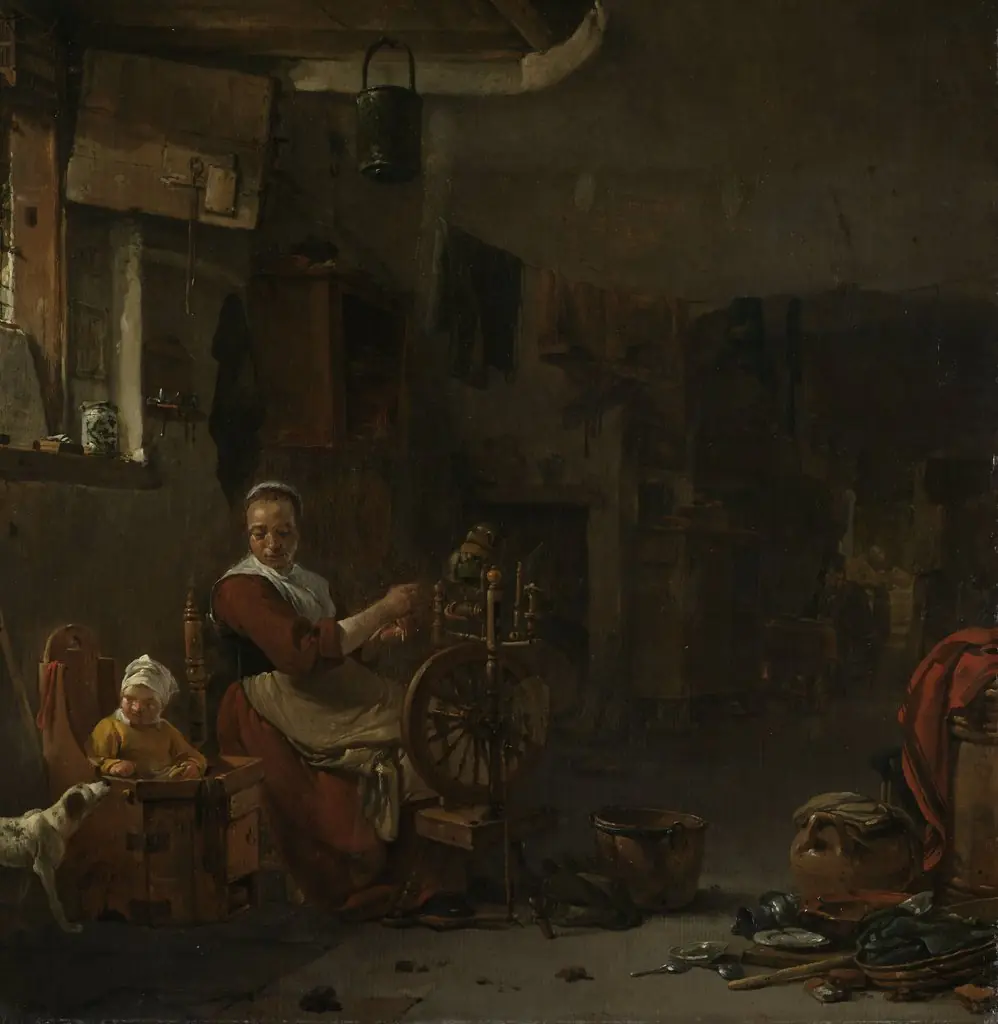
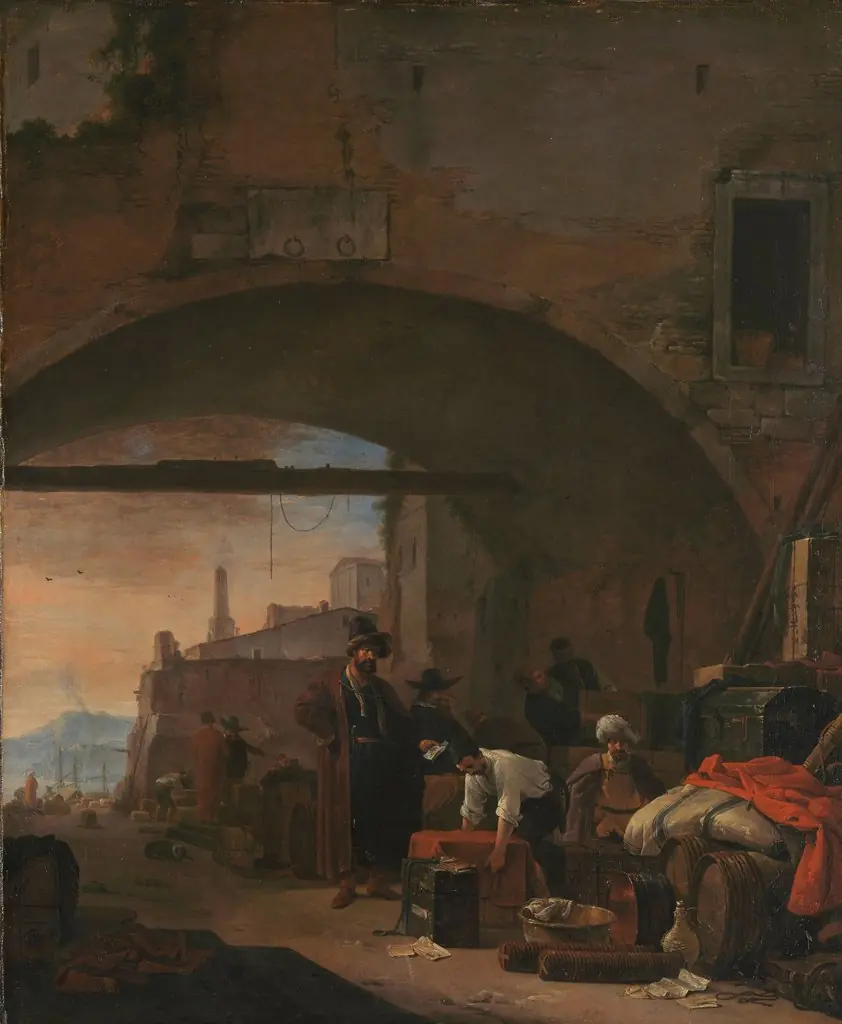
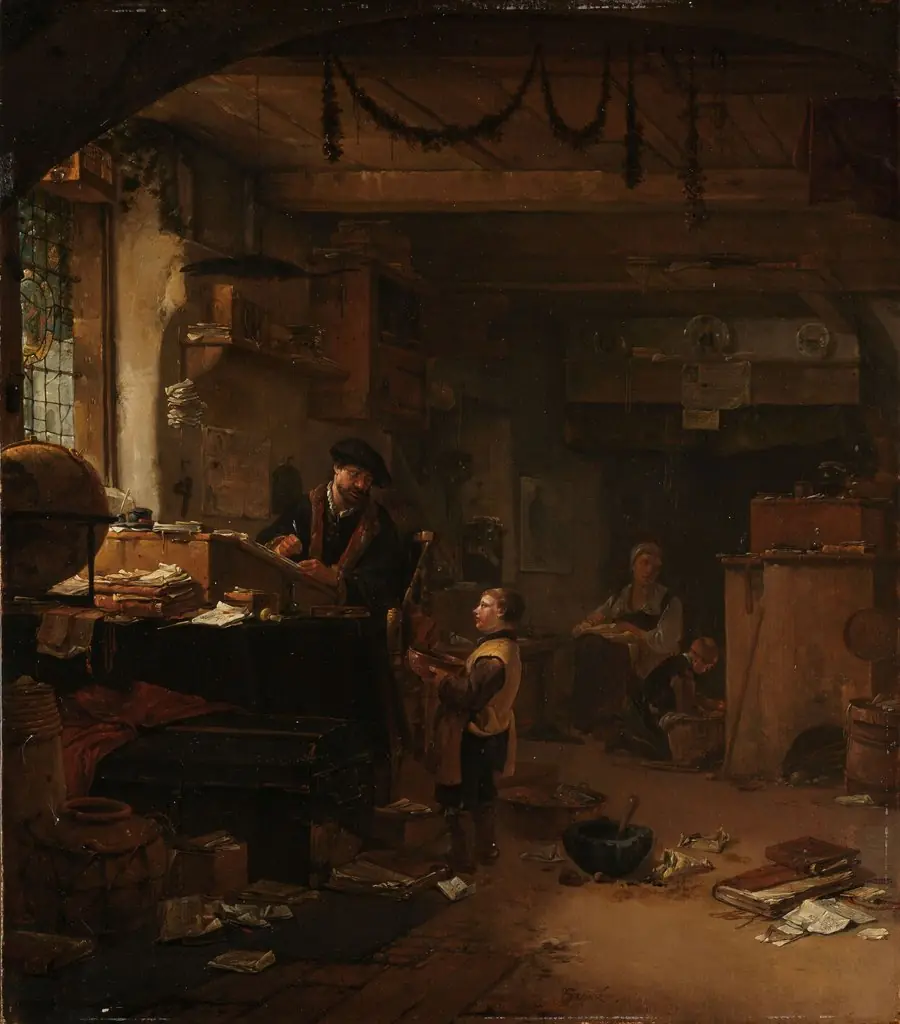
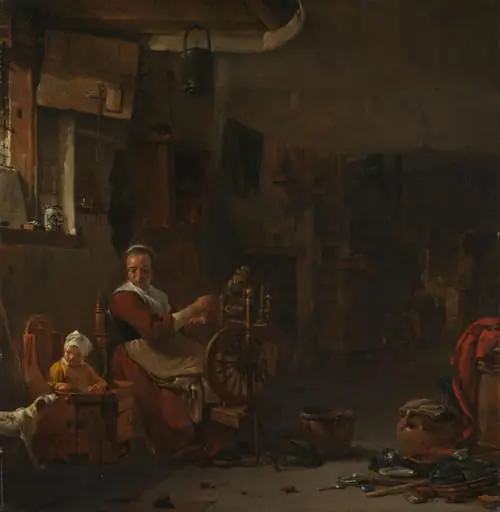
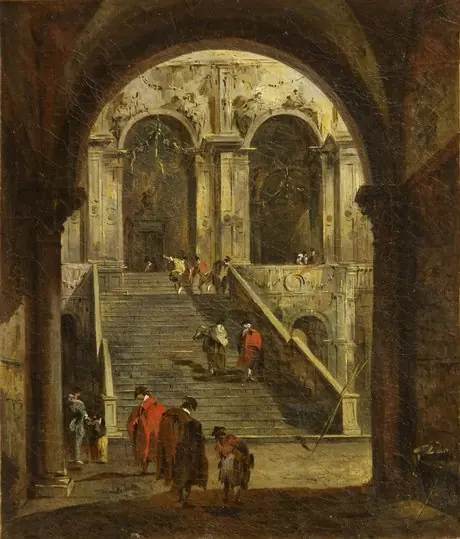
Painted around 1656 by Thomas Wijck, this work depicts an interior space with architectural grandeur and subdued lighting. The painting is part of the Kunsthistorisches Museum’s collection and exemplifies Dutch genre painting of the mid-seventeenth century. Its quiet composition and restrained palette reflect a focus on everyday moments rather than dramatic narrative, characteristic of Wijck’s approach to interior scenes.
Subject & Meaning
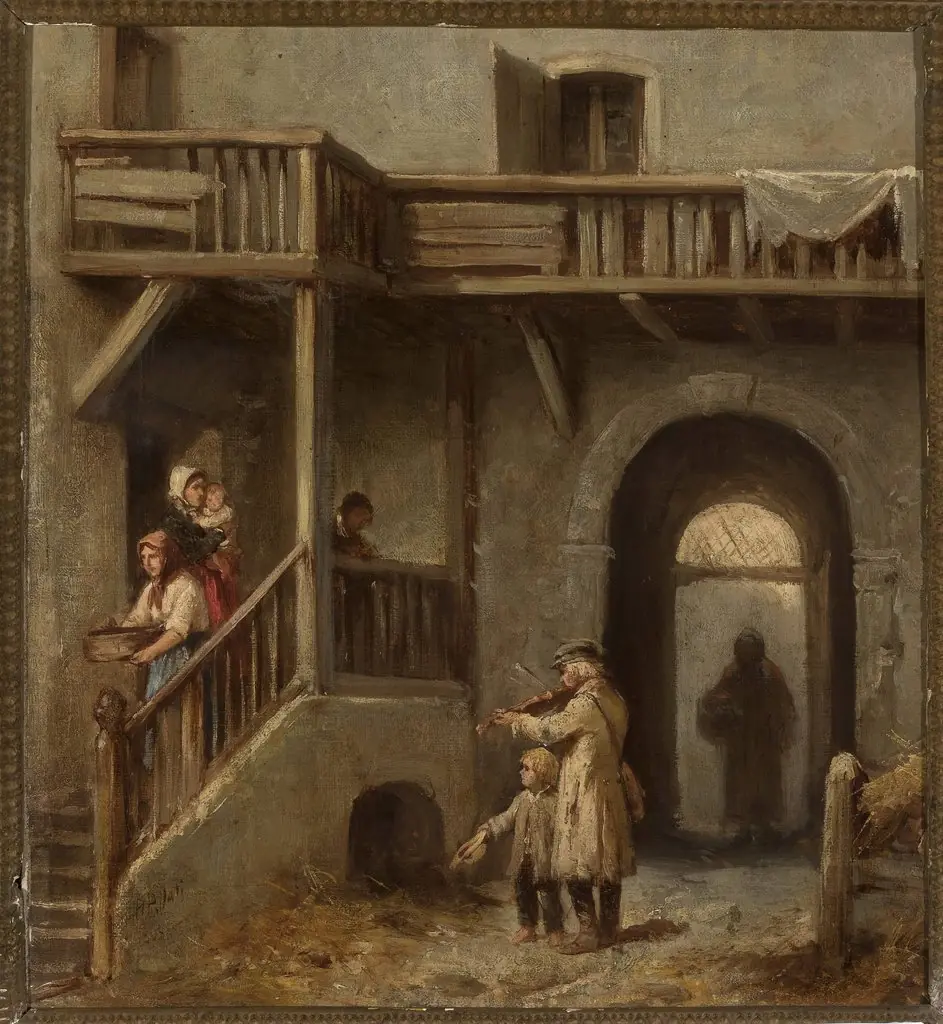
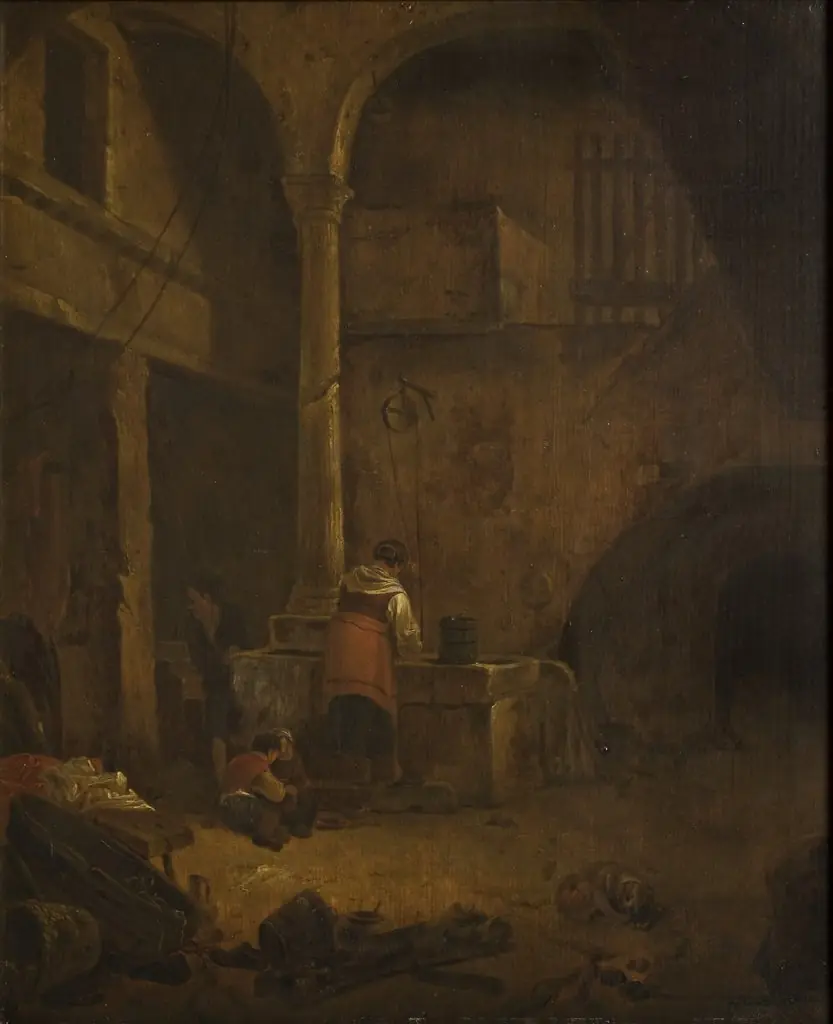
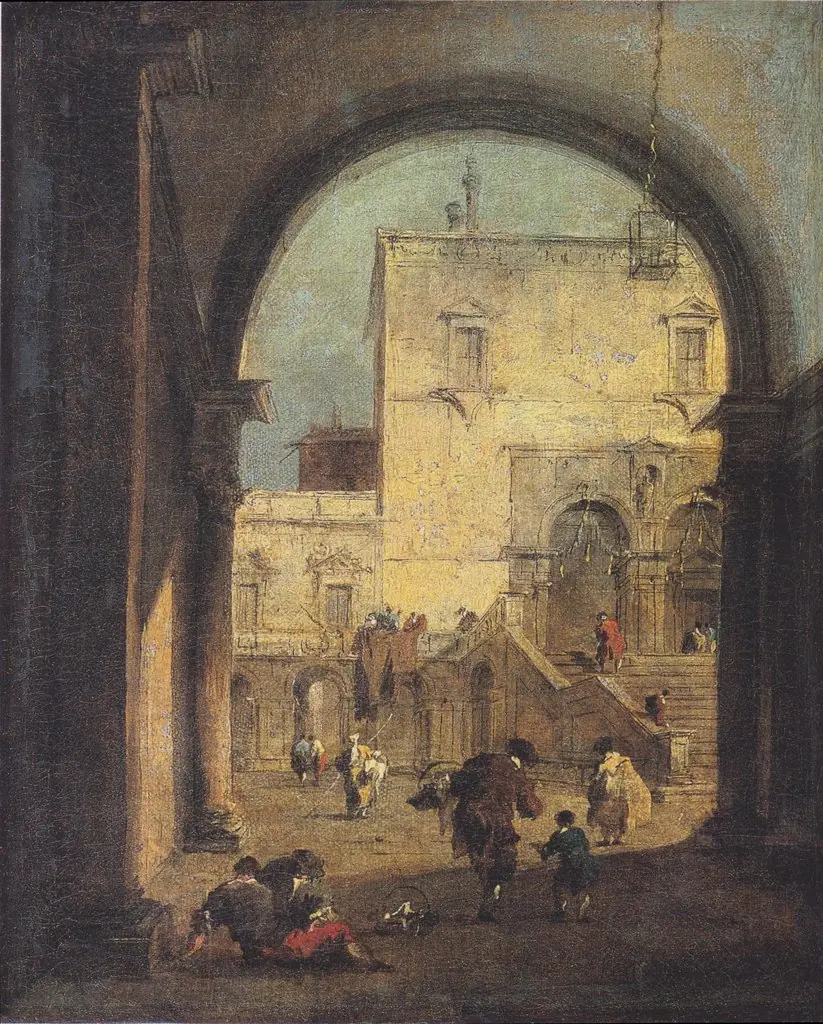
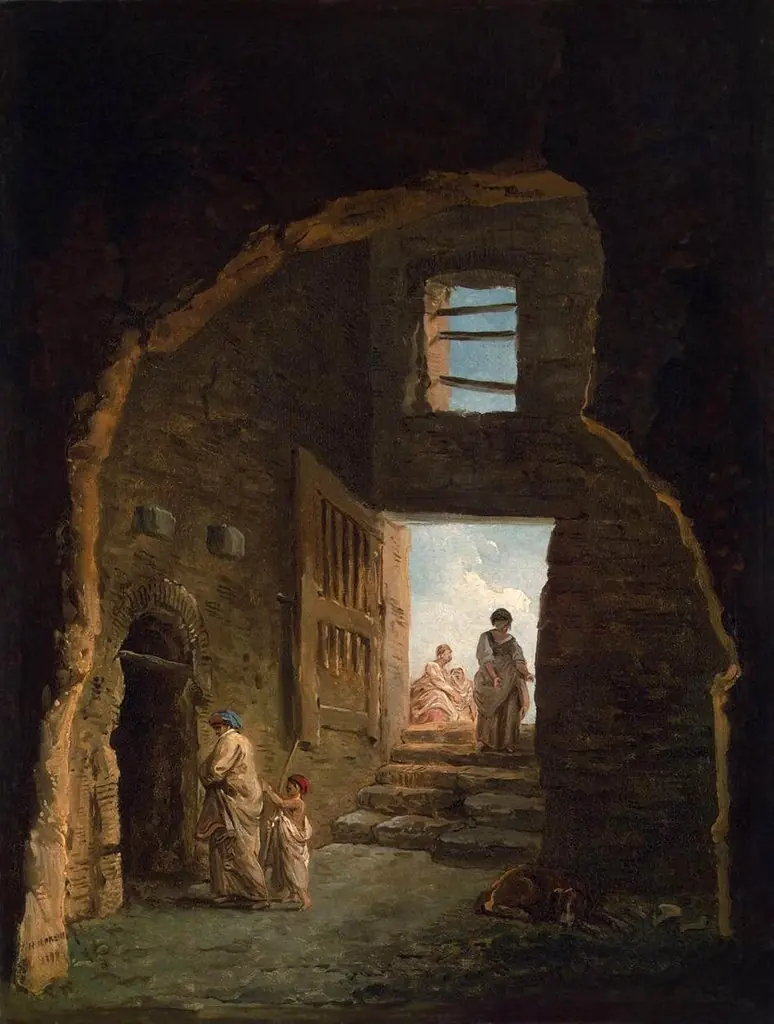
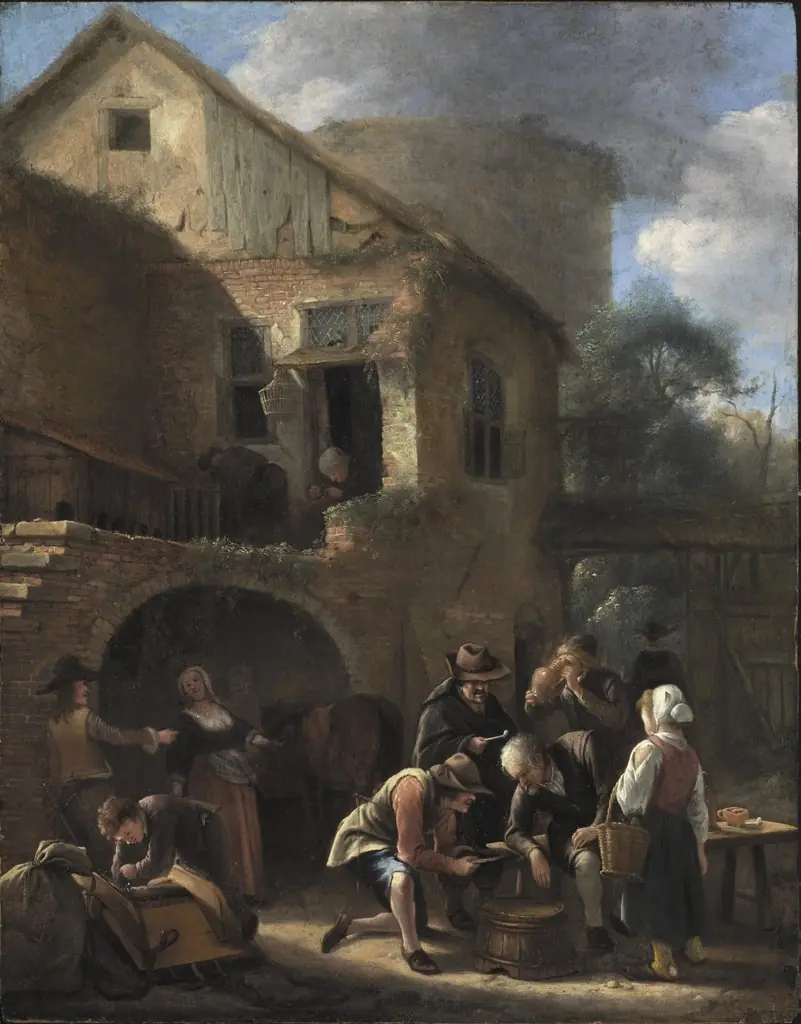
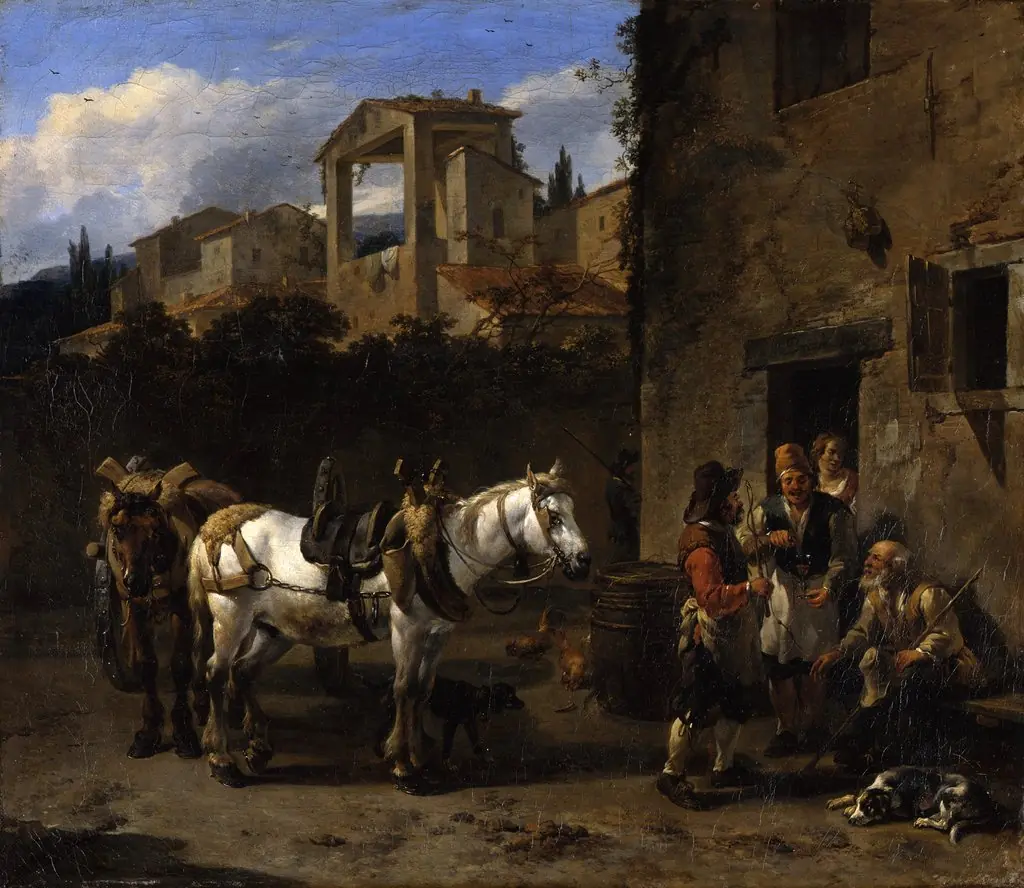
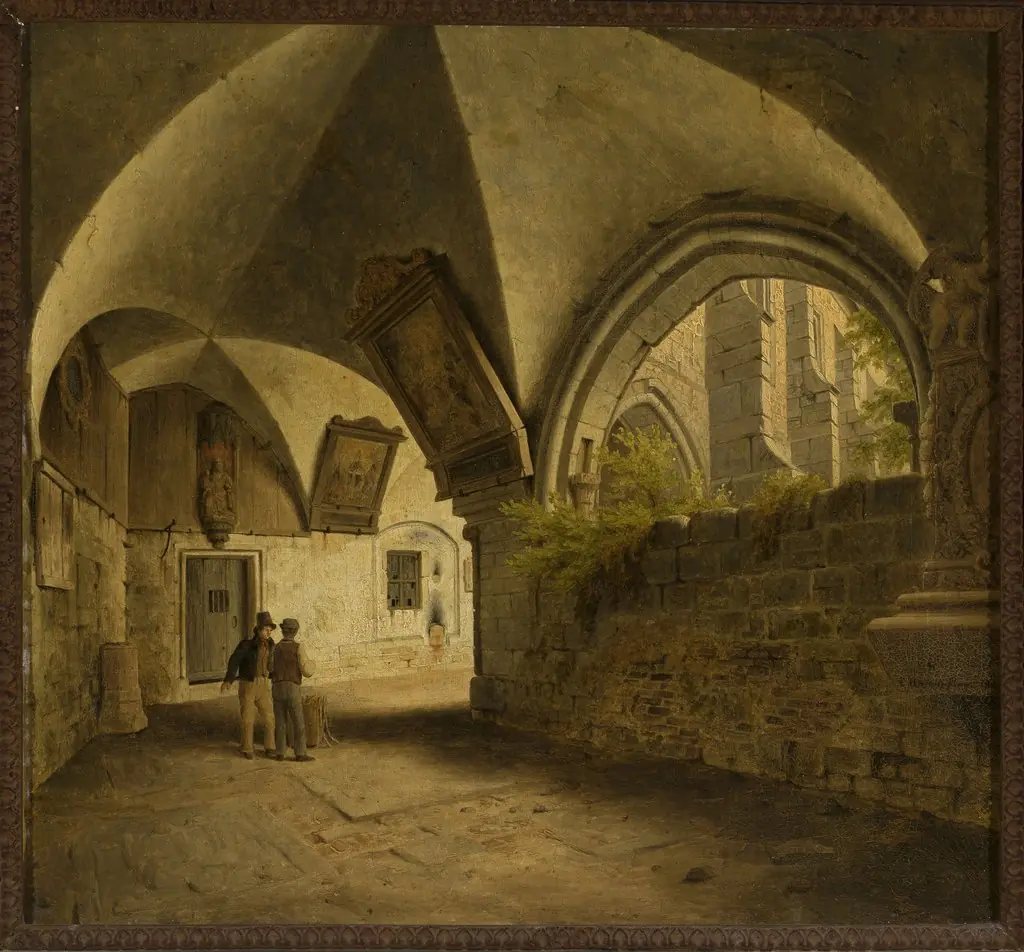
A small group of figures, dressed in period attire, occupy the foreground—some seated, others standing—engaged in silent, unspoken interaction. The setting, a vaulted interior with a staircase leading to a distant window, suggests a private or institutional space. The absence of clear action invites interpretation as a moment of pause, perhaps reflecting themes of solitude, observation, or the passage of time within domestic or civic architecture.
Technique & Style
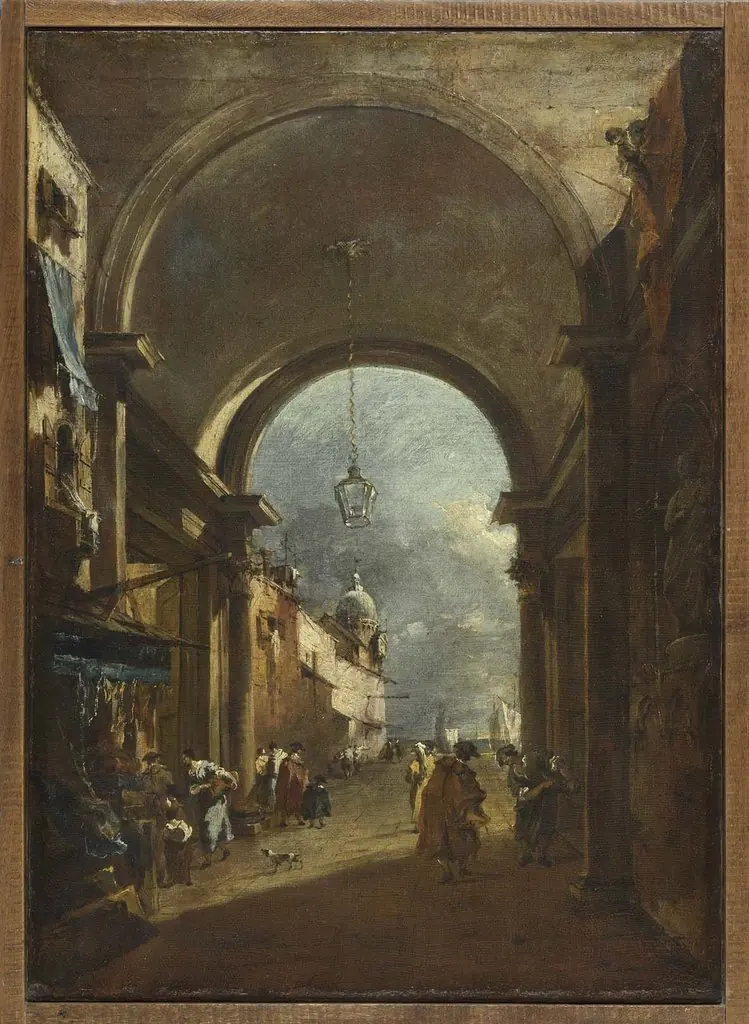
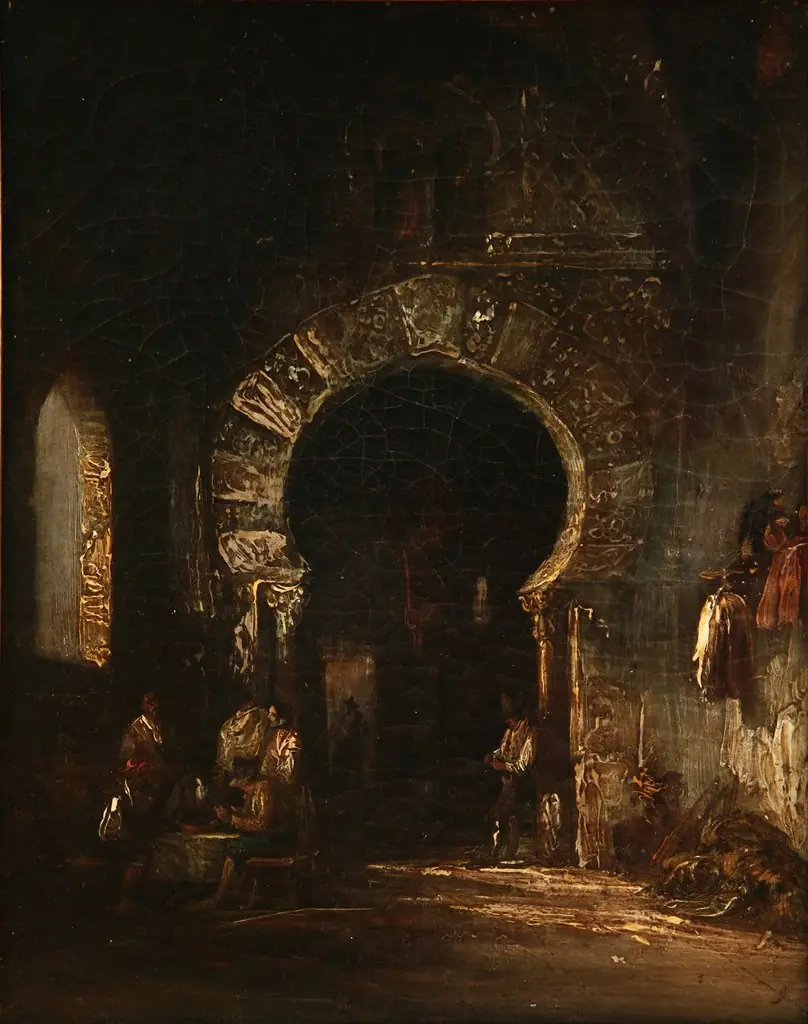
Wijck employs chiaroscuro to model forms and define spatial depth, using strong contrasts between shadow and muted light. The architectural elements—arches, stone surfaces, and staircases—are rendered with careful attention to perspective and texture. Brushwork is precise yet unobtrusive, avoiding theatricality. The color palette is restrained, dominated by earth tones and cool grays, reinforcing the painting’s contemplative mood.
History & Provenance
The painting entered the Kunsthistorisches Museum’s collection in the 19th century, likely through imperial Austrian acquisitions of Dutch and Flemish works. Its attribution to Thomas Wijck has been consistently supported by stylistic analysis and archival records. No significant alterations or restorations are documented, preserving its original tonal balance and compositional integrity.
Context
Created during the Dutch Golden Age, the work aligns with a broader interest in interior scenes that conveyed psychological nuance through ordinary settings. While Wijck is known for Italianate and genre subjects, this piece reflects his engagement with quiet, light-driven compositions akin to those of Pieter de Hooch or Gerrit Dou. It speaks to a cultural fascination with private life and architectural space in the Netherlands.
Legacy
Though not widely reproduced, the painting contributes to scholarly understanding of Wijck’s versatility beyond his more famous Italianate scenes. It remains a quiet example of how Dutch painters used light and architecture to evoke introspection. Its presence in a major European museum underscores its role as a representative work of mid-17th-century genre painting, valued for its restraint and atmospheric precision.
Artist & collection