Artwork
The Prodigal Son Bids Farewell to His Father
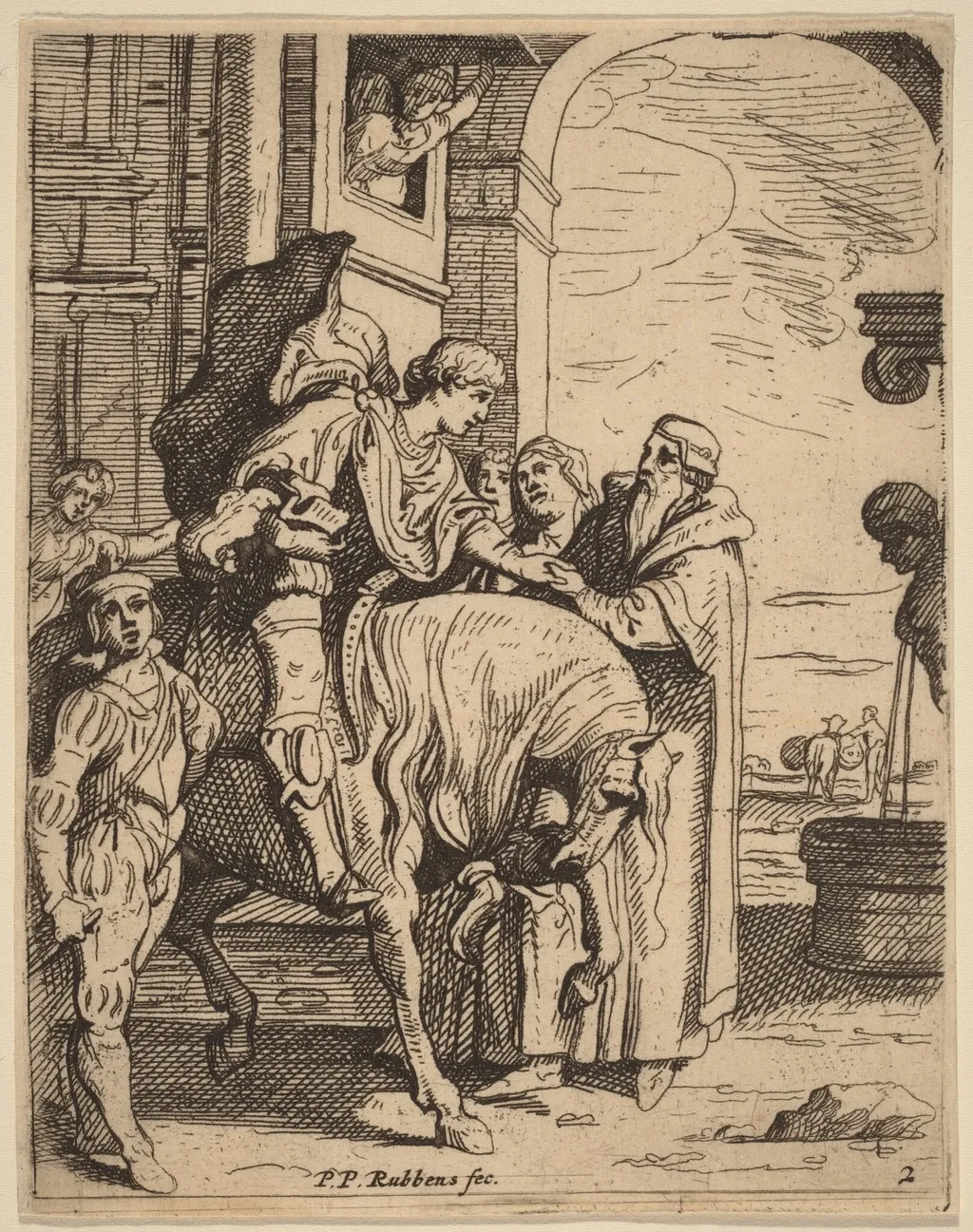
The Prodigal Son Bids Farewell to His Father is an ink print by the Baroque artist Theodoor van Thulden. It dates from 1638 and is held in the collection of the National Gallery of Art.
About this work
Overview
This work captures a pivotal moment from the Gospel of Luke, rendered in fine linear detail characteristic of Northern European print traditions of the period.
Theodoor van Thulden, a Flemish artist active in the early 17th century, produced this etching in 1638 as part of his engagement with biblical narratives. Trained in Antwerp and active in Paris and 's-Hertogenbosch, he was known for his versatility across painting and printmaking. This work captures a pivotal moment from the Gospel of Luke, rendered in fine linear detail characteristic of Northern European print traditions of the period.
Subject & Meaning
The scene illustrates the younger son’s departure from his father, as described in the parable of the Prodigal Son. The son, burdened by a small bundle, turns away with a slumped posture, while the father extends a hand but avoids direct eye contact. Surrounding figures observe in silence—some in prayer, others averted—emphasizing the solemnity of the act. The moment is not one of anger, but of resigned acceptance, underscoring themes of choice and consequence.
Technique & Style
Van Thulden employed sharp, controlled etching lines to define form and emotion. The father’s heavy robe and the son’s worn garments are rendered with contrasting textures, heightening their narrative roles. The background, densely packed with architectural elements and a distant ship, creates a theatrical depth without overwhelming the central figures. The precision of the lines conveys psychological tension through posture and gesture rather than facial expression.
History & Provenance
Created in 1638, the etching likely circulated among collectors and religious patrons in the Southern Netherlands. Van Thulden’s reputation as a skilled engraver ensured his prints were reproduced and collected, though specific early ownership records for this work are not widely documented. It reflects the broader 17th-century interest in biblical stories as subjects for intimate, portable art.
Context
In the decades following the Council of Trent, Catholic regions favored visual narratives that emphasized moral lessons and emotional piety. Van Thulden’s etching aligns with this trend, translating scripture into a human-scale drama. His training under Peter Paul Rubens and exposure to Italian composition influenced his staging, blending Flemish detail with a sense of theatrical gravity.
Legacy
Though less celebrated than his contemporaries, van Thulden’s prints contributed to the dissemination of biblical imagery in early modern Europe. This etching exemplifies how Northern artists used the medium of print to explore complex emotional and spiritual themes with clarity and restraint. Its survival in institutional collections attests to its enduring role as a quiet, contemplative interpretation of a well-known parable.
Artist & collection
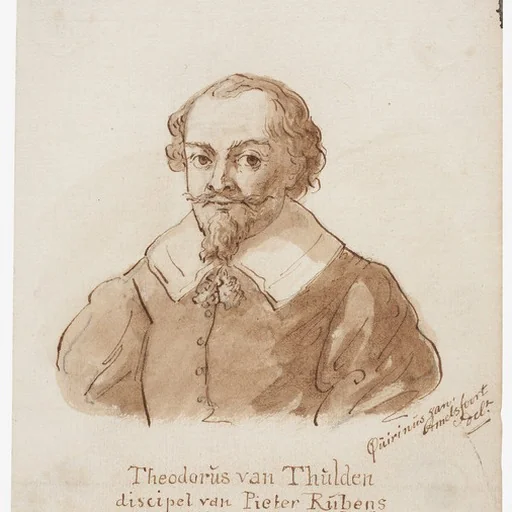
Artist
Theodoor van Thulden (9 August 1606 – 12 July 1669) was a Flemish painter, draughtsman and engraver born in 's-Hertogenbosch in the duchy of Brabant.

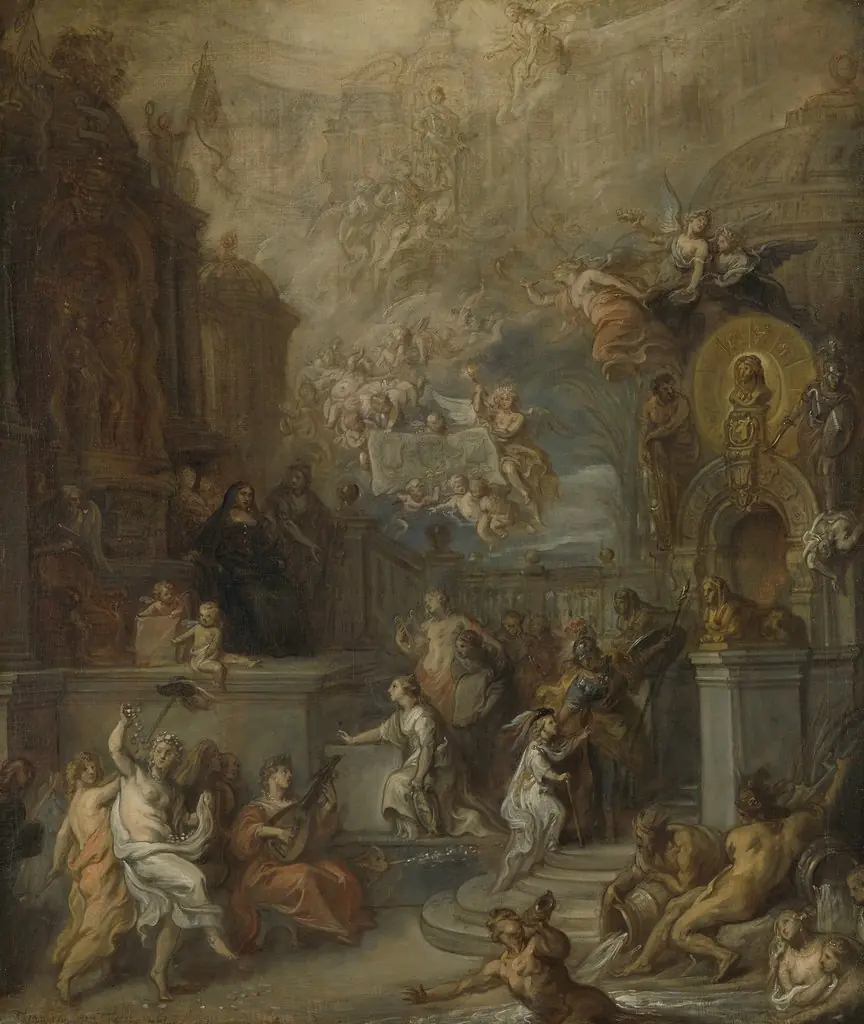 Allegory of William III's leavetaking from Alamia van Solms after the transferral of the regency to the statesgeneral
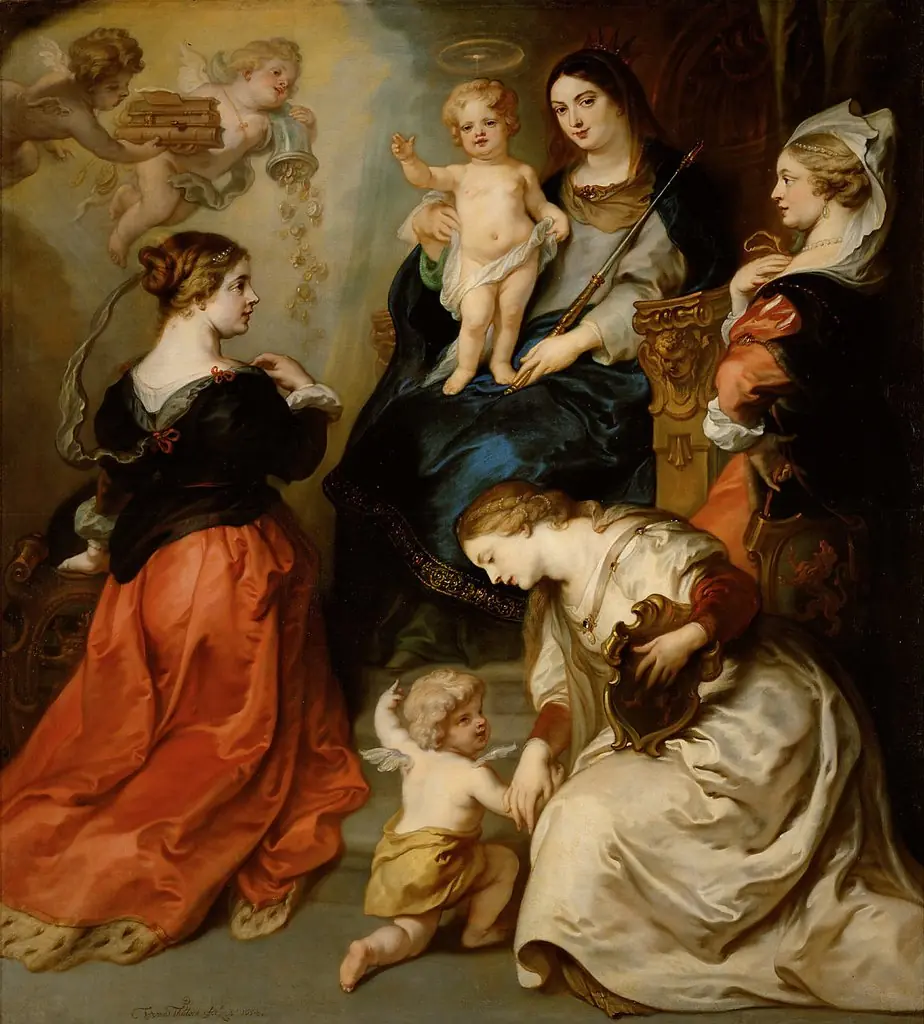 The provinces of Brabant, Hainaut and Flanders pay homage to the Virgin
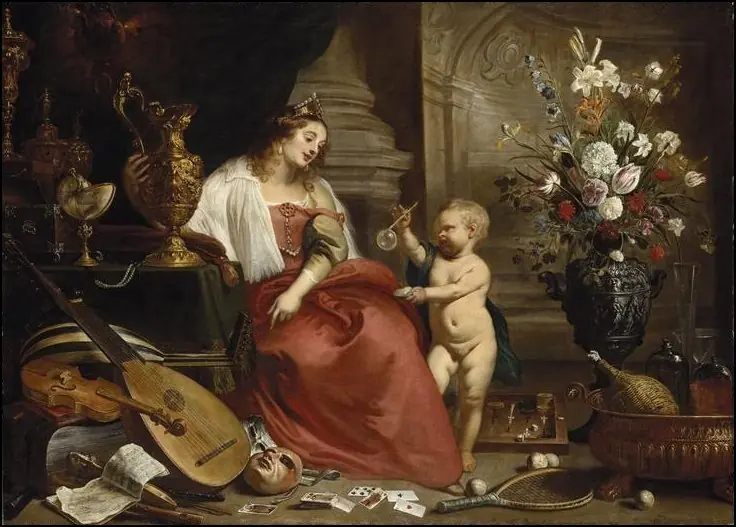 Allegory of Vanity
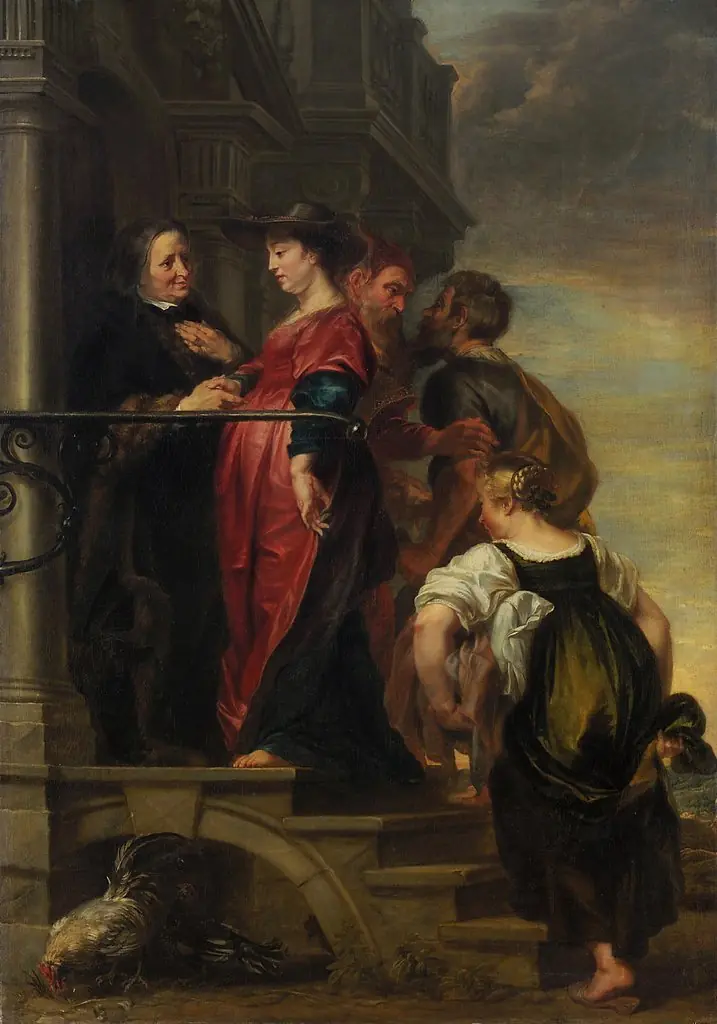 The Visitation
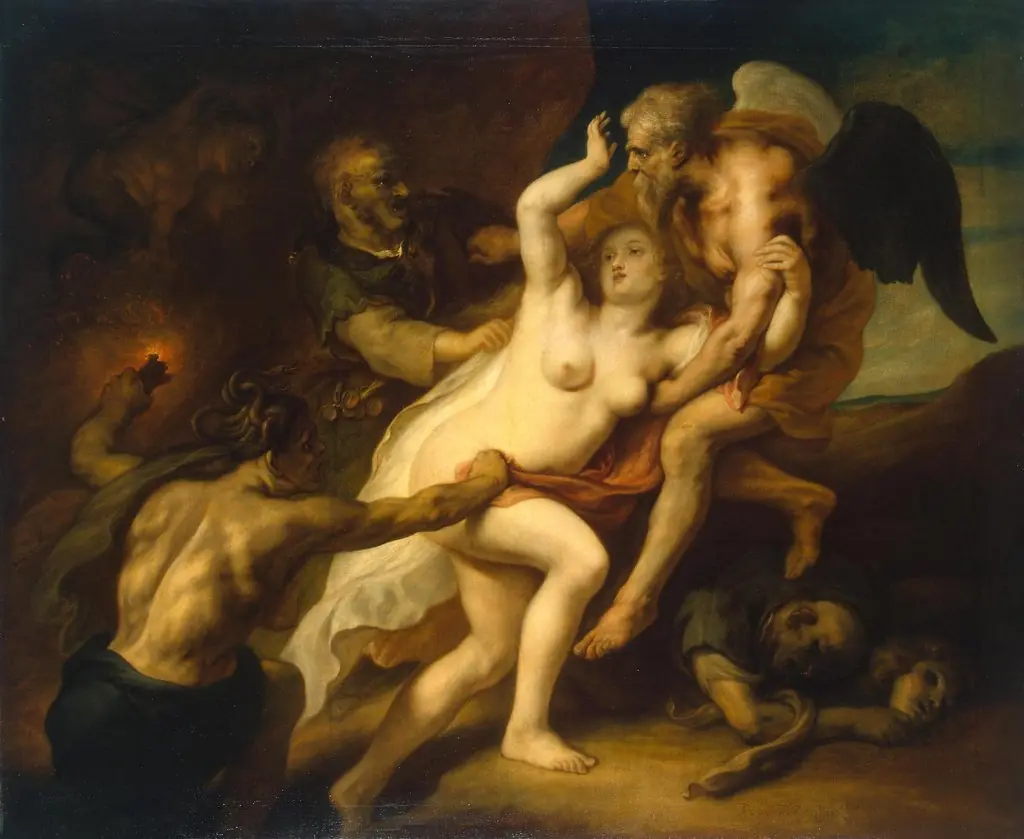 Time Reveals the Truth. The Allegory
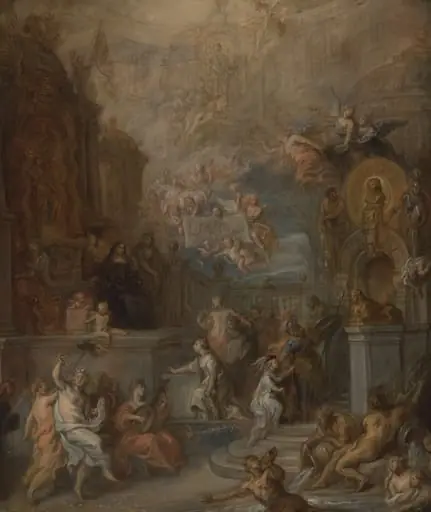 Allegory of the Farewell of William III from Amalia van Solms following the transfer of Regency to the States General
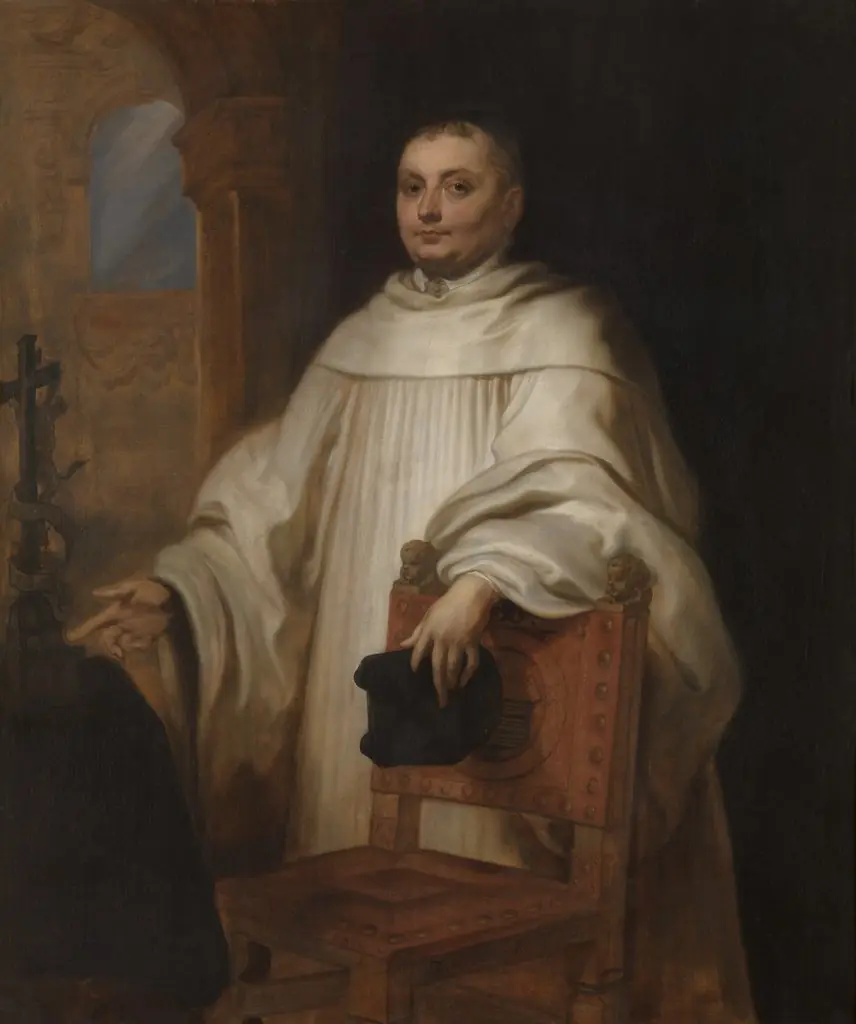 Benedictus van Thulden, prieur de l'abbé de Saint-Bernard
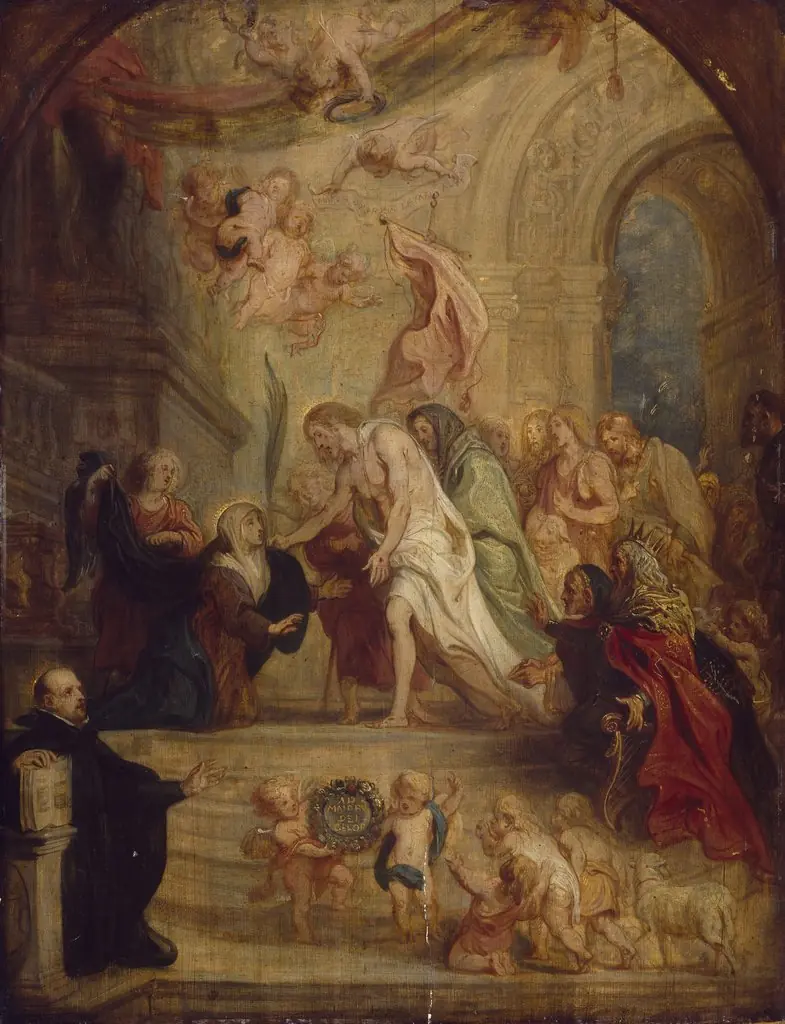 The Resurrected Christ Appearing to his Mother
![The Challenge [right], by Gabriel de Saint-Aubin](https://artifactworldgallery.com/img/gabriel-de-saint-aubin--the-challenge-right--75162e00e6876b27-w320.webp)
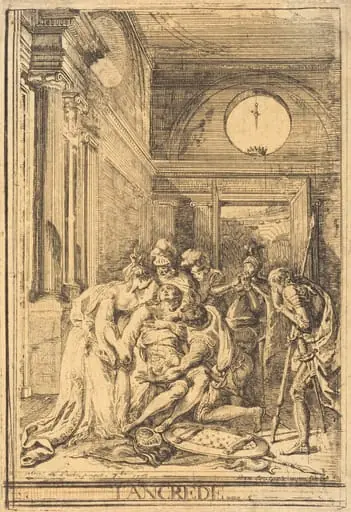
![The Death of Tancred [left], by Gabriel de Saint-Aubin](https://artifactworldgallery.com/img/gabriel-de-saint-aubin--the-death-of-tancred-left--c0a4b5e0d77d5ed0-w320.webp)