Artwork
Kevätaurinko
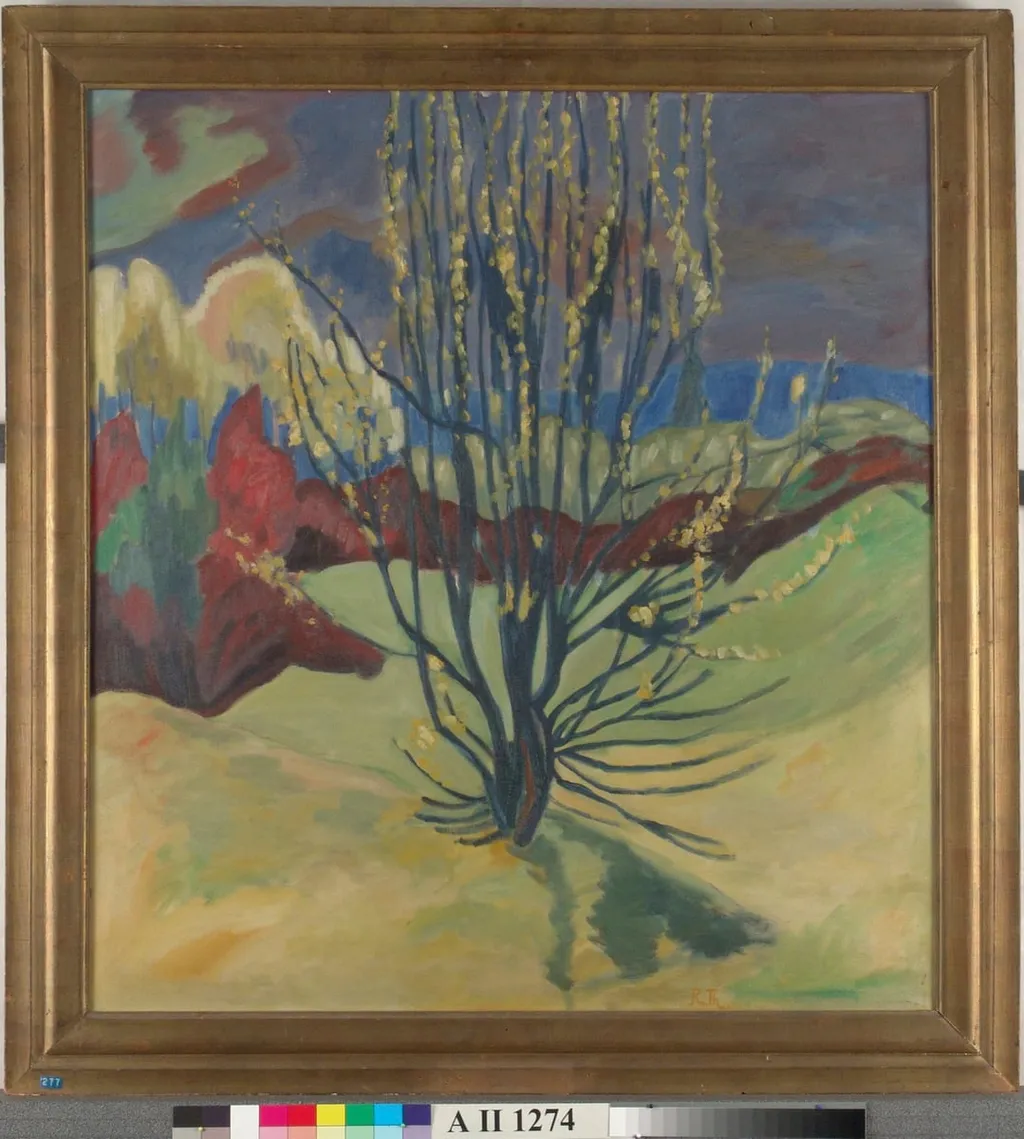
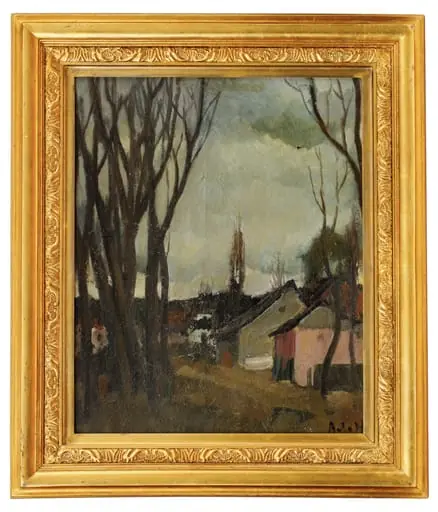
Kevätaurinko is an unspecified painting by Rudolf Thygesen. It is held in the collection of the Finnish National Gallery. This work depicts a solitary tree in early spring, its branches heavy with pale yellow buds.
About this work
Overview
The background merges muted reds, greens, and blues in a hazy hillside, while the sky above shifts between deep violet and pale white.
This work depicts a solitary tree in early spring, its branches heavy with pale yellow buds. The background merges muted reds, greens, and blues in a hazy hillside, while the sky above shifts between deep violet and pale white. The paint is applied with noticeable thickness, creating a tactile surface that emphasizes texture over precision. The composition isolates the tree as the central focus, contrasting its angular form against the softer, blended surroundings.
Subject & Meaning
The lone tree symbolizes renewal, its budding branches suggesting the quiet emergence of spring. Its isolation against the atmospheric landscape evokes solitude and transition. The artist avoids botanical accuracy, instead using the tree as a vessel for emotional resonance. The absence of human figures or clear narrative invites contemplation of nature’s subtle rhythms rather than a literal depiction of place.
Technique & Style
Thick, visible brushstrokes create a textured surface, characteristic of impasto. Color is applied expressively, with hues chosen for emotional impact rather than naturalism. The tree’s branches are rendered with sharp, deliberate strokes, while the background dissolves into blended washes. This contrast between structure and fluidity enhances the painting’s emotional tone, prioritizing atmosphere over detail.
History & Provenance
The painting’s origin and early ownership remain undocumented. It was likely created in the early 20th century, during a period when many artists moved away from realism toward expressive color and form. No exhibition history or collector records are publicly available, and its current location is not confirmed in institutional databases.
Context
This work aligns with early modernist tendencies in Northern Europe, where artists increasingly used color and brushwork to convey inner states rather than external reality. Similar approaches appear in the works of Expressionist and Post-Impressionist painters who sought to capture mood through non-naturalistic palettes and textured surfaces, often drawing inspiration from seasonal change and rural landscapes.
Legacy
Though not widely exhibited or reproduced, the painting exemplifies a quiet strand of modernist landscape painting that valued emotional tone over topographical fidelity. Its use of impasto and symbolic color anticipates later developments in abstract expressionism, where texture and hue became primary carriers of meaning. It remains a modest but resonant example of early 20th-century experimentation with paint as feeling.
Artist & collection
Artist
This Finnish painter’s small, sunlit landscapes feel like stepping into a quiet morning.

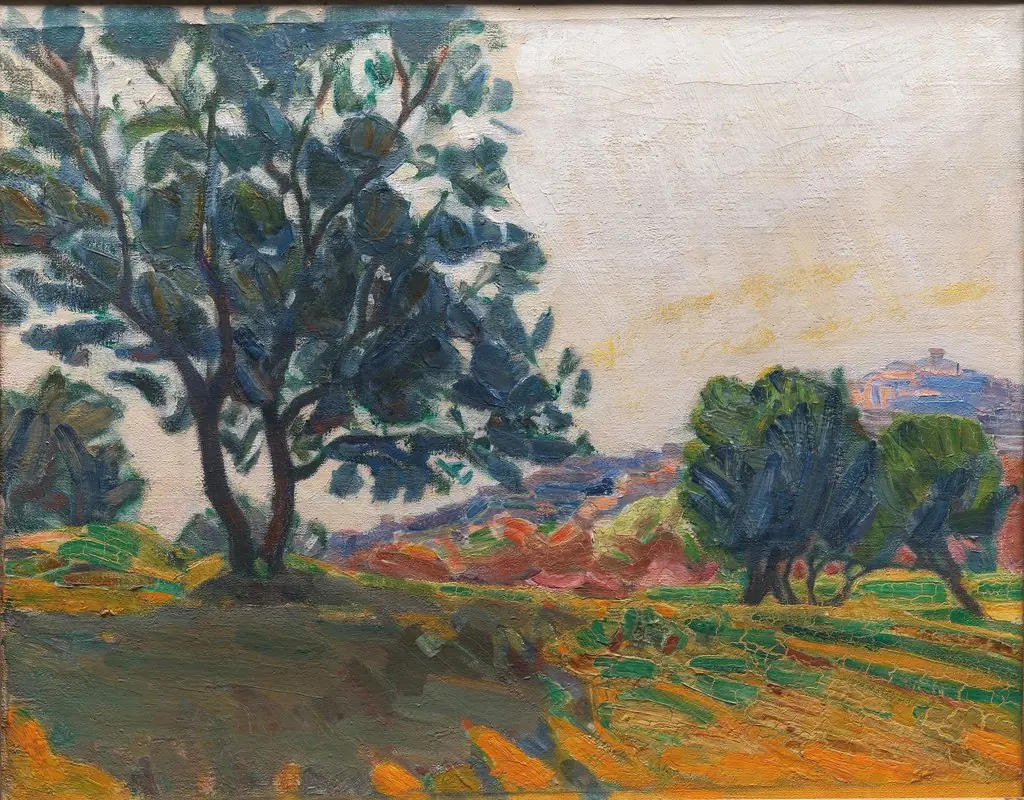 The Olive Grove. With Cagnes in the Background. Against the Light
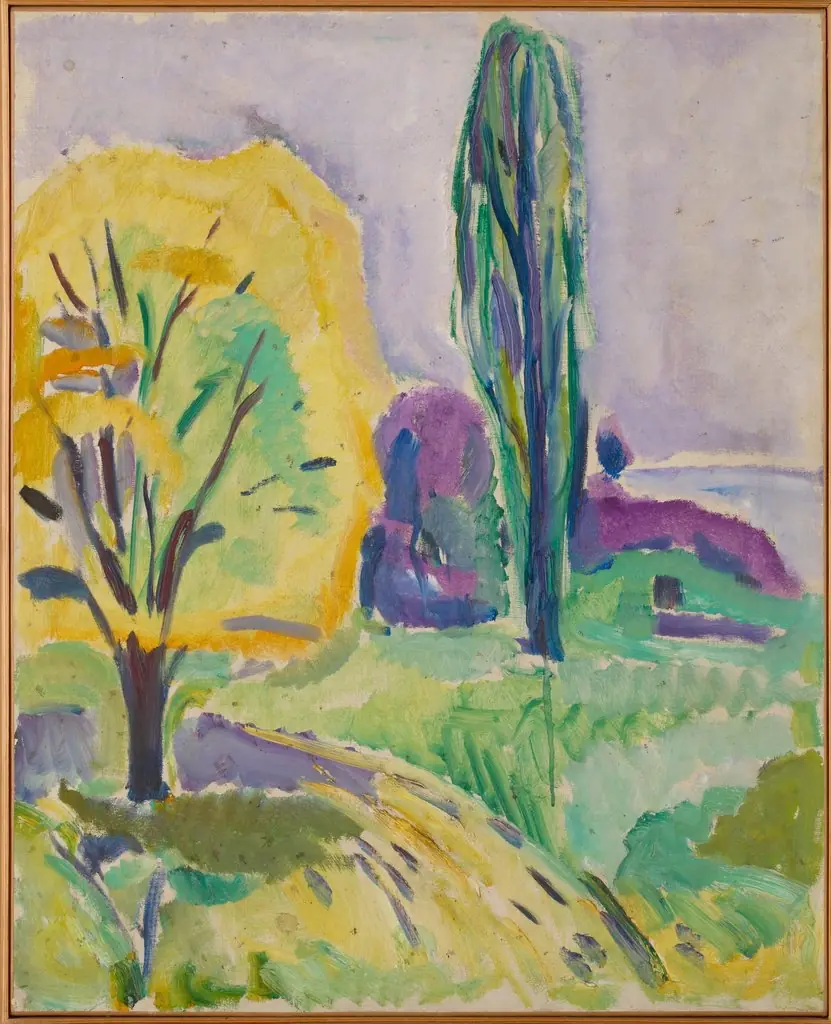 Yellow and Green Tree
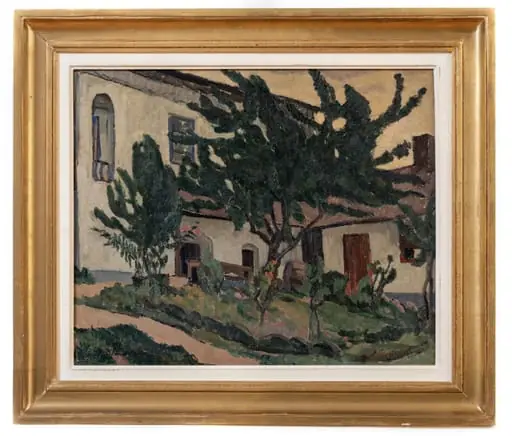 Casă bătrânească la Huși
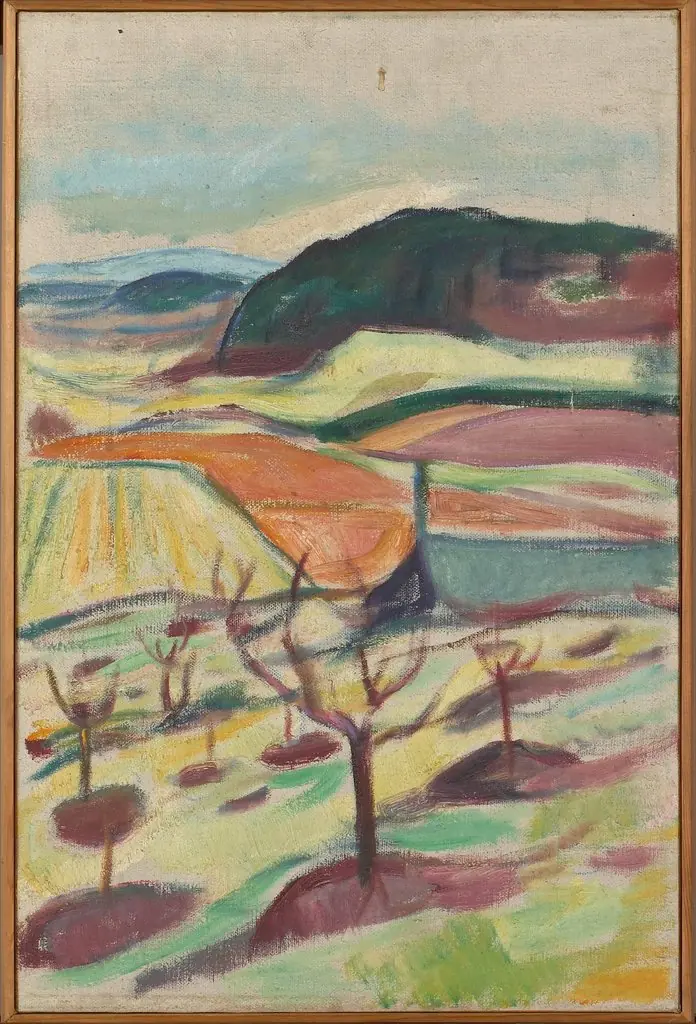 March
March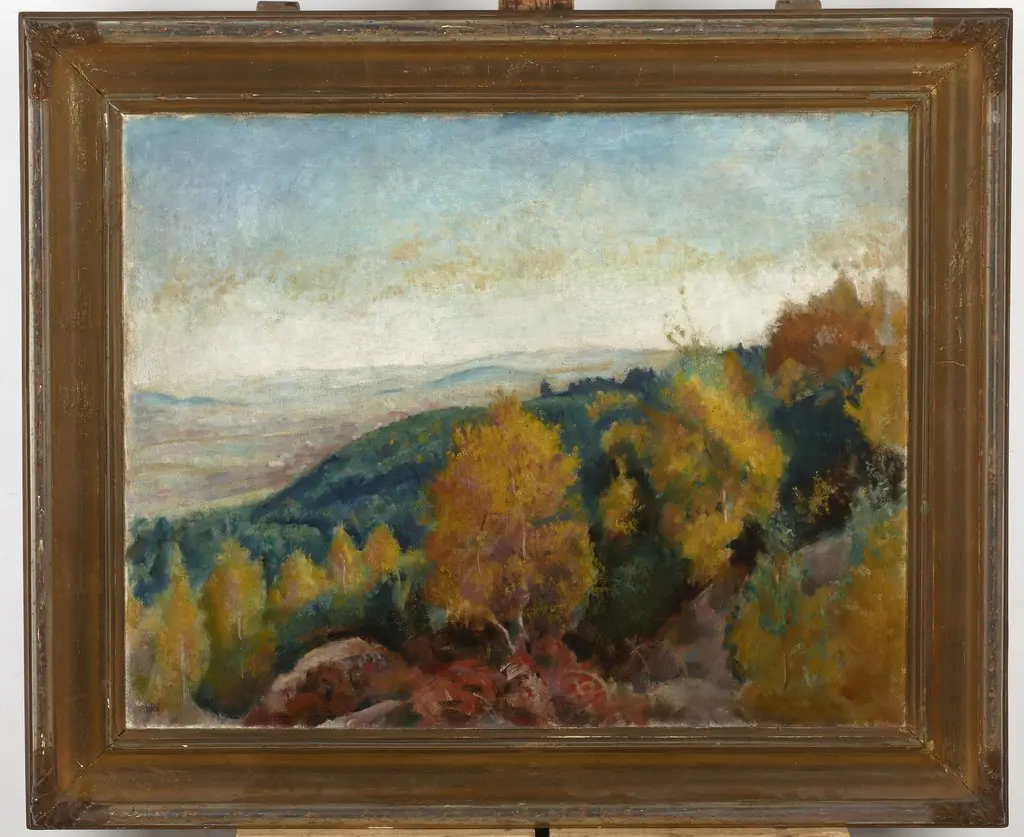 Autumn Landscape – Environs of Kalwaria Zebrzydowska
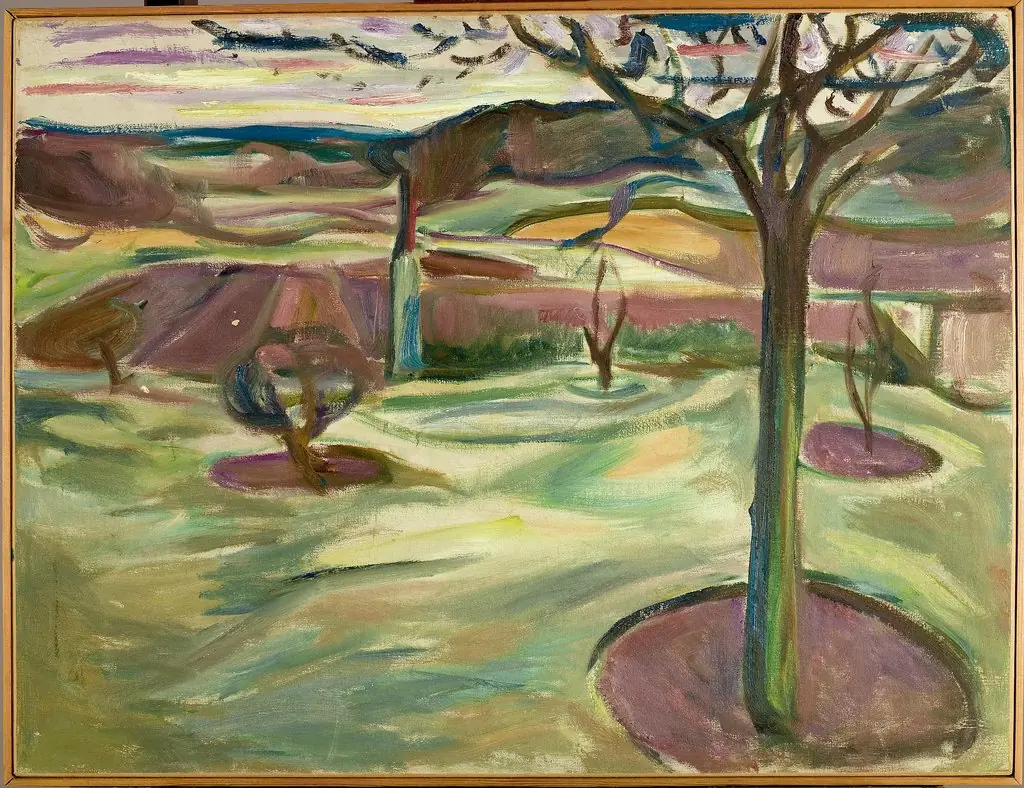 Early Spring
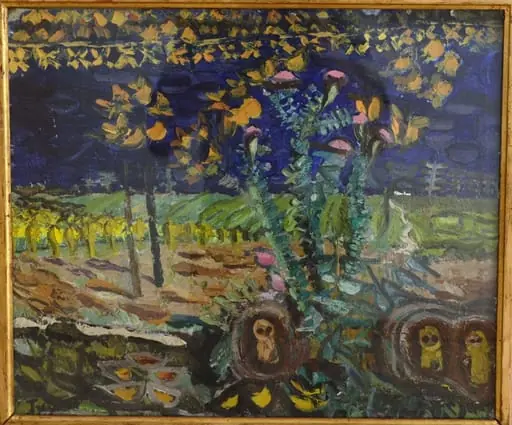 Ciulinii Mangaliei
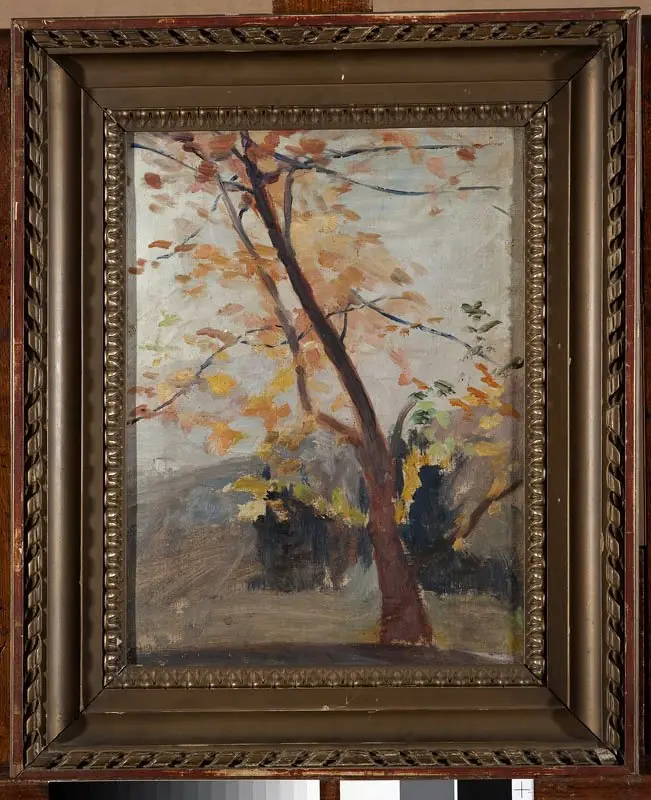 Tree sketch – Massandra. From the journey to Crimea
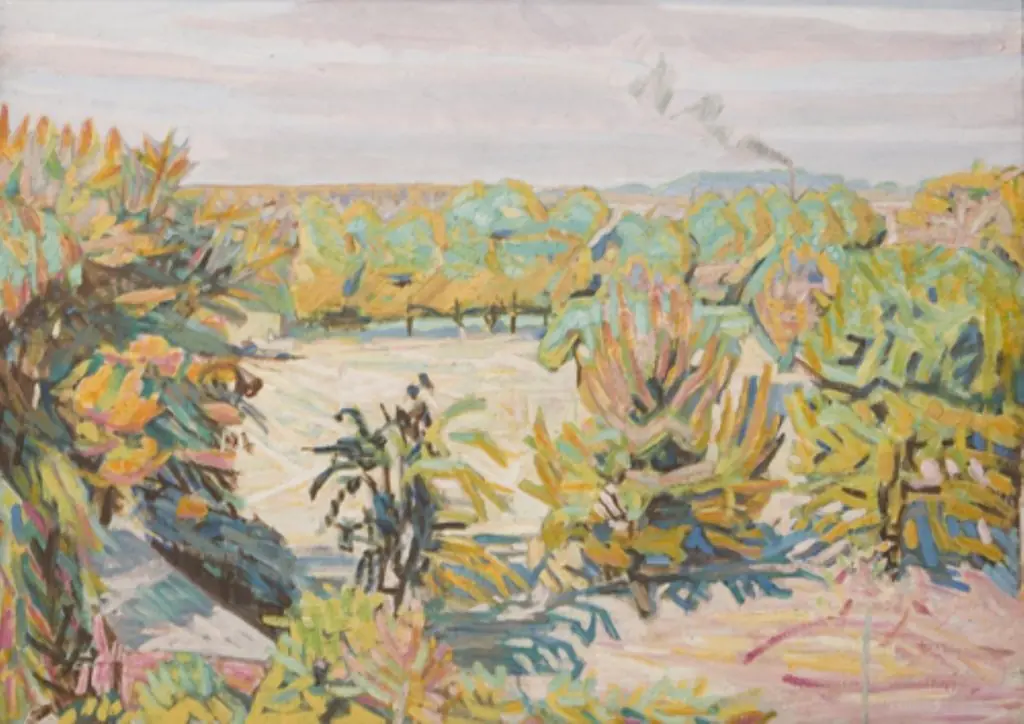 A Garden Seen from the Artist's Dwelling. Autumn
 A Garden Seen from the Artist's Dwelling. Autumn
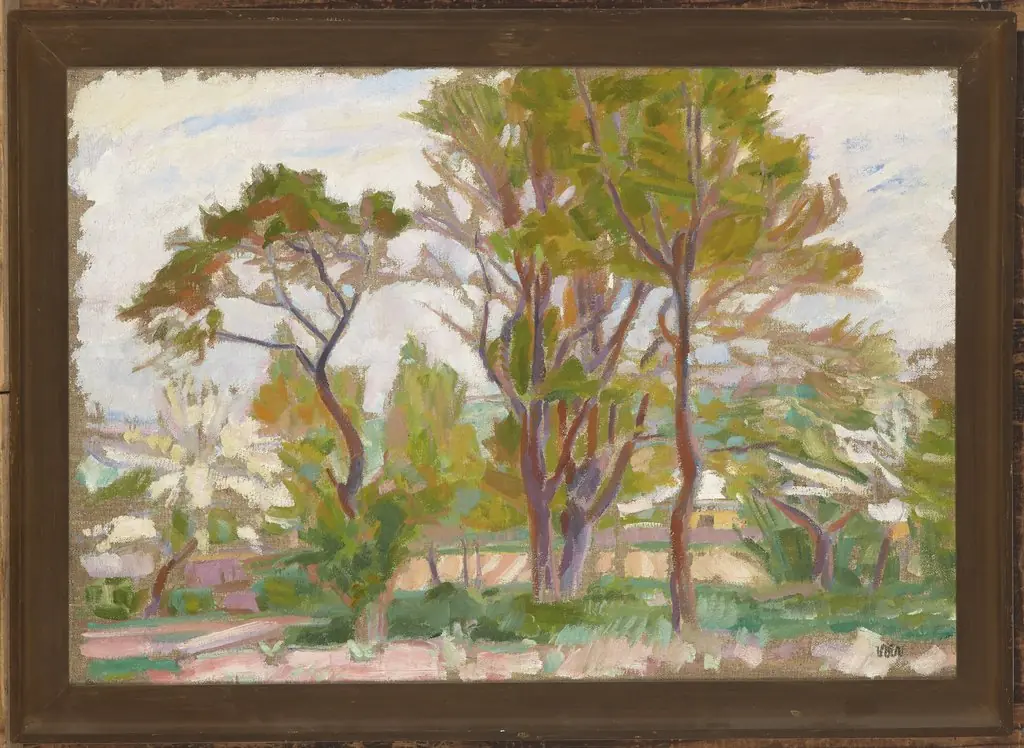 Landscape with Trees
 Peisaj