Artwork
L'hareng saur
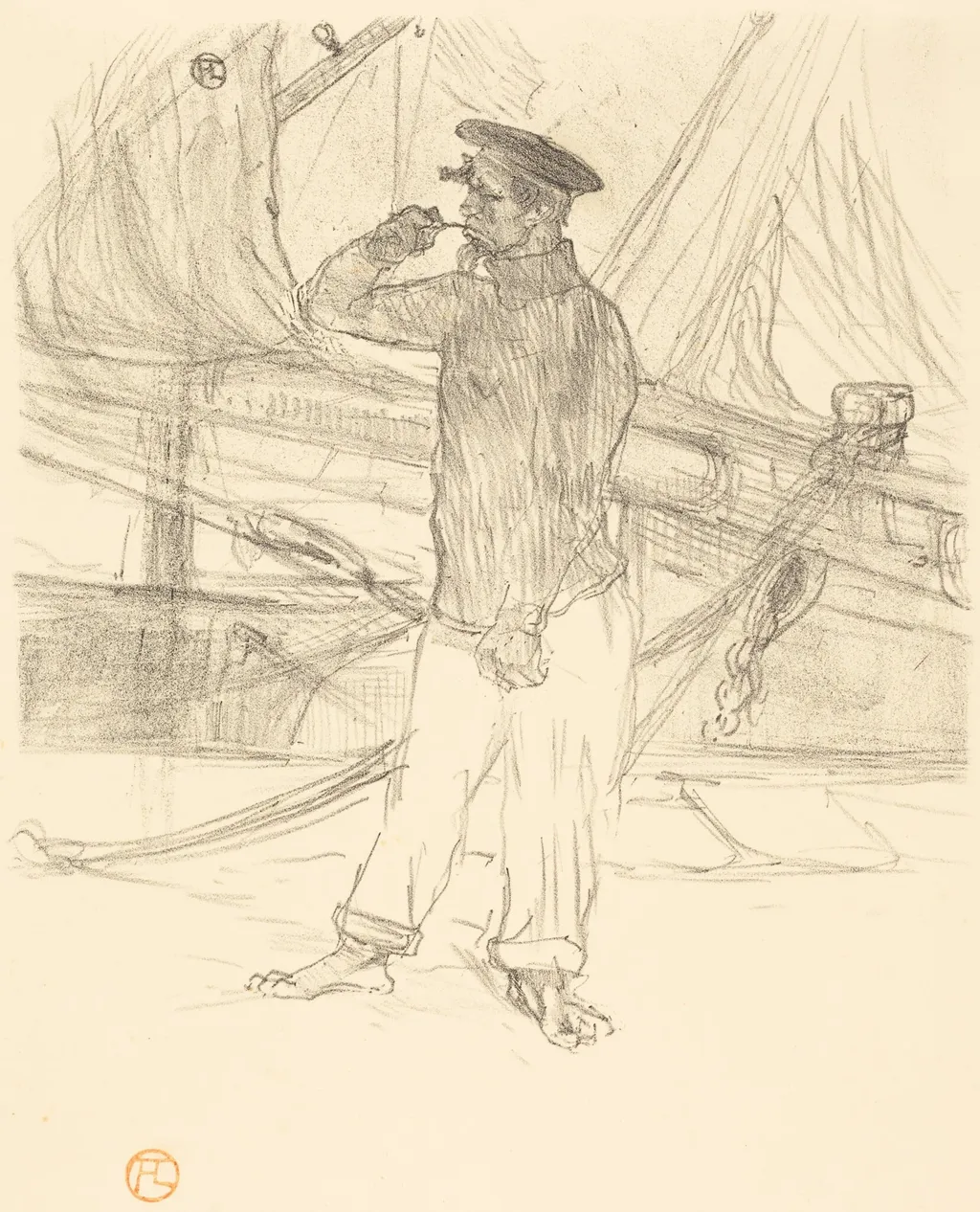
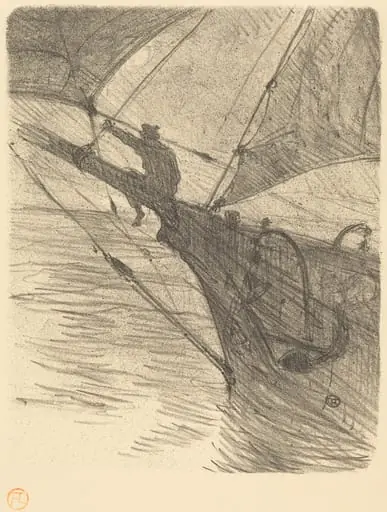
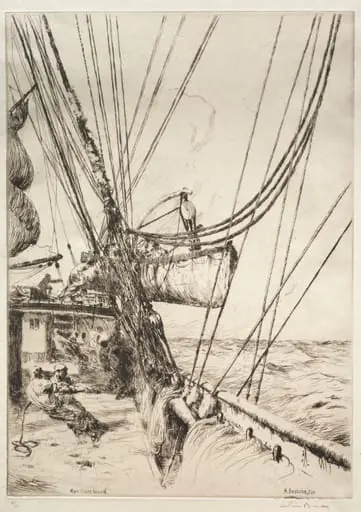
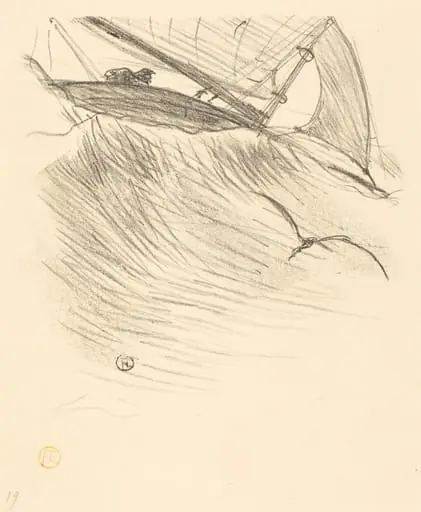
L'hareng saur is an ink print by the Impressionist artist Henri de Toulouse-Lautrec. It dates from 1895 and is held in the collection of the National Gallery of Art.
About this work
Overview
Unlike his more famous cabaret scenes, this print depicts a solitary fisherman by the sea, capturing a quiet moment of daily labor.
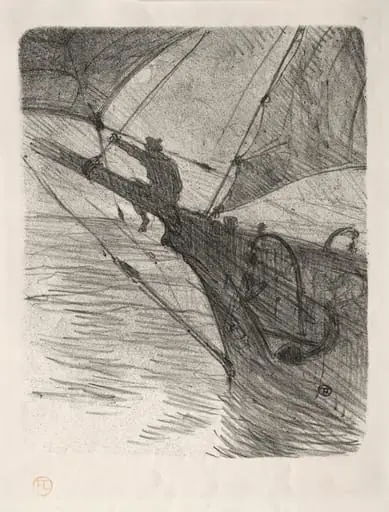
Created in 1895, *L'hareng saur* is a black lithograph by Henri de Toulouse-Lautrec. Unlike his more famous cabaret scenes, this print depicts a solitary fisherman by the sea, capturing a quiet moment of daily labor. The work reflects Lautrec’s broader interest in ordinary people, rendered with his signature economy of line and tonal contrast. It stands as a rare marine subject in his oeuvre, diverging from his typical urban settings.
Subject & Meaning
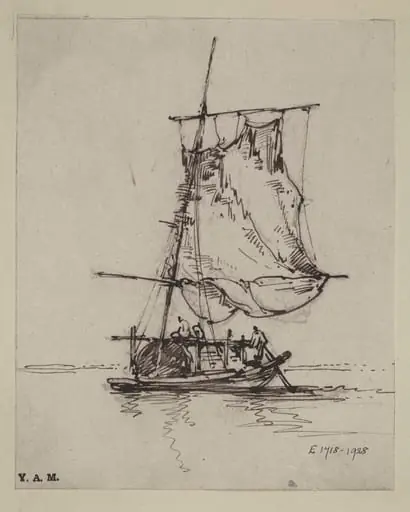
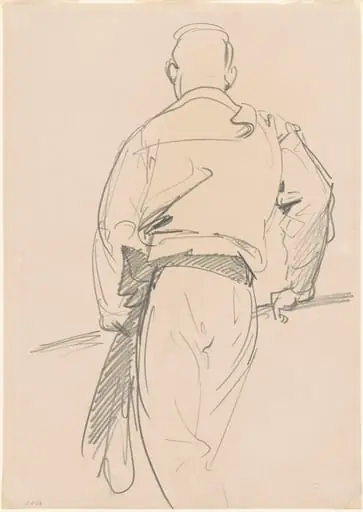
The figure is a herring seller or fisherman, dressed in simple work clothes, standing beside a sailboat with a pipe in hand. His posture suggests weariness rather than leisure, grounding the image in the reality of coastal labor. The title, referencing salted herring, ties the figure to the fishing economy of northern France. Lautrec avoids romanticism, presenting the man as part of a quiet, unglamorous world he observed with empathy.
Technique & Style
Lautrec employed lithography to achieve sharp, expressive contours and dense black tones. The composition relies on strong outlines and minimal shading, emphasizing form over detail. The background boat is suggested with loose, confident strokes, while the figure’s solidity is reinforced by heavy contours. This restrained palette and graphic clarity align with his printmaking practice, prioritizing immediacy and structural clarity over atmospheric effects.
History & Provenance
The print was produced during Lautrec’s most active period in printmaking, following his success with poster designs for Montmartre venues. *L'hareng saur* was likely part of a small, private series, not widely distributed. It entered public collections decades later, valued for its departure from his usual subjects and its technical precision. Its provenance traces through French private holdings before institutional acquisition.
Context
In the mid-1890s, Lautrec increasingly turned to subjects beyond Parisian nightlife, drawn to rural and coastal life during visits to the north. This print reflects a broader European interest in depicting laborers with dignity, influenced by Realist traditions. Though rooted in observation, it avoids sentimentality, aligning with Lautrec’s consistent focus on authenticity over idealization.
Legacy
While less known than his posters or brothel scenes, *L'hareng saur* demonstrates Lautrec’s versatility and commitment to capturing marginalized lives with restraint. It influenced later printmakers seeking to merge social observation with graphic simplicity. The work remains a quiet testament to his ability to find gravity in the unremarkable, extending his legacy beyond the cabaret into the broader landscape of modern printmaking.
Artist & collection
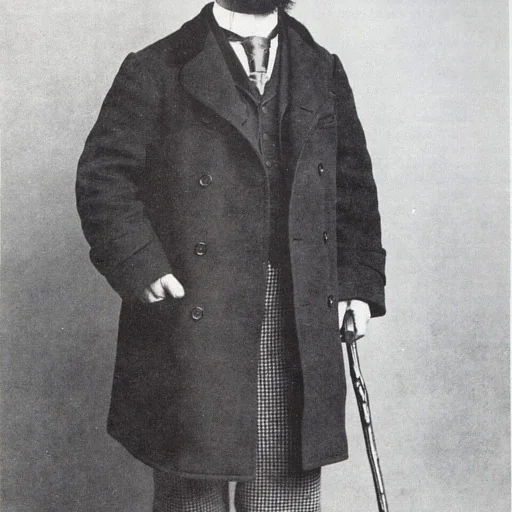
Artist
Comte Henri Marie Raymond de Toulouse-Lautrec-Montfa (24 November 1864 – 9 September 1901), known as Toulouse-Lautrec (French: ), was a French painter, printmaker, draughtsman, caricaturist, and illustrator.