Artwork
Wisdom (Sagesse)
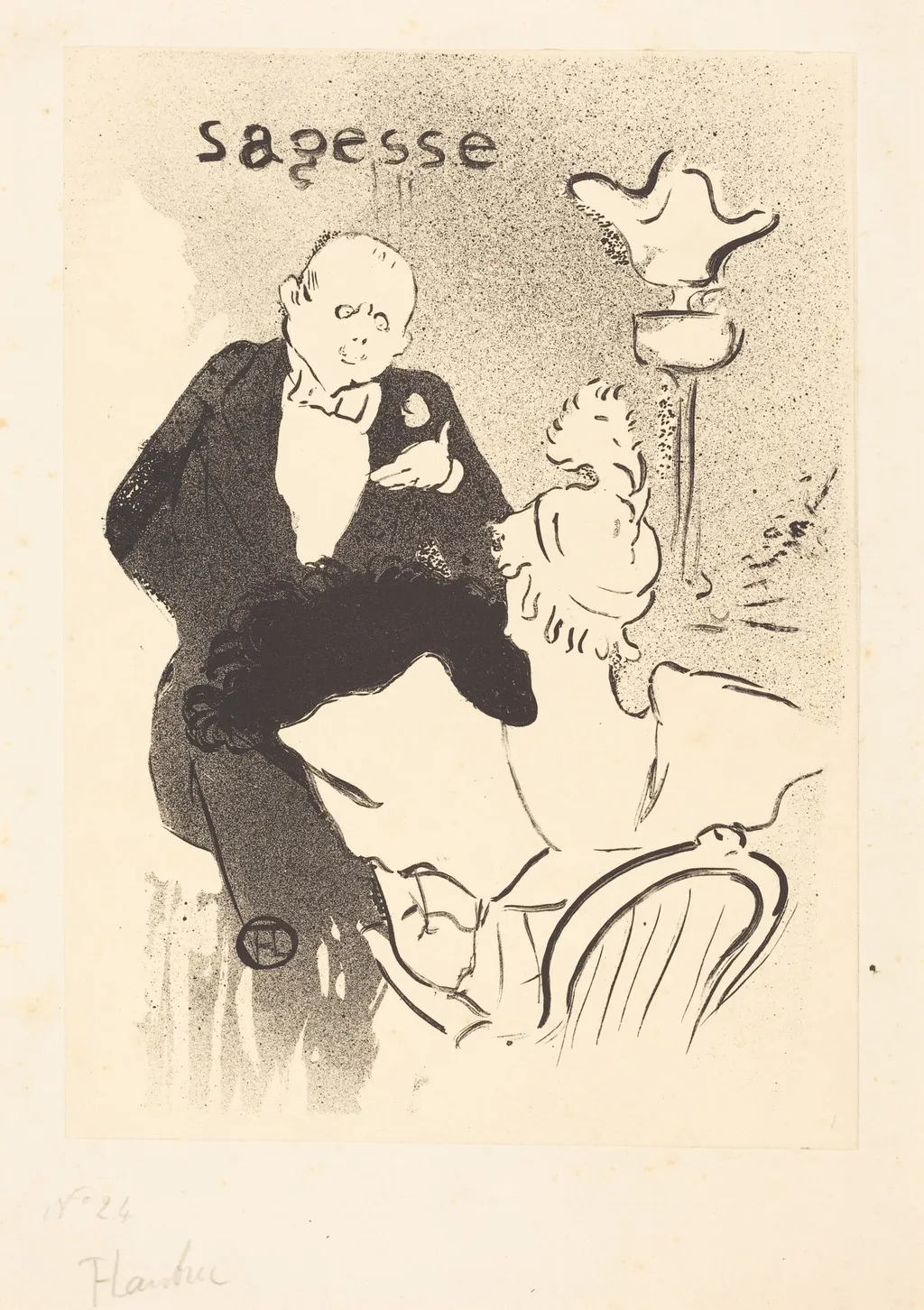
Wisdom (Sagesse) is an ink print by the Impressionist artist Henri de Toulouse-Lautrec. It dates from 1893 and is held in the collection of the National Gallery of Art.
About this work
Overview
This print, like much of his work, emerges from his deep immersion in the city’s marginal spaces and its quiet, unglamorous moments.
Henri de Toulouse-Lautrec produced the lithograph *Wisdom (Sagesse)* in 1893, using black ink on thin China paper. As a member of the French aristocracy who turned to art despite physical limitations from adolescent injuries, he captured the textures of Parisian life with immediacy. This print, like much of his work, emerges from his deep immersion in the city’s marginal spaces and its quiet, unglamorous moments.
Subject & Meaning
The image depicts a man in formal attire seated with a child on his lap, gazing downward with solemnity. A lamp with a perched bird and a discarded guitar lie nearby, suggesting a pause in routine or reflection. The French word 'Sagesse' at the top invites interpretation: wisdom here may not be grand or moral, but found in the stillness between performance and rest, in the unspoken care of an adult amid the remnants of entertainment.
Technique & Style
Lautrec employed lithography to achieve a spontaneous, sketch-like quality. His loose, rapid lines convey movement and atmosphere without polish, echoing the energy of commercial posters of the era. The minimal use of tone and absence of color emphasize form and gesture, focusing attention on the figures and their quiet interaction. The roughness of the draftsmanship enhances the sense of an unposed, fleeting moment.
History & Provenance
Created during a period when Lautrec was deeply involved in printmaking, *Wisdom* was likely part of a private or limited circulation, not a public poster. It reflects his shift from large-scale commercial work to more intimate, personal compositions. The print survives as a testament to his evolving interests beyond cabaret scenes, revealing a quieter, more contemplative side of his artistic output.
Context
In 1890s Paris, lithography was a vital medium for both advertising and fine art. Lautrec’s work straddled these worlds, using techniques popular in posters to explore psychological depth. While his contemporaries often glorified nightlife, he turned his gaze to its aftermath—moments of solitude, care, and quiet endurance—offering a counterpoint to the era’s spectacle.
Legacy
Though less known than his cabaret posters, *Wisdom* exemplifies Lautrec’s ability to transform everyday scenes into resonant human studies. His use of lithography to convey emotional nuance influenced later artists seeking intimacy in printmaking. The work endures as a quiet meditation on presence, responsibility, and the unremarkable gestures that carry meaning.
Artist & collection
Artist
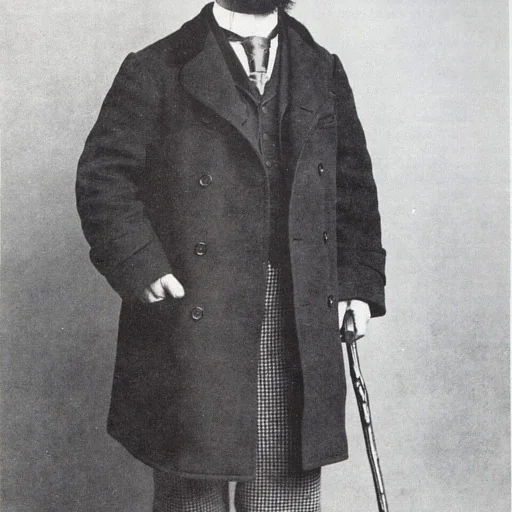
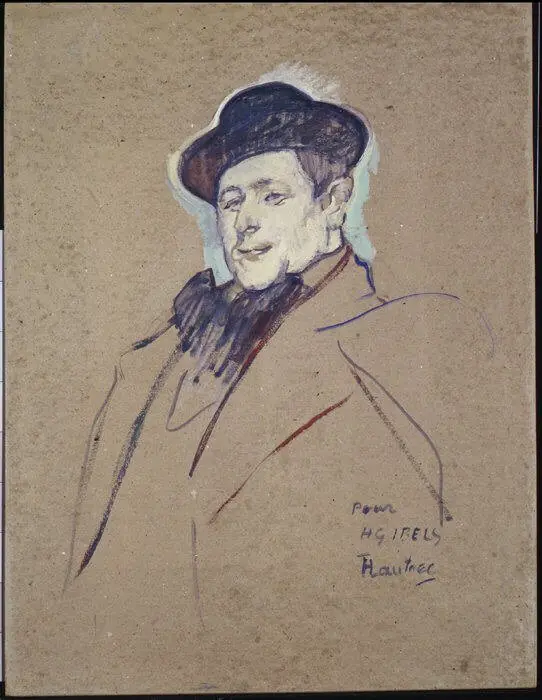
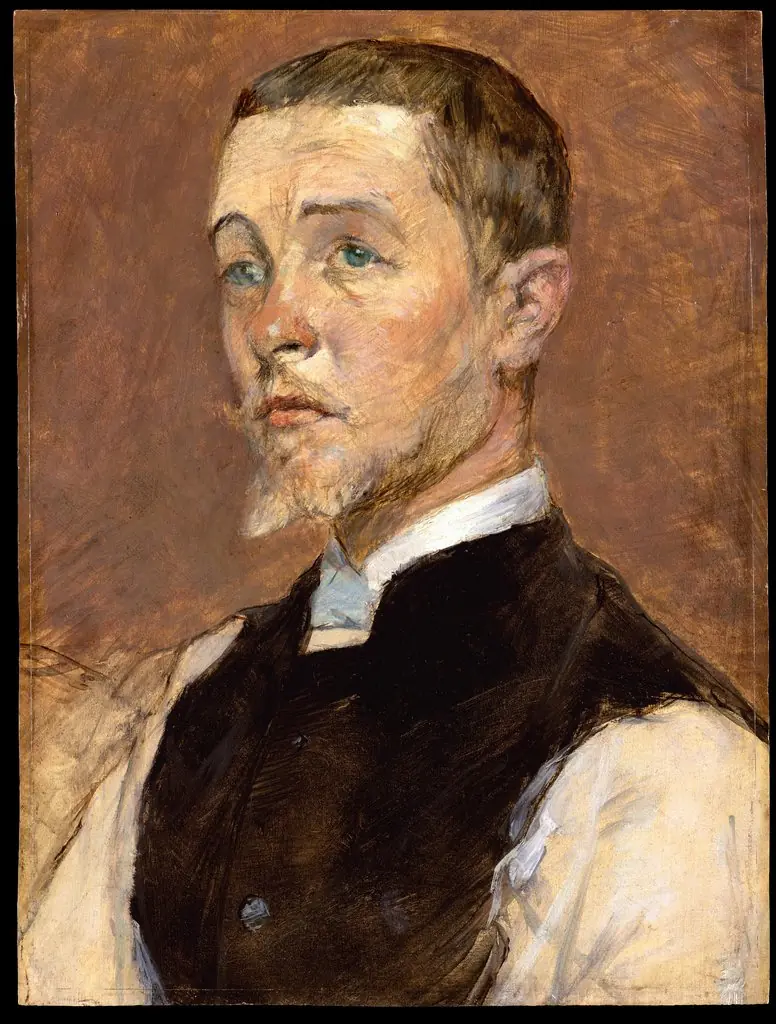
Comte Henri Marie Raymond de Toulouse-Lautrec-Montfa (24 November 1864 – 9 September 1901), known as Toulouse-Lautrec (French: ), was a French painter, printmaker, draughtsman, caricaturist, and illustrator.

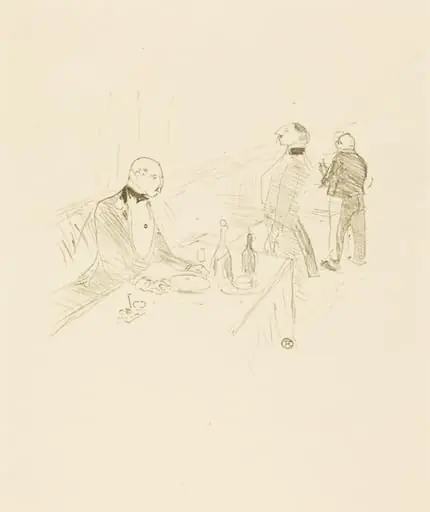 At The House of Gold (A la maison d'or)
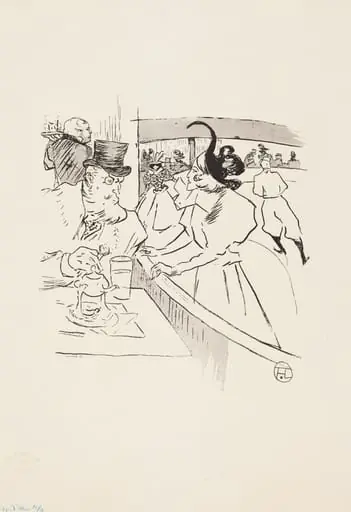 In the Skating Professional Beauty
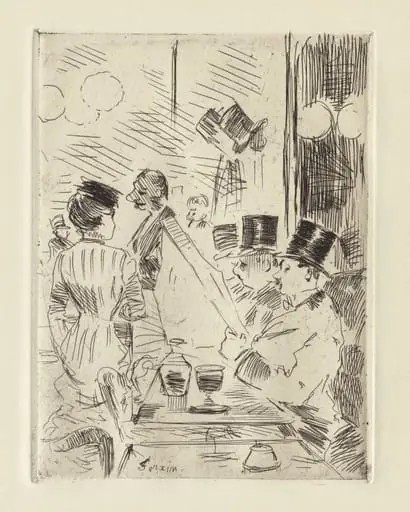 The Café of the New Athens
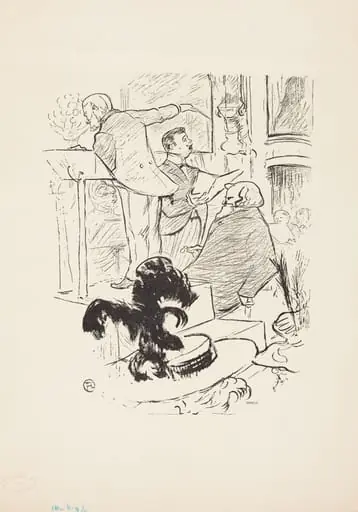 Les grands concerts de l'opera
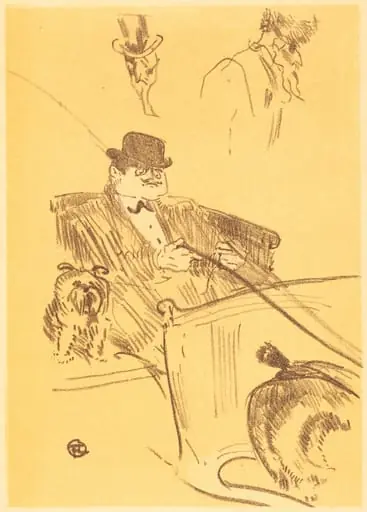 Cover for "La tribu d'Isodore" (Couverture pour "La tribu d'Isodore")
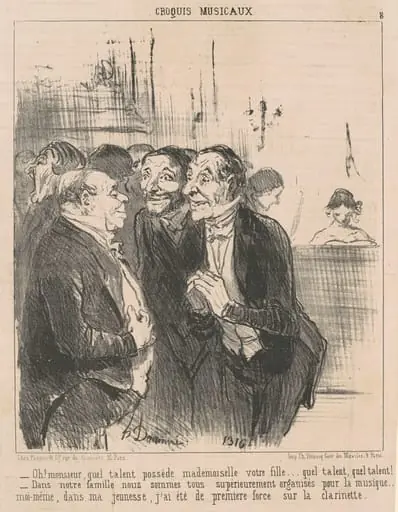 Oh! Monsieur, quel talent possède ...
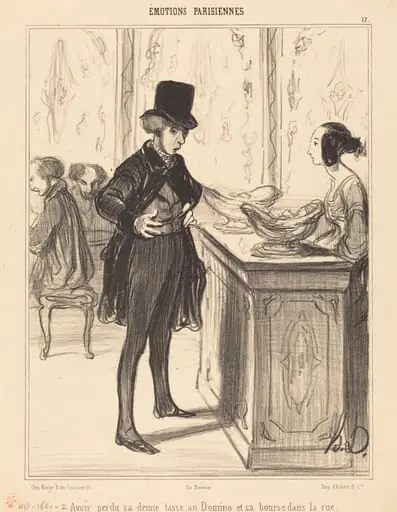 Avoir perdu sa demi-tasse au Domino et sa bourse dans la rue
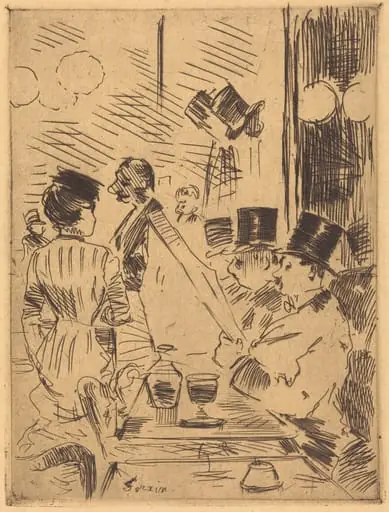 Le café de la Nouvelle Athènes (The Cafe of the New Athens)
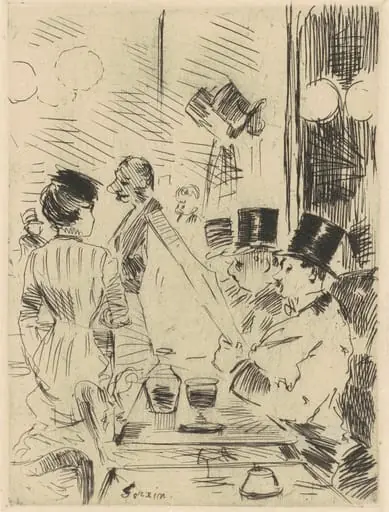 Le Cafe
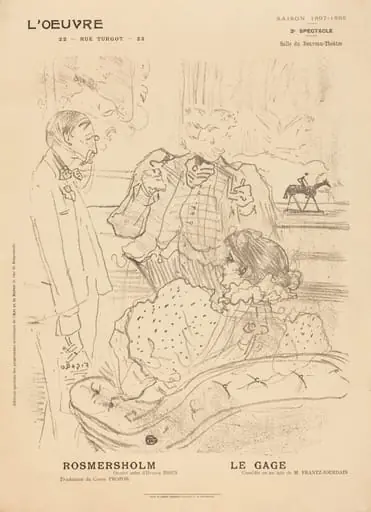 Rosmersholm; Le Gage