Artwork
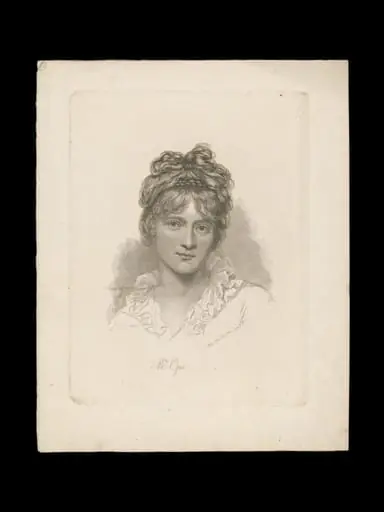
Lady Maria Hooker When Miss Turner at Age Seventeen
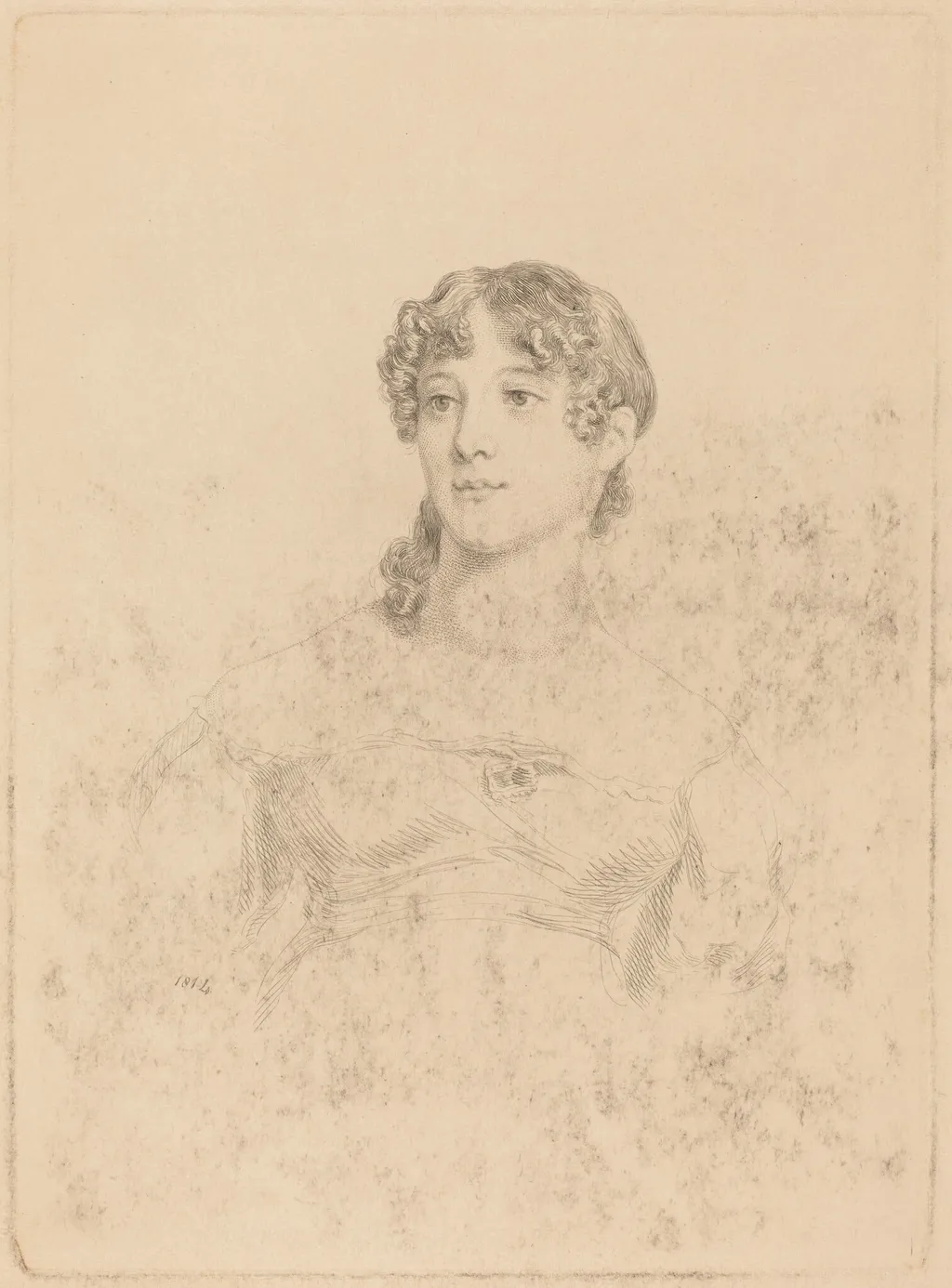
Lady Maria Hooker When Miss Turner at Age Seventeen is an ink print by the Romanticist artist Mary Dawson Turner. It dates from 1814 and is held in the collection of the National Gallery of Art.
About this work
The artist used a technique that lets ink spread in watery patches, giving it a soft, slightly fuzzy look.
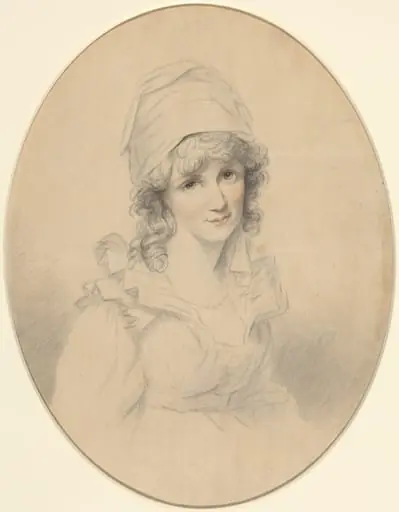
This is a simple black-and-white portrait of a young woman. Her hair is styled in soft curls, and she wears a loose dress with thin straps. The lines are light, almost sketchy, with some shading on her face and shoulders.
The artist used a technique that lets ink spread in watery patches, giving it a soft, slightly fuzzy look. This was done in 1814.
Want to see more? Check out etching to learn how artists create these kinds of prints.
Overview
Mary Dawson Turner’s 1814 etching depicts Lady Maria Hooker at the age of seventeen. Executed in black and white, the work presents a youthful figure rendered with light, almost sketch‑like lines, emphasizing the softness of her curls and the delicate drapery of her loose, thin‑strapped dress.
Subject & Meaning
The portrait captures a moment of adolescent poise, focusing on the sitter’s face and shoulders with subtle shading that suggests a gentle, introspective demeanor. While no narrative is explicit, the intimate scale and tender treatment reflect contemporary conventions of presenting young women of the gentry in a modest, genteel manner.
Technique & Style
Turner employed a wet‑ground etching process, allowing ink to pool in watery patches that create a faintly blurred, atmospheric quality. This method produces soft edges and a slightly fuzzy texture, distinguishing the work from more sharply defined line etchings and lending the portrait a sense of immediacy and delicacy.
History & Provenance
Created in 1814, the print is part of Mary Dawson Turner’s early oeuvre, produced during a period when she was establishing herself as a printmaker. The work was likely commissioned by the Hooker family, serving both as a personal likeness and as a testament to the sitter’s social standing within early‑19th‑century English society.
Artist & collection


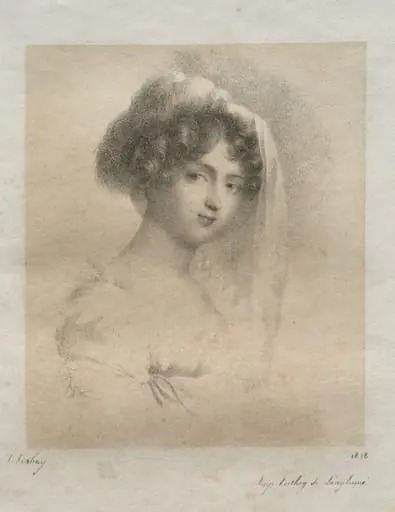 Mme. Horace Vernet
 H Beard Print Collection
 H Beard Print Collection
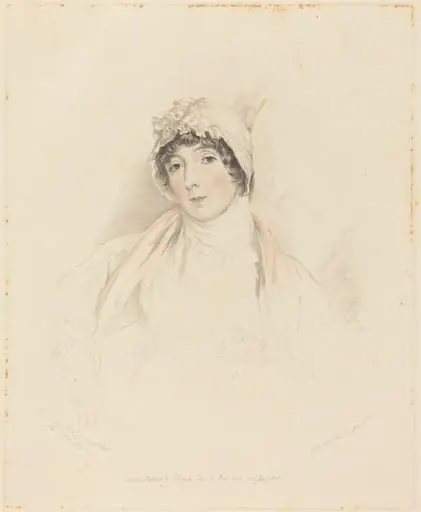 Lucy Lawrence
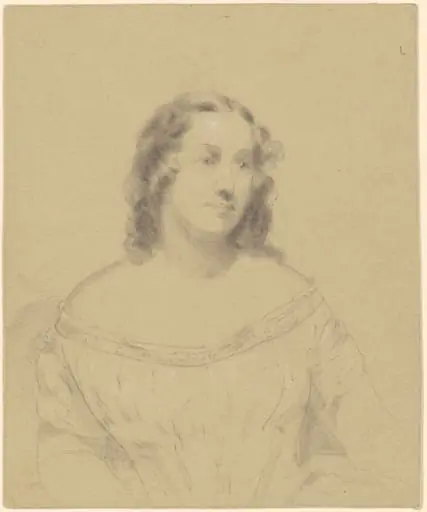 Mrs. Sylvanus D. Lewis (Estelle Anna Blanche Robinson)
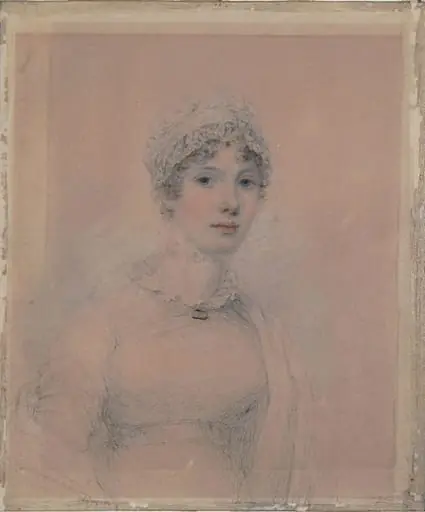 Portrait of a lady
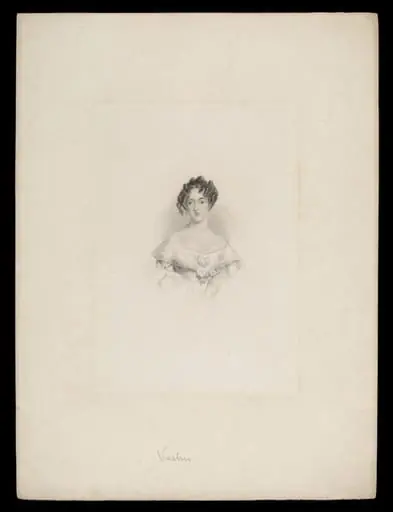 H Beard Print Collection
 Portrait of a Woman
 H Beard Print Collection
 H Beard Print Collection
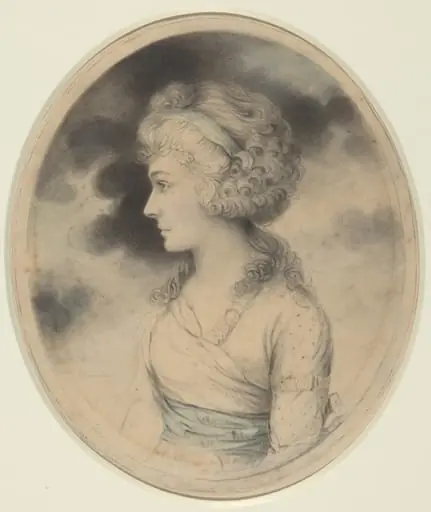 Portrait of a Woman with a Blue Sash
 H Beard Print Collection