Artwork
Bamboo
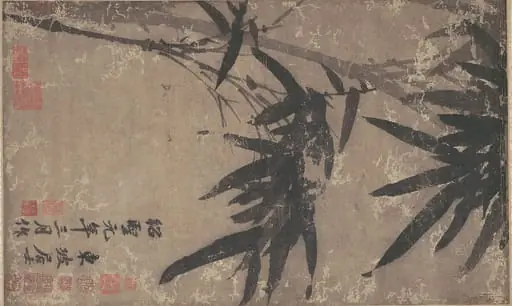
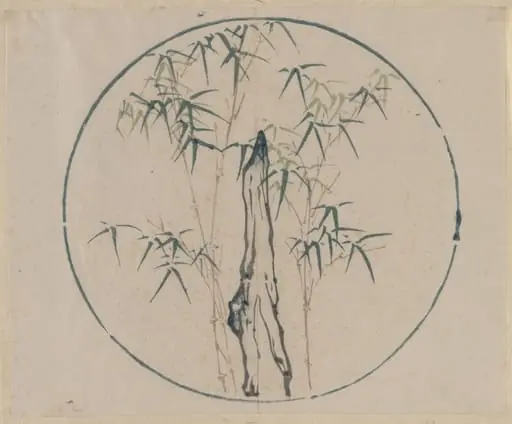
Bamboo is a print by the Baroque artist Unknown. It dates from 1625 and is held in the collection of the Cleveland Museum of Art.
About this work
This painting was made during China’s Ming dynasty, when bamboo symbolized resilience—it bends but doesn’t break.
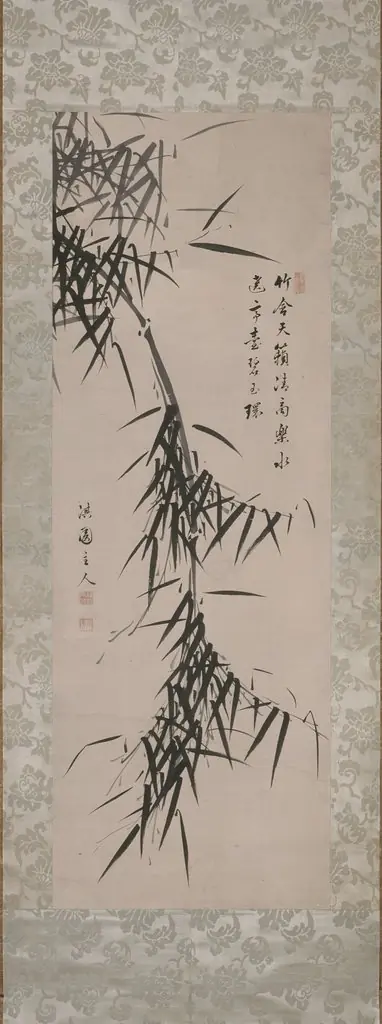
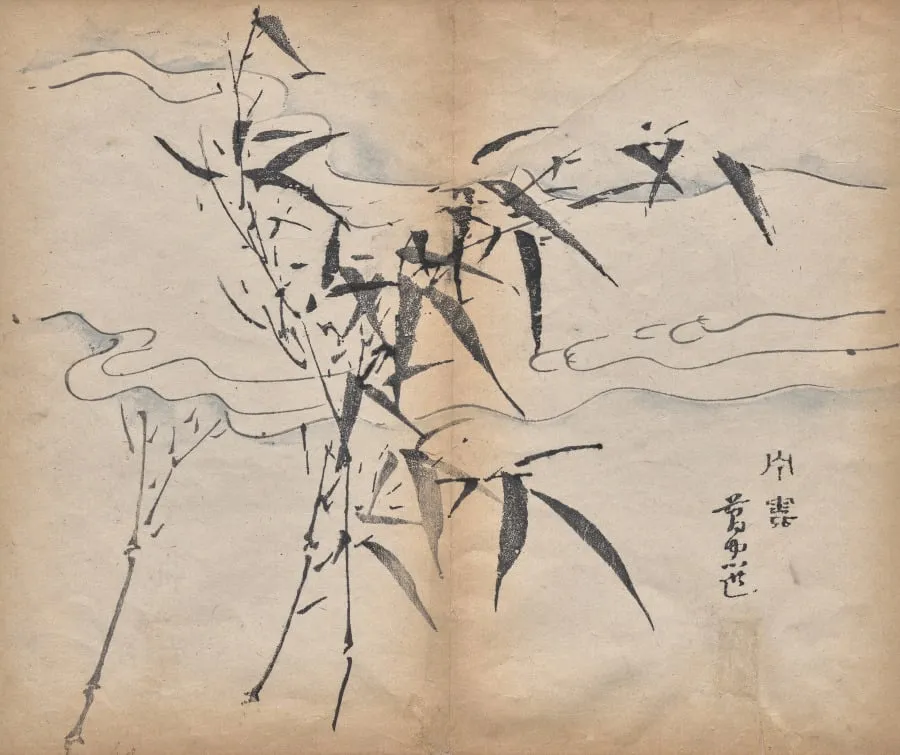
You see a tall stalk of bamboo bending in the wind, leaves sharp and dark against a pale background.
This painting was made during China’s Ming dynasty, when bamboo symbolized resilience—it bends but doesn’t break. The artist didn’t sign it, which was common for works meant to teach or practice, not show off. The simplicity feels intentional, like a quiet lesson.
If you like this, look up *china, ming dynasty (1368–1644)* to see more paintings from the same time.
Overview
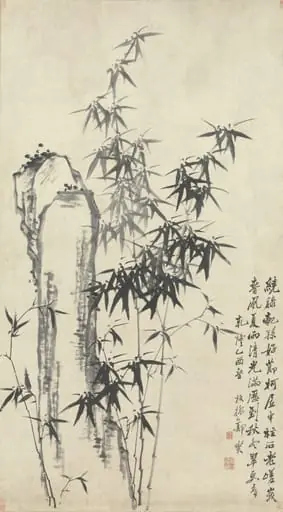
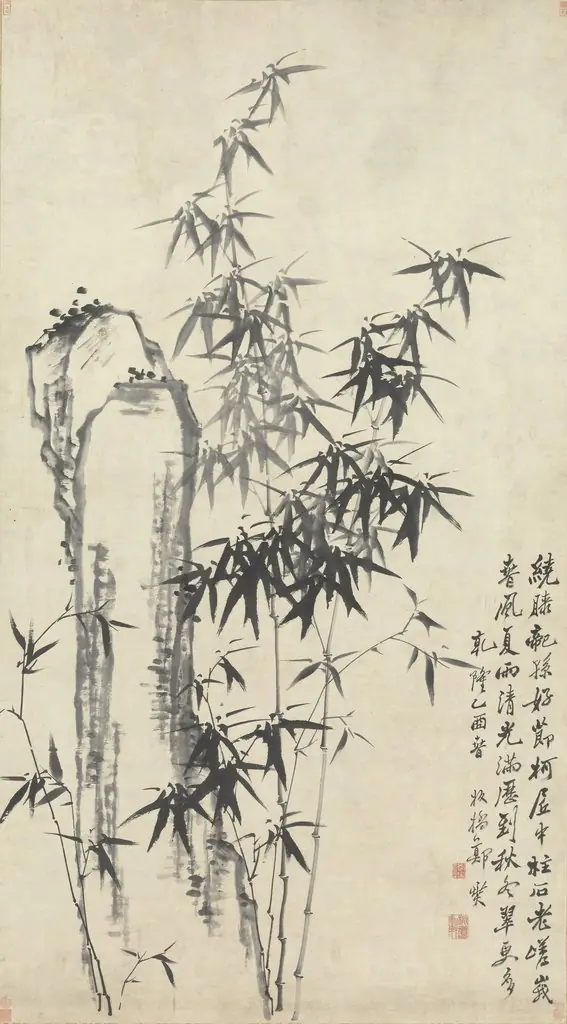
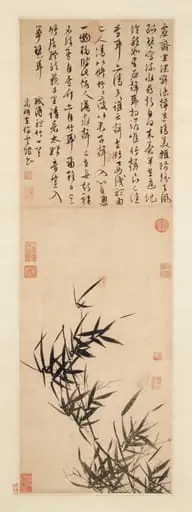
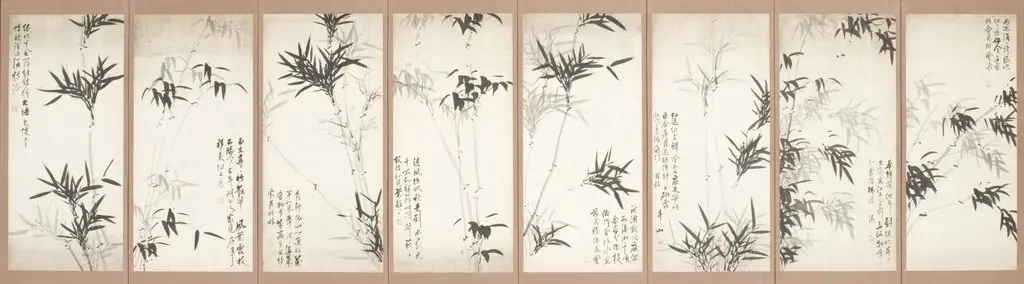
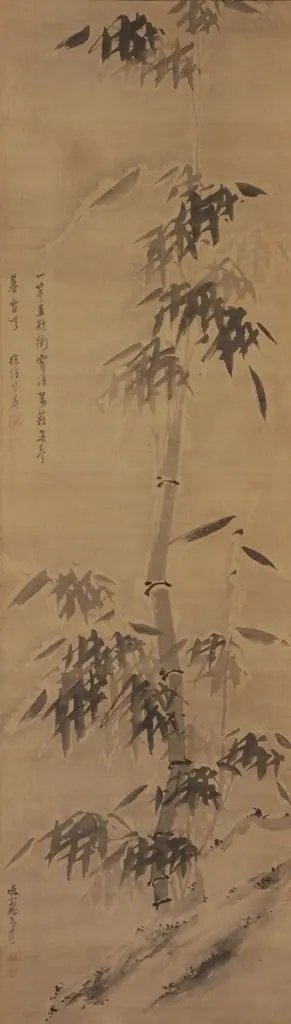
The work is a monochrome print depicting a single bamboo stalk that leans under the force of wind, its slender leaves rendered in dark, crisp strokes against a light, unadorned background. The composition is spare, focusing attention on the graceful curvature of the plant and the contrast between line and void.
Subject & Meaning
In Ming‑era Chinese art, bamboo frequently served as a visual metaphor for moral fortitude, embodying the principle of yielding without breaking. The depicted stalk, bending yet remaining upright, conveys this traditional association with resilience and integrity, offering a contemplative lesson rather than a decorative scene.
Technique & Style
Executed without a signature, the piece follows the conventions of instructional or practice prints, where the artist emphasizes brush control and compositional balance. The stark black ink on a pale surface highlights the precision of each stroke, while the minimal background underscores the disciplined aesthetic valued in scholarly painting.
History & Provenance
Created during China’s Ming dynasty (1368–1644), the print reflects the period’s emphasis on scholarly pursuits and the use of bamboo as a didactic symbol. The absence of a maker’s mark aligns with the era’s practice of producing works intended for study rather than public exhibition, suggesting it may have circulated among literati circles.
Artist & collection

 Domestic Scene
 Giacomo and Cardinal Marco, investing Andrea, Abbot of San Zeno, with his Benefice
 The Nymph of Fontainebleau
 Portrait of a Woman
 Madonna and Child with Saints in the Enclosed Garden
 Venus and Minerva
 Family Group of Four on Sofa
 Wall painting from Room H of the Villa of P. Fannius Synistor at Boscoreale