Artwork
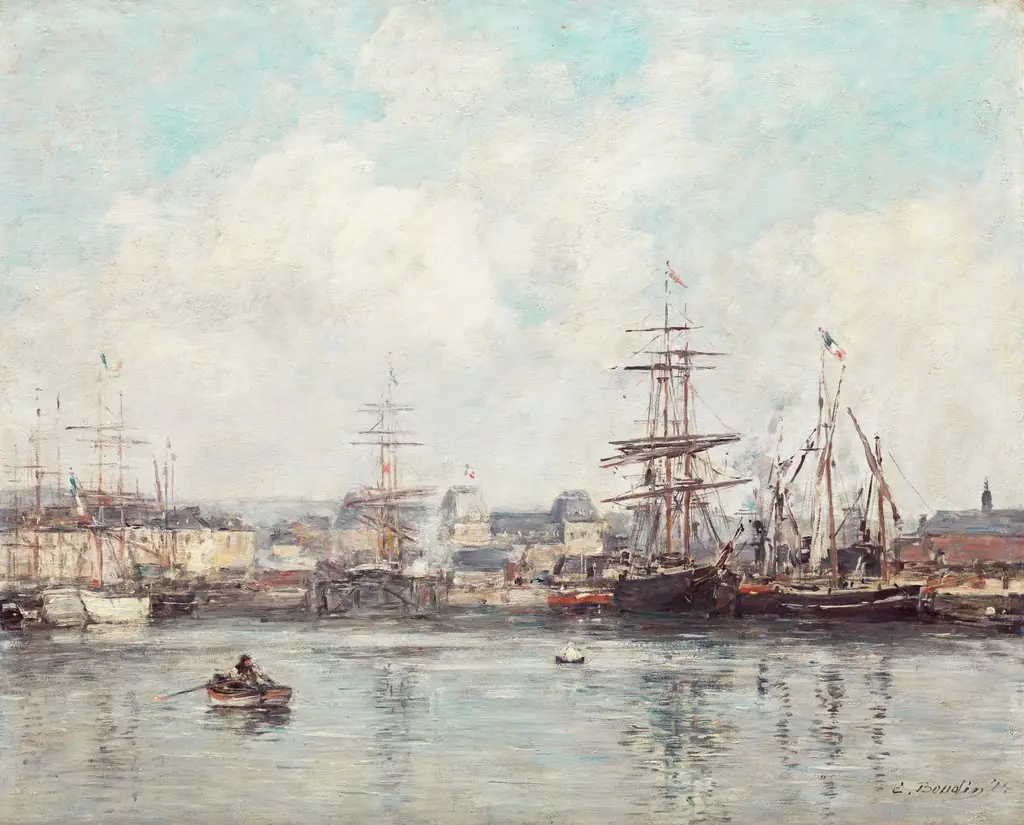
Banks of the Seine
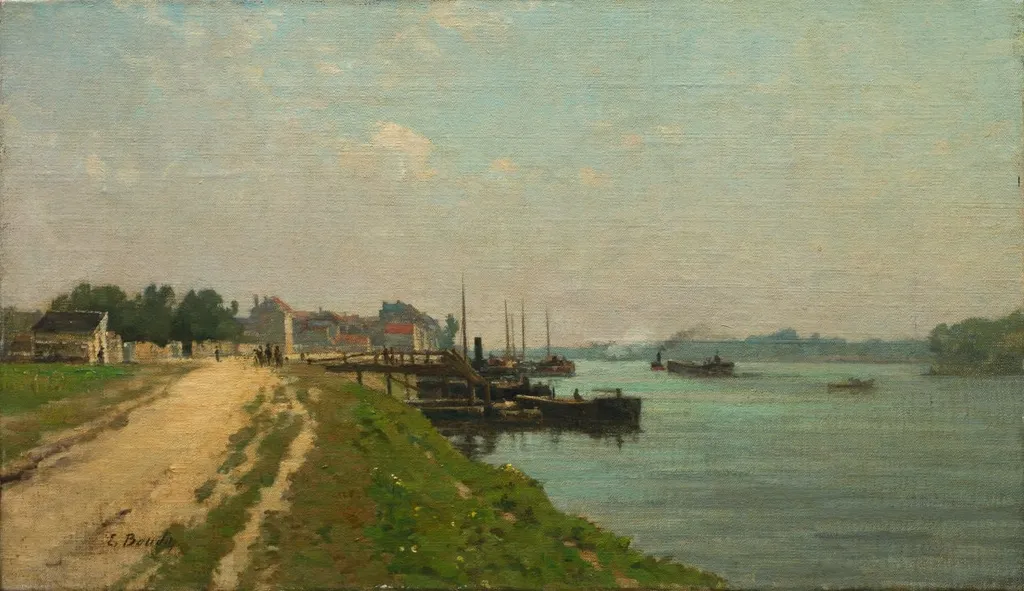
Banks of the Seine is an unspecified painting by the Impressionist artist Unknown. It dates from 1880 and is held in the collection of the Cleveland Museum of Art.
About this work
No one knows who painted it, but the loose brushstrokes and soft light feel like the work of artists who painted outdoors in the 1800s.
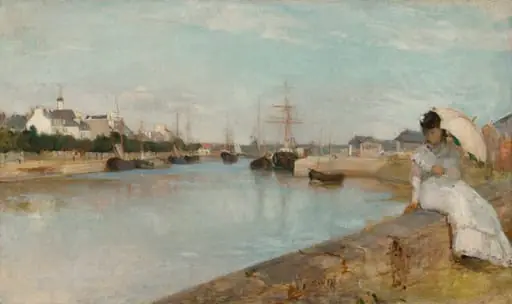
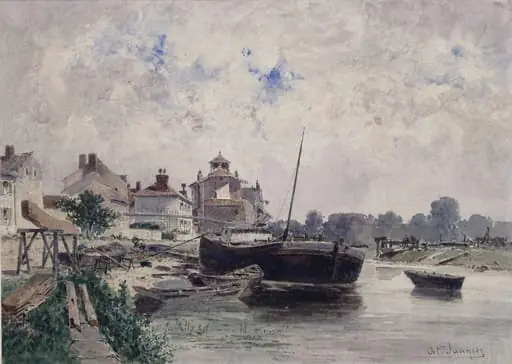
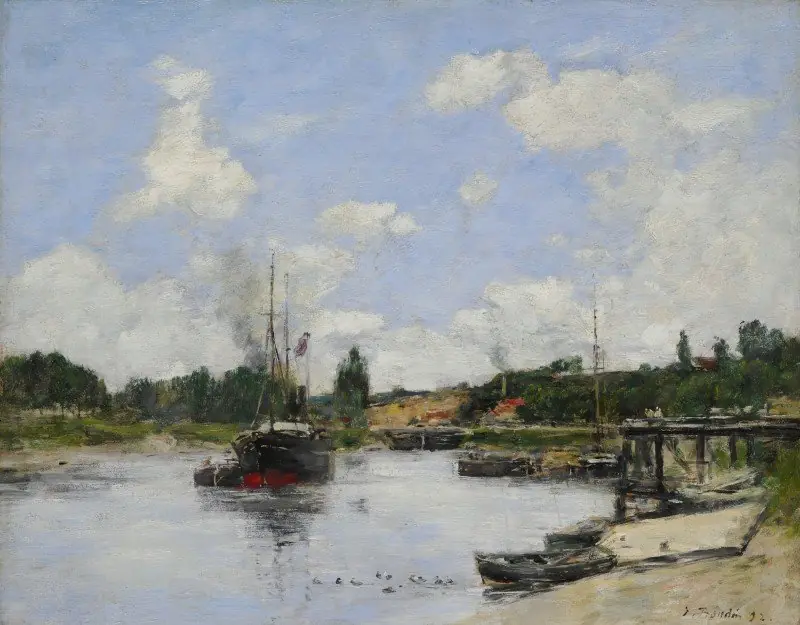
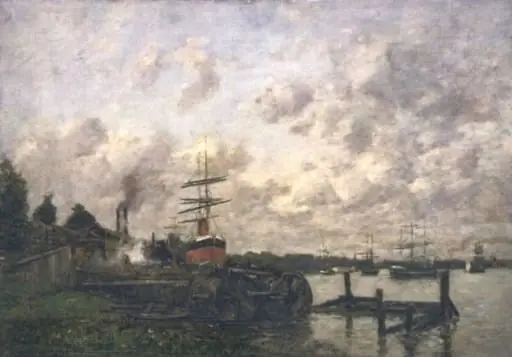
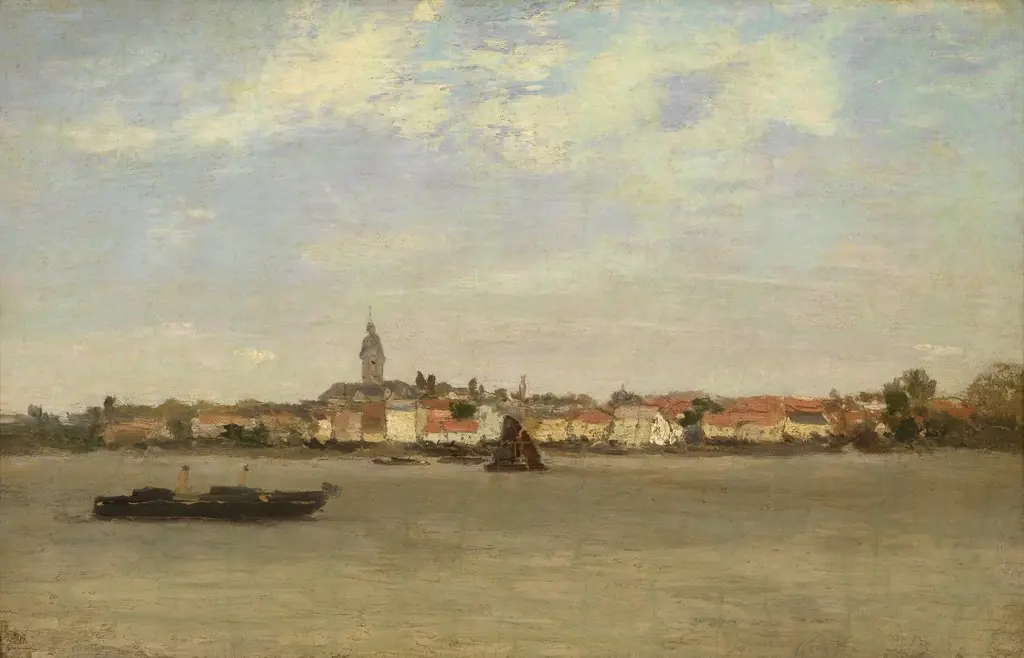
You see a quiet riverbank in France, trees leaning over the water, a few small boats tied up, and a pale sky.
No one knows who painted it, but the loose brushstrokes and soft light feel like the work of artists who painted outdoors in the 1800s. Experts once thought it might be by Eugène Boudin, but the real artist remains a mystery.
If you like this scene, look up other paintings of france, 19th century, mod euro.
Overview
The canvas presents a tranquil stretch of the Seine, its banks shaded by overhanging trees and dotted with modest boats moored at the water’s edge. A pale, diffused sky hovers above, lending the scene a gentle luminosity. The composition captures a moment of quiet river life, emphasizing atmosphere over narrative detail.
Subject & Meaning
The work depicts a typical riverside tableau of 19th‑century France, where commerce and leisure intersect. The modest vessels suggest daily activity, while the stillness of the water and the subdued light evoke a contemplative mood, inviting viewers to consider the serene rhythm of the landscape rather than a specific historical event.
Technique & Style
Brushwork is loose and impressionistic, with soft edges that blend foliage, water, and sky. The palette relies on muted blues, greens, and earth tones, while the handling of light creates a hazy atmosphere reminiscent of plein‑air practices popular among mid‑1800s French painters. The overall effect is one of immediacy and visual impression rather than precise detail.
History & Provenance
Initially attributed to Eugène Boudin, the painting’s authorship has remained unresolved despite scholarly investigation. The misattribution reflects stylistic affinities with Boudin’s river scenes, yet no documentary evidence confirms his hand. The work’s ownership trail is sparse, with its provenance largely limited to museum acquisition records.
Context
The image aligns with a broader 19th‑century French interest in depicting everyday life along the nation’s waterways. During this period, artists increasingly worked outdoors, capturing fleeting effects of light and weather. The painting thus situates itself within the transition from academic landscape traditions toward the more spontaneous approaches that would later define Impressionism.
Artist & collection

 Domestic Scene
 Giacomo and Cardinal Marco, investing Andrea, Abbot of San Zeno, with his Benefice
 The Nymph of Fontainebleau
 Portrait of a Woman
 Madonna and Child with Saints in the Enclosed Garden
 Venus and Minerva
 Family Group of Four on Sofa
 Wall painting from Room H of the Villa of P. Fannius Synistor at Boscoreale