Artwork
De wafelbakster
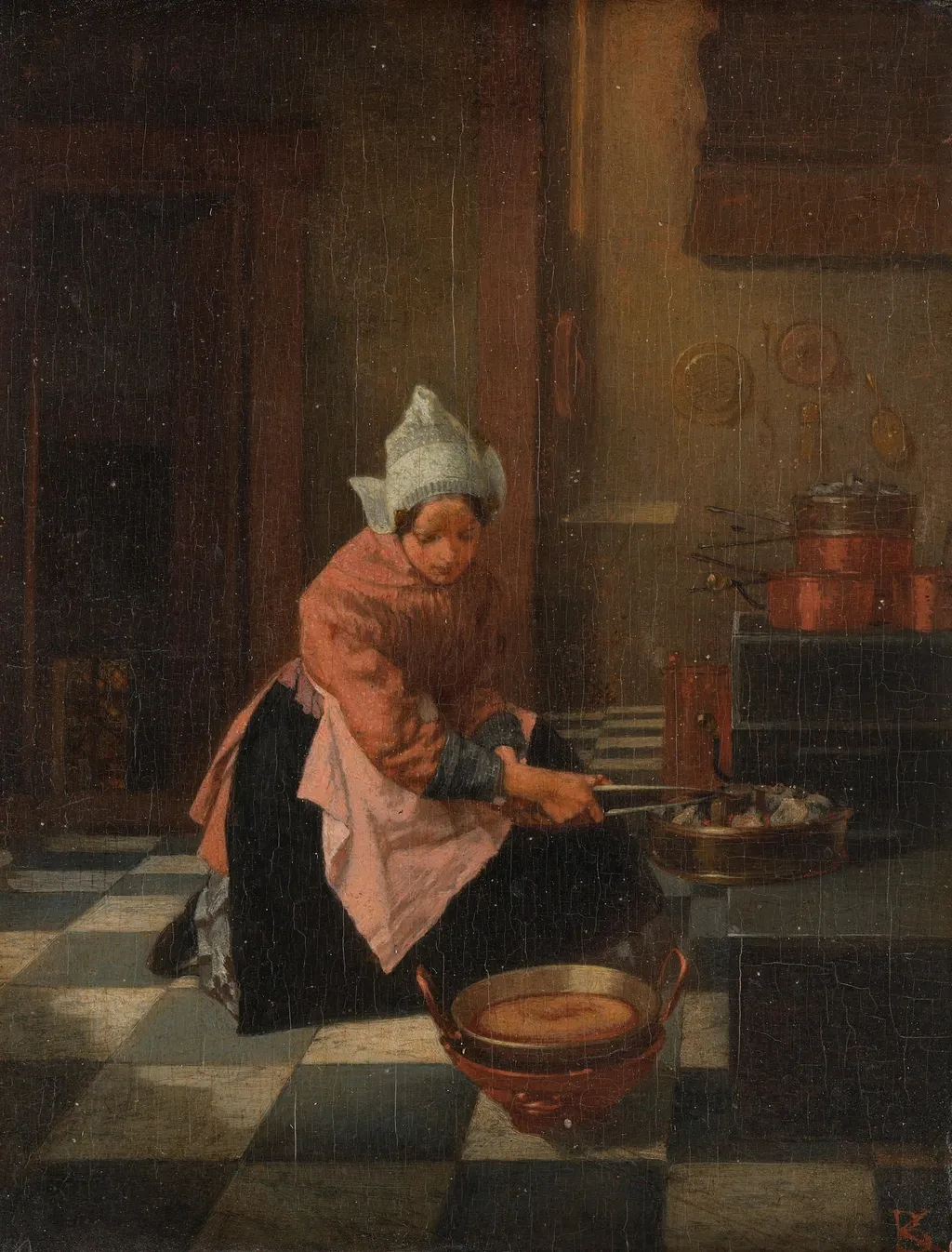
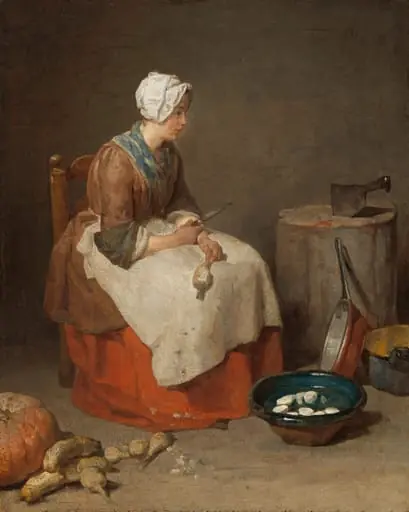
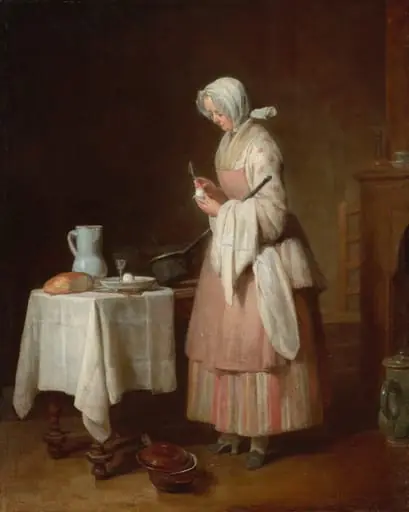
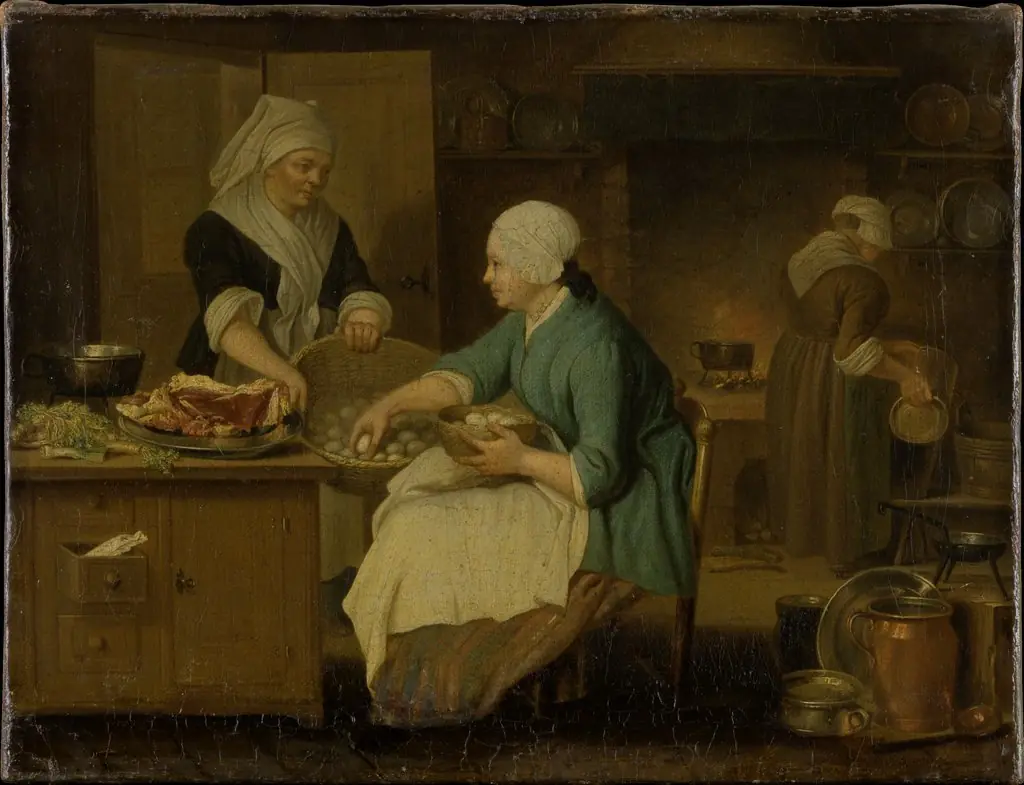
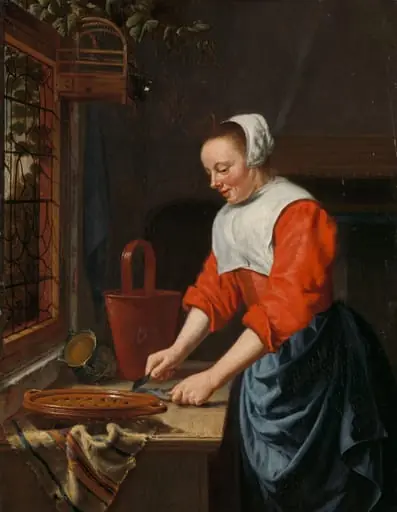
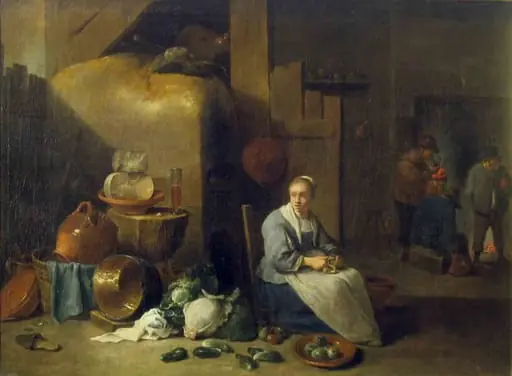
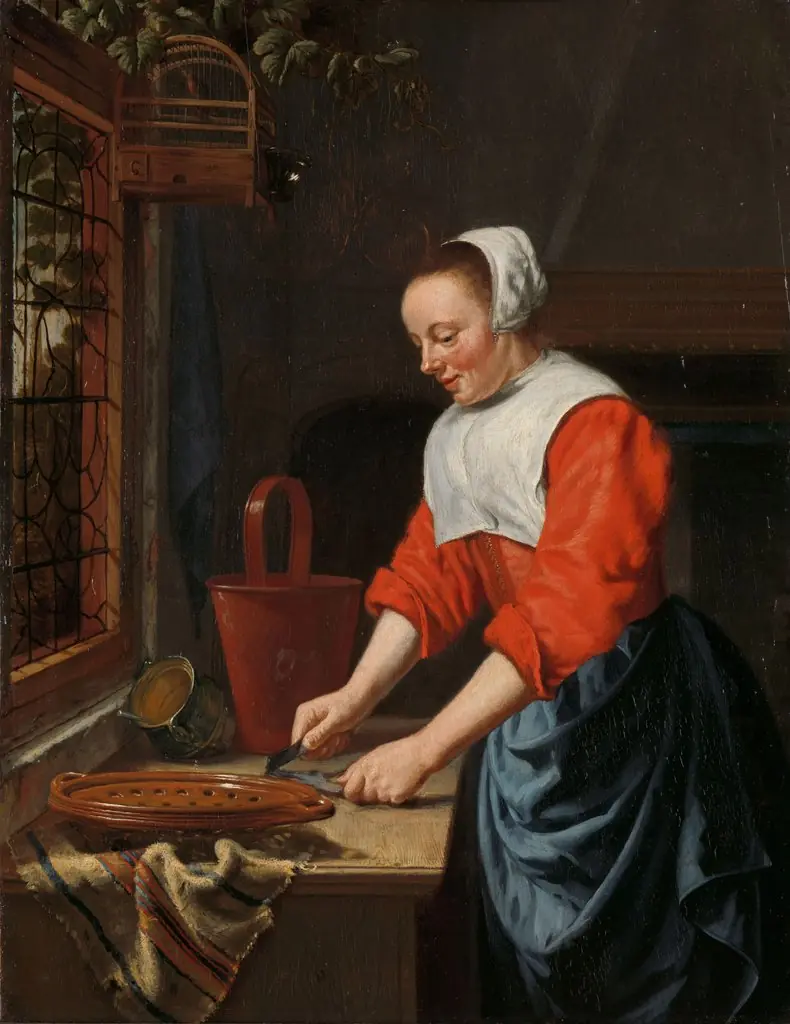
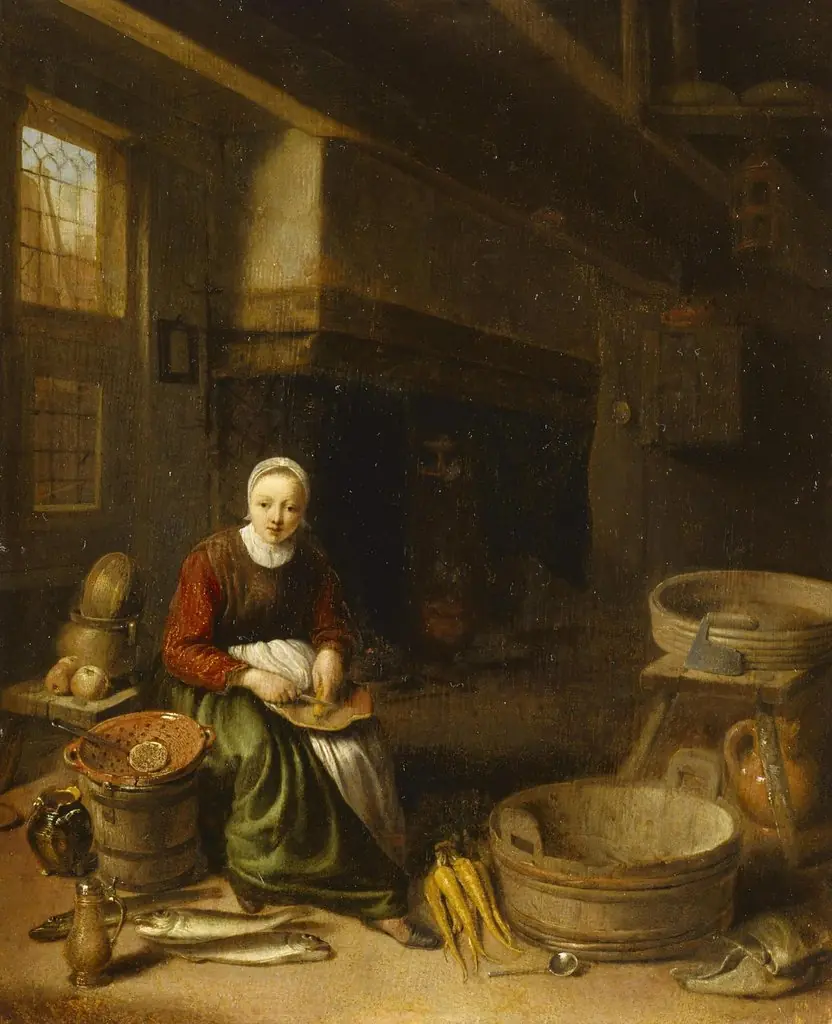
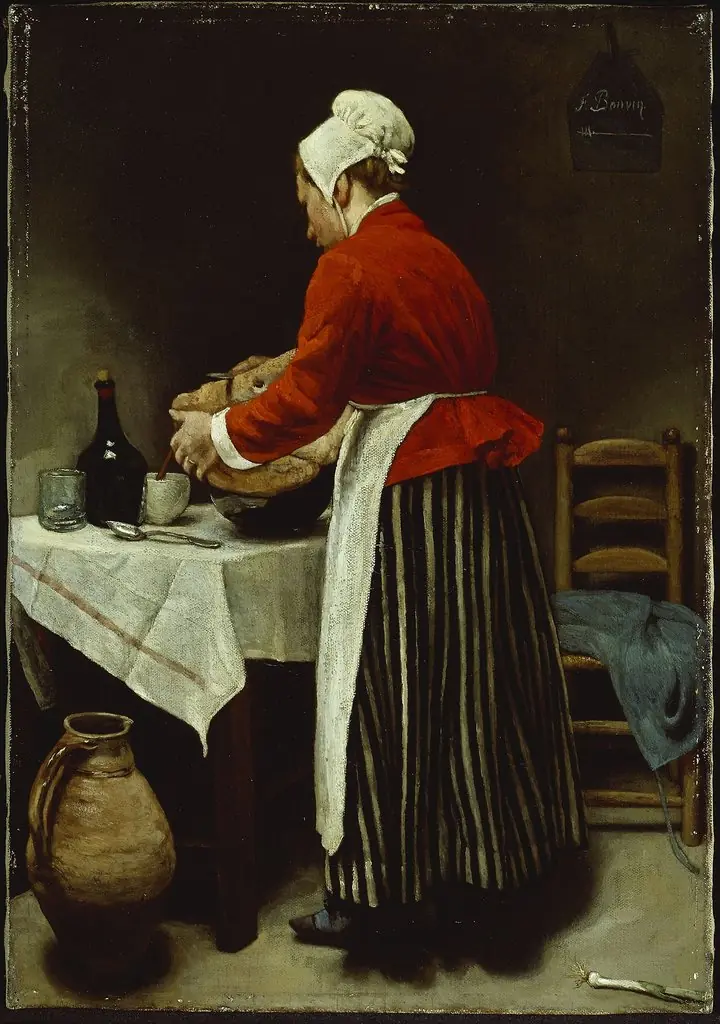
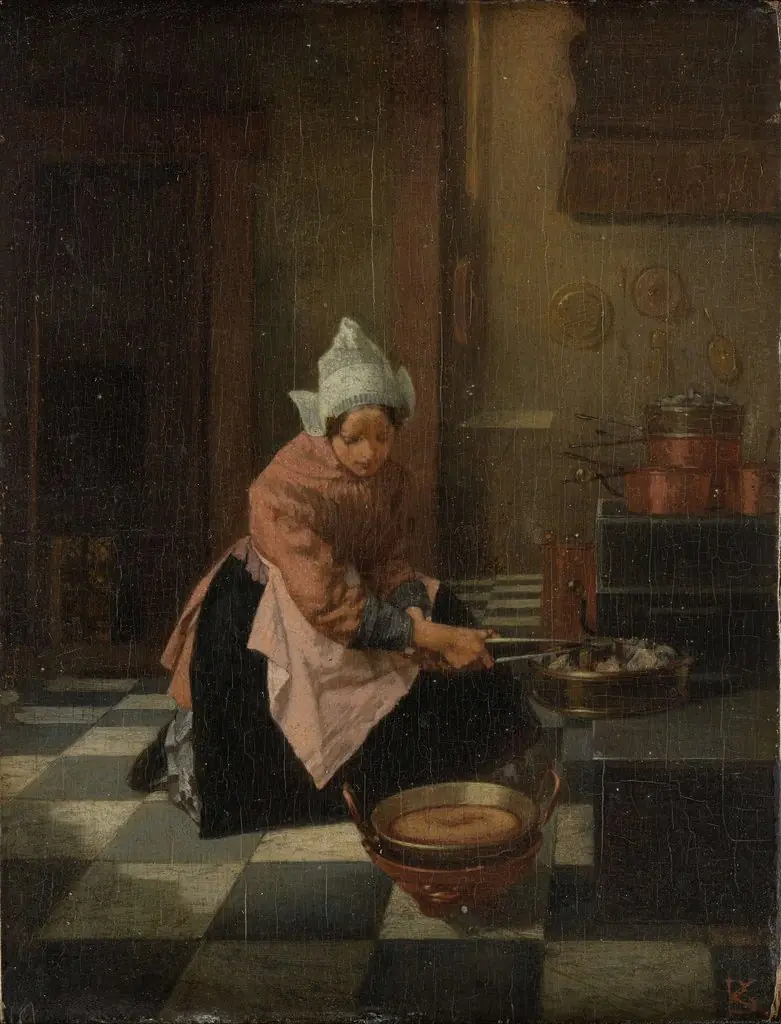
De wafelbakster is an unspecified painting by the Dutch Golden Age artist Unknown. It dates from 1850 and is held in the collection of the Rijksmuseum. This painting depicts a woman preparing waffles in a domestic setting, rendered with meticulous attention to everyday objects.
About this work
Overview
Every element—from the woman’s posture to the floor’s fissures—is treated with equal care, transforming the moment into a study of texture and light.
This painting depicts a woman preparing waffles in a domestic setting, rendered with meticulous attention to everyday objects. Unlike the artist’s other works, it lacks irony or satire, instead focusing on quiet observation. The scene unfolds with no dramatic narrative, emphasizing material presence over action. Every element—from the woman’s posture to the floor’s fissures—is treated with equal care, transforming the moment into a study of texture and light.
Subject & Meaning
The subject is a humble domestic laborer, engaged in the routine task of making waffles. Her crouched form and focused gesture suggest endurance rather than drama. The absence of narrative context or symbolic embellishment directs attention to the act itself. The painting elevates ordinary work not through idealization, but through the intensity of its observation, suggesting dignity in the mundane.
Technique & Style
The artist employs precise brushwork to distinguish the sheen of copper, the weave of linen, and the cool smoothness of marble. Light falls uniformly, revealing subtle variations in surface without dramatic contrasts. There is no chiaroscuro; instead, a steady, even illumination allows each material to assert its physicality. The composition avoids hierarchy, granting equal visual weight to the woman, her tools, and the floor beneath her.
History & Provenance
The painting originates from the artist’s later period, when his focus shifted from social satire to quiet realism. It was likely created for a private collector interested in domestic scenes. Its survival in relatively unchanged condition suggests it was valued for its technical precision rather than its subject matter. No major exhibitions or documented ownership changes are recorded prior to the 20th century.
Context
In the 17th-century Dutch Republic, domestic interiors were increasingly popular subjects, reflecting growing middle-class values. While many artists dramatized such scenes with moralizing elements, this work avoids commentary. Its quiet realism aligns with a broader trend among regional painters who prioritized sensory accuracy over storytelling, capturing the tactile world of everyday life.
Legacy
The painting is recognized for its restrained approach to realism, influencing later artists interested in material fidelity over narrative. It stands apart from the artist’s more satirical works, demonstrating his range. Though not widely exhibited, it remains a reference in studies of texture and light in Dutch genre painting, valued for its unembellished attention to the physical world.
Artist & collection

 Domestic Scene
 Giacomo and Cardinal Marco, investing Andrea, Abbot of San Zeno, with his Benefice
 The Nymph of Fontainebleau
 Portrait of a Woman
 Madonna and Child with Saints in the Enclosed Garden
 Venus and Minerva
 Family Group of Four on Sofa
 Wall painting from Room H of the Villa of P. Fannius Synistor at Boscoreale