Artwork
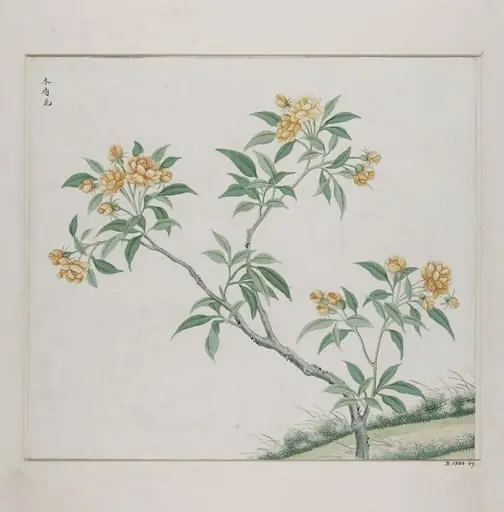
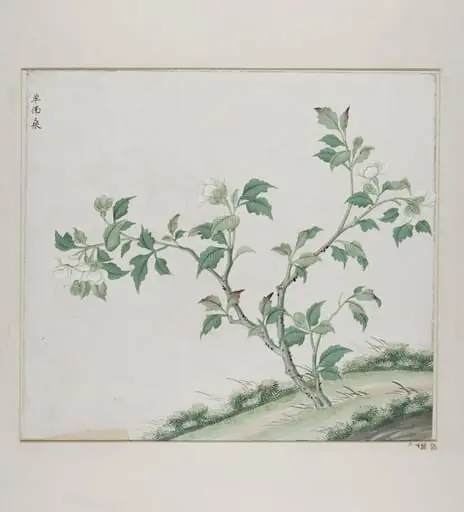
Fragrant glorybower (clerodendrum fragrans), chou mo li
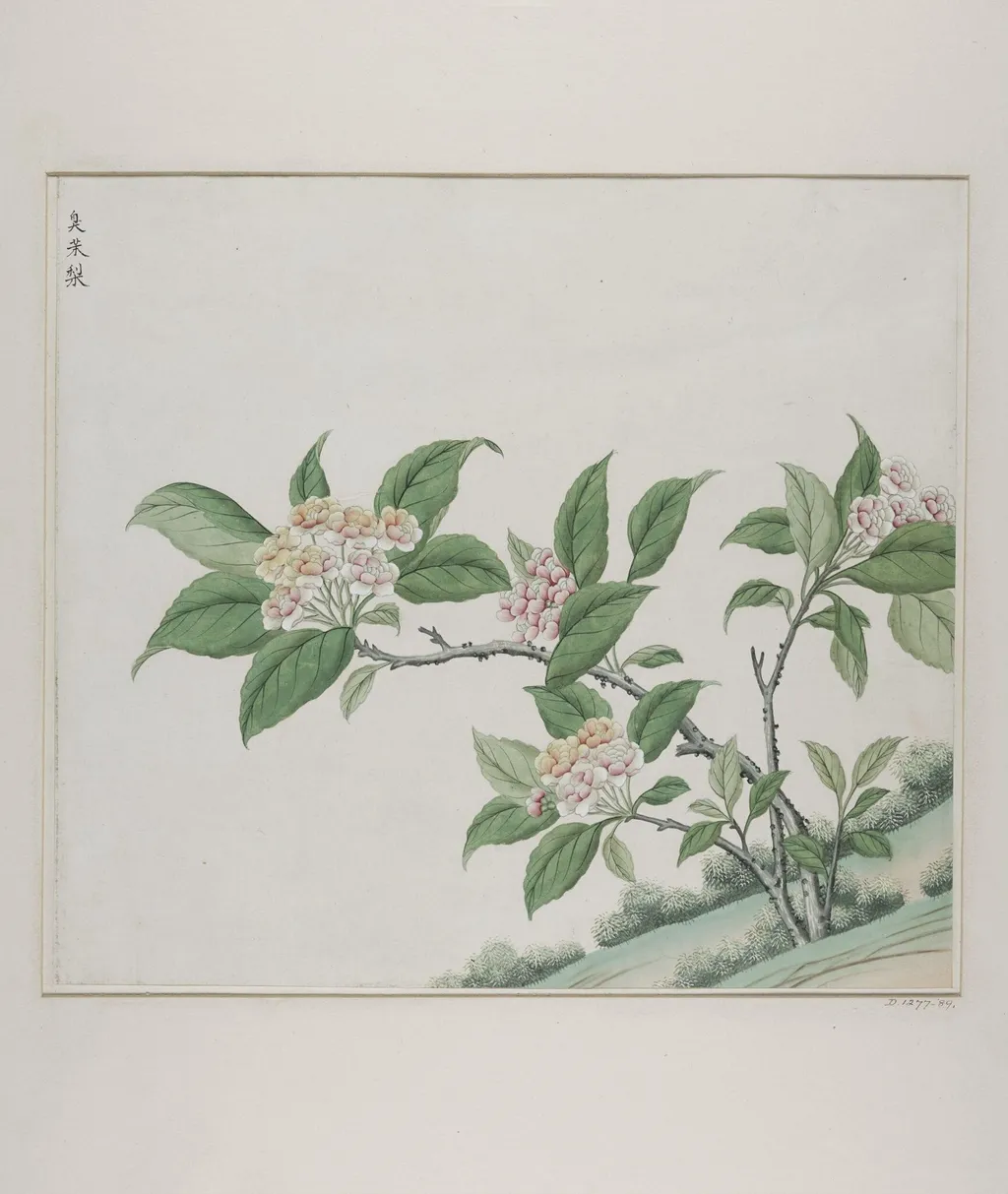
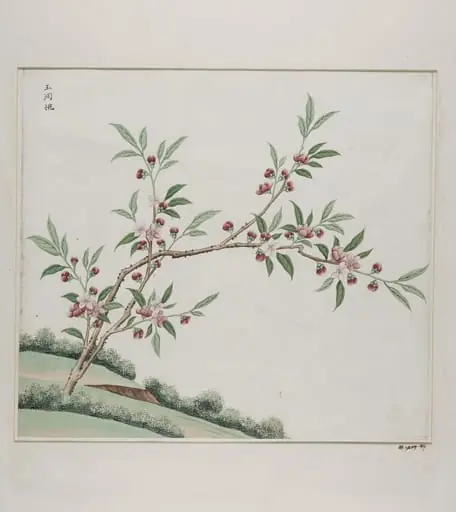
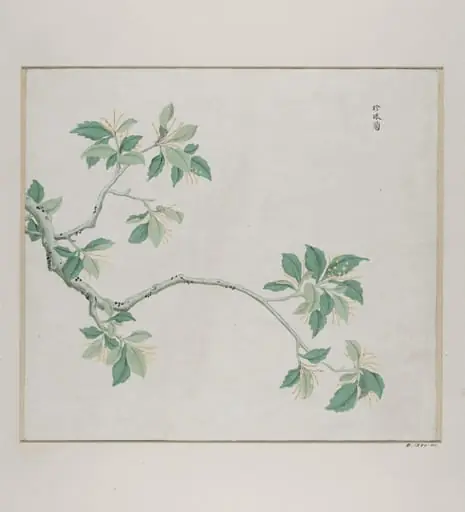
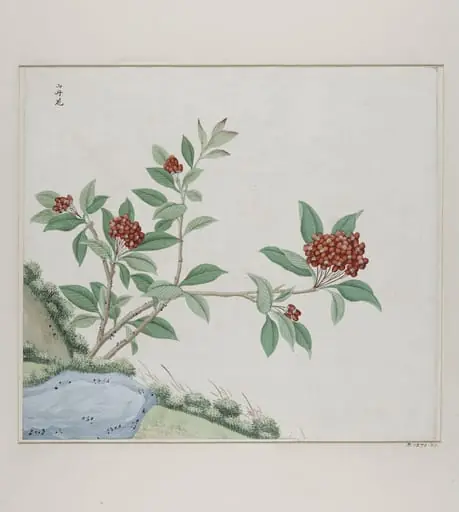
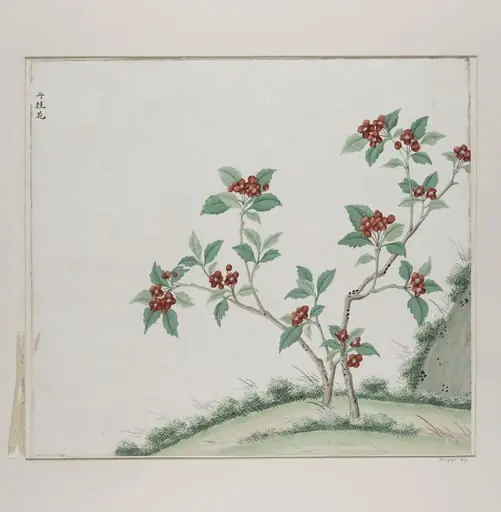
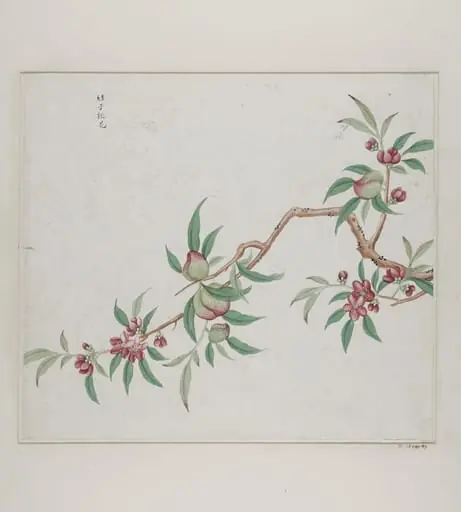
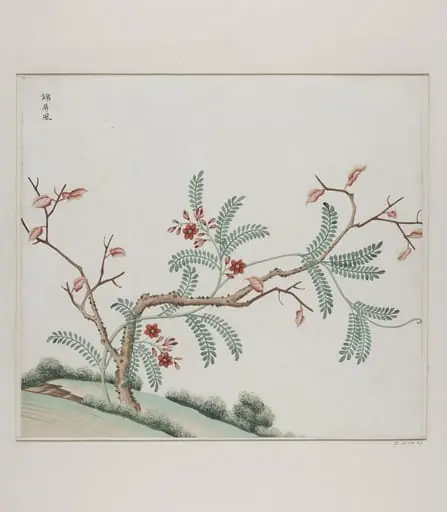
Fragrant glorybower (clerodendrum fragrans), chou mo li is a paint painting by the Rococo painting artist Unknown. It dates from 1780 and is held in the collection of the Victoria and Albert Museum. This rectangular watercolor, dated to 1780, portrays the fragrant glorybower (Clerodendrum fragrans).
About this work
Overview
This rectangular watercolor, dated to 1780, portrays the fragrant glorybower (Clerodendrum fragrans). The composition centers on a single stem bearing oval leaves up to six inches long, each with a pointed tip, rounded base and either smooth or lightly toothed edges. The foliage appears slightly hairy on the underside and is supported by elongated petioles.
Subject & Meaning
The plant’s inflorescences form dense clusters at the tips of the branches. Flowers are rendered in delicate white, tinged faintly pink, with a slender tubular throat and rounded lobes; the stamens extend conspicuously beyond the corolla. A five‑pointed, hairy calyx encloses each bloom, emphasizing the botanical accuracy of the illustration.
Technique & Style
Fine brushwork captures the texture of leaf surfaces and the subtle color gradations of the petals, while transparent washes convey the plant’s natural setting.
Executed in watercolor, the work demonstrates a realistic approach typical of late‑eighteenth‑century botanical illustration. Fine brushwork captures the texture of leaf surfaces and the subtle color gradations of the petals, while transparent washes convey the plant’s natural setting. The artist’s attention to detail reflects the scientific intent of the genre rather than decorative embellishment.
History & Provenance
The painting entered the museum’s collection after being purchased from the dealer E. Parsons in 1889. It is listed in the Asia Department registers and was included in a provenance research project undertaken in 2022. Botanical records note that the roots of Clerodendrum fragrans have historically been employed in treatments for skin ailments.
Artist & collection

 Domestic Scene
 Giacomo and Cardinal Marco, investing Andrea, Abbot of San Zeno, with his Benefice
 The Nymph of Fontainebleau
 Portrait of a Woman
 Madonna and Child with Saints in the Enclosed Garden
 Venus and Minerva
 Family Group of Four on Sofa
 Wall painting from Room H of the Villa of P. Fannius Synistor at Boscoreale