Artwork
H Beard Print Collection
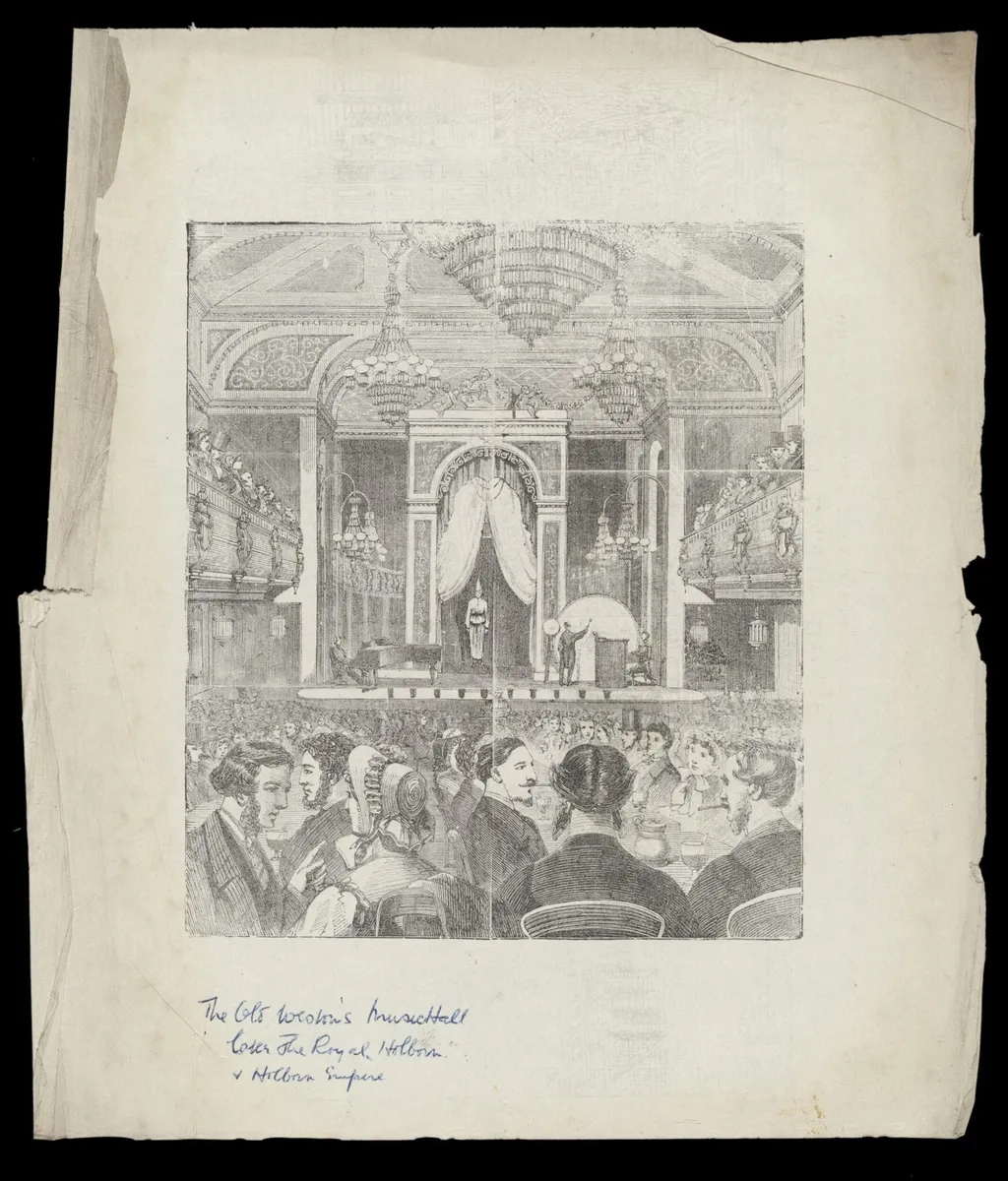
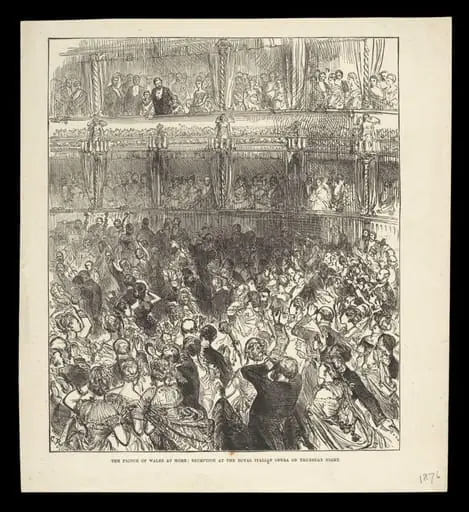
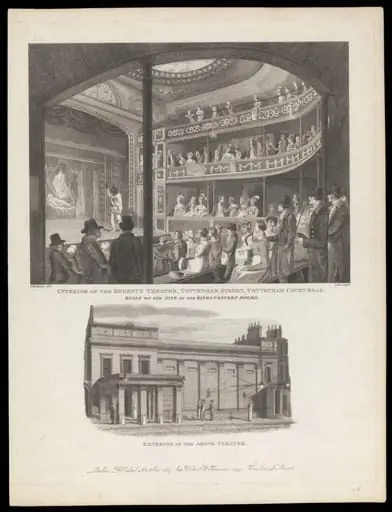
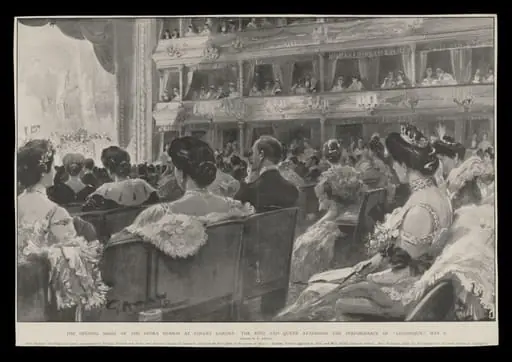
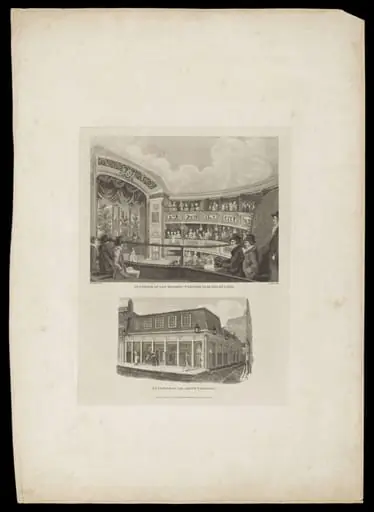
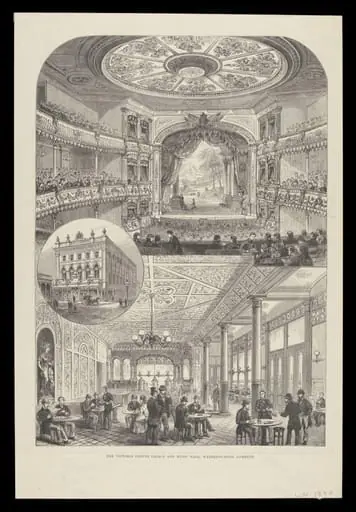
H Beard Print Collection is a print by the Impressionist artist Unknown. It dates from 1897 and is held in the collection of the Victoria and Albert Museum. This double-sided print presents two distinct urban scenes from 16th- and 19th-century London.
About this work
Overview
This double-sided print presents two distinct urban scenes from 16th- and 19th-century London.
This double-sided print presents two distinct urban scenes from 16th- and 19th-century London. One side depicts the Old London Bridge as it appeared during Queen Elizabeth I’s reign, while the reverse shows the interior of Weston’s Music Hall, a popular entertainment venue later known as the Royal Holborn and Holborn Empire. The print serves as a visual record of two significant London landmarks across centuries.
Subject & Meaning
The two images contrast historical continuity and cultural change. The bridge, a medieval structure still in use in the 1500s, symbolizes enduring civic life. The music hall interior, from a much later period, reflects the rise of public entertainment in industrial London. Together, they frame shifting social spaces—public infrastructure and commercial leisure—across three centuries of urban development.
Technique & Style
Executed as a printed image, likely an engraving or lithograph, the work uses fine linear detail to render architectural elements and crowd scenes. The bridge side emphasizes structural solidity and atmospheric perspective, while the music hall interior captures intimate, crowded activity with careful attention to period dress and stage layout. Both sides employ conventional topographical conventions of their respective eras.
History & Provenance
The print originates from the H. Beard Print Collection, a 19th-century compilation of London views and theatrical imagery. Its dual imagery suggests it was produced as a keepsake or educational item, possibly for collectors interested in London’s evolving landscape. The collection was later acquired by the Victoria and Albert Museum, where it remains part of its graphic arts holdings.
Context
During Queen Elizabeth’s reign, Old London Bridge was the only crossing over the Thames, lined with buildings and bustling with trade. By the 1800s, Weston’s Music Hall represented the new culture of urban leisure, where working-class audiences gathered for song, comedy, and spectacle. The print bridges these two eras, offering a snapshot of London’s transformation from medieval commerce to Victorian mass entertainment.
Legacy
As a historical document, the print preserves visual records of structures and social habits now vanished. The bridge was demolished in 1831, and the music hall closed in the 20th century. The print’s survival in institutional collections ensures continued access to these lost environments, supporting scholarly study of urban life and popular culture in London across centuries.
Artist & collection

 Domestic Scene
 Giacomo and Cardinal Marco, investing Andrea, Abbot of San Zeno, with his Benefice
 The Nymph of Fontainebleau
 Portrait of a Woman
 Madonna and Child with Saints in the Enclosed Garden
 Venus and Minerva
 Family Group of Four on Sofa
 Wall painting from Room H of the Villa of P. Fannius Synistor at Boscoreale