Artwork
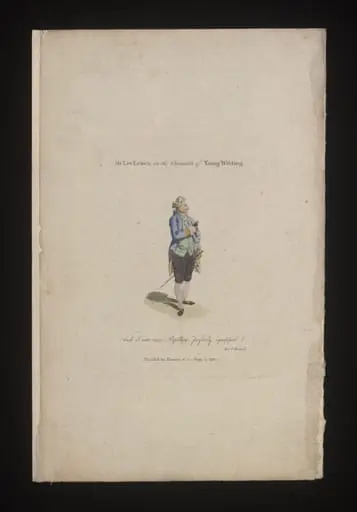
Mr Lee Lewes in the character of Mercury
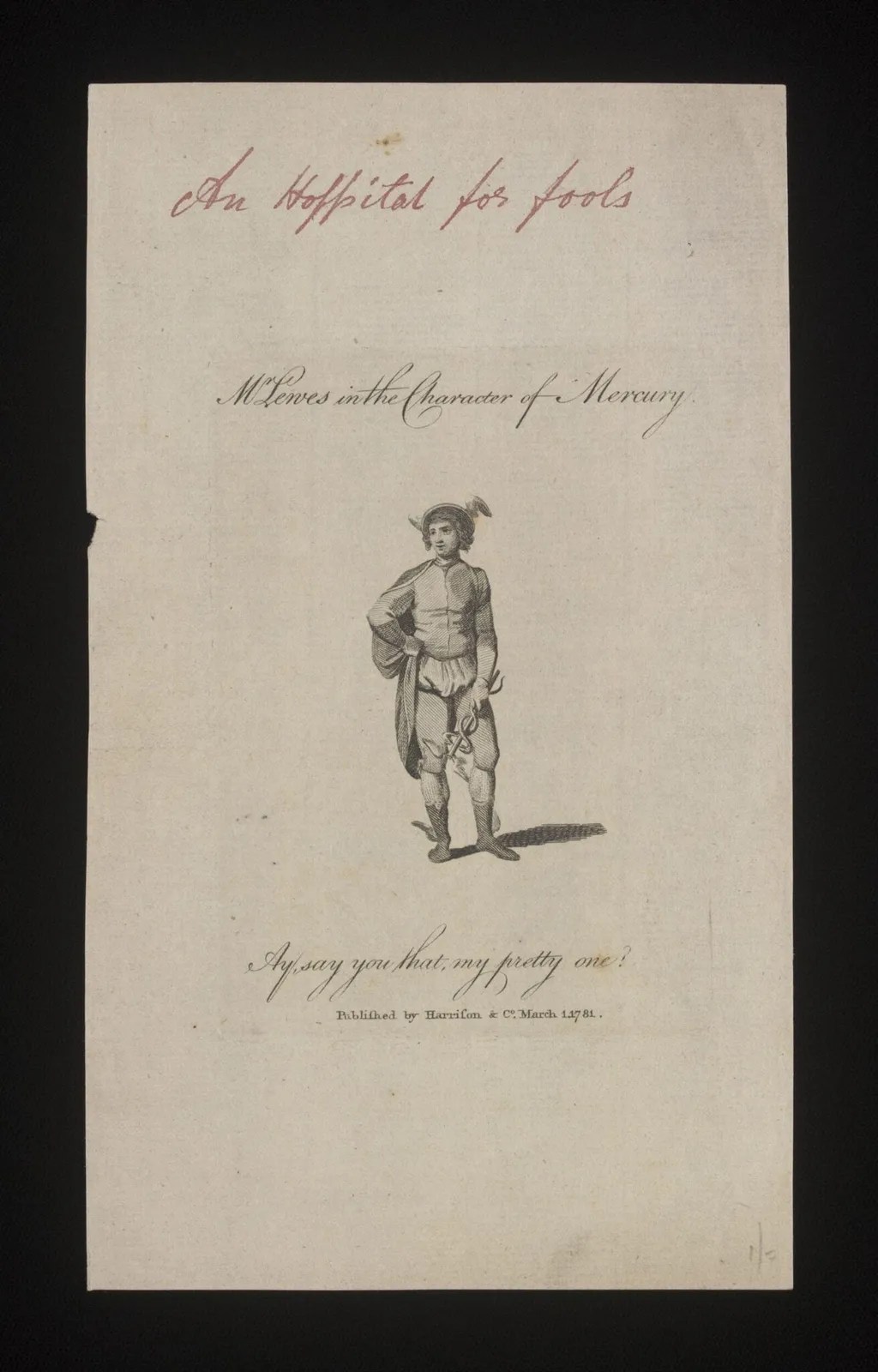
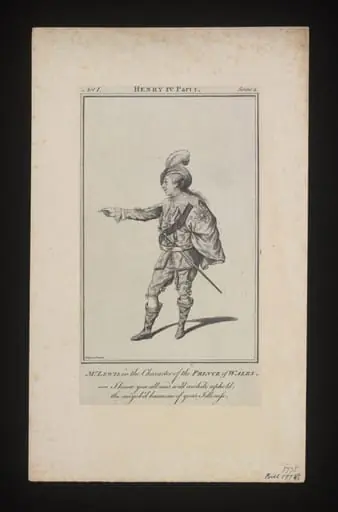
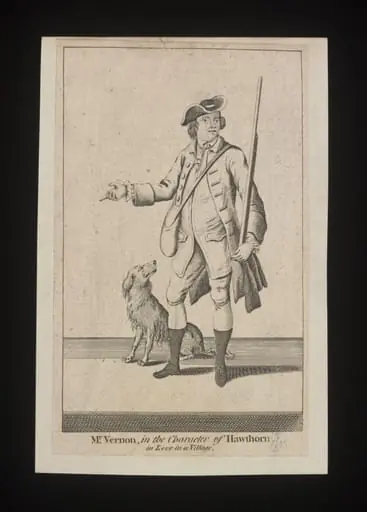
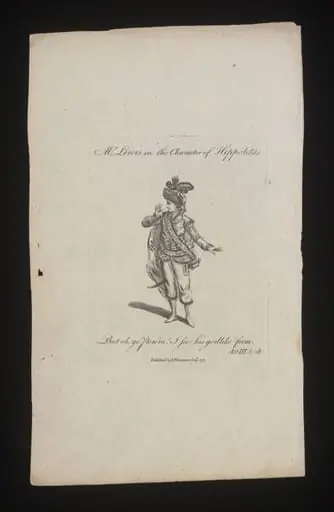
Mr Lee Lewes in the character of Mercury is a print by the Romanticist artist Unknown. It dates from 1 and is held in the collection of the Victoria and Albert Museum. A printed image from March 1781 captures actor Lee Lewes portraying Mercury in the comedic play An Hospital for Fools.
About this work
Overview
A printed image from March 1781 captures actor Lee Lewes portraying Mercury in the comedic play An Hospital for Fools. Published by Harrison & Co. in London, the print belongs to the Harry Beard Collection. It reflects the popularity of theatrical imagery in print form during the late 18th century, serving as both promotional material and cultural documentation of stage performance.
Subject & Meaning
The role likely served a satirical function within the play, using mythological symbolism to underscore themes of deception or fleeting wit.
Lee Lewes is depicted as Mercury, the Roman god of communication and travel, identifiable by his winged helmet and staff. The role likely served a satirical function within the play, using mythological symbolism to underscore themes of deception or fleeting wit. The portrayal blends classical iconography with contemporary theater, turning a comedic character into a recognizable, almost caricatured figure for public consumption.
Technique & Style
The print employs line engraving, typical of theatrical portraiture of the period, with crisp contours and subtle tonal gradations to suggest volume and fabric. While not using chiaroscuro in the painterly sense, it relies on contrast between light and shadow to define form and costume details, enhancing the theatricality of the figure without overt naturalism.
History & Provenance
Produced by Harrison & Co., a known publisher of theatrical prints, the image was released shortly after the play’s debut. Its survival in the Harry Beard Collection indicates it was preserved as part of a broader archive of British stage history. Such prints were often sold to theatergoers as souvenirs, linking popular entertainment with the emerging print culture of Georgian London.
Context
In the 1780s, London’s theater scene thrived with comedies that mixed mythological allusions with social satire. Prints like this one circulated widely, allowing audiences to revisit performances beyond the stage. The depiction of actors in costume helped blur the line between public persona and character, reinforcing the celebrity culture emerging around performers of the time.
Legacy
This print contributes to the historical record of 18th-century British theater, illustrating how performance was commodified and disseminated through print. It remains a tangible artifact of how mythological figures were repurposed for comedic effect, and how actors like Lewes became visual icons through mass-produced imagery, predating modern celebrity portraiture.
Artist & collection

 Domestic Scene
 Giacomo and Cardinal Marco, investing Andrea, Abbot of San Zeno, with his Benefice
 The Nymph of Fontainebleau
 Portrait of a Woman
 Madonna and Child with Saints in the Enclosed Garden
 Venus and Minerva
 Family Group of Four on Sofa
 Wall painting from Room H of the Villa of P. Fannius Synistor at Boscoreale