Artwork
Peisaj cu copaci și pod ; Peisaj cu copaci și ruine antice
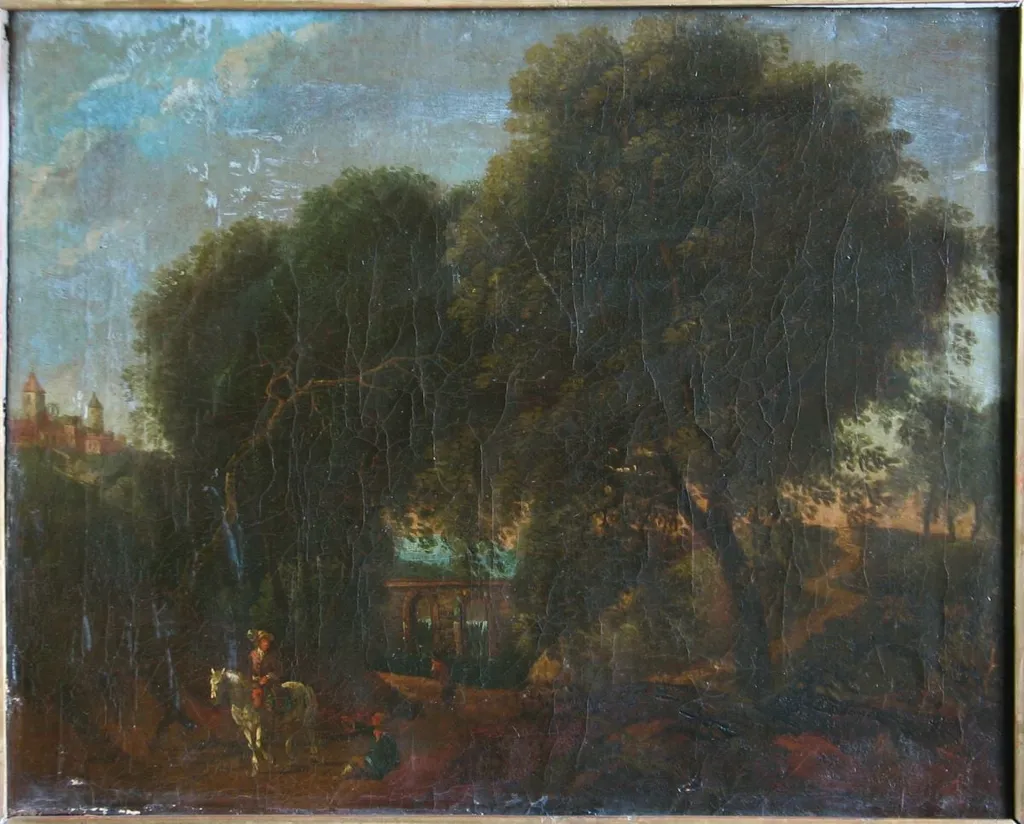
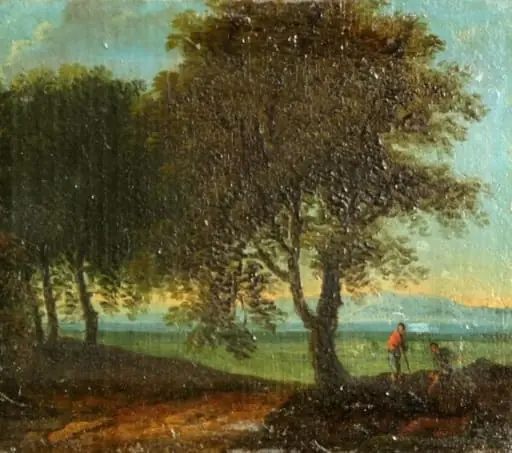
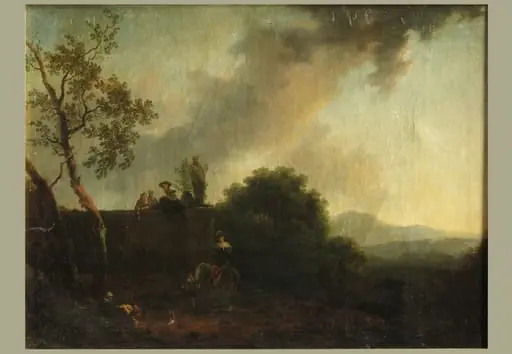
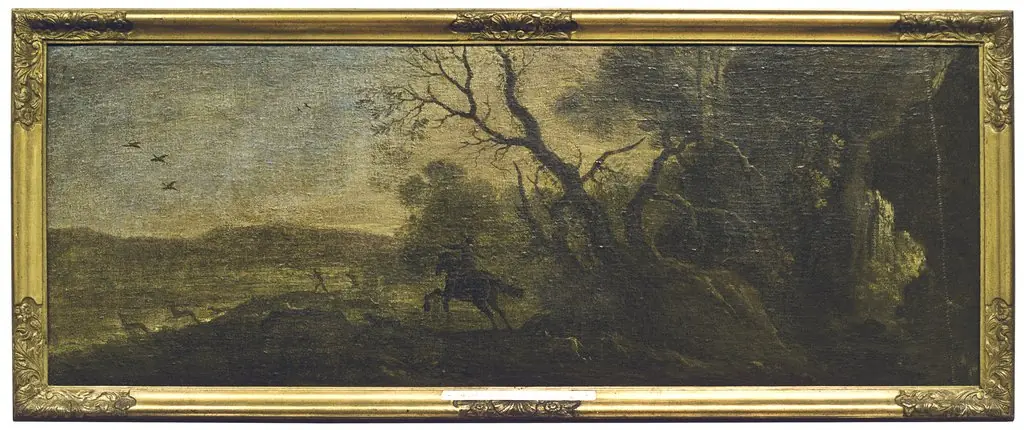
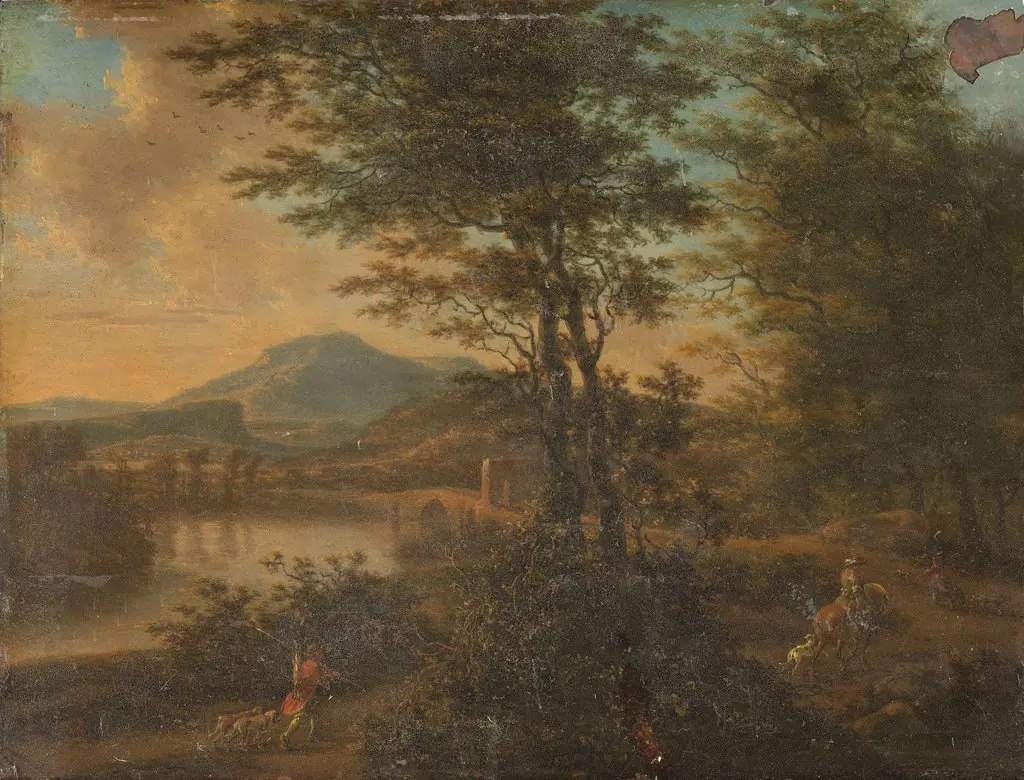
Peisaj cu copaci și pod ; Peisaj cu copaci și ruine antice is an unspecified painting by the Baroque artist Unknown. It dates from 1699 and is held in the collection of the Brukenthal National Museum. The work presents a tranquil rural landscape dominated by a cluster of trees and an aged bridge spanning a waterway.
About this work
Overview
The work presents a tranquil rural landscape dominated by a cluster of trees and an aged bridge spanning a waterway. In the distance, modest structures rise against a pale blue sky dotted with light clouds. Figures populate the scene: a rider on horseback, a seated woman, and a few passersby on the bridge, lending a subtle narrative to the otherwise serene setting.
Subject & Meaning
The composition juxtaposes natural and built elements, suggesting a harmonious coexistence between humanity and the countryside. The presence of the bridge and the figures implies movement and connection, while the calm foliage and open sky evoke a sense of peaceful permanence. The painting invites contemplation of everyday rural life and the quiet rhythms of the landscape.
Technique & Style
Rendered with a restrained palette of greens, blues, and earth tones, the artist employs layered brushwork to convey foliage texture and atmospheric depth.
Rendered with a restrained palette of greens, blues, and earth tones, the artist employs layered brushwork to convey foliage texture and atmospheric depth. Linear perspective guides the eye toward the background structures, while subtle variations in color create a sense of distance. The treatment of light on the sky and water reflects a measured, naturalistic approach typical of 19th‑century landscape painting.
History & Provenance
The piece, catalogued under the titles "Peisaj cu copaci și pod" and "Peisaj cu copaci și ruine antice," is documented as an image medium. Its origin, creator, and acquisition history remain unspecified in available records, limiting precise attribution but situating it within a broader tradition of Eastern European landscape art.
Artist & collection

 Domestic Scene
 Giacomo and Cardinal Marco, investing Andrea, Abbot of San Zeno, with his Benefice
 The Nymph of Fontainebleau
 Portrait of a Woman
 Madonna and Child with Saints in the Enclosed Garden
 Venus and Minerva
 Family Group of Four on Sofa
 Wall painting from Room H of the Villa of P. Fannius Synistor at Boscoreale