Artwork
Peter Paul Rubens mit seinem Sohn Albert
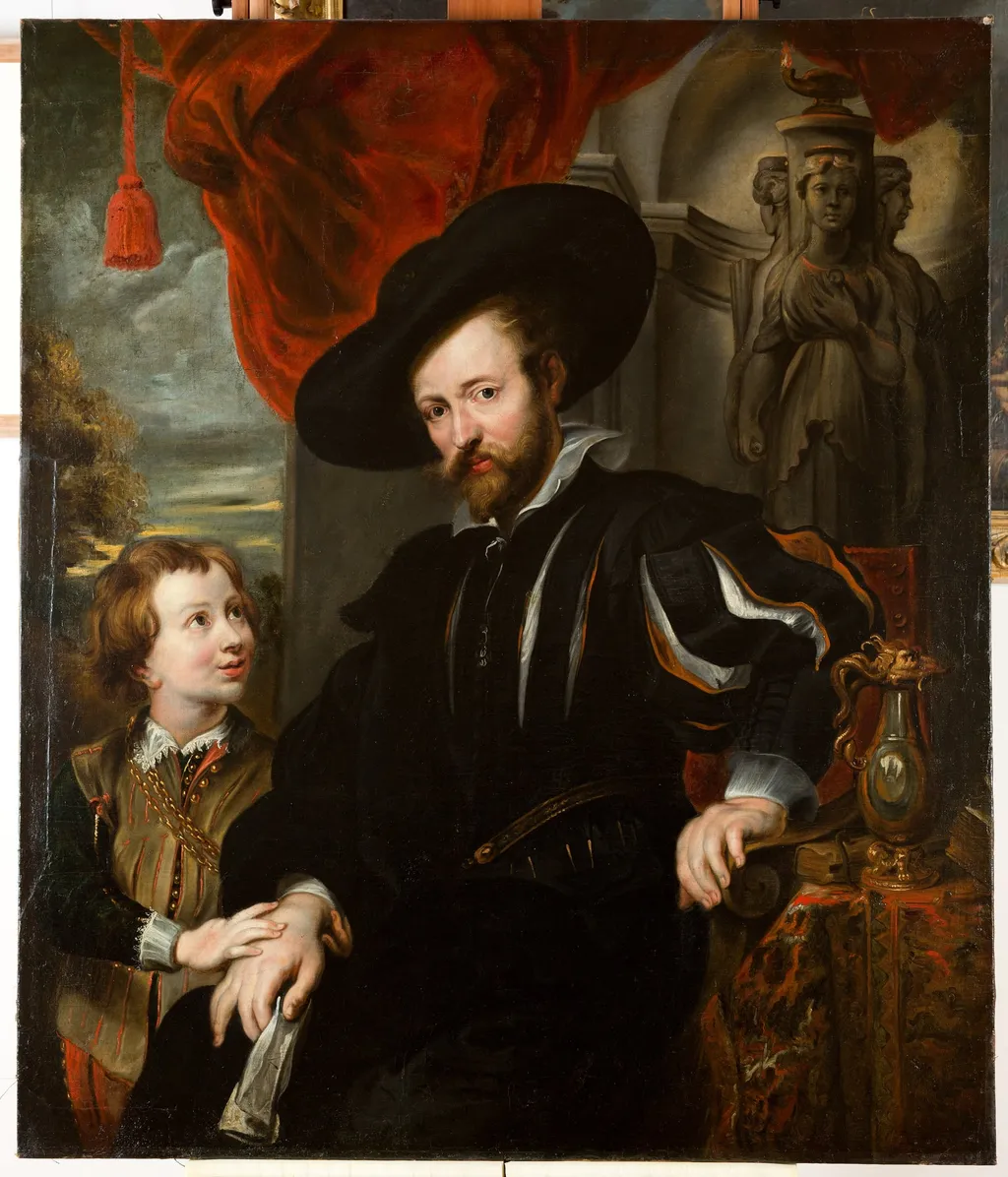
Peter Paul Rubens mit seinem Sohn Albert is a drawing by Unknown. It dates from 1550 and is held in the collection of the Art Collection of the University Göttingen. This drawing portrays Peter Paul Rubens alongside his son Albert, captured in an intimate, unposed moment.
About this work
Overview
This drawing portrays Peter Paul Rubens alongside his son Albert, captured in an intimate, unposed moment. Though the artist remains unidentified, the choice to depict Rubens not at work but as a father suggests a personal admiration for the painter beyond his public reputation. The medium is a hand-drawn image, likely executed in ink or chalk, with attention to subtle tonal modeling.
Subject & Meaning
The scene presents Rubens not as a celebrated master but as a private figure engaged with his child. This domestic portrayal contrasts with his typical grand historical or mythological compositions, offering a humanizing glimpse into his family life. The focus on paternity may reflect the artist’s interest in Rubens’ personal identity, not just his artistic legacy.
Technique & Style
The drawing employs delicate line work and controlled shading, possibly using cross-hatching to suggest volume and texture. The figures are rendered with quiet precision, avoiding theatricality. The composition is intimate, with minimal background detail, directing attention to the interaction between father and son and the softness of their posture.
History & Provenance
The drawing’s origins are undocumented, with no clear record of its creation date or early ownership. It likely emerged in the decades following Rubens’ death, among collectors or admirers preserving his image. Its survival suggests it was valued as a personal relic rather than a formal portrait, possibly kept in private collections.
Context
In early 17th-century Flanders, depictions of artists in domestic settings were rare. Most portraits emphasized status or profession. This drawing stands apart by prioritizing familial tenderness, aligning with a growing interest in the private lives of public figures during the period, though such subjects remained uncommon in visual art.
Legacy
Though unsigned and unattributed, the drawing contributes to the visual memory of Rubens beyond his paintings. It offers a rare, non-official image of him as a father, enriching biographical understanding. Its existence underscores how personal admiration shaped the preservation of artistic legacies in the absence of photography.
Artist & collection
Museum
Art Collection of the University Göttingen
Continue through works from the same source collection.
 Domestic Scene
 Giacomo and Cardinal Marco, investing Andrea, Abbot of San Zeno, with his Benefice
 The Nymph of Fontainebleau
 Portrait of a Woman
 Madonna and Child with Saints in the Enclosed Garden
 Venus and Minerva
 Family Group of Four on Sofa
 Wall painting from Room H of the Villa of P. Fannius Synistor at Boscoreale
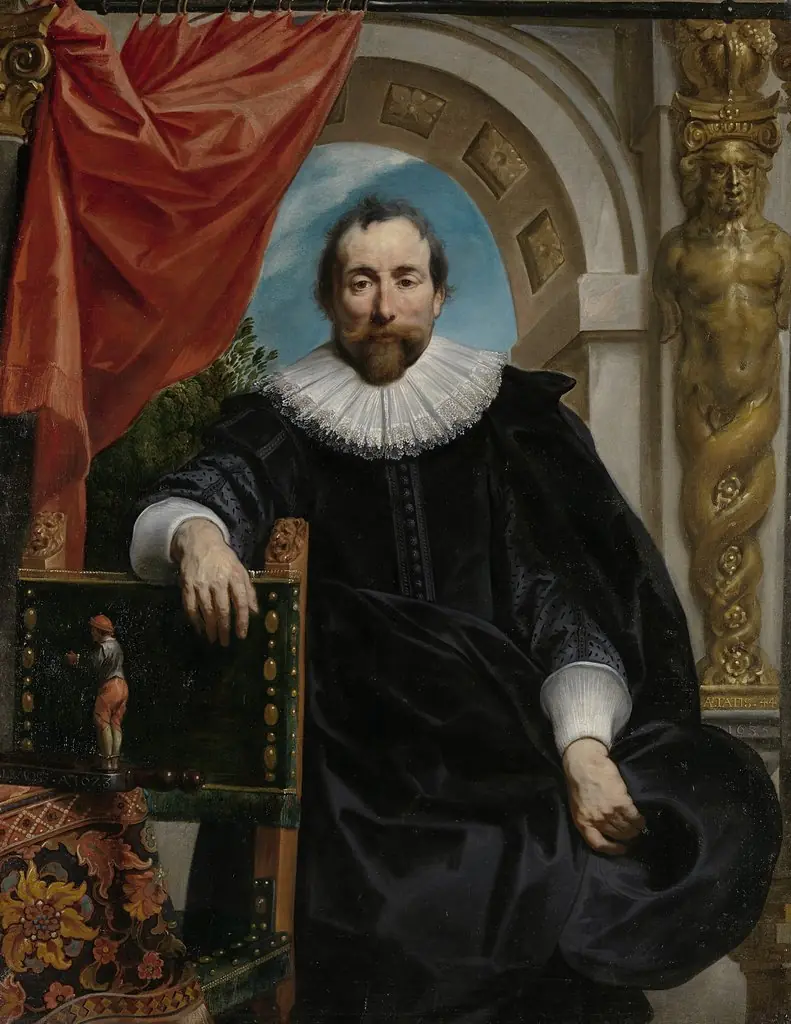 Portrait of Rogier Le Witer (1591-1678), Merchant in Antwerp
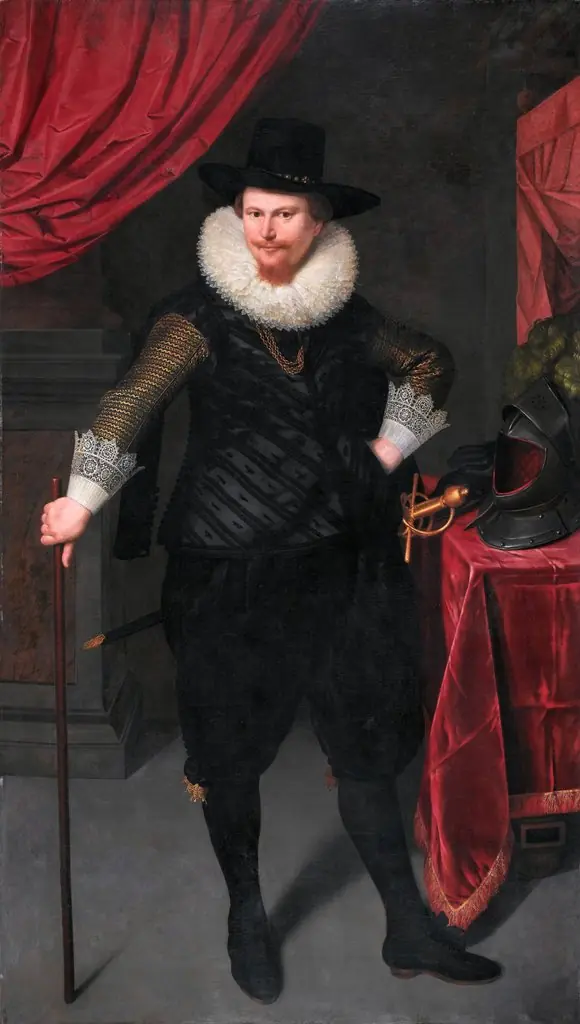 Portrait of Laurens Reael
 Portrait of Laurens Reael
 Four Philosophers
 Untitled
 Portrait of a Man
 Portrait of a Member of the Lyskirchen Family
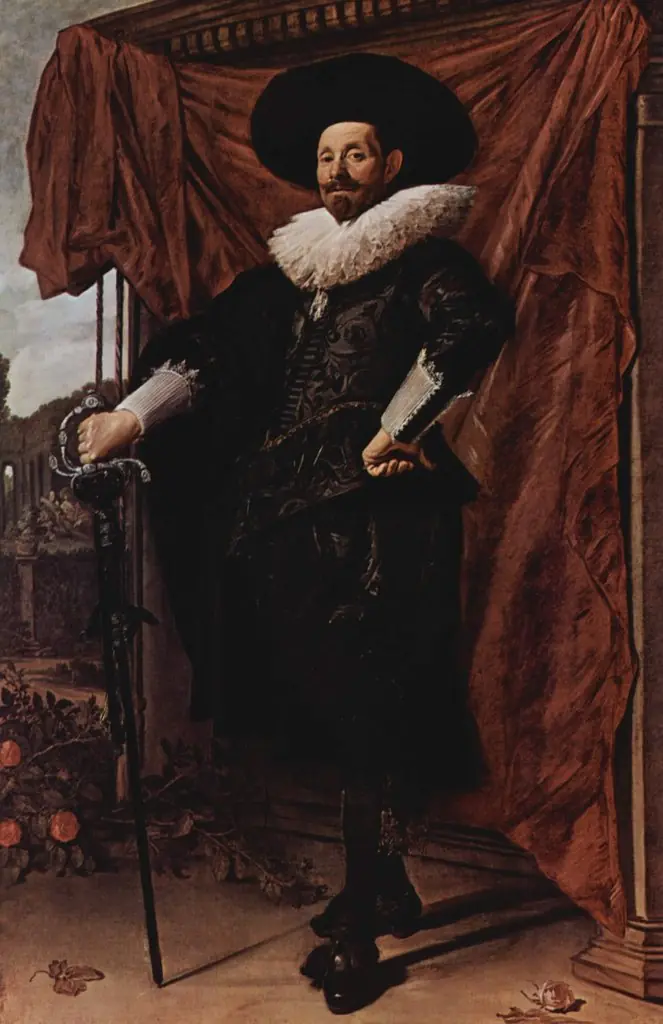 Willem van Heythuysen posing with a sword
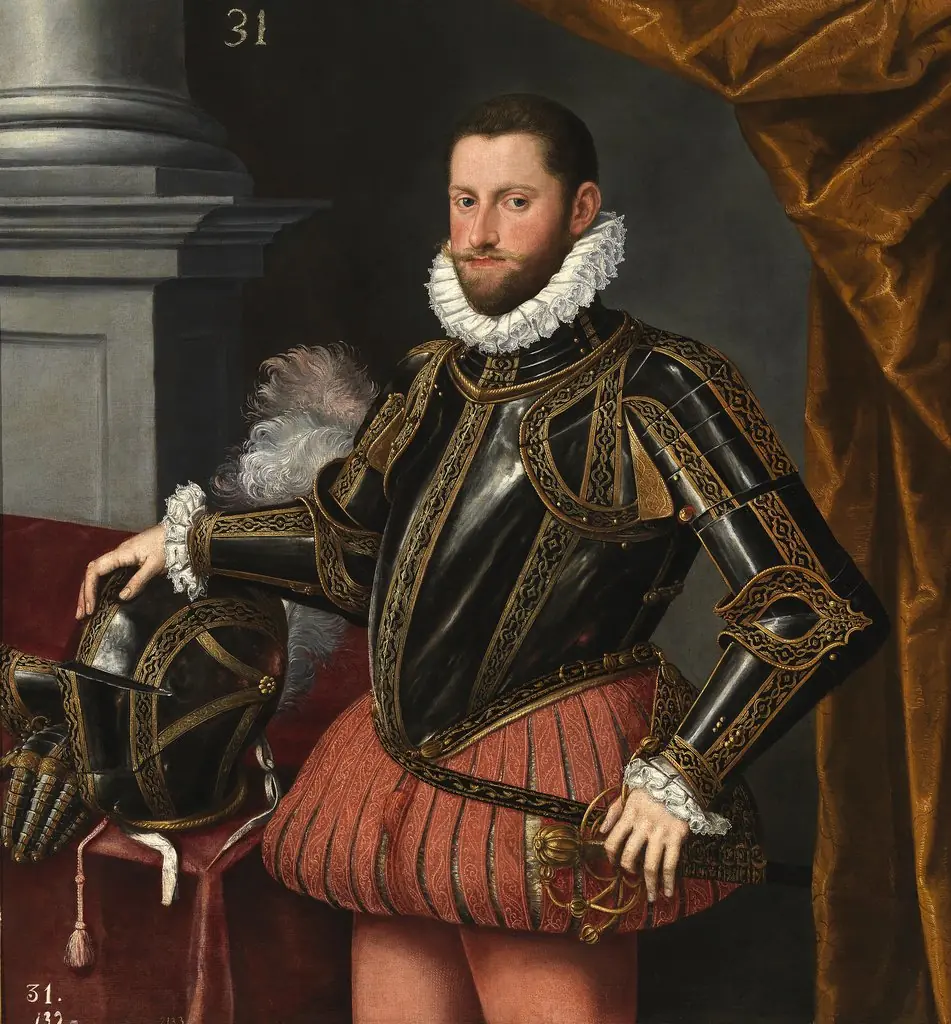 El archiduque Diego Ernesto de Austria
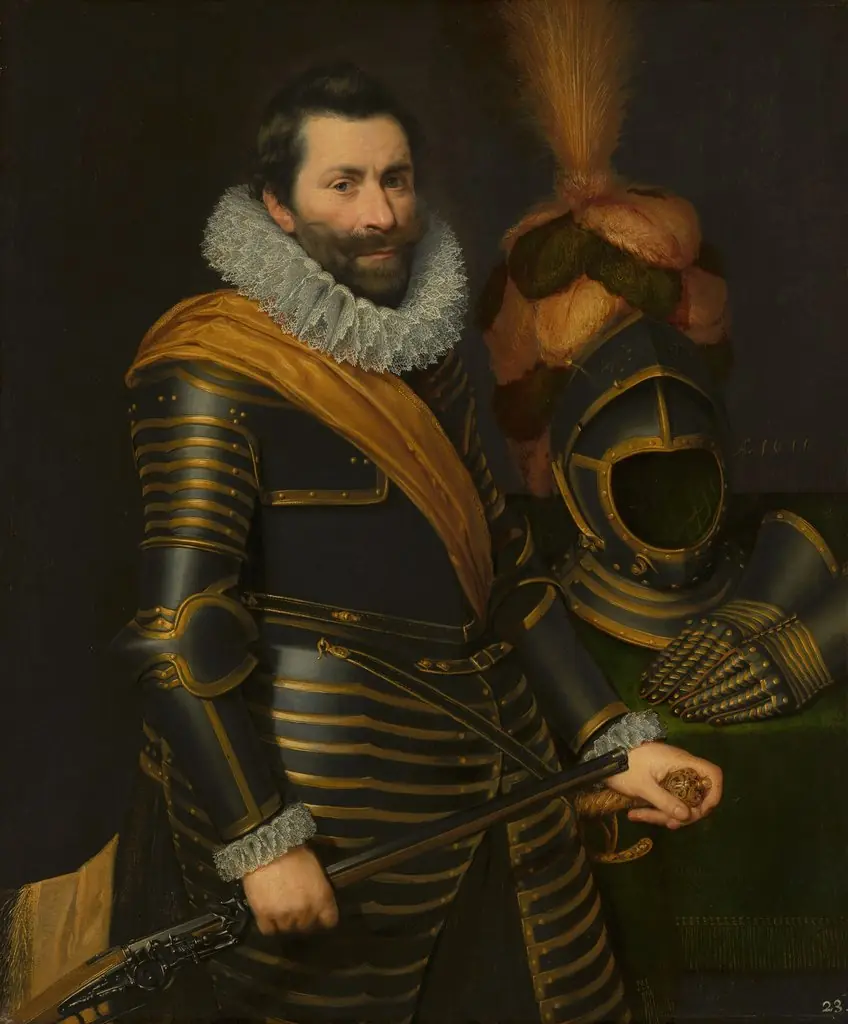 Portrait of an unknown man
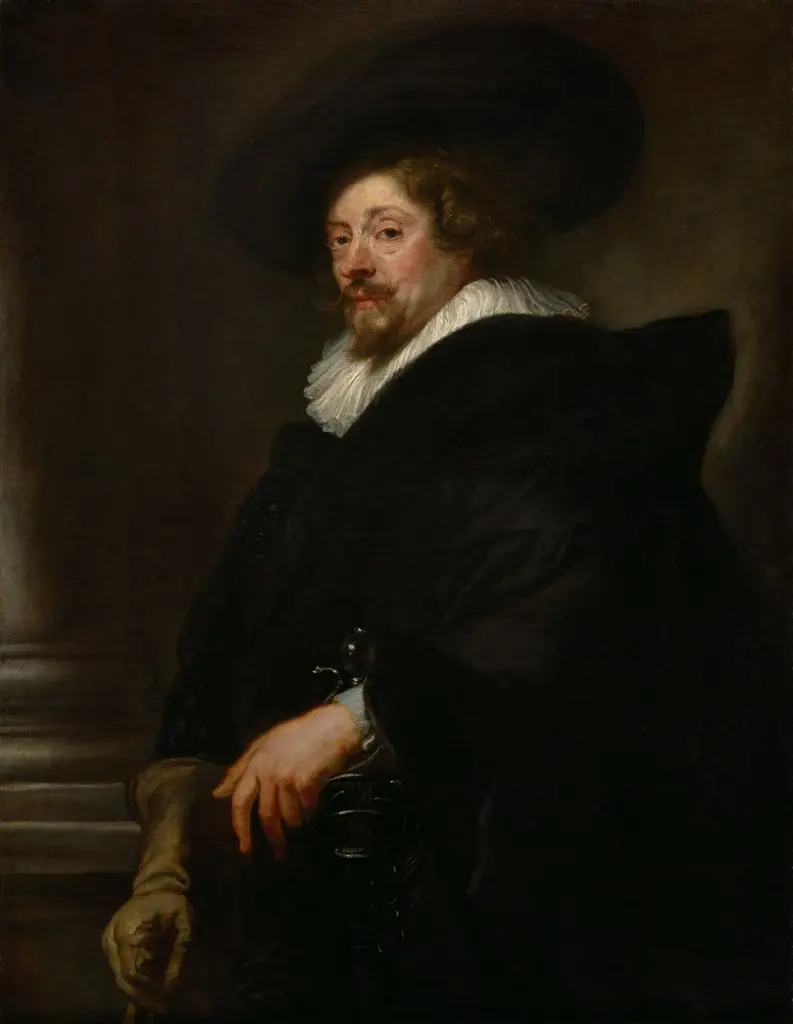 Self-portrait
 Portrait of Francesco Maria II della Rovere