Artwork
Portrait of a Man with a White Ruff
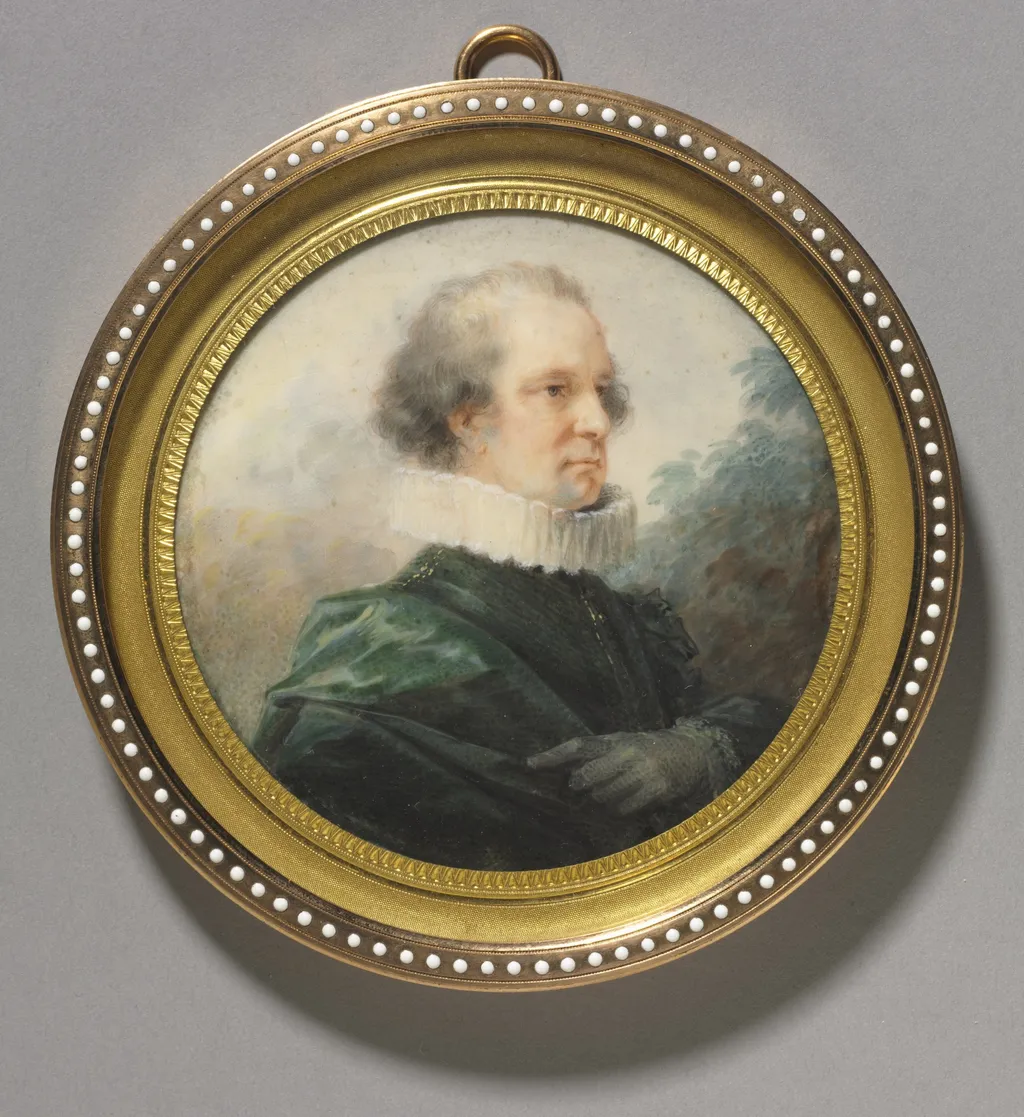
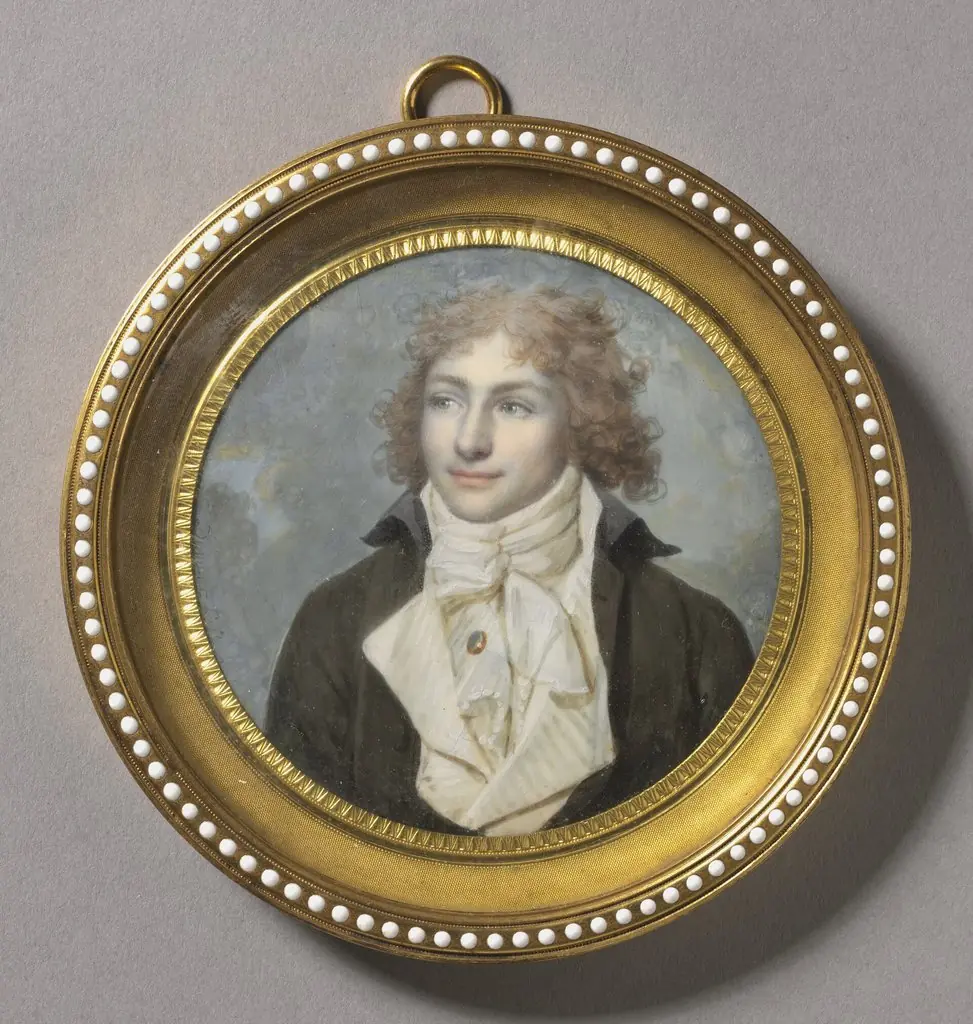
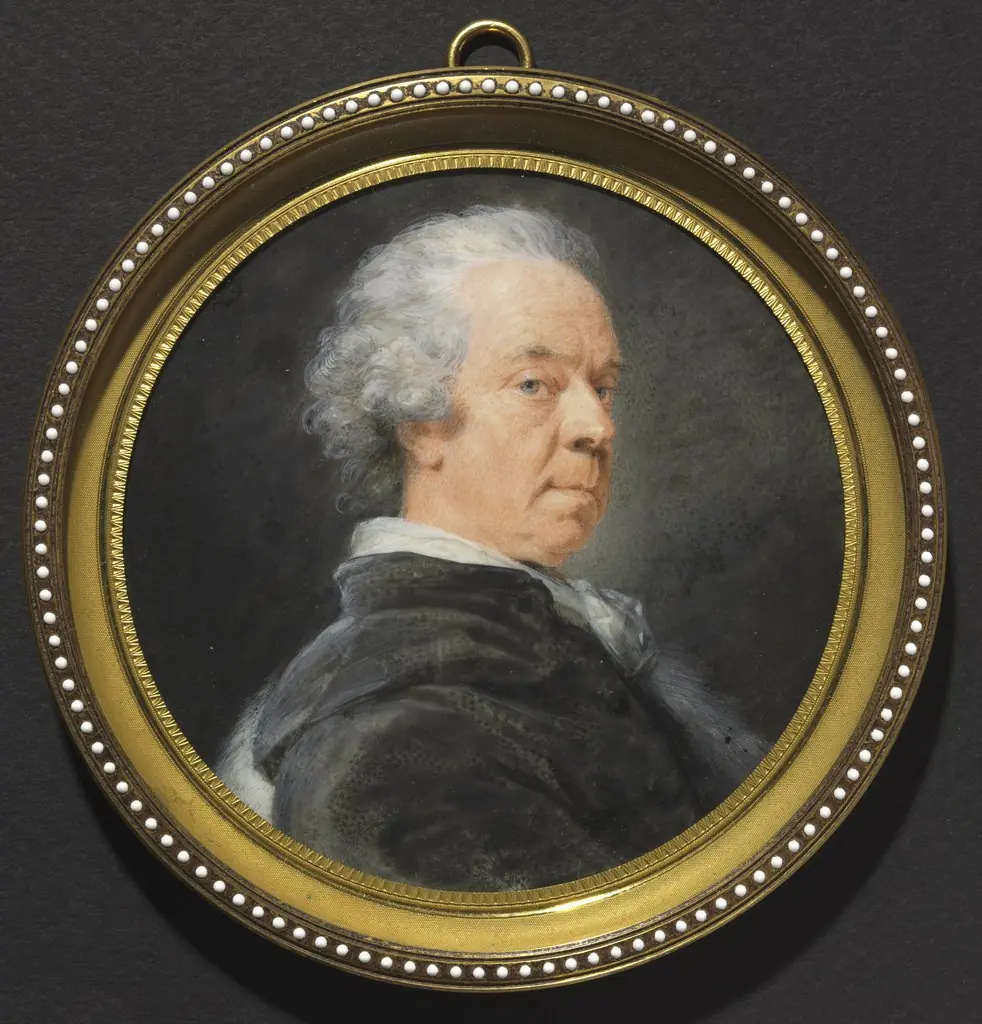
Portrait of a Man with a White Ruff is an unspecified painting. It dates from 1796 and is held in the collection of the Cleveland Museum of Art. The work is a modestly sized, circular oil painting depicting an elderly gentleman.
About this work
Overview
The work is a modestly sized, circular oil painting depicting an elderly gentleman. He is shown with tightly curled white hair, a pronounced white ruff, and a dark green overcoat worn over a lighter shirt. The composition is framed in gold, the frame itself adorned with a series of small white dots along its perimeter.
Subject & Meaning
The sitter appears to be a mature man of some standing, suggested by the elaborate ruff—a fashion element that signified status in the 16th and early 17th centuries. His sober expression and direct gaze convey a sense of dignity and perhaps a desire to be remembered with gravitas.
Technique & Style
The artist employs a soft modeling of light and shadow across the face, creating a gentle transition that softens features—a technique related to the sfumato method. The handling of color is restrained, with muted greens and earth tones that support the portrait’s calm atmosphere.
History & Provenance
The painting’s exact origin and ownership record are not documented in the supplied information. Its stylistic elements place it within the period when ruff collars remained a common motif in portraiture, extending beyond their peak fashion years.
Context
Ruff collars, though most popular in the mid‑1500s to early 1600s, continued to appear in portraiture as a visual shorthand for rank and refinement. The work reflects this lingering convention, situating the sitter within a tradition of formal representation.
Artist & collection