Artwork
Portrait of a Woman
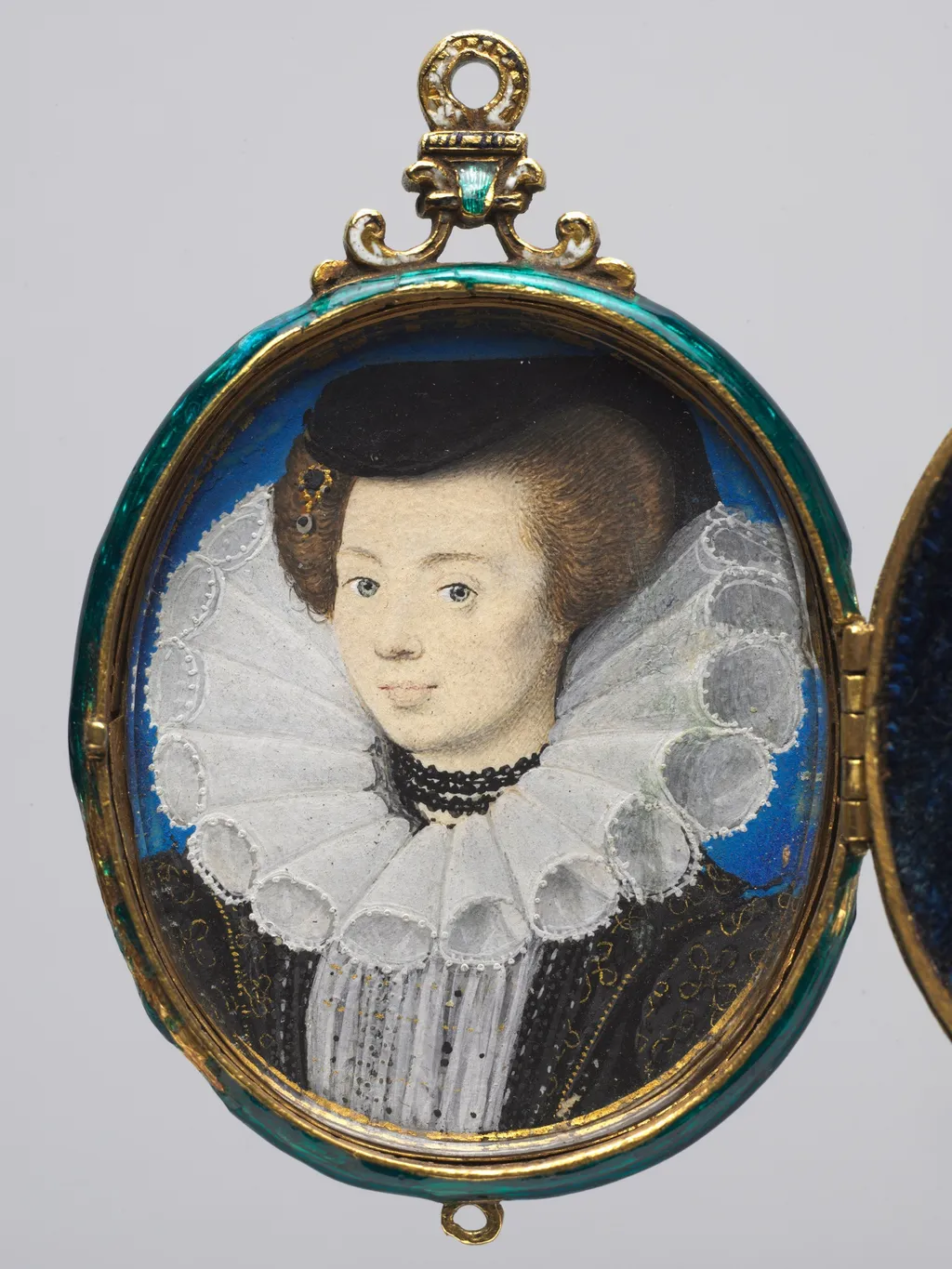
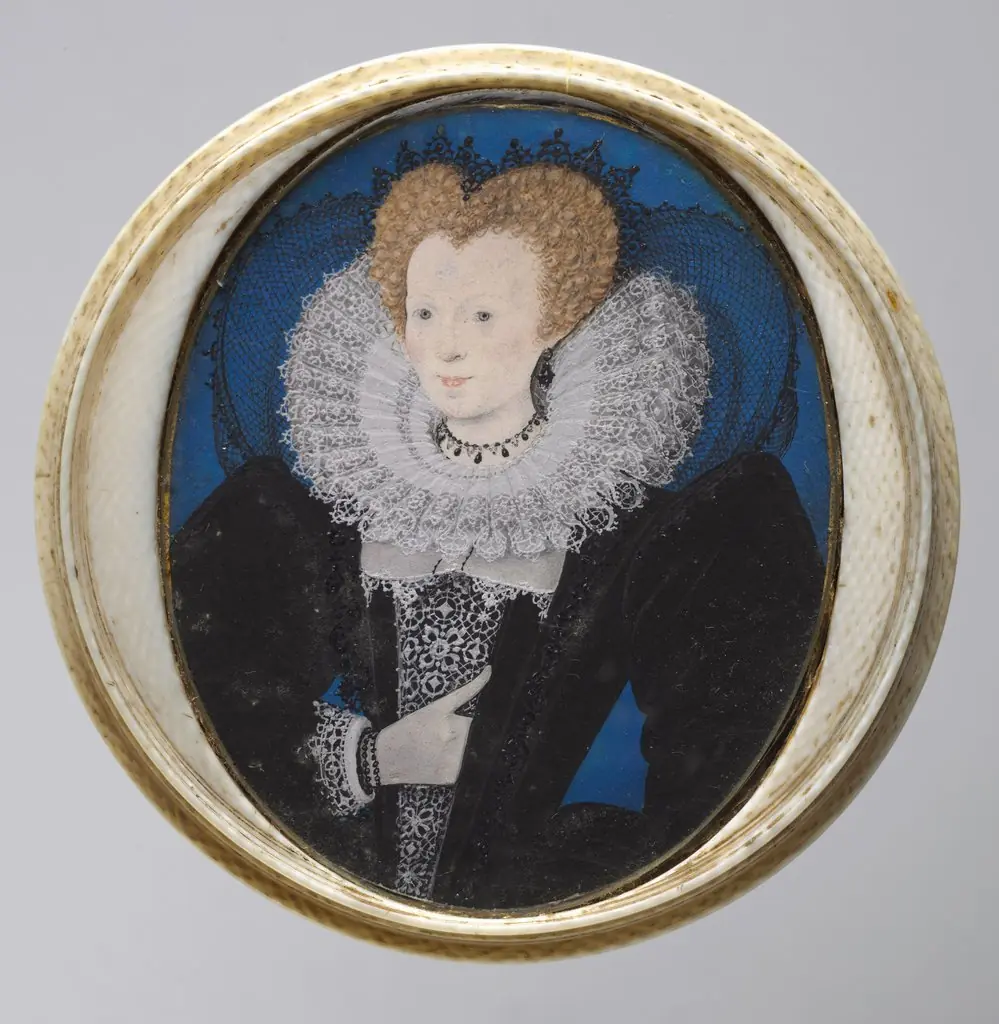
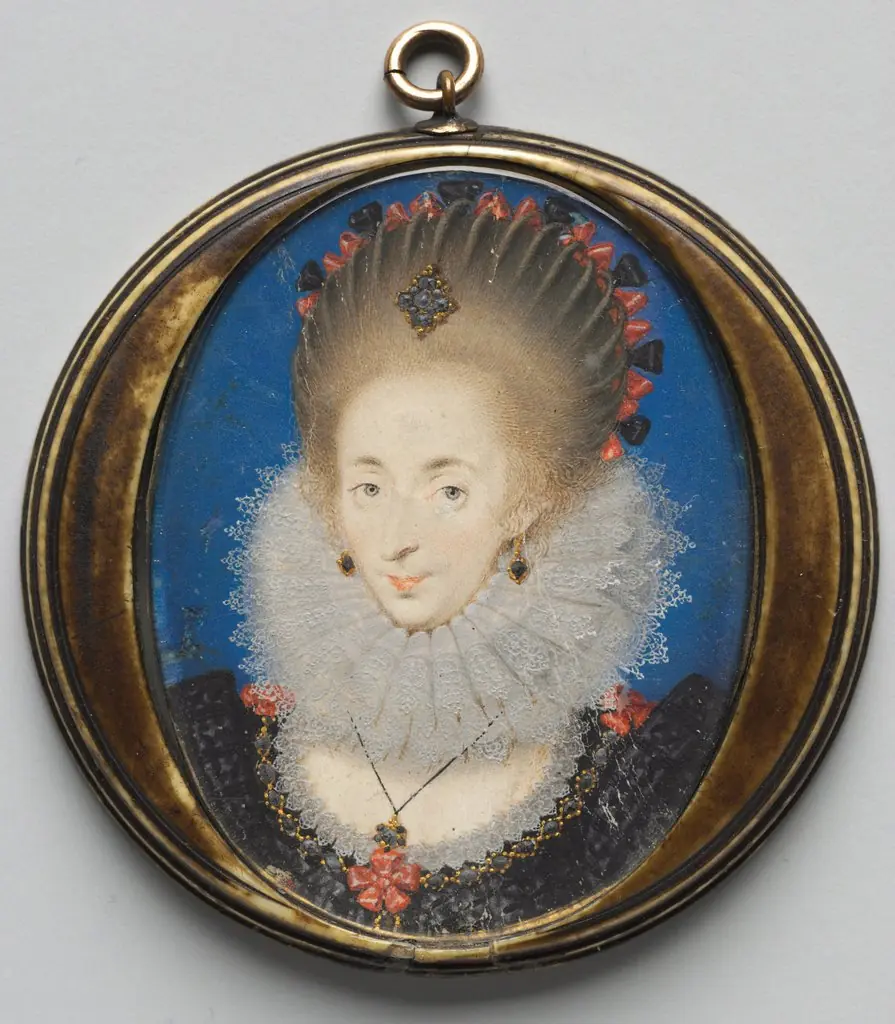
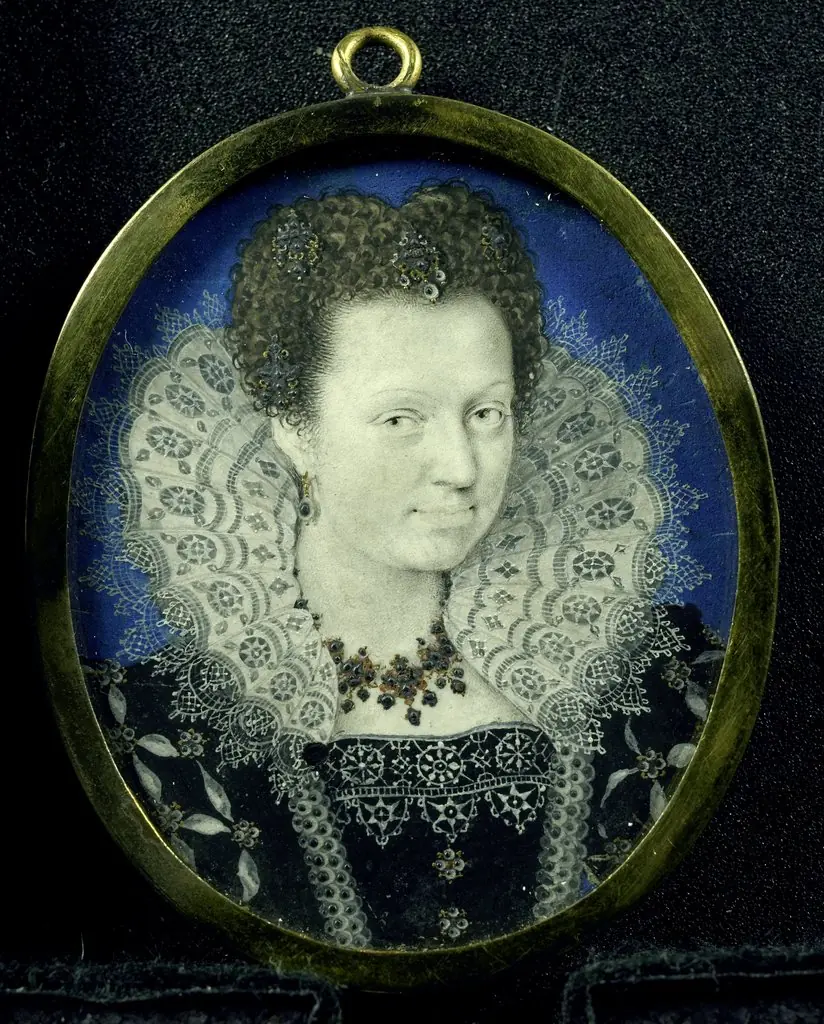
Portrait of a Woman is an unspecified painting. It dates from 1594 and is held in the collection of the Cleveland Museum of Art. The work is a painted portrait that presents a woman within a circular composition.
About this work
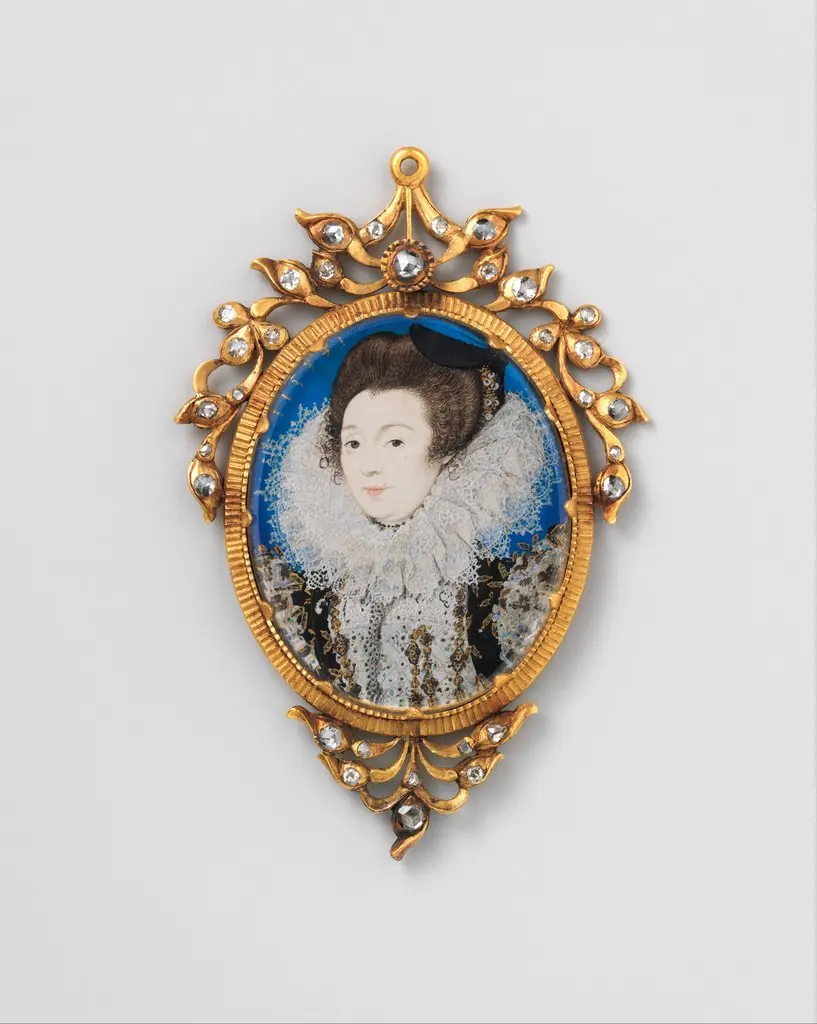
Her dark hair is styled in an updo, and she wears a black hat, a white ruffled collar, and a black dress with gold embroidery.
This painting is a portrait of a woman, depicted in a circular frame. She is shown from the chest up, with her face turned slightly to the right. Her dark hair is styled in an updo, and she wears a black hat, a white ruffled collar, and a black dress with gold embroidery.
The woman's attire and hairstyle suggest that the painting is from the 16th century. The level of detail and realism in the portrait indicates that it was created by a skilled artist.
To learn more about this style of portrait, explore the works of artists from the Renaissance period, such as Unknown.
Overview
The work is a painted portrait that presents a woman within a circular composition. Only her upper body is visible, and her gaze is directed slightly toward the viewer’s right. The figure is rendered with careful attention to facial features and clothing, reflecting a high level of technical skill.
Subject & Meaning
The sitter is shown wearing a black hat, a white ruffled collar, and a black dress adorned with gold embroidery. Her dark hair is arranged in an up‑do, a fashion associated with women of the 16th‑century European elite. The attire and pose suggest a formal, possibly commemorative, representation rather than a narrative scene.
Technique & Style
The portrait displays fine modeling of flesh tones and precise rendering of textile texture, hallmarks of Renaissance portraiture. The circular frame focuses attention on the figure, while the subtle chiaroscuro creates a three‑dimensional effect. The level of realism indicates a trained hand familiar with contemporary conventions of portrait painting.
Context
Although the artist’s name is not recorded, the work aligns with the broader trend of individualized portraiture that flourished in the 1500s across Europe. Such images served both as status symbols and as records of family lineage, reflecting the period’s growing interest in personal identity and material display.
Artist & collection