Artwork
Portrait of Arnoldus van Rijneveld
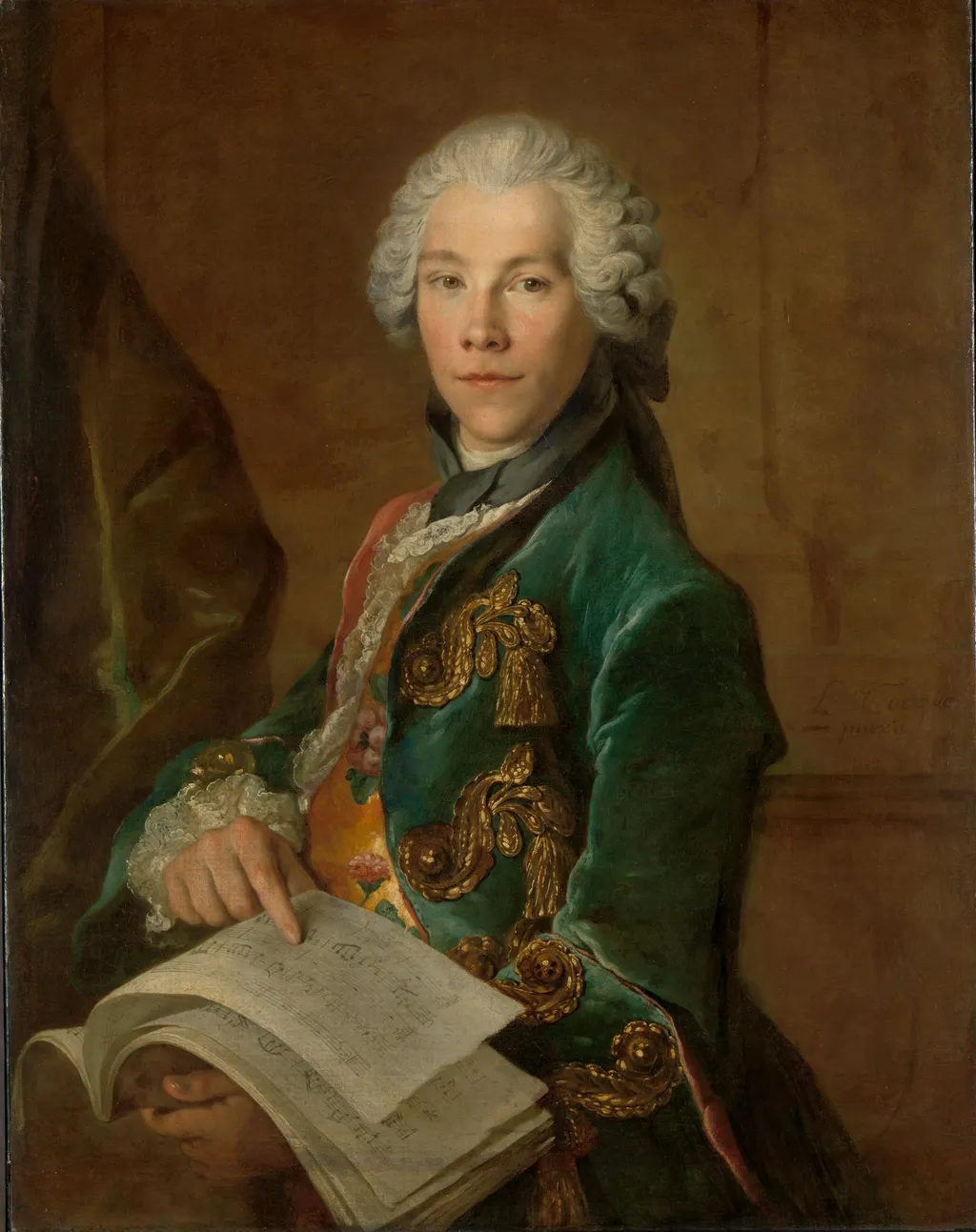
Portrait of Arnoldus van Rijneveld is an unspecified painting by the Rococo painting artist Unknown. It dates from 1738 and is held in the collection of the Rijksmuseum. The portrait depicts Arnoldus van Rijneveld, a Dutch merchant, dressed in an elaborate French‑inspired costume.
About this work
His lace cuffs and velvet waistcoat are stitched with tiny gold threads—every fold sharp enough to count.
You see a man in a dark coat, gold buttons glinting, holding a tricorn hat under his arm. His lace cuffs and velvet waistcoat are stitched with tiny gold threads—every fold sharp enough to count.
The clothes scream Paris, not Amsterdam. In 1738, Dutch merchants wore French fashion like status armor. Someone paid a lot for this portrait, but we don’t know who painted it or why.
Walk through the Rijksmuseum halls to spot more faces in silk and lace.
Overview
The portrait depicts Arnoldus van Rijneveld, a Dutch merchant, dressed in an elaborate French‑inspired costume. He is shown in a dark coat with gleaming gold buttons, a tricorn hat tucked under his arm, and a velvet waistcoat embroidered with fine gold thread. The painting is attributed to the French artist Louis Tocqué, who was admitted to the Académie Royale in 1734.
Subject & Meaning
Van Rijneveld’s attire, clearly sourced from Paris, signals both wealth and a desire to align with contemporary French fashion trends. The careful rendering of his lace cuffs and embroidered velvet suggests an emphasis on status, presenting the sitter as a prosperous figure within the mercantile class of the Dutch Republic.
Technique & Style
Tocqué’s approach combines a relaxed, informal pose with precise attention to material detail. The brushwork captures the sheen of velvet and the sparkle of gold thread, while the sitter’s posture and the casual handling of his hat convey a naturalistic immediacy that was praised in the artist’s work.
History & Provenance
Although the portrait’s commission remains unidentified, it was likely produced for a wealthy patron willing to invest in a French‑trained painter. The work entered the Rijksmuseum’s collection in the 20th century, where it now resides among other portraits that document the era’s cross‑national fashion influences.
Context
In the 1730s Dutch merchants frequently adopted French dress as a visual marker of prestige, a practice reflected in this portrait. The garment’s luxurious fabrics and ornamentation illustrate the broader cultural exchange between the Netherlands and France, where French style functioned as a form of social armor for the commercial elite.
Artist & collection

 Domestic Scene
 Giacomo and Cardinal Marco, investing Andrea, Abbot of San Zeno, with his Benefice
 The Nymph of Fontainebleau
 Portrait of a Woman
 Madonna and Child with Saints in the Enclosed Garden
 Venus and Minerva
 Family Group of Four on Sofa
 Wall painting from Room H of the Villa of P. Fannius Synistor at Boscoreale
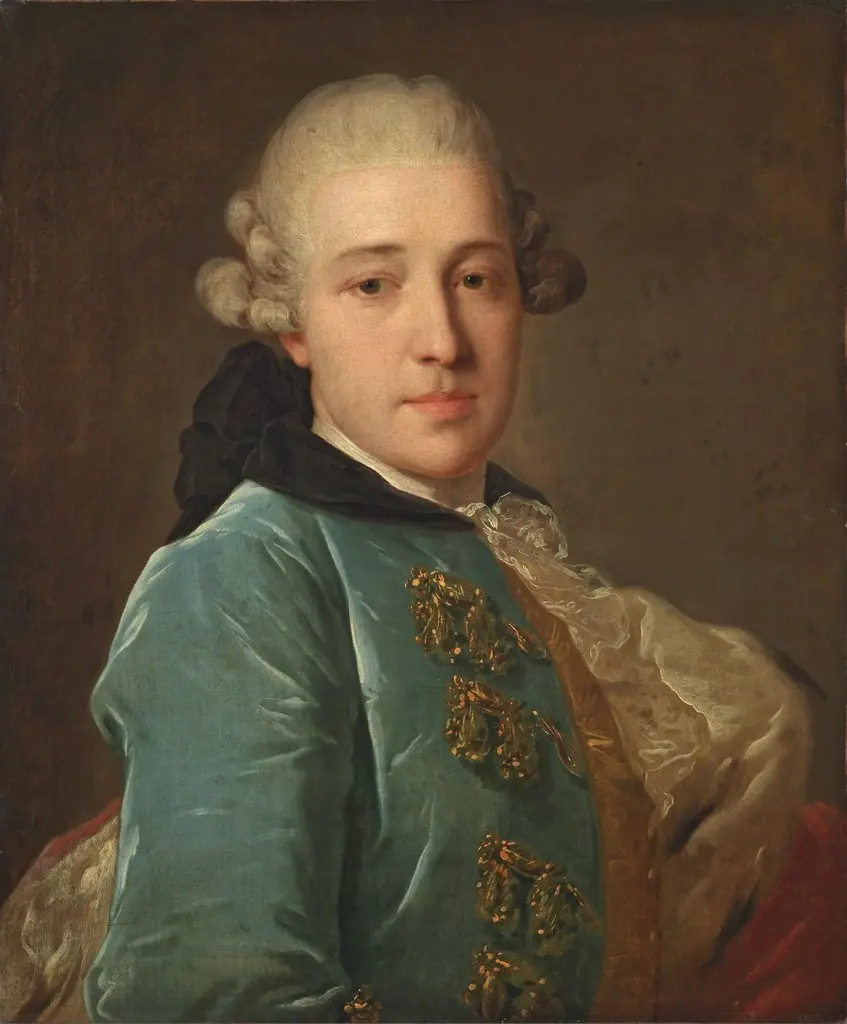 Portrait of Prince Dmitry Mikhailovich Golitsyn
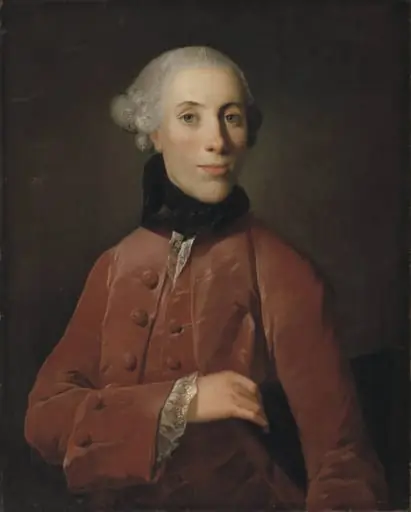 The Court Seal Engraver Ahron Jacobson
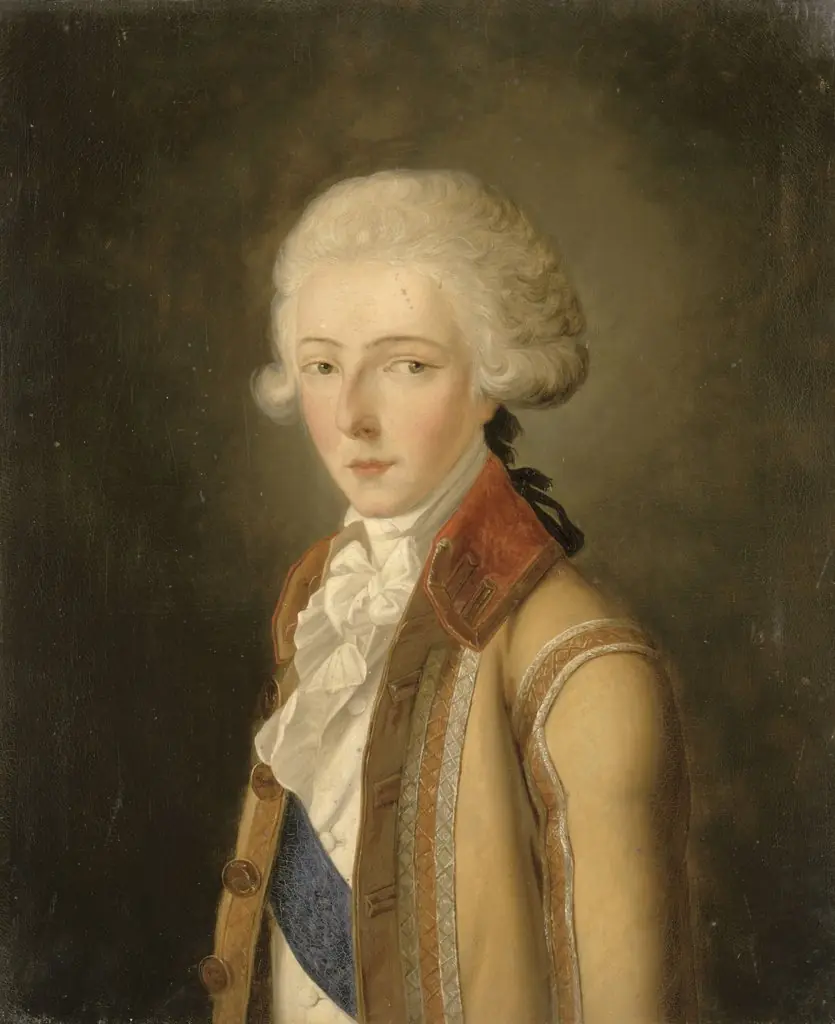 Louis Antoine de Bourbon, Duke of Enghien (1772—1804)
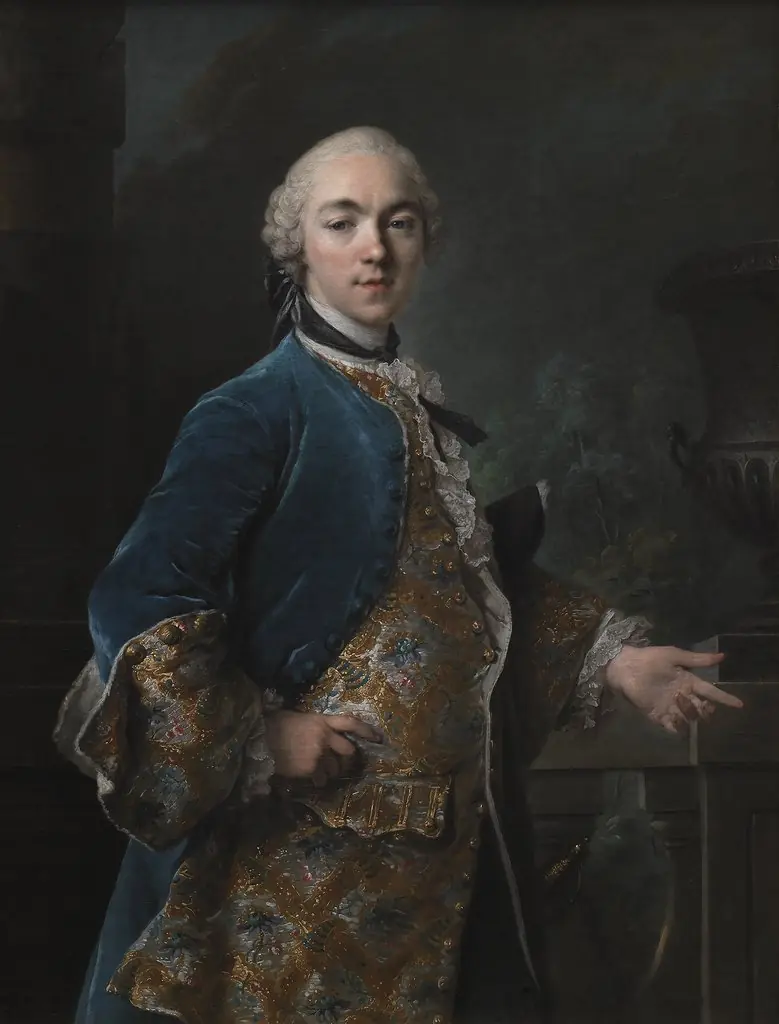 Portrait of Frederik Christian Krag (1726-1763)
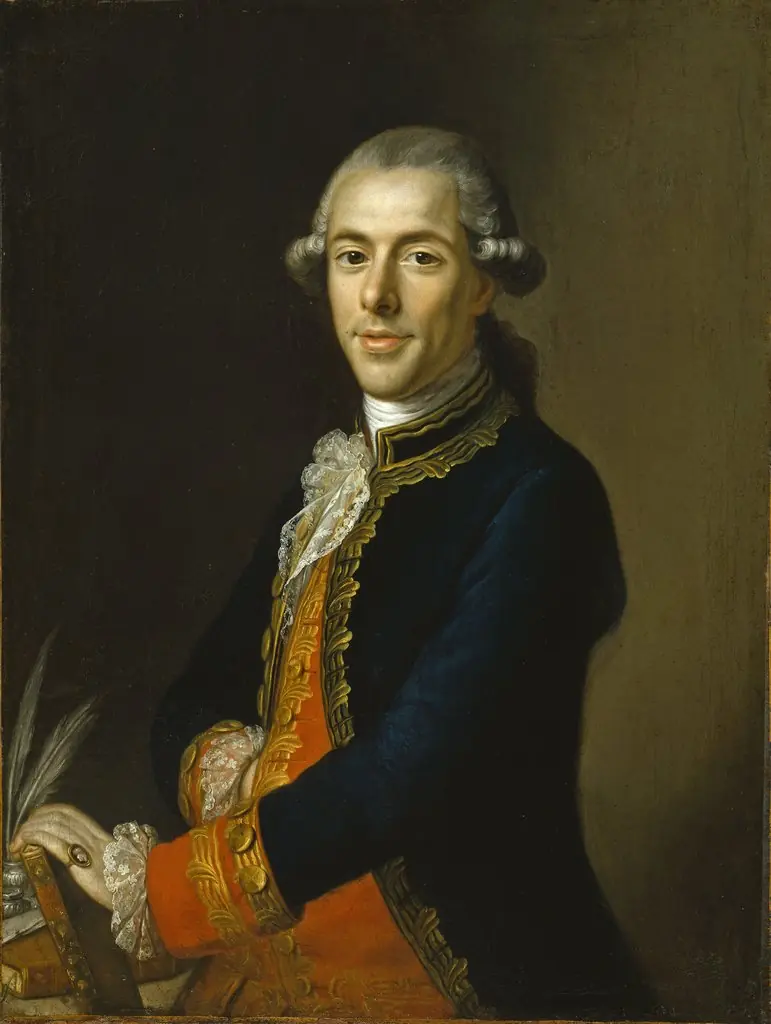 Tomás de Iriarte
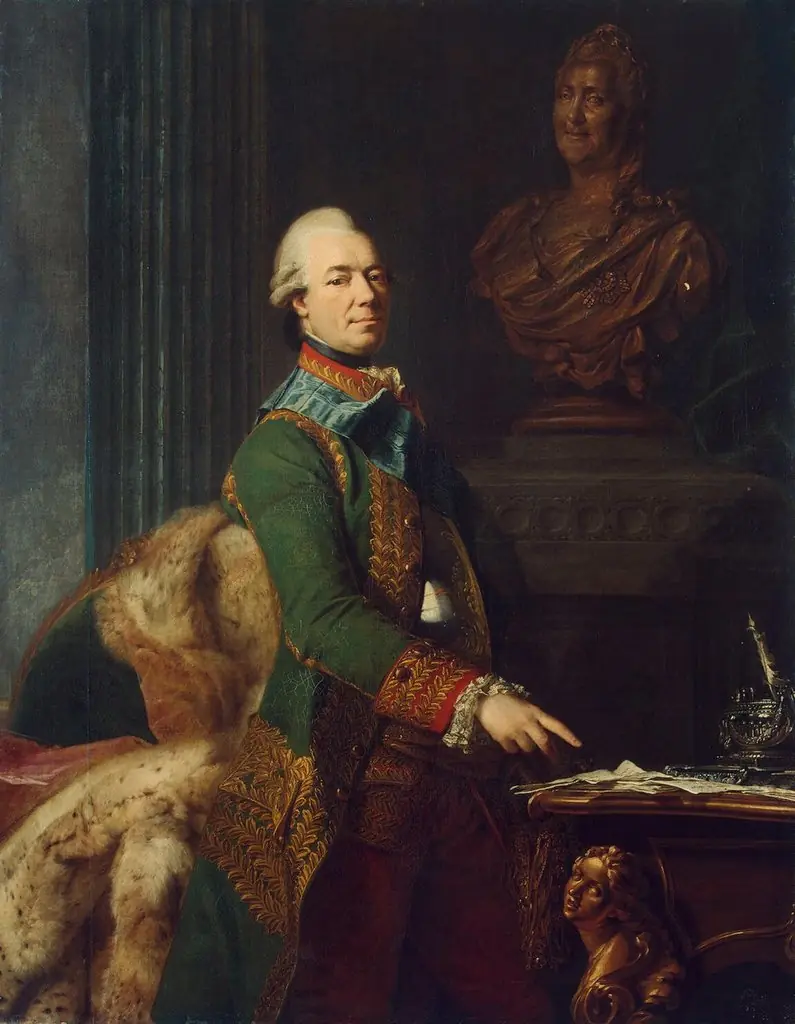 Portrait of Count Zakhar Chernyshev
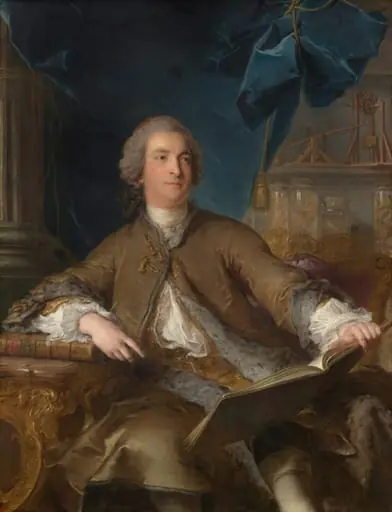 Joseph Bonnier de la Mosson
 Johan Gustav Olander
 Portrait of Pieter Parker, Alderman, Burgomaster and Councilor of Goes
 Portrait of a Musician