Artwork
Portrait of Gerard Cornelis van Riebeeck
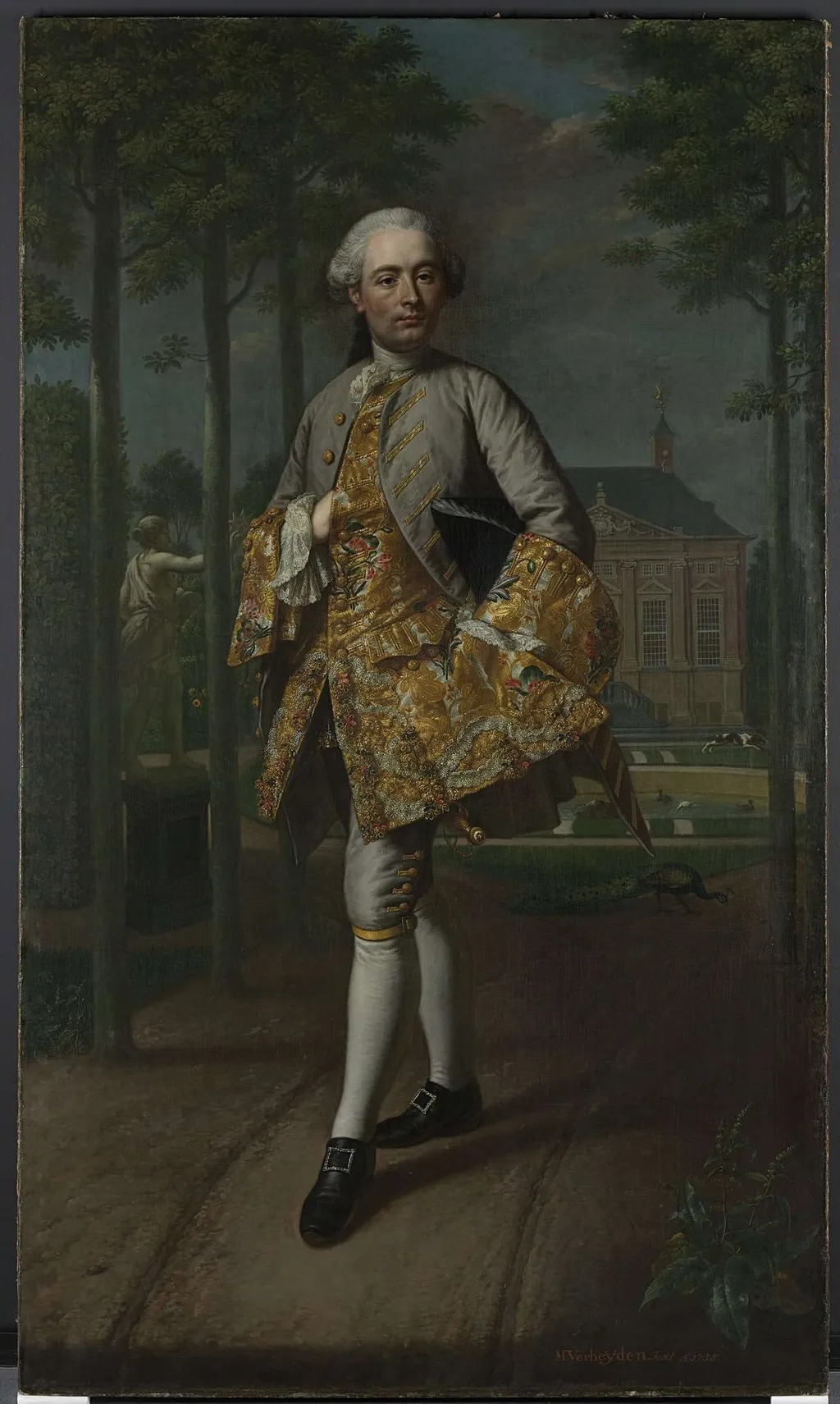
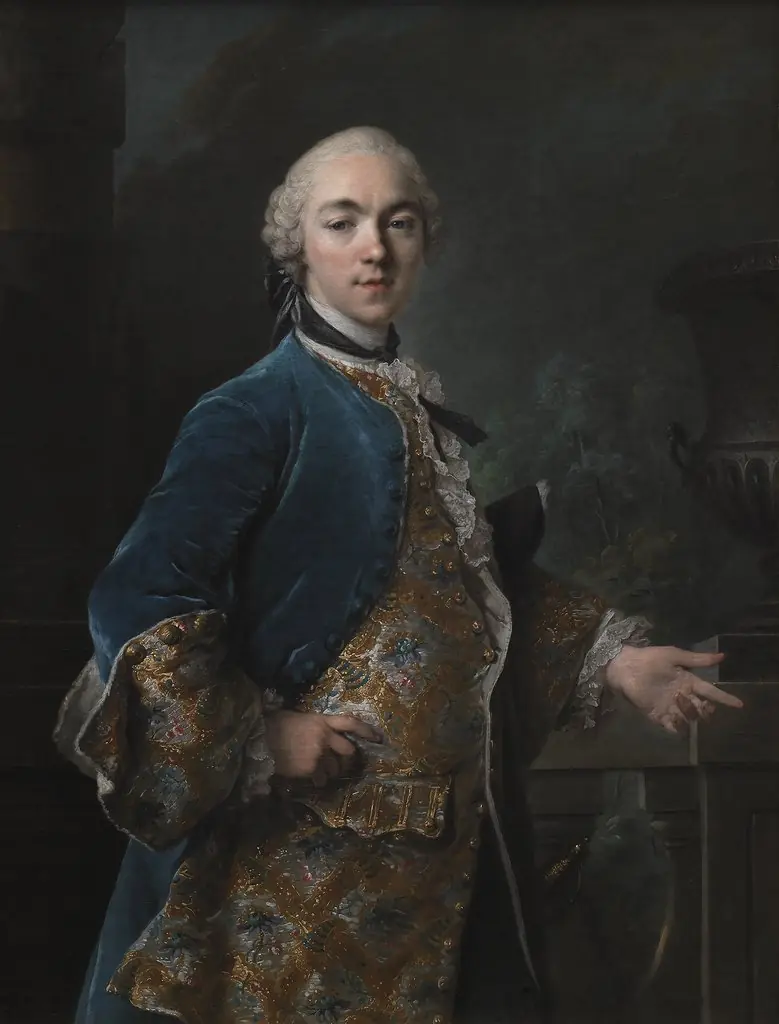
Portrait of Gerard Cornelis van Riebeeck is an unspecified painting by the Rococo painting artist Unknown. It dates from 1755 and is held in the collection of the Rijksmuseum. This portrait depicts Gerard Cornelis van Riebeeck, a prominent civic official in Delft during the late 17th century.
About this work
Overview
This portrait depicts Gerard Cornelis van Riebeeck, a prominent civic official in Delft during the late 17th century. He is shown standing before the landscape of his estate, a deliberate choice to associate his personal status with landownership and civic authority. The composition emphasizes his position through setting and attire rather than overt symbolism.
Subject & Meaning
Van Riebeeck, who served as town secretary from a young age, commissioned this image to reflect his social standing and long-standing service. The estate background signals his wealth and rootedness in the community. His formal attire, though rich, avoids aristocratic heraldry, suggesting a civic rather than noble identity, typical of Dutch urban elites of the period.
Technique & Style
Decorative buttons and exaggerated buttonholes serve as markers of status, not function, reflecting contemporary fashion norms among the Dutch bourgeoisie.
The painting employs a restrained realism, with attention to fabric texture and light modulation. The gold brocade of his coat is rendered with subtle tonal shifts, avoiding excessive glitter. Decorative buttons and exaggerated buttonholes serve as markers of status, not function, reflecting contemporary fashion norms among the Dutch bourgeoisie. The background is softly modeled, integrating the figure into a naturalistic setting.
History & Provenance
The portrait was likely painted during van Riebeeck’s tenure as a regent, possibly in the 1670s or 1680s. It remained in family possession for generations before entering institutional collections. No records indicate multiple versions or early reproductions, suggesting it was a private commission intended for domestic display rather than public circulation.
Context
In late 17th-century Delft, civic leaders often commissioned portraits to affirm their roles within the urban elite. Unlike aristocratic portraiture, these images avoided grandeur in favor of quiet dignity. Van Riebeeck’s attire and setting align with this trend—luxury is present but understated, emphasizing responsibility and restraint over display.
Legacy
The portrait remains a representative example of Dutch civic portraiture, illustrating how wealth and influence were visually negotiated without overt pomp. Its preservation offers insight into the values of a merchant-regent class that shaped Dutch urban life. The decorative buttons, once a fashion statement, now serve as a quiet testament to the era’s material culture.
Artist & collection

 Domestic Scene
 Giacomo and Cardinal Marco, investing Andrea, Abbot of San Zeno, with his Benefice
 The Nymph of Fontainebleau
 Portrait of a Woman
 Madonna and Child with Saints in the Enclosed Garden
 Venus and Minerva
 Family Group of Four on Sofa
 Wall painting from Room H of the Villa of P. Fannius Synistor at Boscoreale
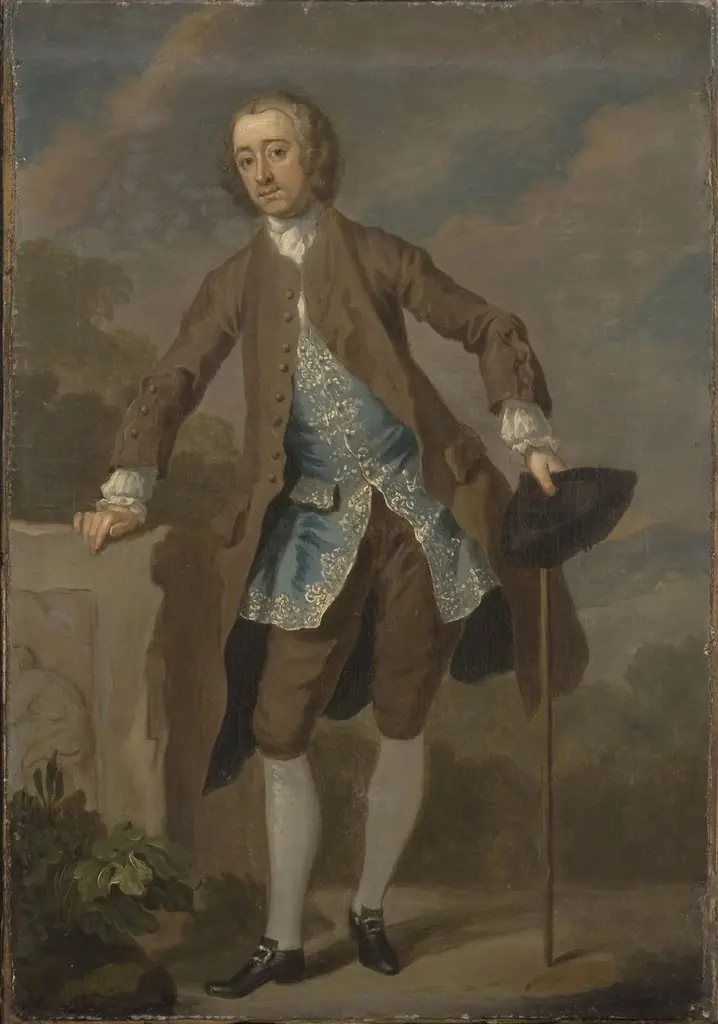 Portrait of Gustavus Hamilton, 2nd Viscount Boyne
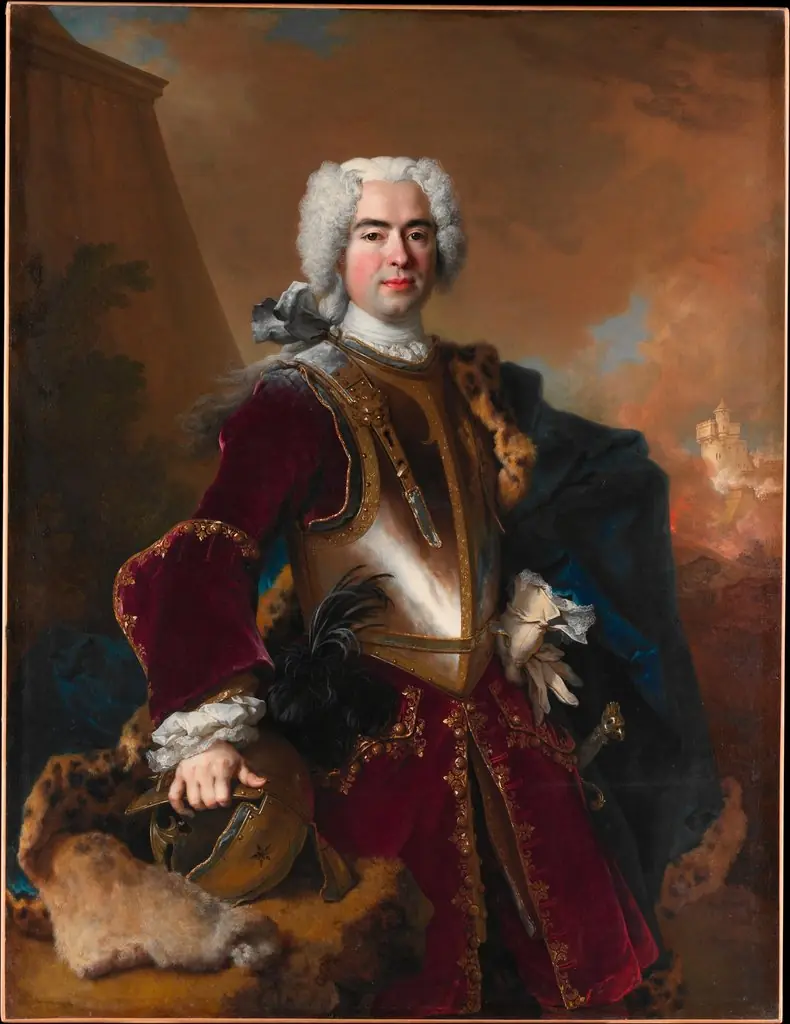 André François Alloys de Theys d'Herculais (1692–1779)
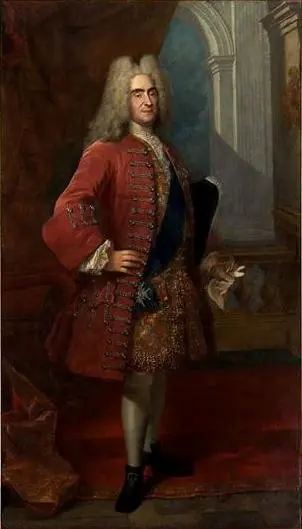 Portrait of Augustus II of Poland (1670-1733)
 Portrait of a Gentleman
 Portrait of Isaac van Rijneveld
 Portrait of a Gentleman
 Portrait of Charles Tottenham in his Boots
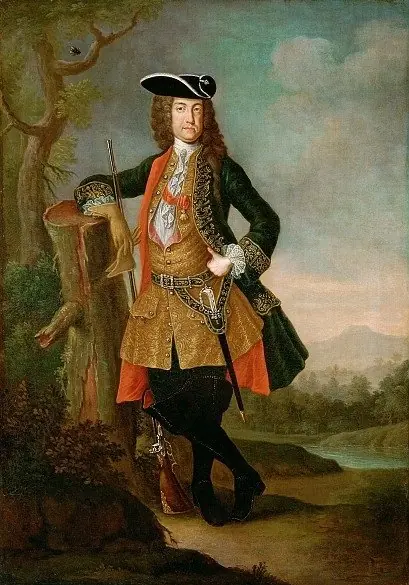 Kaiser Karl VI. (1685-1740) im Jagdkostüm
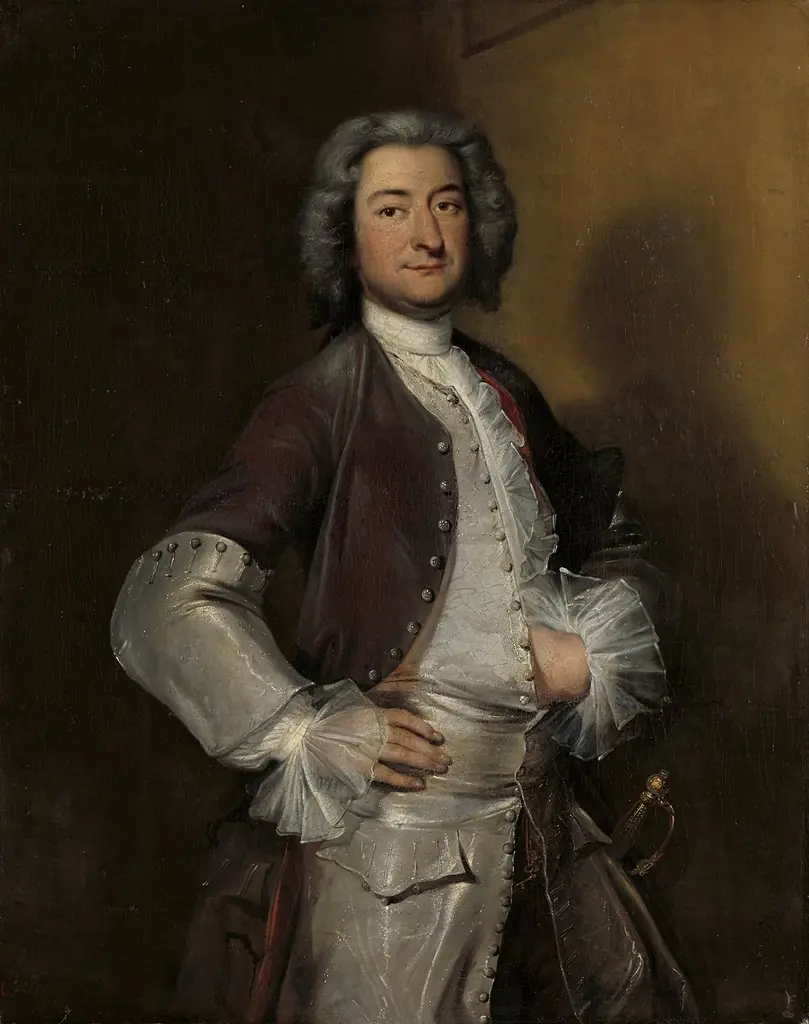 Portrait of Isaac Sweers, Chief Officer of Amsterdam and Governor of the Dutch East India Company
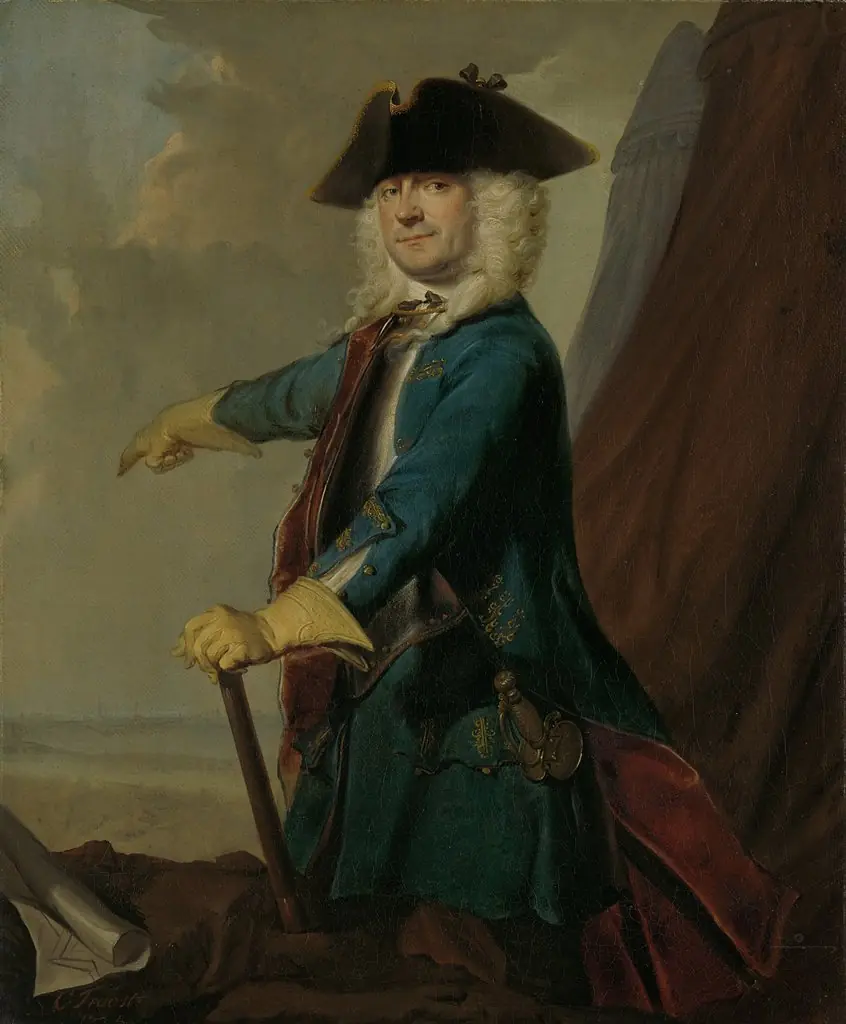 Gerrit Sichterman (1688-1730). Quartermaster-General of the Cavalry, Colonel of the Oranje-Groningen Infantry Regiment, Commandant of Grave
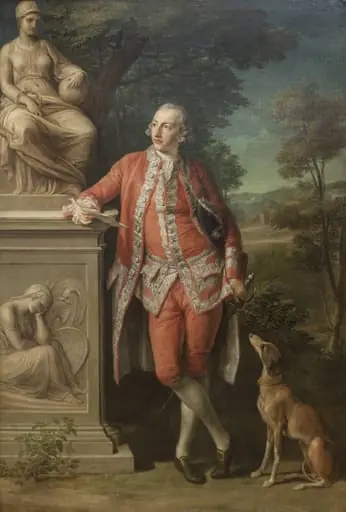 Peter Beckford (1740-1811), godsejer, Dorset.
 Portrait of Frederik Christian Krag (1726-1763)